 Intellect Plus
Nature
11,198 cards. Each one is a 40-second story with a five-minute read behind it. Page 91 of 187.
Subtopics: Ageing · Air · Animal behaviour · Animal breeds and hybrids · Animals · Arthropods · Atmosphere · Big cats · Bilateria, others · Birds · Botany · Cnidarians · Conservation · Coral reefs · Deep sea · Deserts · Dinosaurs · Earth science · Earth science and physical geography · Earth science basics · Earthquakes & tsunamis · Echinoderms · Ecology · Ecosystems · Endangered species · Extinct animals · Farming · Fish · Forests · Fungi · General classifications · Geology · Geomorphology · How Long Can It Live? · Ice · Individual animals · Insects · Lightning · Longevity · Mammals · Marsupials · Migration · Mollusks · Ocean · Organisms · Parasites · Physical geography · Plants · Porifera · Predators · Primates · Rainforest · Reptiles & amphibians · Researched · Sharks & rays · Spiders & arachnids · Symbiosis · Trees · UK & Ireland: nature · Vertebrates · Vision · Volcanoes · Water · Waves · Weather · Whales & dolphins · Zoology
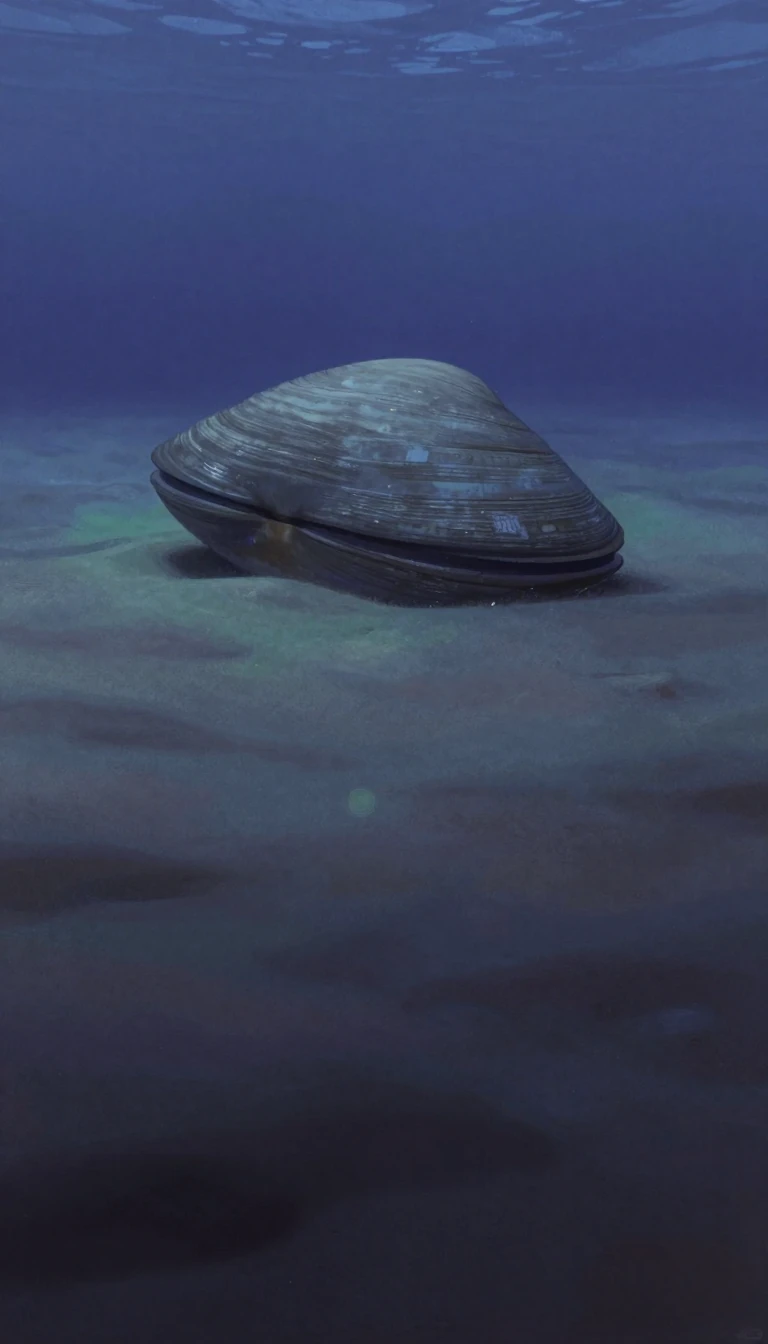 The sea angel is a shell-less predator that can survive a year without eating.Clione limacina, known as the sea angel, is a pelagic mollusk that haunts the cold waters of the Arctic and North Atlantic. Despite its ethereal appearance, this shell-less predat…
 Why your wool sweater is actually a gourmet meal for a tiny mothClothes moths are not just pests; they are biological marvels capable of digesting keratin, the tough protein found in silk, wool, and fur. While most scavengers pass over these m…
 Clownfish are not just colorful reef dwellers; they are complex, sex-changing social strategists.Clownfish live in rigid, size-based hierarchies where the breeding female reigns supreme. When she dies, the breeding male undergoes a sex change to take her place, while subordin…
 Why the herring family evolved to be the ocean's most efficient filter-feeding machinesThe Clupeidae family, including herrings and sardines, are master survivors of the marine world. By ditching teeth for specialized gill rakers and adopting a high-speed, hydrodyna…
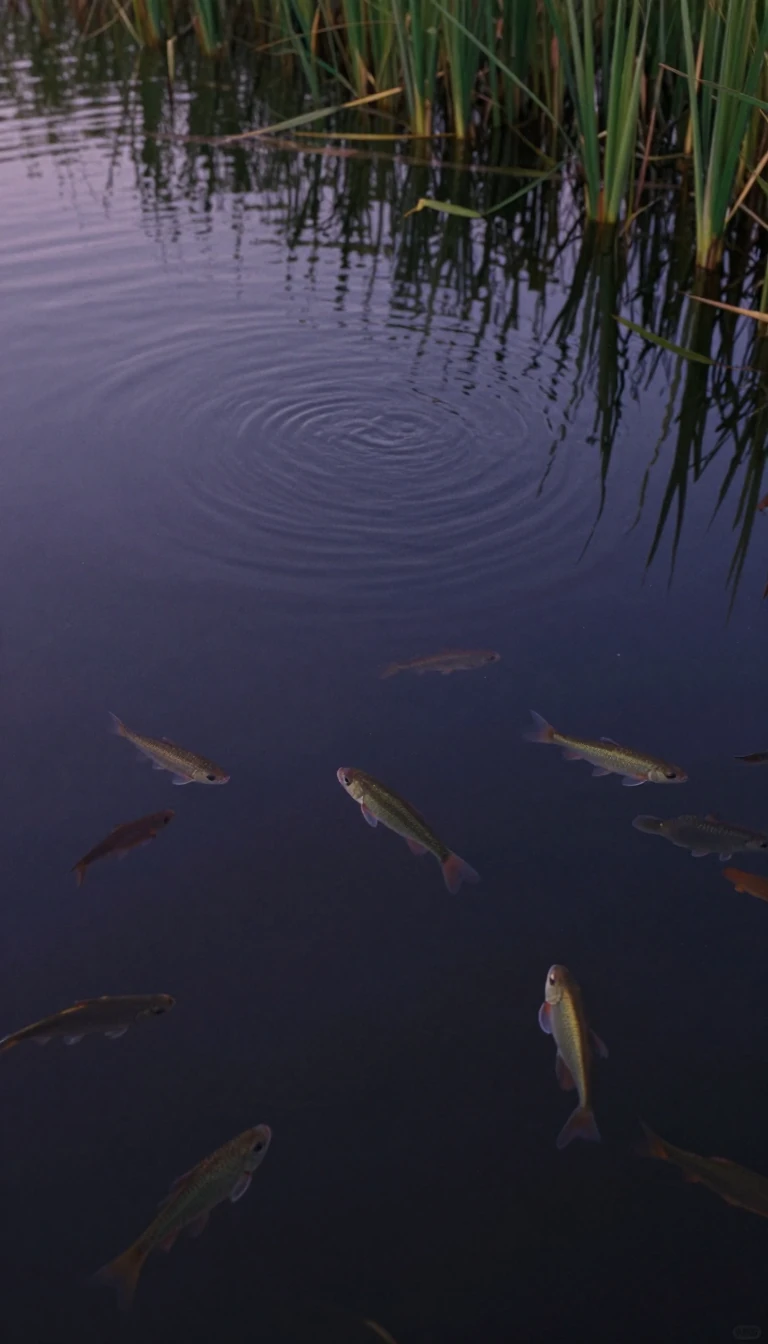 These small, silver fish are the most heavily exploited creatures in our oceansClupeiformes, an order of bony fish including herrings, sardines, and anchovies, account for over one-third of the global fish catch. Despite their massive economic importance and…
 Coastal fish are the most abundant marine species, thriving in the world's shallowest waters.From tidal pools to the edge of the continental shelf, coastal fish dominate the seas. These creatures rely on nutrient-rich runoffs and sunlit zones to power their life cycles. W…
 The Seven-Spotted Lady Beetle is a highly effective, accidental immigrant to North America.Originally from Europe, the seven-spotted lady beetle was accidentally introduced to North America in the early 1970s. Since then, this voracious aphid predator has spread across …
 Why the brilliant Andean cock-of-the-rock spends its life guarding a rocky arenaDeep in South American rainforests, the cock-of-the-rock lives a double life. While females quietly raise chicks in cliffside nests, males gather in clans to defend communal arena…
- Why the noisy May bug is actually a misunderstood giant of the soilOften mistaken for a stinging pest, the cockchafer is a harmless, fan-antennaed beetle that spends most of its life underground. Though they occasionally tumble down chimneys, the…
 The dinosaur that caused a taxonomic war: why Coelophysis is so hard to define.Coelophysis was a slender, bipedal carnivore that roamed North America 215 million years ago. Despite being one of the most specimen-rich dinosaur genera, its identity has been a …
 The term coldwater fish is often a dangerous misnomer for your home aquariumWe assume coldwater fish thrive in unheated tanks, but this label is frequently misleading. While some species survive room temperatures, their physiological needs often demand mu…
 Why these leaf-eating monkeys evolved a complex, multi-chambered stomach to surviveColobinae monkeys are the only primates that digest food like cows. By using foregut fermentation, they break down tough leaves that other animals cannot process. This specialized…
 The thumbless primates of Africa use complex stomach fermentation to survive on leavesColobus monkeys are a diverse group of tree-dwelling primates defined by their missing thumbs and specialized digestive systems. From the loud, territorial black-and-white species…
 Why the UK just declared victory over a tiny, striped, potato-loving agricultural nightmareThe Colorado potato beetle is a formidable pest capable of stripping entire fields bare. After a 2023 outbreak in Kent, the UK launched a massive, multi-agency effort to prevent t…
 The Columbian mammoth was a massive, hybrid giant that once roamed North AmericaLarger than the woolly mammoth and the modern African bush elephant, the Columbian mammoth was a titan of the Pleistocene. Recent genetic breakthroughs reveal it was not a simple,…
 The common bream is a master of adaptation, even resorting to filter feeding.The common bream is a resilient European freshwater fish known for its high-backed, silver-to-bronze profile. While typically a bottom-dweller that uses its protractile mouth to f…
 The Australian marsupial that conquered the suburbs but became a pest abroadThe common brushtail possum is a master of urban adaptation, frequently seen in Australian cities. While it remains a protected native species at home, it has transformed into a d…
 The Australian snake that hunts by turning its own tail into a lureThe common death adder is a master of patience. Instead of chasing prey, this venomous elapid hides under leaf litter for days, twitching its grub-like tail to bait unsuspecting a…
 The common eider is a master of survival that turns invasive species into dinnerThe common eider is the largest sea duck in the Northern Hemisphere, famous for the insulating down that lines its nest. While typically a marine bird, this resilient species has …
 Can a bird really talk? The truth about the common hill myna's voiceThe common hill myna is a master of mimicry, capable of reproducing human speech and whistled tunes with startling clarity. While often mistaken for a wild mimic, this bird only d…
 The male midwife toad carries his offspring on his back until they hatch.In the world of amphibians, the common midwife toad defies convention. While most species abandon their eggs in water, the male Alytes obstetricans takes on the role of primary ca…
 The common octopus is a master of camouflage, intelligence, and rapid physical transformation.Widely distributed across the world's tropical and temperate seas, the common octopus is a highly intelligent invertebrate. Beyond its eight arms and bulbous head, this creature e…
- The Australian possum that eats its own waste to survive on eucalyptus leavesThe Eastern Ringtail Possum is a master of efficiency. To thrive on a diet of tough, nutrient-poor leaves, it employs a digestive strategy similar to rabbits: it consumes its own …
 The common seadragon is a master of camouflage that drifts like floating seaweedResembling a piece of kelp, the common seadragon uses leaf-like appendages to vanish into Australian coastal waters. While it shares a family with seahorses, this slow-moving fish…
 The common swift is a master of the air that rarely touches the ground.Swifts are aerial athletes that spend almost their entire lives on the wing. They eat, drink, sleep, and even mate while flying, only landing to nest. These birds are among the fa…
 The common toad is a master of survival, from ancient folklore to modern roads.Often dismissed as a warty, slow-moving creature of myth, the common toad is a resilient survivor. It navigates complex migration routes, employs chemical warfare against predator…
 The master of disguise hiding in plain sight across North American forestsThe common walkingstick is a master of mimicry, evolving to resemble a simple twig to evade detection. Though widespread across North America, these wingless insects remain elusiv…
 Biological communities are not just random collections of species but complex, structured interaction networks.A biological community is more than a list of local species; it is a dynamic web of interactions. From the sun-drenched surface of a forest to the volcanic depths of the ocean flo…
 The chicken-sized dinosaur that fundamentally changed our understanding of bird evolutionCompsognathus was once dismissed as a mere lizard, but this tiny predator eventually became the centerpiece of a scientific revolution. By revealing striking similarities to early…
- The deadly cone snail is a master of chemical warfare and high-speed hunting.These predatory marine snails use a harpoon-like tooth to fire neurotoxins into their prey at speeds reaching 90 kilometers per hour. While some species can be fatal to humans, th…
 This ancient, toothless bird reveals how flight evolved long before modern avian growth ratesConfuciusornis, a crow-sized bird from the Early Cretaceous, was once considered the oldest beaked bird. While it shared a toothless snout with modern species, its skeletal struct…
 For over a century, these mysterious tooth-like fossils baffled the world's greatest paleontologists.Before the 1980s, conodonts were known only as tiny, enigmatic mineral structures found in ancient marine rocks. Scientists had no idea what creature produced them, or if they wer…
 Why conservation biology is a discipline with a deadline for our planetConservation biology is an interdisciplinary field born from the urgent need to protect Earth's biodiversity. Facing potential extinction rates orders of magnitude higher than the…
 This tiny, glowing shark takes circular bites out of animals much larger than itself.The cookiecutter shark is a master of deception. By using bioluminescent photophores to mimic a small fish, it lures unsuspecting predators into range. Once they approach, the sha…
- The Cooloola monster is a subterranean predator hiding beneath the sands of QueenslandDeep within the soil of Queensland, Australia, lives a creature so elusive it is rarely seen by human eyes. Known as the Cooloola monster, this subterranean insect belongs to a un…
- Why the humble coot is a surprisingly brutal parent in the wildKnown for their distinctive white frontal shields and lobed feet, coots are common water birds found across the globe. While they appear graceful as they glide across lakes, these…
- The Asian subterranean termite is a global traveler that destroys homes from the insideOften confused with its cousin the Formosan termite, the Asian subterranean termite is a formidable pest that has hitched rides on boats to colonize new continents. These insects …
 Why these African lizards evolved heavy armor and a spiky, defensive tailThe Cordylidae family of lizards, native to southern and eastern Africa, has mastered the art of survival through specialized physical adaptations. Known for their flattened bodie…
 The whitefish genus Coregonus is a taxonomic puzzle that defies simple biological classification.Are there dozens of distinct whitefish species, or just a few? Scientists struggle to define the boundaries of the Coregonus genus, as these fish frequently interbreed and rapidly…
- Why these sap-sucking insects are known as leaf-footed bugs and twig-wiltersThe Coreidae family is a diverse group of over 1,900 insect species found worldwide. Ranging from tiny bugs to some of the largest in their suborder, they are known for their uniq…
- The lesser water boatman is a master of aquatic navigation and liquid digestionCommonly found in ponds and slow-moving rivers, the Corixidae family of insects are expert swimmers that navigate right-side up. These aquatic creatures, known as lesser water boa…
- The corn snake is a master of navigation that rivals birds and rodentsOften mistaken for the venomous copperhead, the harmless corn snake is a sophisticated predator and a popular pet. Beyond its striking patterns, research reveals these snakes poss…
 The humble garden snail is a biological marvel of engineering, medicine, and ancient travelKnown globally as a common garden pest, the snail Cornu aspersum is actually a sophisticated survivor. From its ability to survive freezing temperatures by altering its blood chem…
 The ancient mammal that survived Arctic winters by eating fungi in total darknessCoryphodon was a robust, semi-aquatic browser that roamed the Eocene world. While most mammals might migrate or hibernate to escape harsh conditions, this creature adapted to the …
- Did this duck-billed dinosaur use its elaborate head crest as a natural trombone?The Corythosaurus, a Late Cretaceous herbivore, sported a tall, hollow helmet-like crest that once baffled paleontologists. While early theories suggested it helped the animal bre…
- Why do some birds build nests so thin you can see the egg underneath?The Cotingidae family is a masterclass in evolutionary diversity. While some of these tropical birds share parenting duties, others rely on elaborate, high-stakes courtship displa…
- Why the cottontail rabbit is a master of survival despite being everyone's favorite snackCottontail rabbits are prolific breeders, yet few reach adulthood. As a primary target for hawks, foxes, and even squirrels, these lagomorphs rely on a high-speed zig-zag escape, …
- Did this massive, barrel-shaped Permian herbivore spend its life on land or underwater?Cotylorhynchus was a giant, plant-eating synapsid with a massive, barrel-shaped body and powerful claws. While traditionally viewed as a terrestrial creature, its unique bone stru…
 The Coua: Madagascar's enigmatic cuckoos that build their own nests and hunt on footUnlike their parasitic cousins, these large, long-tailed birds of Madagascar are industrious parents who construct their own nests. Reminiscent of African turacos, they navigate t…
- The coucal is a cuckoo that rejects the family tradition of brood parasitismWhile most cuckoos are infamous for tricking other birds into raising their offspring, the coucal takes a different path. These ground-dwelling birds build their own nests and sha…
 Why these desert birds are actually more like gulls than traditional wadersCoursers are masters of the arid landscape, known for their long legs and insect-hunting speed. While they were long grouped with plovers, modern genetic analysis has upended thei…
- Why the cow shark is considered the most primitive shark swimming todayWith skeletons resembling ancient, extinct forms and unspecialized internal systems, cow sharks are living relics. Unlike the standard five-gilled shark, these predators possess s…
 The South American crab-eating fox is neither a true fox nor a crab specialistDespite its name, this medium-sized canid is not a true fox, nor does it rely solely on crustaceans. A resilient survivor of the South American landscape, the maikong is a nocturn…
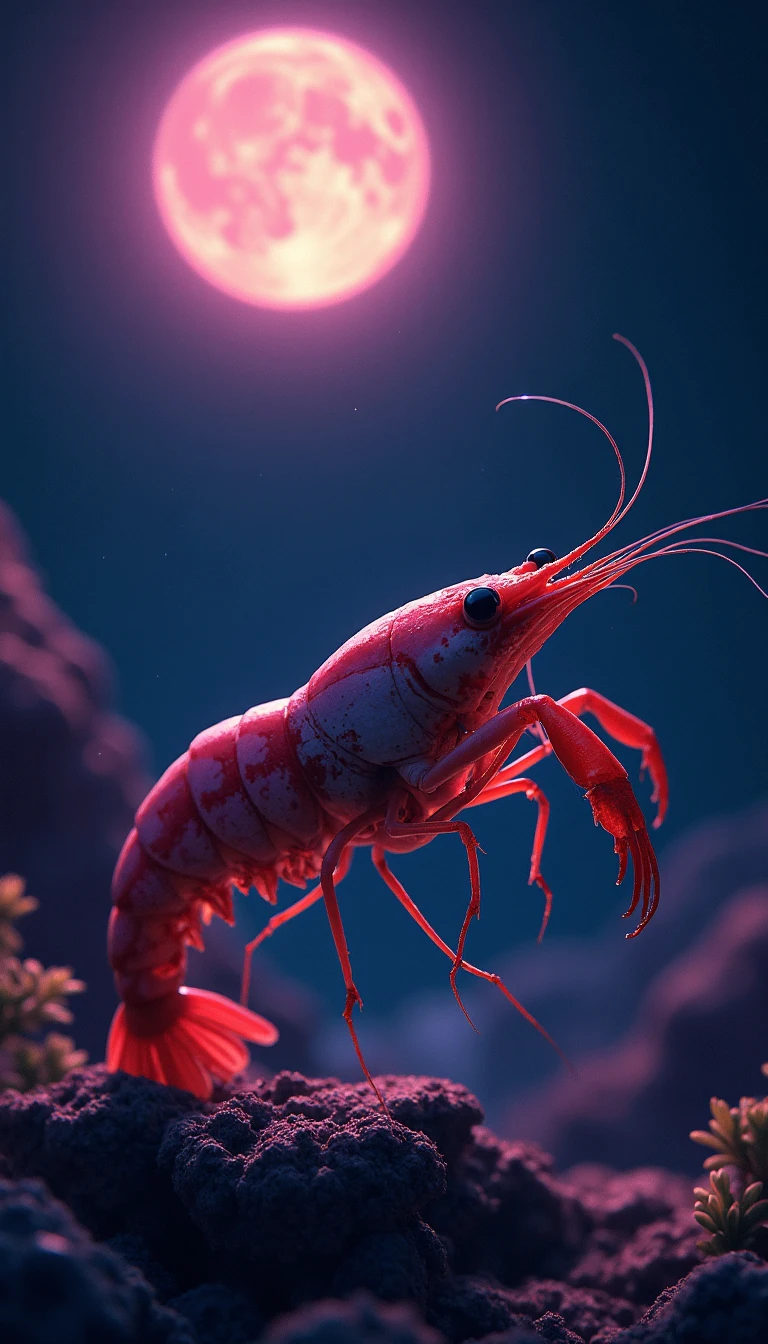 The humble brown shrimp's population is strangely linked to the sun's activity cyclesCrangon crangon, the common brown shrimp, is a master of disguise that spends its days buried in the sand. Beyond its culinary fame in Europe, this small crustacean exhibits a biz…
 The crested caracara is a tropical falcon that walks like a vultureThis bulky, medium-sized raptor defies easy categorization. While it is technically a falcon, it possesses the sharp beak and talons of a hawk, yet spends much of its time walking…
- Why do these penguins lay two eggs only to discard the first one?The erect-crested penguin is a mysterious seabird that exhibits a strange reproductive habit: it lays two eggs, but the first is almost always lost or intentionally discarded. Des…
- The Ginsu shark was a Cretaceous apex predator that could slice through marine giants.Long before the great white shark dominated the oceans, the Cretoxyrhina ruled the Late Cretaceous seas. Reaching lengths of up to 8 meters, this formidable predator earned its ni…
- The world's rarest great ape is a master of survival in the shadowsThe Cross River gorilla is the most endangered of all African apes, with fewer than 250 mature individuals remaining in the wild. Isolated in the rugged hills of the Nigeria-Camer…
- The bird with a twisted beak that unlocks the secrets of the forestThe Red Crossbill possesses a uniquely crossed bill, a specialized tool evolved to pry open conifer cones that remain sealed to other birds. This finch is a nomadic specialist, of…
 The world's largest pigeons are turkey-sized birds with elaborate, fan-shaped head crestsNative to New Guinea, the four species of the genus Goura are the giants of the pigeon family. These striking, blue-gray birds forage on the forest floor, displaying unique courts…