 Intellect Plus
Nature
11,198 cards. Each one is a 40-second story with a five-minute read behind it. Page 86 of 187.
Subtopics: Ageing · Air · Animal behaviour · Animal breeds and hybrids · Animals · Arthropods · Atmosphere · Big cats · Bilateria, others · Birds · Botany · Cnidarians · Conservation · Coral reefs · Deep sea · Deserts · Dinosaurs · Earth science · Earth science and physical geography · Earth science basics · Earthquakes & tsunamis · Echinoderms · Ecology · Ecosystems · Endangered species · Extinct animals · Farming · Fish · Forests · Fungi · General classifications · Geology · Geomorphology · How Long Can It Live? · Ice · Individual animals · Insects · Lightning · Longevity · Mammals · Marsupials · Migration · Mollusks · Ocean · Organisms · Parasites · Physical geography · Plants · Porifera · Predators · Primates · Rainforest · Reptiles & amphibians · Researched · Sharks & rays · Spiders & arachnids · Symbiosis · Trees · UK & Ireland: nature · Vertebrates · Vision · Volcanoes · Water · Waves · Weather · Whales & dolphins · Zoology
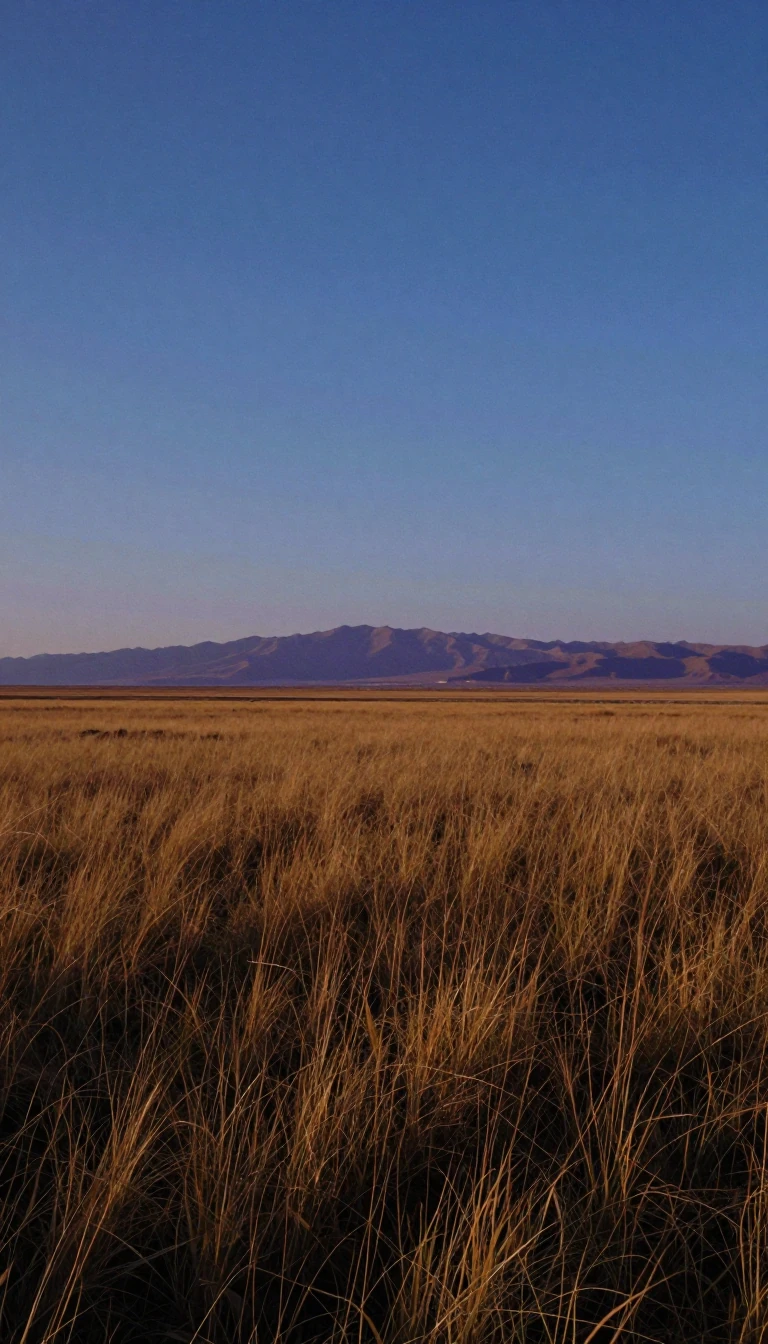 Why elevation is not the only factor defining upland and lowland river habitatsWhile we often categorize landscapes by height above sea level, the true distinction between upland and lowland lies in the physics of the water itself. It is not just about altit…
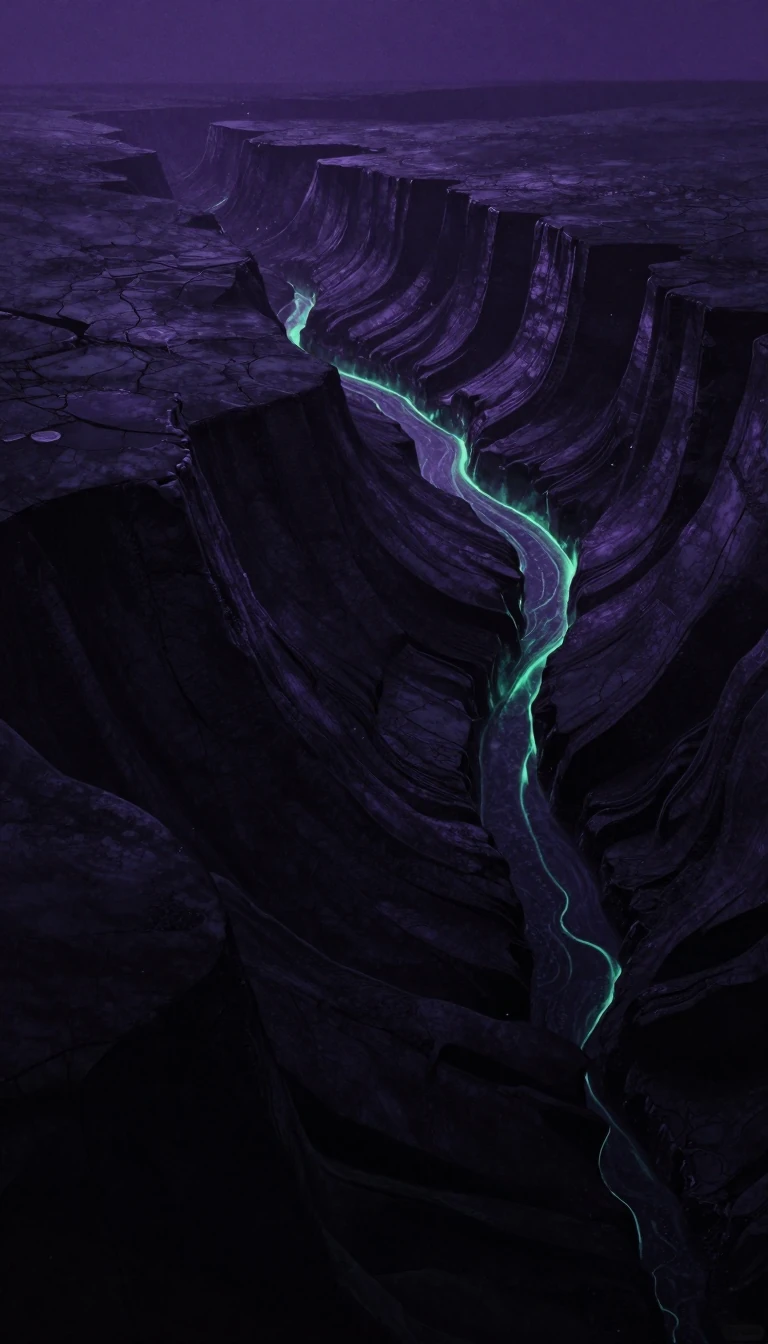 The upper mantle is a vast, malleable engine driving the movement of our continents.Beneath the thin crust of our planet lies a massive, hot layer of rock that behaves like a fluid over geological time. This upper mantle is the primary engine of plate tectonics, …
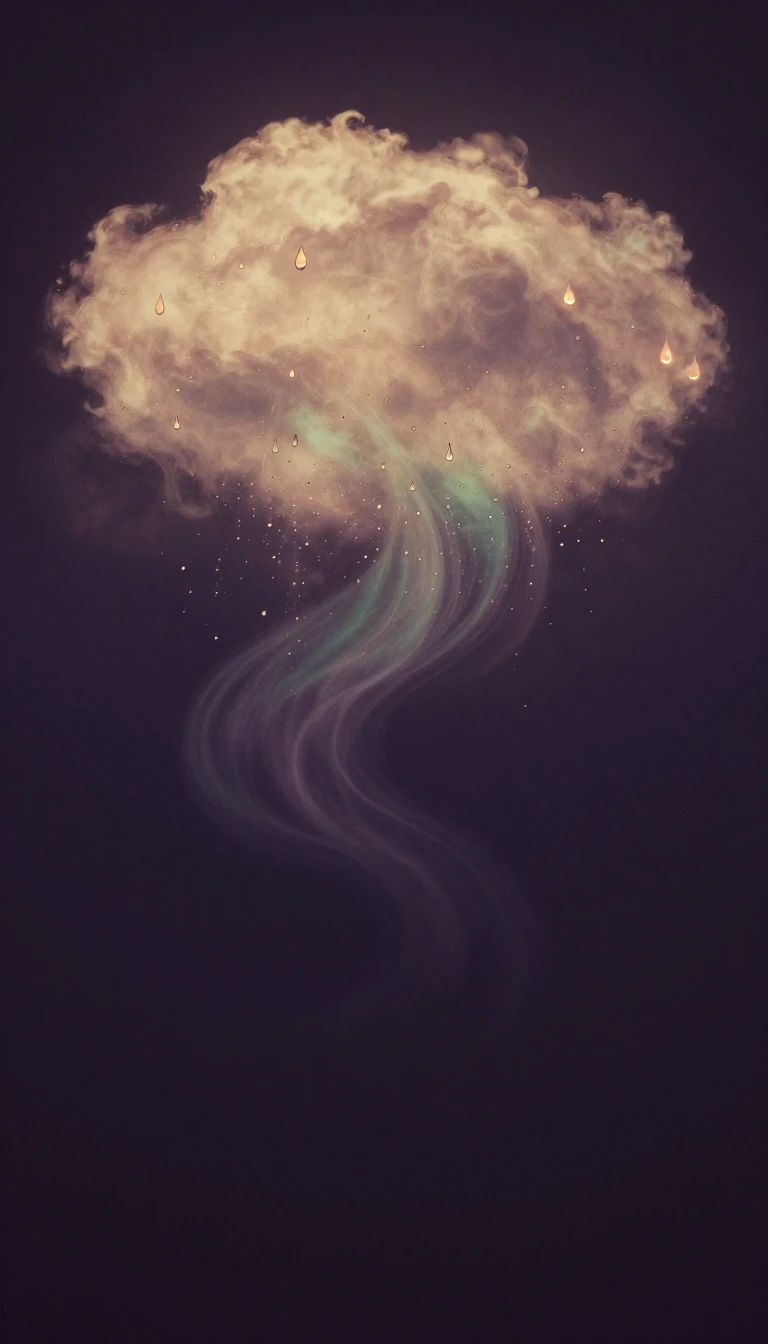 Why the ocean's most fertile fishing grounds depend on rising deep-sea waterUpwelling is a vital oceanographic process where cold, nutrient-dense water rises from the depths to replace surface water pushed away by winds. This natural fertilization fuels m…
 Uraninite is the dense, radioactive mineral that changed the course of modern historyThis black, greasy-looking rock is the primary source of uranium. Beyond its role in powering nuclear energy, uraninite served as the essential material for early scientific break…
 How geochemists use radioactive decay to pin down the age of our planetUranium-lead dating is the gold standard for measuring geological time. By tracking the decay of uranium into lead within resilient minerals like zircon, scientists can date rocks…
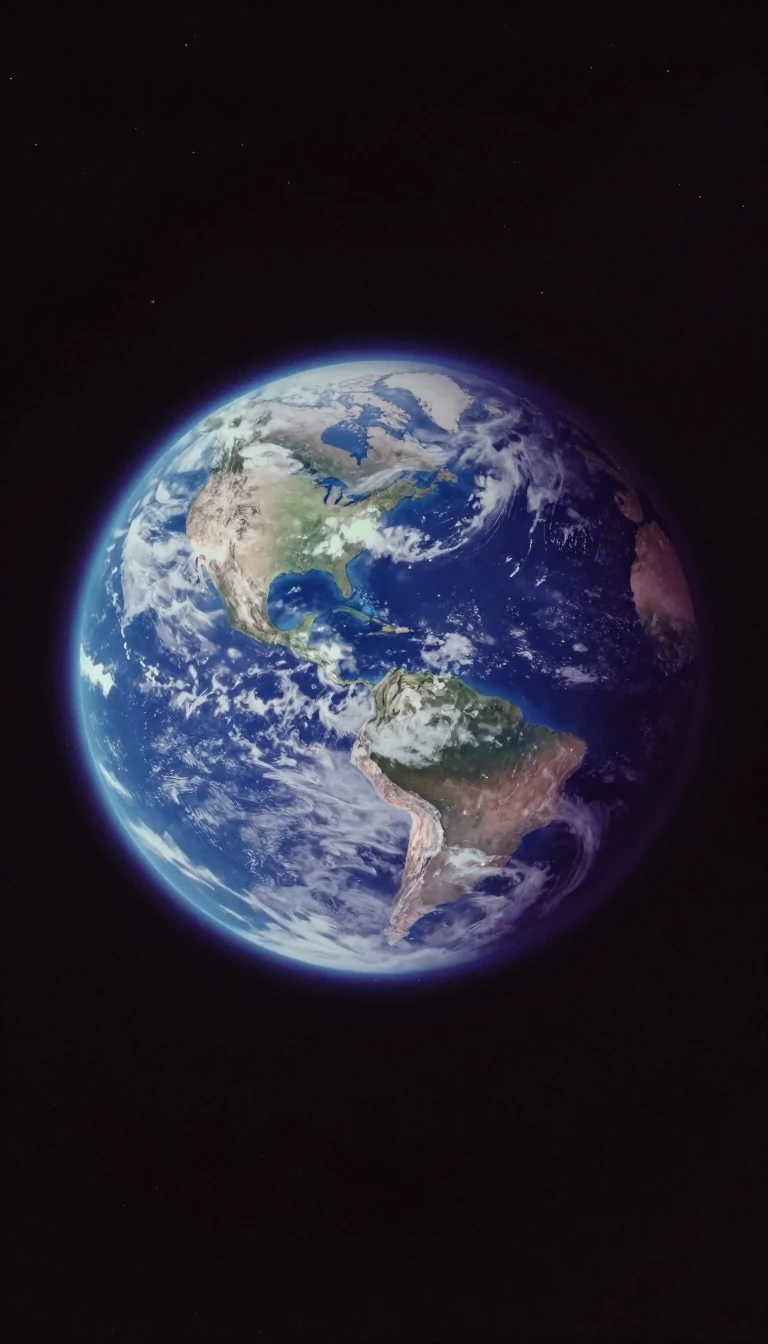 Earth is surrounded by donut-shaped zones of radiation that can change their shape.Discovered in 1958, the Van Allen belts are giant, magnetically trapped swaths of energetic particles circling our planet. While once thought to be two stable zones, modern probes…
 Veins are the earth's internal plumbing, recording the history of stress and fluid flow.Deep beneath the surface, rocks fracture and heal, leaving behind sheetlike mineral deposits known as veins. These structures are more than just pretty crystals; they act as geolo…
 This humble mineral expands like a worm when heated to become a global powerhouse.Named for the Latin word for breeding worms, vermiculite is a unique clay mineral that undergoes dramatic expansion when heated. From insulating molten steel to helping your garde…
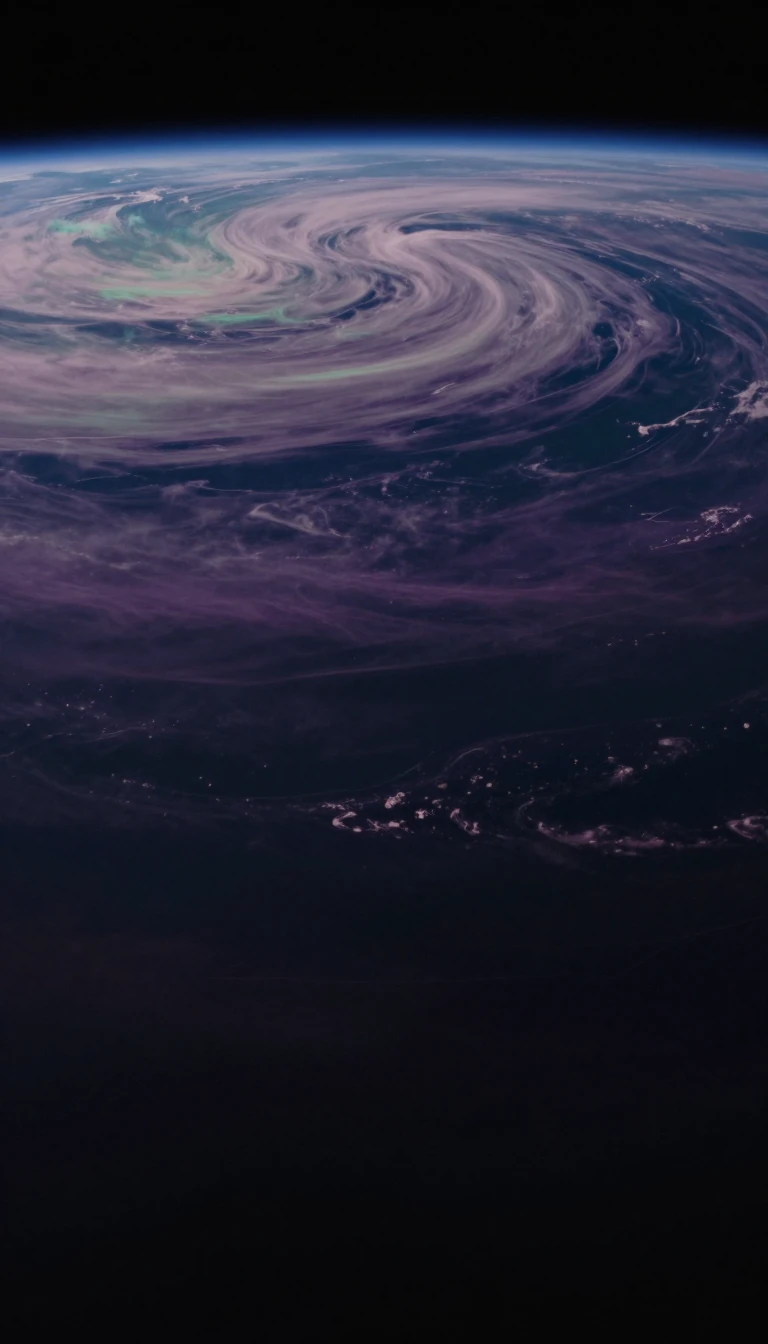 Why the atmosphere is constantly churning through invisible, powerful vertical currents of airVertical drafts are the engine of our weather, driven by the simple physics of buoyancy. When warm air rises or cool air sinks, they create the updrafts and downdrafts that build …
 Volatiles are the hidden engines driving both planetary atmospheres and explosive volcanic eruptionsWhether shaping the icy depths of distant gas giants or triggering violent volcanic blasts on Earth, volatiles are substances that vaporize with ease. These chemical compounds, ra…
- Why volcanic cones are nature's most enduring and varied architectural marvelsVolcanic cones are far more than simple piles of debris. From the taffy-like spatter of Hawaiian fountains to the explosive, water-driven ash of tuff cones, these structures take …
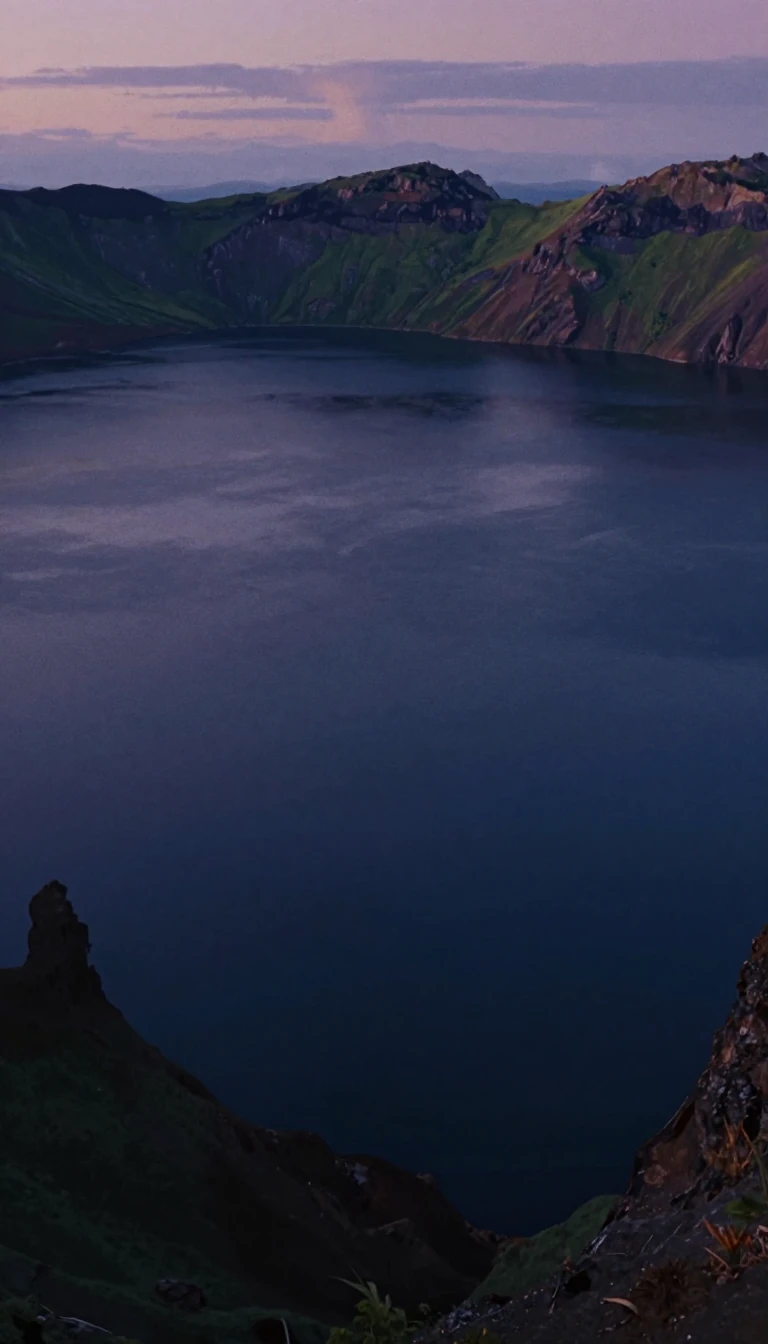 Volcanic crater lakes are geological time bombs that can hold record-breaking depths of water.Formed by explosive eruptions or the collapse of volcanic peaks, crater lakes are more than just scenic basins. They are dynamic, often unstable systems where hydrothermal fluids,…
 Why volcanic glass is a fleeting masterpiece in the history of our planetVolcanic glass is a geological anomaly. Formed when molten lava cools too rapidly to crystallize, it exists in a state of suspended animation. Yet, this beauty is inherently unsta…
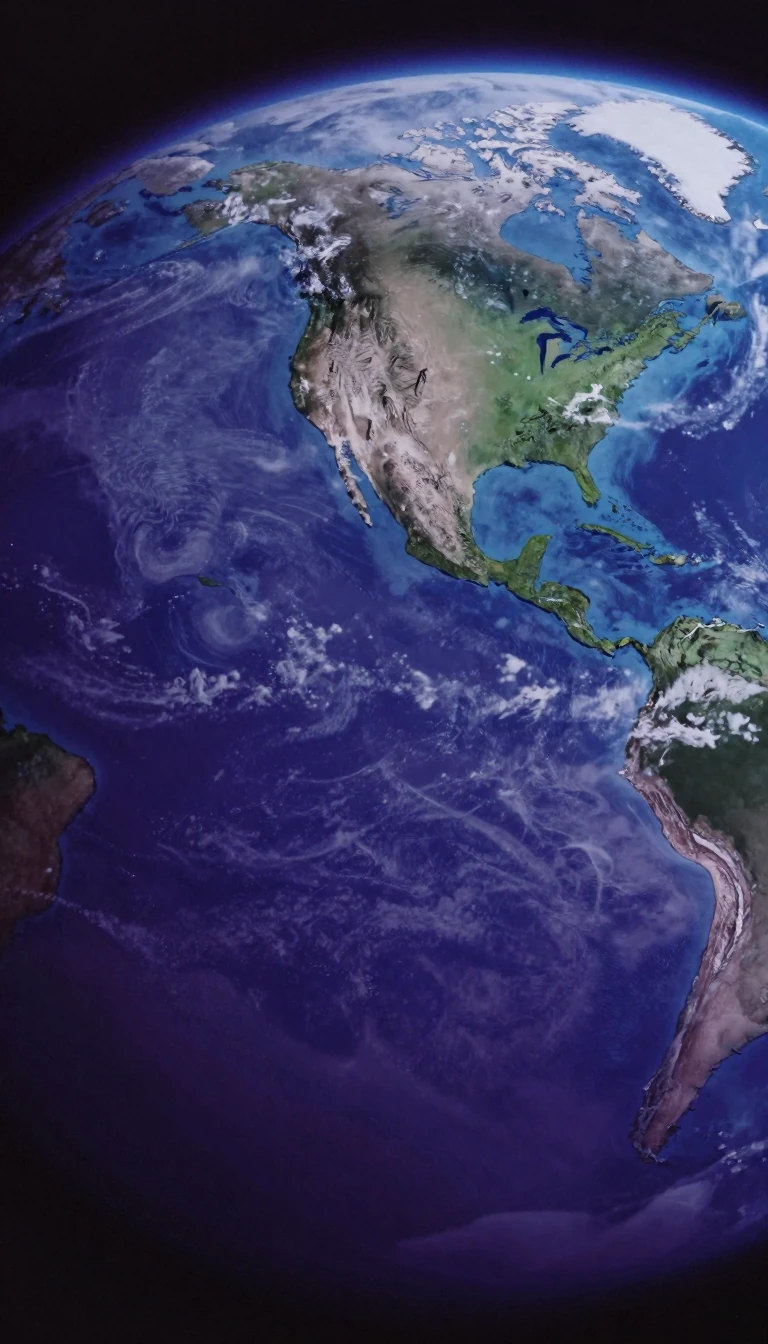 Why volcanic islands are the ultimate geological paradox of the deep oceanRising from the abyss, volcanic islands are more than just peaks in the sea. These high islands, born from hotspots or subduction zones, offer the fresh water and rugged terrain n…
- When volcanoes die, they leave behind these towering, indestructible stone monumentsA volcanic plug is the hardened core of a volcano, left behind when softer surrounding rock erodes away. These geological remnants can act like corks in a bottle, trapping gas and…
- Volcanic rocks are not just lava, but a complex record of Earth's internal history.Volcanic rocks are more than hardened lava; they are intricate, multi-stage structures formed by cooling magma. From the glassy surface of obsidian to the gas-trapped voids of pum…
 A wadi is a desert riverbed that remains dry until a sudden flash floodMost wadis are ephemeral, lying dormant across desert landscapes until heavy, infrequent rainfall transforms them into rushing torrents. These river valleys are essential lifeline…
 Why your glass of water is a complex chemical equilibrium, not just H2OWater quality is rarely a simple binary of clean or dirty. It is a dynamic state defined by intended use, local geology, and human activity. From the moment a sample is collected,…
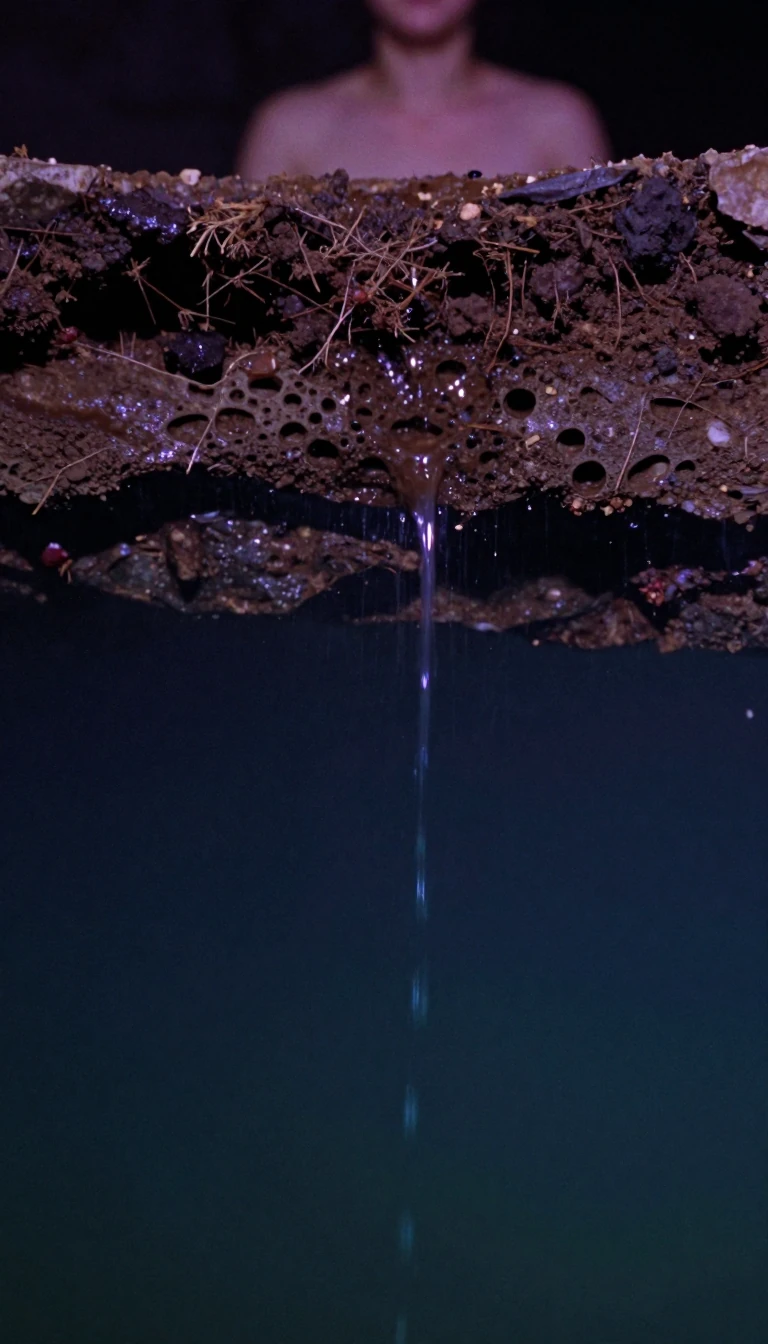 The water table is a dynamic, shifting boundary beneath your feet, not a static pool.Beneath the surface lies a complex, moving reservoir that dictates everything from crop yields to construction feasibility. Far from a simple underground lake, the water table is …
 A waterspout does not suck up water, but it can still be dangerousContrary to popular belief, these swirling columns of air do not vacuum up the ocean. Instead, they are atmospheric vortices that form in two distinct ways: as intense tornadic sy…
 Why your backyard weather gauge probably won't make it into the national record booksTo track the atmosphere, meteorologists rely on a precise grid of sensors spaced roughly 40 kilometers apart. While personal weather stations are popular for hobbyists, they rarel…
- Why the Earth's mid-latitude winds act as a global steering system for weatherThe westerlies are powerful, prevailing winds that flow from west to east across the middle latitudes. Driven by the planet's rotation and temperature gradients, these currents ac…
 A massive, ancient sea once split North America into three distinct island continents.For 34 million years, the Western Interior Seaway carved through the heart of North America, connecting the Arctic Ocean to the Gulf of Mexico. This shallow, tropical waterway cre…
- Are whirlpools actually the ship-swallowing monsters of legend, or just misunderstood tidal currents?Whirlpools are often portrayed in literature and film as bottomless, ship-devouring abysses. While these rotating bodies of water can be dangerous to small craft, their true power…
 Why a whiteout can make the horizon vanish and leave you completely disorientedIn a true whiteout, the sky and landscape merge into a featureless void. This isn't just heavy snow; it is a total loss of visual reference that strips away your ability to naviga…
 The modern concept of wilderness often erases the people who shaped it for centuries.We imagine wilderness as pristine, untouched land, but this vision is a relatively recent invention. For most of history, humans lived within these spaces, actively shaping them t…
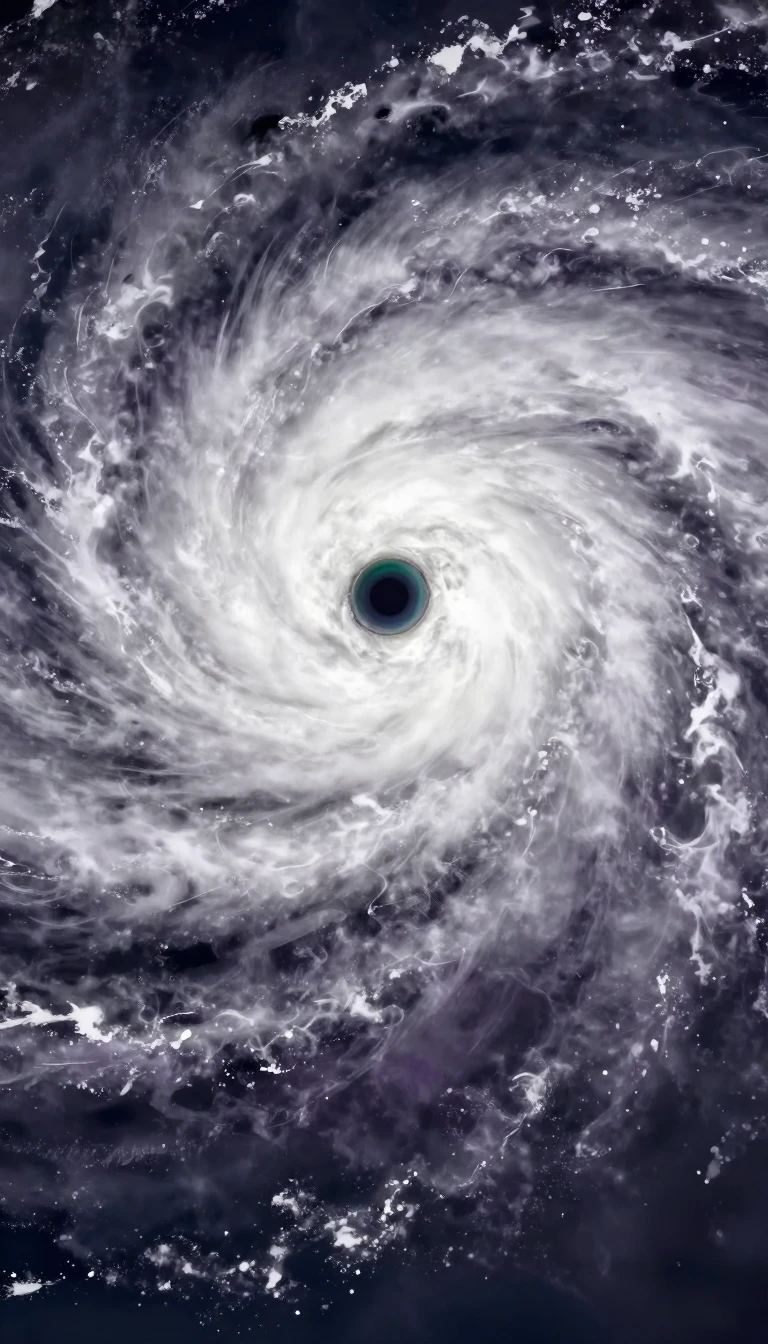 Wind shear is the invisible atmospheric force that can dismantle a massive hurricaneWind shear is a rapid change in wind velocity or direction over a short distance. While often associated with turbulence for aircraft, this atmospheric phenomenon acts as a critic…
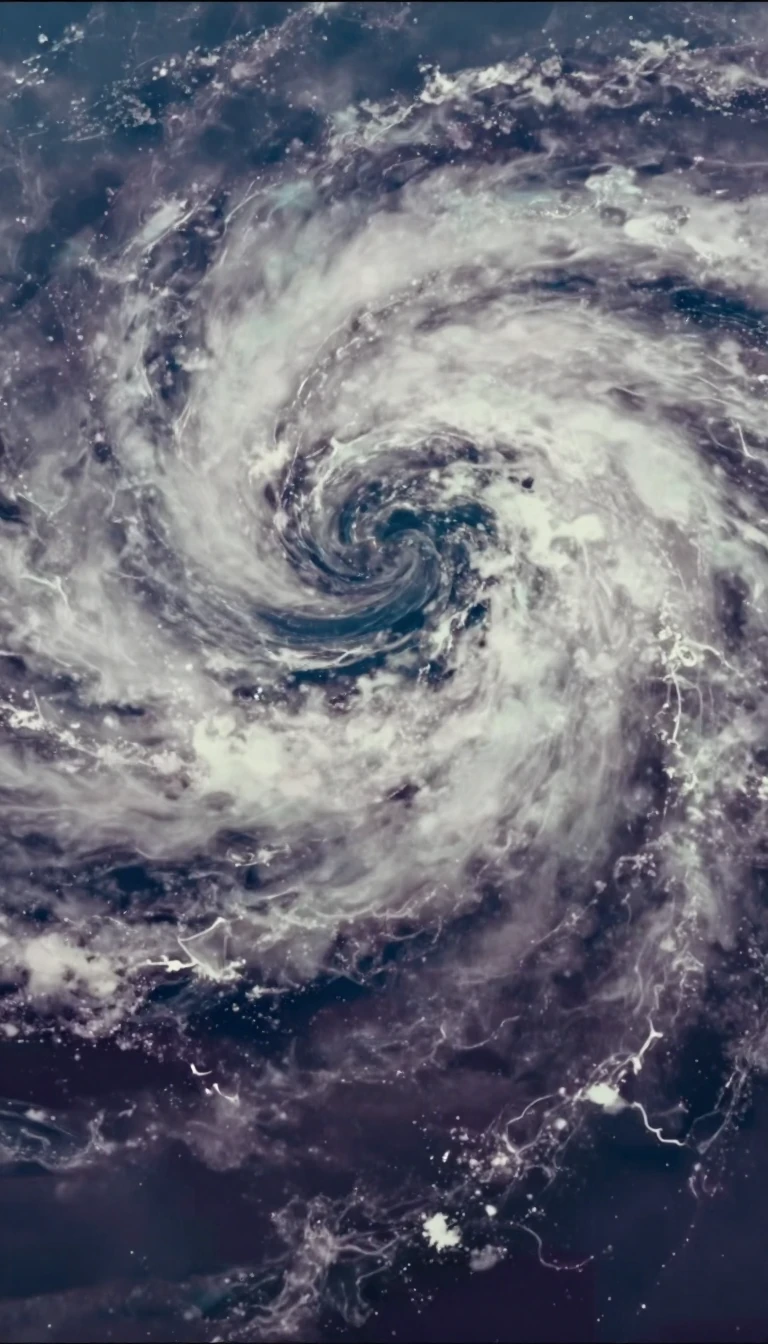 Why meteorologists name winter storms and how they decide which ones make the listNaming storms provides a consistent, authoritative message that helps the public stay safe during severe weather. While we often associate these systems with wind, they are freque…
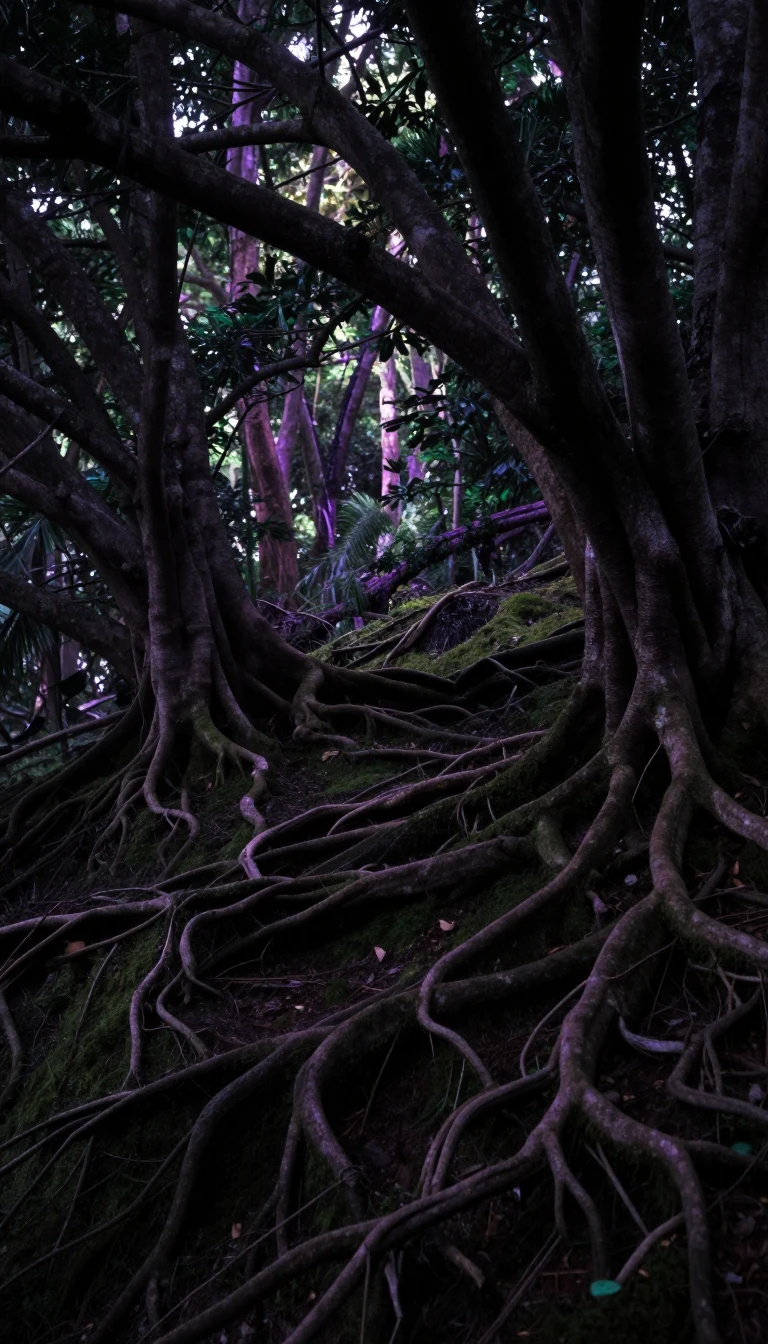 Why a woodland is not just a forest with fewer treesWhile forests are defined by their dense, light-blocking canopies, woodlands offer a sun-drenched middle ground between open savanna and deep forest. These unique ecosystems rely …
 Is the Yellowstone supervolcano finally running out of steam after millions of years?The Yellowstone hotspot has carved a path of massive eruptions across the American West for over 16 million years. As the North American tectonic plate drifts over this volcanic e…
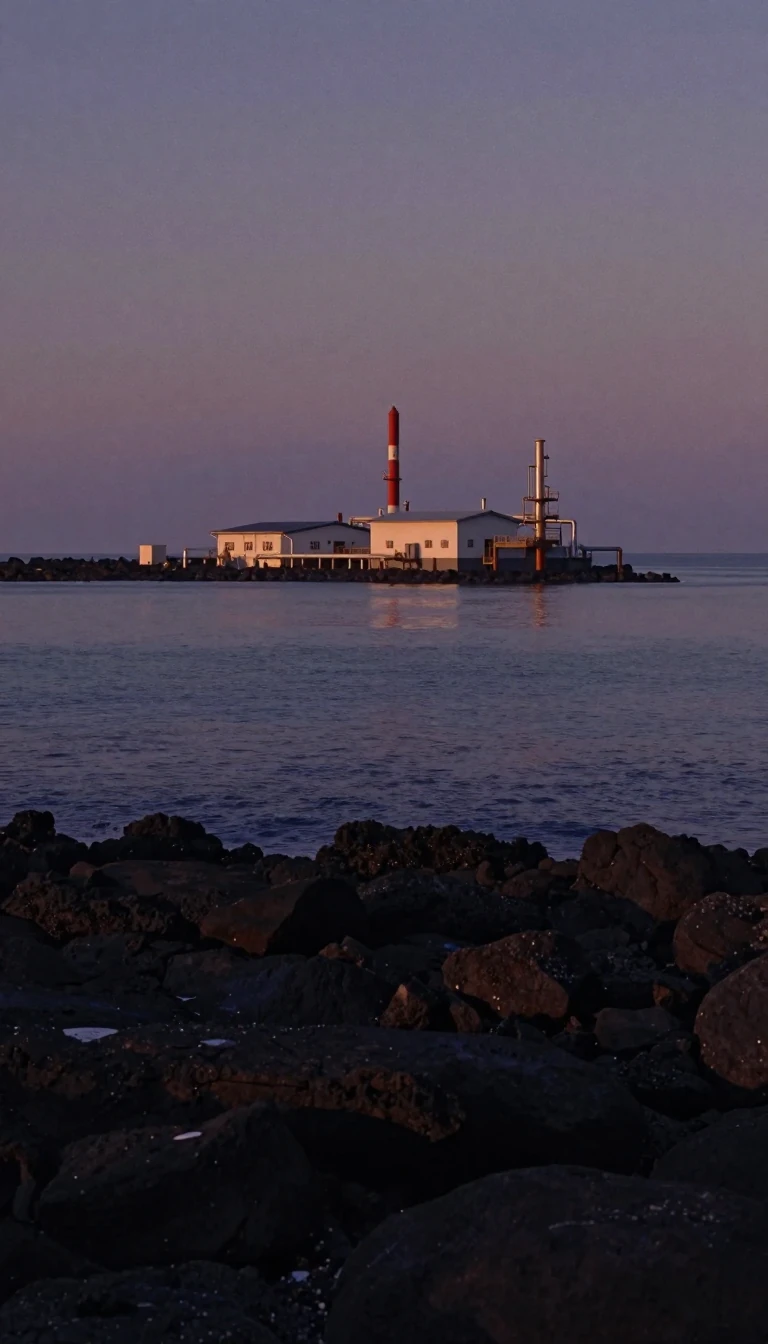 Boiling stones: how a porous mineral family cleans water and powers modern industryNamed for their ability to release steam when heated, zeolites are hydrated aluminosilicate minerals with a unique, rigid, microporous structure. Beyond their natural origins, the…
 Zircon is the oldest mineral on Earth, acting as a natural geological clock.Often confused with synthetic cubic zirconia, natural zircon is a complex, ancient gemstone. Found in Australia, some specimens date back 4.4 billion years, providing scientists w…
- Why the direction of global winds dictates the severity of our daily weatherThe atmosphere moves in two primary directions: zonal and meridional. While zonal flow keeps weather predictable and mild, meridional flow acts as a catalyst for extreme condition…
 A legendary hunter who traded his rifle for a camera to save India's wildlife.Edward James Corbett was a celebrated hunter of man-eating tigers and leopards, yet he spent his later years as a fervent conservationist. From the jungles of Kumaon to the Wester…
 How a journalist redefined a 'worthless swamp' as a vital river of grass.Marjory Stoneman Douglas spent her life as a skeptic and dissenter. At 79, she founded Friends of the Everglades to fight a jetport, becoming a relentless crusader for nature. Her…
 Did a universal ocean once cover the entire Earth, depositing all its rocks?Abraham Gottlob Werner, the father of German geology, believed so. His theory of Neptunism dominated early earth science, claiming a receding global ocean created the planet's cru…
 How one man used fossilized shells to rewrite the history of the EarthAlexandre Brongniart was a polymath who managed a world-famous porcelain factory while simultaneously revolutionizing geology. By tracking specific fossils across different rock l…
 How a Scottish geologist mapped the hidden history of the Earth's shifting surfaceArchibald Geikie transformed our understanding of landscape evolution by championing the power of erosion. From the Scottish Highlands to the canyons of the American West, he prov…
 How one geochemist calculated the Earth's age and saved millions from lead poisoningClair Patterson spent his career obsessing over tiny lead particles. By building the first clean room to date the Earth at 4.55 billion years, he discovered that industrial lead w…
- The man who touched the ocean floor and lived to tell the taleIn 1960, Don Walsh descended nearly seven miles to the Challenger Deep, the ocean's lowest point. While many assumed his life ended with that historic dive, Walsh spent the next s…
 How a French lawyer turned the dark, unknown underworld into a rigorous scientific disciplineBefore Édouard-Alfred Martel, caves were largely mysterious voids. A lawyer by trade, Martel spent his holidays descending into the earth, eventually recording 1,500 caves. He tra…
 Why a climatologist once described the fight against global warming as a Faustian bargainJames Hansen, a pioneer in climate modeling, identified a paradox: reducing atmospheric aerosols to improve public health could inadvertently accelerate global warming. By strippi…
 How a French botanist accidentally invented the modern geological map in 1746Jean-Étienne Guettard began his career studying plants, but his obsession with how soil types influenced vegetation led him to a groundbreaking discovery. By mapping the distribut…
 Can a climate scientist bridge the divide between evangelical faith and global warming?Katharine Hayhoe, a distinguished atmospheric scientist and evangelical Christian, has become a leading voice in climate communication. By framing environmental action through the…
- How a single graph of past temperatures became a lightning rod for climate controversy.In 1999, climatologist Michael E. Mann helped produce a reconstruction of Northern Hemisphere temperatures over the past millennium. Its distinct shape earned it the nickname the …
 How a humble French teacher transformed our understanding of the Earth's volcanic historyBorn into humble circumstances, Nicolas Desmarest rose to become a pioneering geologist who fundamentally changed how we view the landscape. By walking across Europe and meticulou…
 The Scottish soldier who mapped the world and became the self-styled King of Siluria.Roderick Murchison began his career as a young ensign in the Peninsular War, but he eventually traded his sword for a geologist's hammer. He became a titan of Victorian science, d…
 The father of American geography who shaped our view of the changing EarthWilliam Morris Davis transformed how we understand landscapes, proposing that rivers and valleys evolve through an orderly cycle of erosion. Yet, his legacy is complex, marked by …
 How a self-taught canal surveyor mapped the hidden skeleton of an entire nationWilliam Smith was a humble surveyor who realized that rock layers could be identified by the fossils they contained. By applying this principle of faunal succession, he created th…
- How a Russian-German scientist mapped the world's climate using plants and balloonsWladimir Köppen transformed meteorology by linking global vegetation to temperature zones. From studying ship winds to pioneering upper-atmosphere research with balloons, his clas…
 Why the world's most successful animals are hiding right under your feetMinibeasts, or invertebrates, make up 96% of all animal life on Earth. These creatures have thrived for 550 million years, predating even the dinosaurs. Whether you are exploring …
- Hidden in acidic peat swamps, tiny fish are evolving in ways we barely understand.Deep within the peat swamps of Southeast Asia, researchers have discovered bizarre fish species that thrive in environments once considered lifeless. These creatures have adapted …
- The tragic loss of the baiji, the world’s first modern cetacean to go extinct.The baiji, a unique river dolphin found only in China’s Yangtze River, was the sole member of its entire mammal family. More than two decades have passed since the last confirmed …
 Atlantic sturgeon are finally breaking their silence with thunderous underwater breeding callsAtlantic sturgeon, prehistoric giants that swam alongside dinosaurs, have long remained elusive to researchers. Now, scientists have discovered these endangered fish produce low-f…
 Why that mysterious rustle in your backyard is likely a nocturnal scavengerWhen night falls, the rustling sounds in your garden often belong to the raccoon, a highly adaptable mammal found from the Americas to Asia. While they lumber like bears, these cl…
- Beyond the Gantry: The Hidden Female Labor Behind the Titanic's Opulent ConstructionWhile history remembers the Titanic as a marvel of engineering, the reality of its creation was rooted in the grueling labor of the era. For many women in the early 1900s, employm…
 The world's tallest volcanic stack is a fortress for an insect thought long dead.Rising 572 metres from the Pacific, Ball's Pyramid is a jagged, uninhabited basalt remnant of an ancient shield volcano. Beyond its geological status, this remote spire serves as …
 How the Indian monsoon transforms from a seasonal wind into a life-giving forceThe Indian monsoon is more than just a rainy season; it is a complex atmospheric engine. Driven by massive temperature shifts and high-altitude jet streams, this seasonal cycle su…
 A tiny, critically endangered snail survives in just one corner of a remote island.Suter's striped glass-snail, a rare mollusc endemic to Norfolk Island, was once thought to be several different species. Today, this ground-dwelling creature clings to existence i…
 The bee hummingbird is the smallest living bird and a master of aerial agility.Weighing roughly two grams and measuring just over five centimeters, the bee hummingbird is the smallest warm-blooded vertebrate on Earth. This tiny Cuban native possesses unique …