 Intellect Plus
Nature
11,198 cards. Each one is a 40-second story with a five-minute read behind it. Page 85 of 187.
Subtopics: Ageing · Air · Animal behaviour · Animal breeds and hybrids · Animals · Arthropods · Atmosphere · Big cats · Bilateria, others · Birds · Botany · Cnidarians · Conservation · Coral reefs · Deep sea · Deserts · Dinosaurs · Earth science · Earth science and physical geography · Earth science basics · Earthquakes & tsunamis · Echinoderms · Ecology · Ecosystems · Endangered species · Extinct animals · Farming · Fish · Forests · Fungi · General classifications · Geology · Geomorphology · How Long Can It Live? · Ice · Individual animals · Insects · Lightning · Longevity · Mammals · Marsupials · Migration · Mollusks · Ocean · Organisms · Parasites · Physical geography · Plants · Porifera · Predators · Primates · Rainforest · Reptiles & amphibians · Researched · Sharks & rays · Spiders & arachnids · Symbiosis · Trees · UK & Ireland: nature · Vertebrates · Vision · Volcanoes · Water · Waves · Weather · Whales & dolphins · Zoology
 The riverbed is not just a static floor but a dynamic, self-organizing geological machine.A streambed is a complex, shifting landscape shaped by the constant interplay of water velocity and sediment. From the armoring of gravel surfaces to the creation of meanders, the…
 Why rivers are changing: how warming and urbanization rewrite the flow of waterStreamflow is the lifeblood of our planet, moving water from land to oceans. Yet, this vital process is shifting under the weight of human activity and a warming climate. From urb…
 How geologists use two simple numbers to map the hidden structure of the EarthTo understand the history of the Earth, geologists must map the orientation of rock layers. They use two metrics: strike, the compass direction of a horizontal line on a plane, an…
 Why the Earth's deepest geological depressions hold the keys to our modern energy supplyStructural basins are massive, bowl-shaped rock formations created by tectonic warping. These geological depressions act as natural traps for vital resources, ranging from groundw…
 Why did Earth spend 57 million years trapped in a deep-freeze snowball state?Seven hundred million years ago, Earth was blanketed in ice from pole to equator. New research suggests this extreme climate was triggered by a perfect storm: a dramatic drop in v…
 Why the ground beneath our feet is sinking, from mining to shifting tectonic plates.Subsidence is the downward movement of the Earth's surface, a global phenomenon driven by both natural forces and human activity. From the extraction of groundwater and petroleum …
 Why sulfate minerals are the isolated islands of the earth's complex chemical landscapeSulfate minerals are defined by their rigid, isolated atomic structure. Unlike silicates that weave into complex chains or sheets, sulfates remain solitary tetrahedra. This fundam…
 Sulfur is the silent engine driving life, decay, and the chemistry of our planet.Sulfur is essential to all living matter, acting as a vital component of proteins and amino acids. Beyond biology, this element cycles through Earth's soil, water, and atmosphere,…
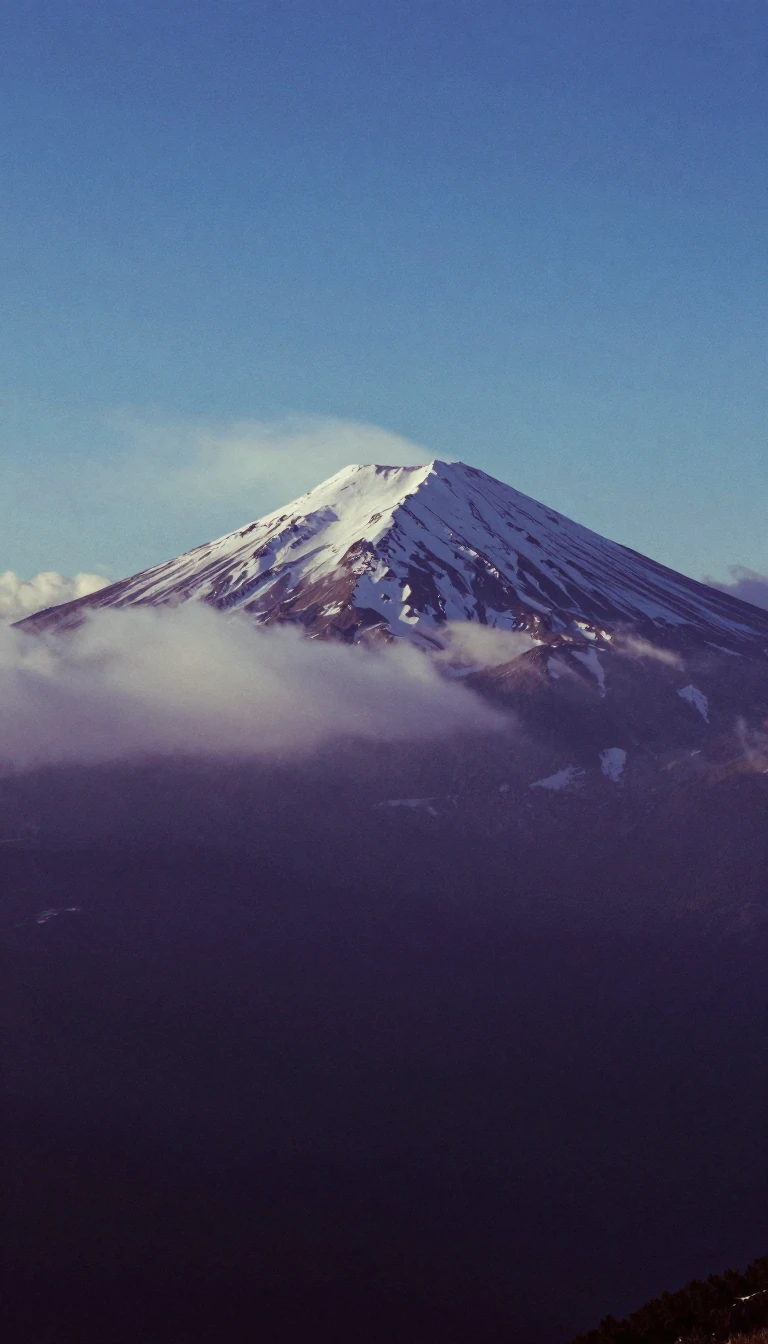 Why the definition of a mountain summit is surprisingly open to interpretationA summit is simply the highest point in its immediate vicinity, but classifying one is rarely straightforward. Whether a peak is a distinct mountain or merely a subpeak depends on…
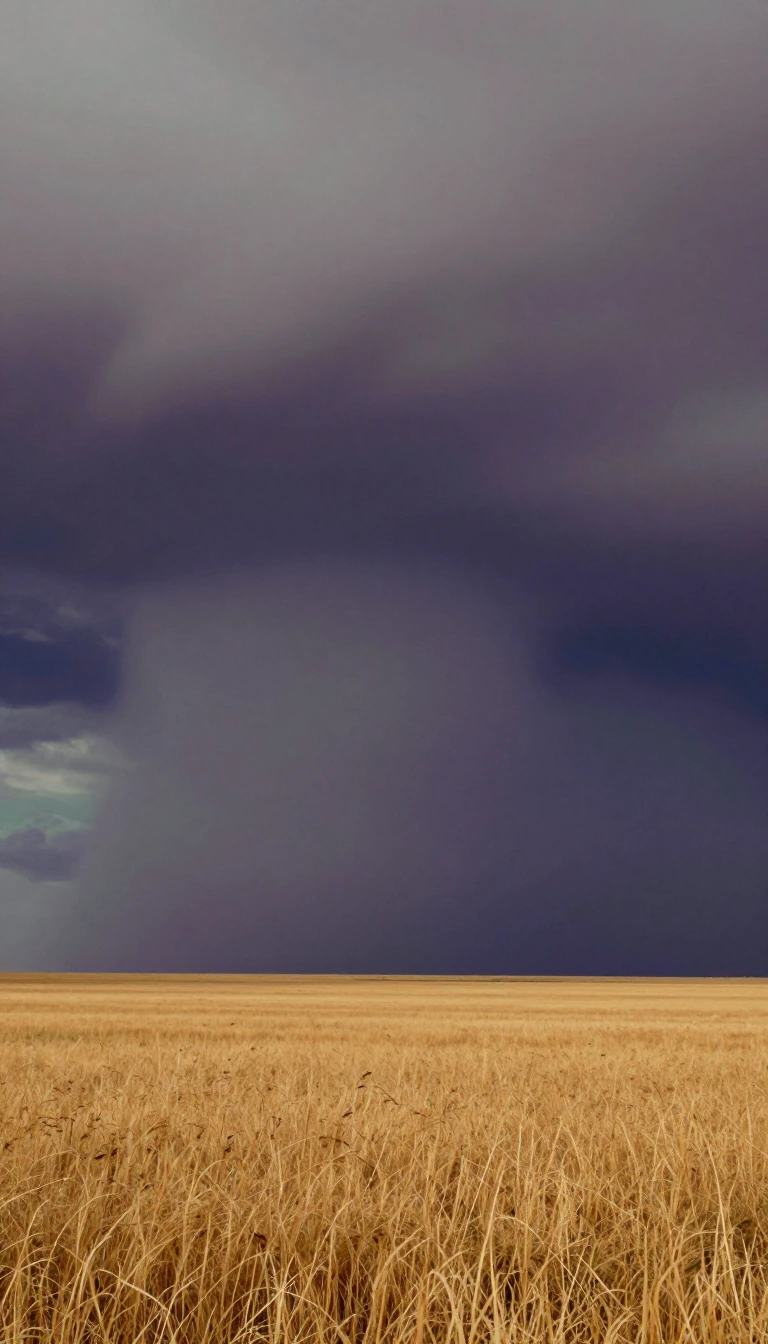 A supercell is a rotating thunderstorm capable of dominating weather for over thirty kilometers.While most thunderstorms are fleeting, supercells are quasi-steady-state machines that can persist for hours. Defined by a deep, rotating updraft known as a mesocyclone, these sto…
- How nineteenth-century telegraphy transformed our ability to track the world's shifting weather systemsBefore the telegraph, weather maps were drawn long after storms passed. Today, surface analyses integrate satellite, radar, and ground-based data to map atmospheric boundaries in …
 How a network of ground stations keeps the atmosphere under constant, precise surveillanceTo forecast weather, meteorologists rely on a vast, uniform grid of land-based sensors. These stations capture everything from air pressure to soil temperature, feeding a central …
 How rivers keep tons of earth afloat without ever touching the groundRivers are not just water; they are massive conveyor belts for earth. While heavy boulders roll along the bottom, finer particles like silt and clay are held aloft by the invisibl…
 Sylvite is the hidden key to the potassium that sustains all life on Earth.Potassium is essential for every plant and animal, yet it is notoriously difficult to extract from common rocks. We rely on sylvite, a rare evaporite mineral, to bridge this gap. …
 Why the Earth's crust ripples like a rug when continents collideWhen tectonic plates collide, the Earth does not just break; it bends. Synclines are the vast, trough-like folds in stratified rock that form when flat layers are warped by immens…
 How geologists use rock layers to define the history of our planetA system is not just a pile of rocks. It is a precise chronostratigraphic unit representing layers deposited during a specific geological period. By mapping these sequences, scien…
 Tantalite is the primary ore for tantalum, a metal defined by its chemical resilience.Tantalite is a dense, dark mineral that serves as the world's main source of tantalum. Often found alongside its chemical twin, niobium, this mineral is notoriously difficult to p…
 Found in only one place on Earth, tanzanite is rarer than the diamond.Tanzanite is a geological marvel, appearing in lush blues, vibrant violets, and rich purples depending on the angle of light. Unearthed near Mount Kilimanjaro in 1967, this rare v…
 Tectonites are geological archives that reveal how the Earth's crust flows under pressure.Deep within the Earth, rocks do not just break; they flow like thick syrup. Tectonites are metamorphic rocks that record this ductile deformation in their very fabric. By analyzin…
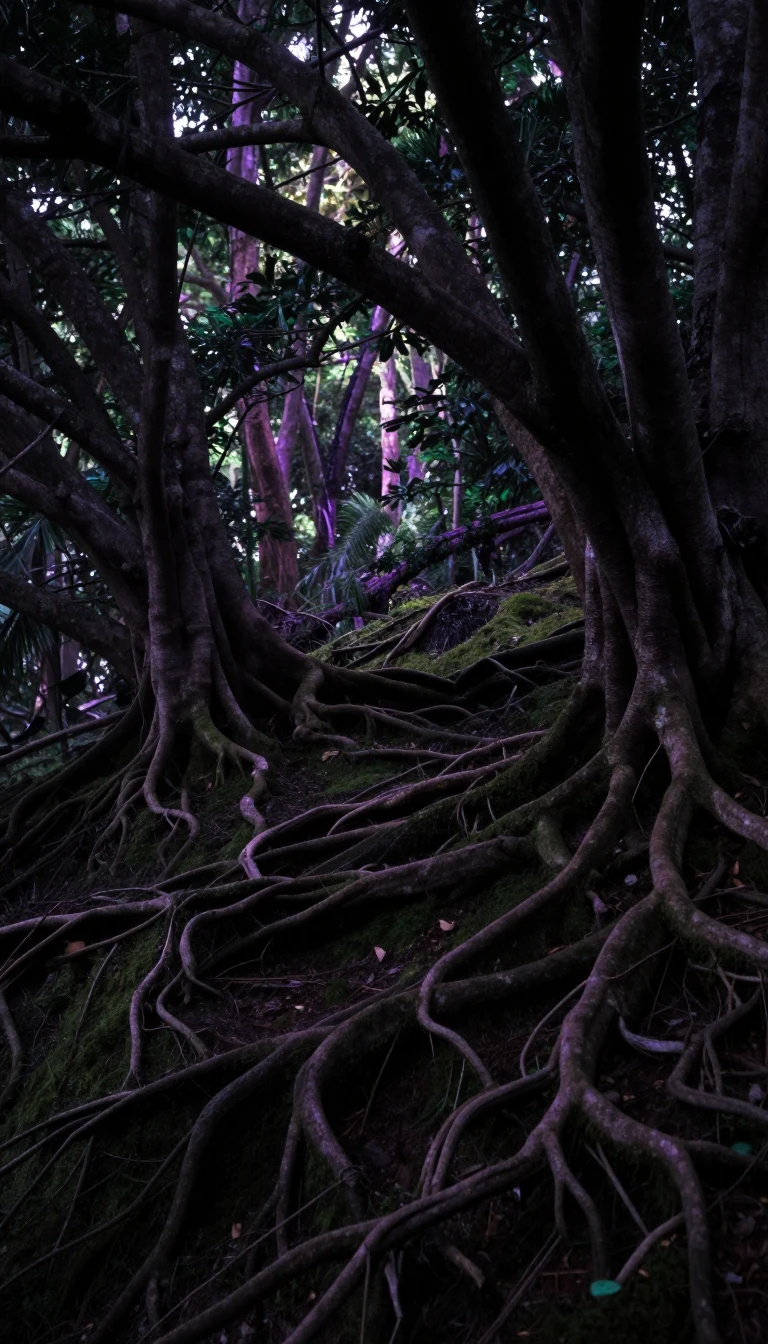 Why do temperate deciduous forests transform their appearance so dramatically every single year?Temperate deciduous forests are defined by their rhythmic, four-season cycle. As temperatures drop and daylight wanes, these ecosystems undergo a profound transformation, with tre…
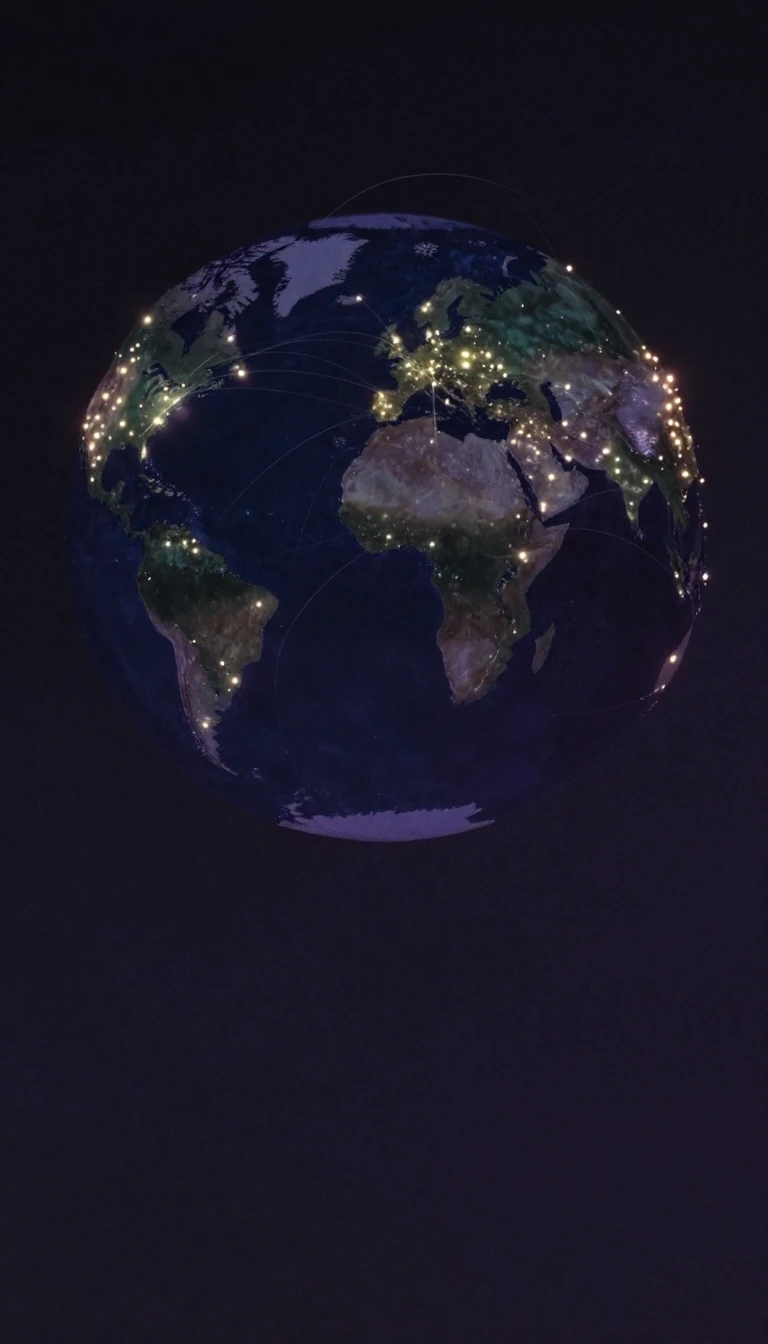 Temperate forests are resilient survivors of a 65-million-year climate cooling trendSpanning 10 million square kilometers, temperate forests are not just collections of trees but dynamic ecosystems shaped by deep history. From the Cenozoic Era to the modern day, …
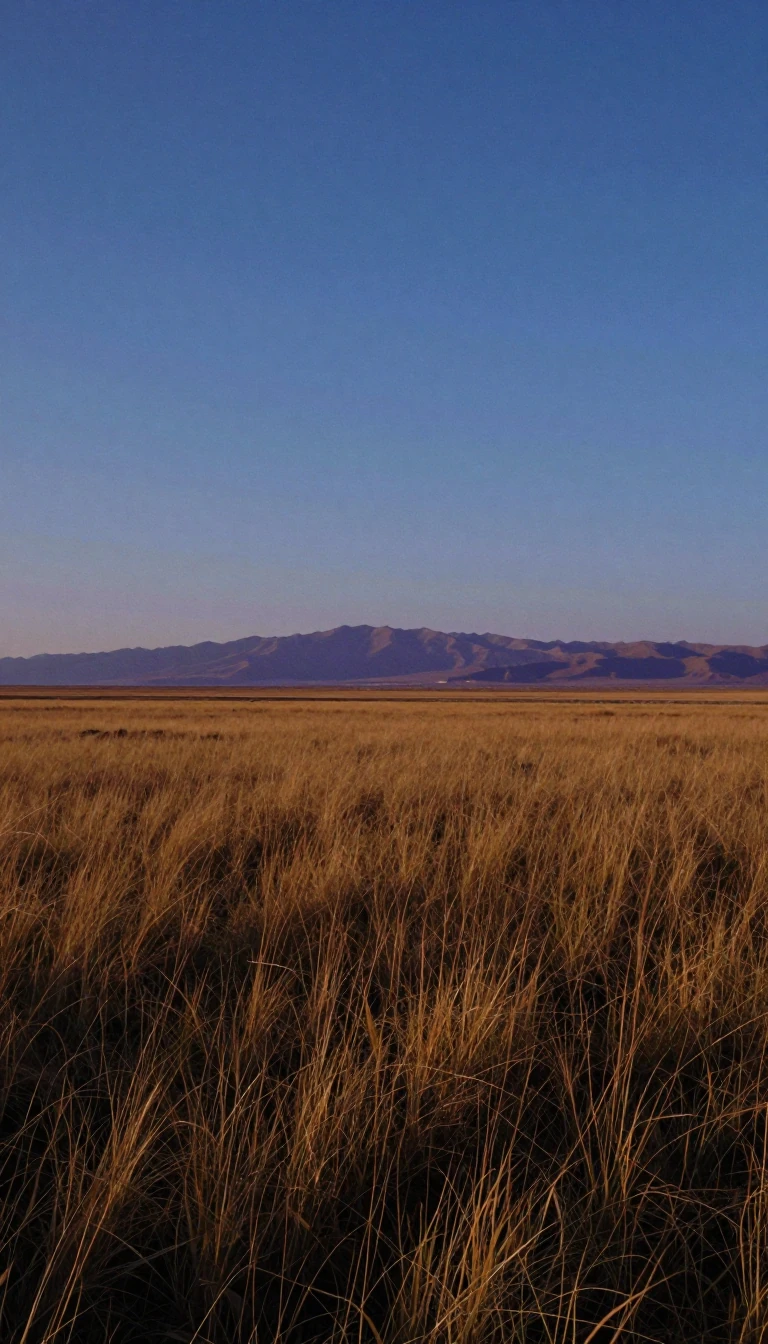 Why the world's most productive grain belts were once vast, wild, roaming frontiersTemperate grasslands, savannas, and shrublands are defined by their vast, tree-devoid expanses and temperate climates. Known globally as prairies, pampas, veld, or steppes, these …
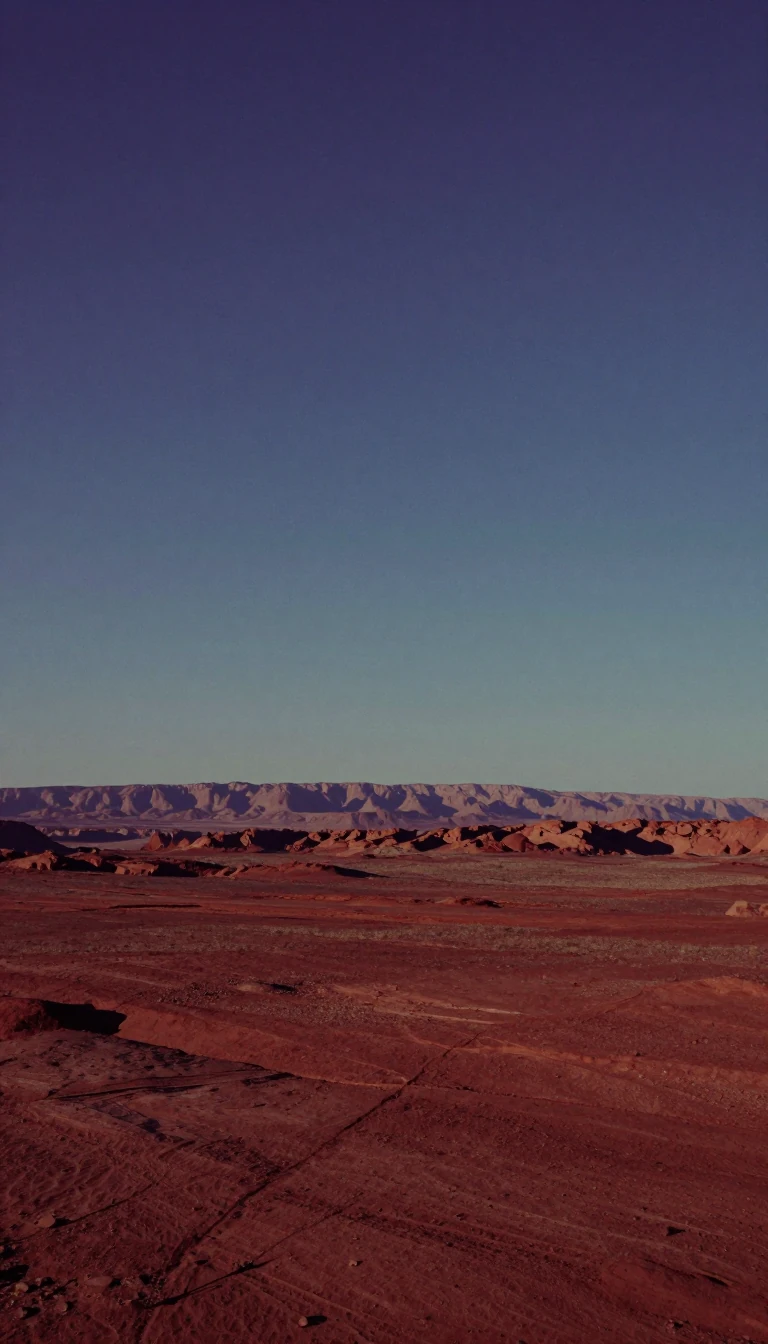 The colossal mountain belt that once defined the southern edge of the ancient worldSpanning 18,000 kilometers, the Terra Australis Orogen was one of the longest-lived active continental margins in Earth's history. This massive geological structure once traced th…
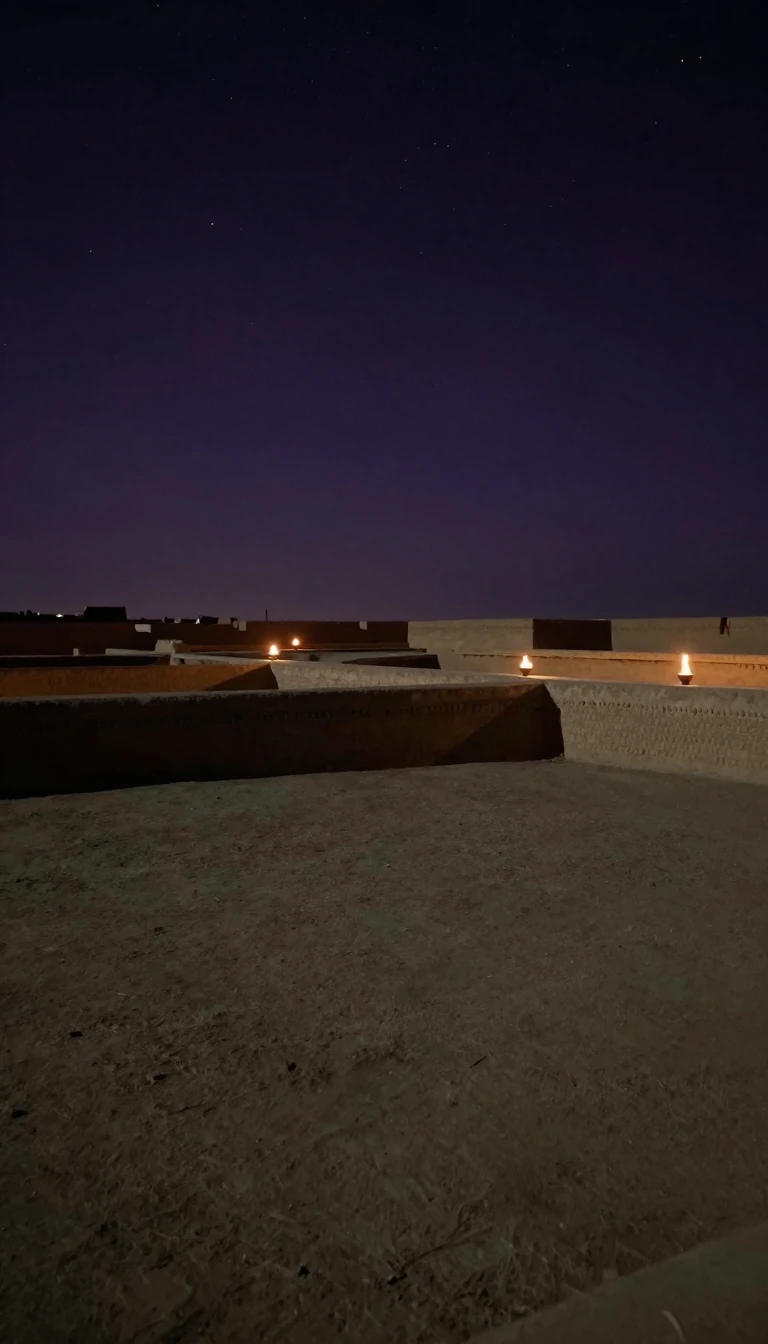 Nature builds stairs: how geological terraces record the history of our changing planetA terrace is more than a simple step in the landscape. Whether carved by ancient rivers, rising sea levels, or the slow creep of soil, these tiered landforms act as natural archiv…
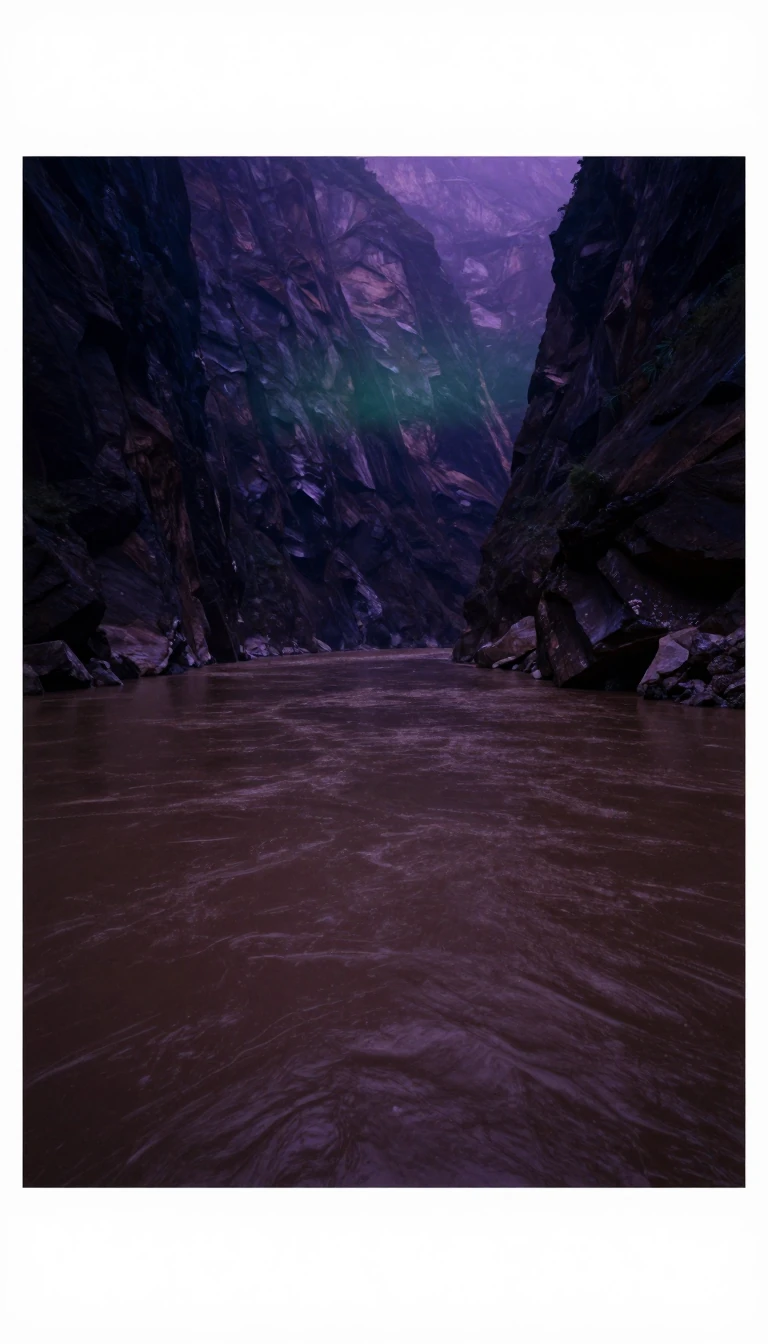 The invisible line at the bottom of a river that defines international borders.A thalweg is the deepest path through a watercourse, marking the natural route of the current. While geographers use it to map valleys, international law uses it to settle territo…
 Why the Moon and Sun are not the only architects of our shifting tidesFor centuries, thinkers blamed tides on breathing, spirits, or winds. Even Isaac Newton’s famous equilibrium theory, which correctly identified gravity as the driver, failed to ex…
- Rocks hold a secret clock that tracks how they cooled beneath our feetThermochronology uses the radioactive decay trapped inside minerals to reconstruct the thermal history of the Earth. By identifying the exact temperature at which a mineral stops …
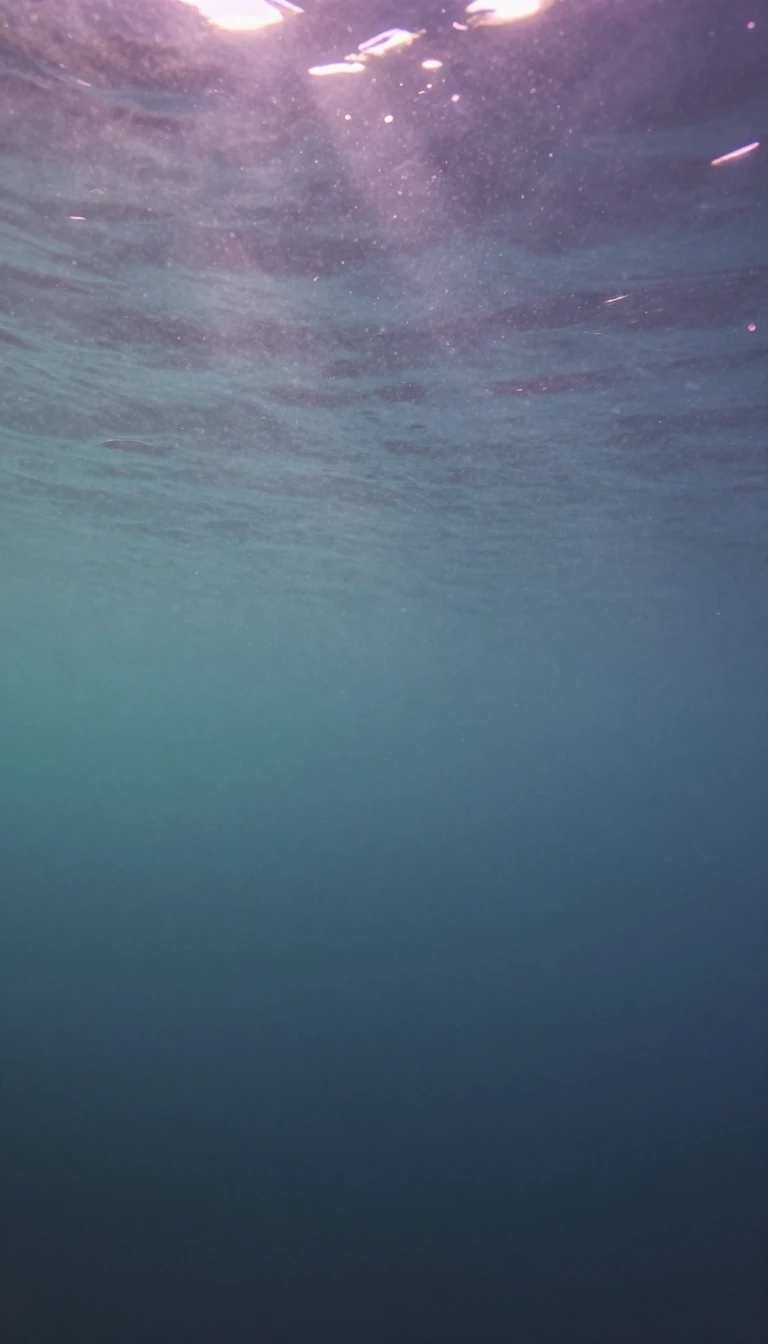 The invisible boundary in our oceans that can hide submarines and trap heatBeneath the surface of the ocean lies a hidden, shifting layer where temperatures drop rapidly. This thermocline acts as a physical barrier, influencing everything from the moveme…
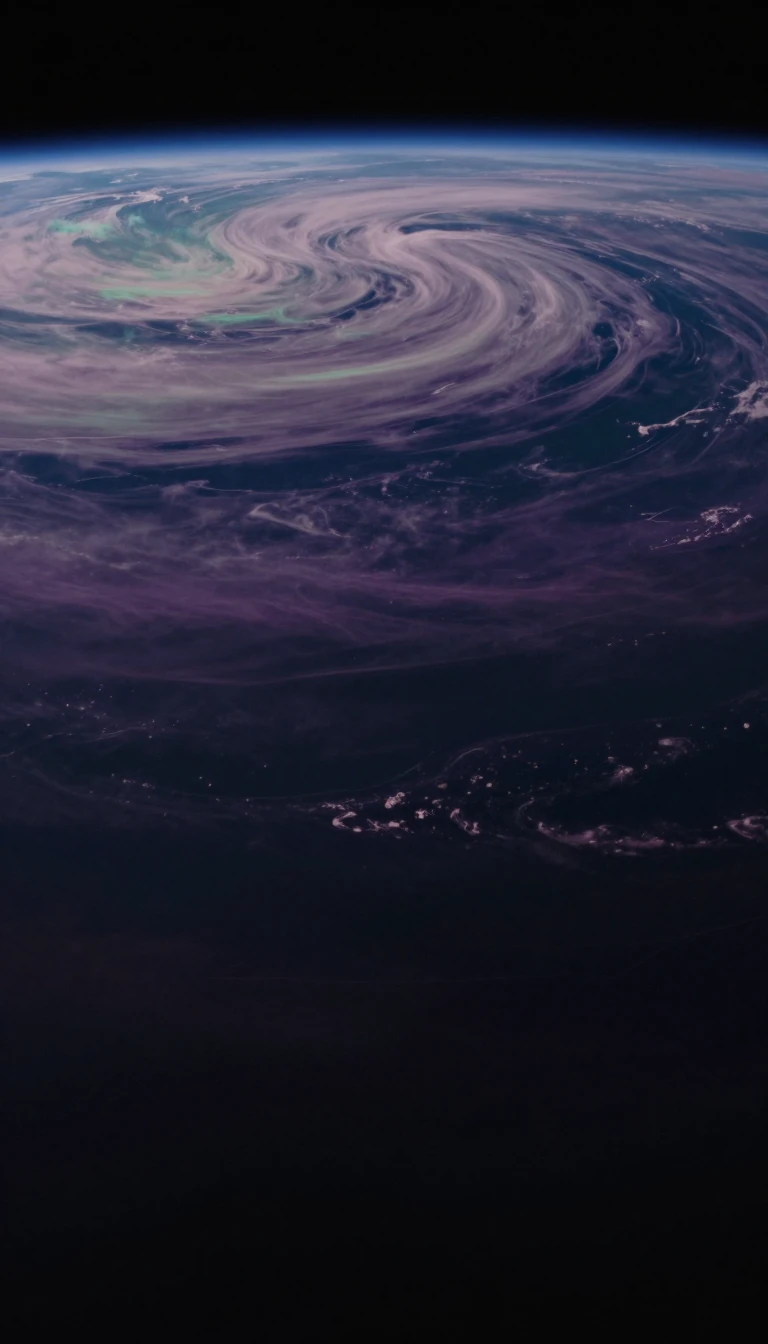 The thermosphere is a scorching, near-vacuum layer where satellites orbit and auroras ignite.High above the clouds, the thermosphere defies common sense. Despite temperatures that can soar to 2,000 degrees Celsius, the air is so thin that an object would feel freezing col…
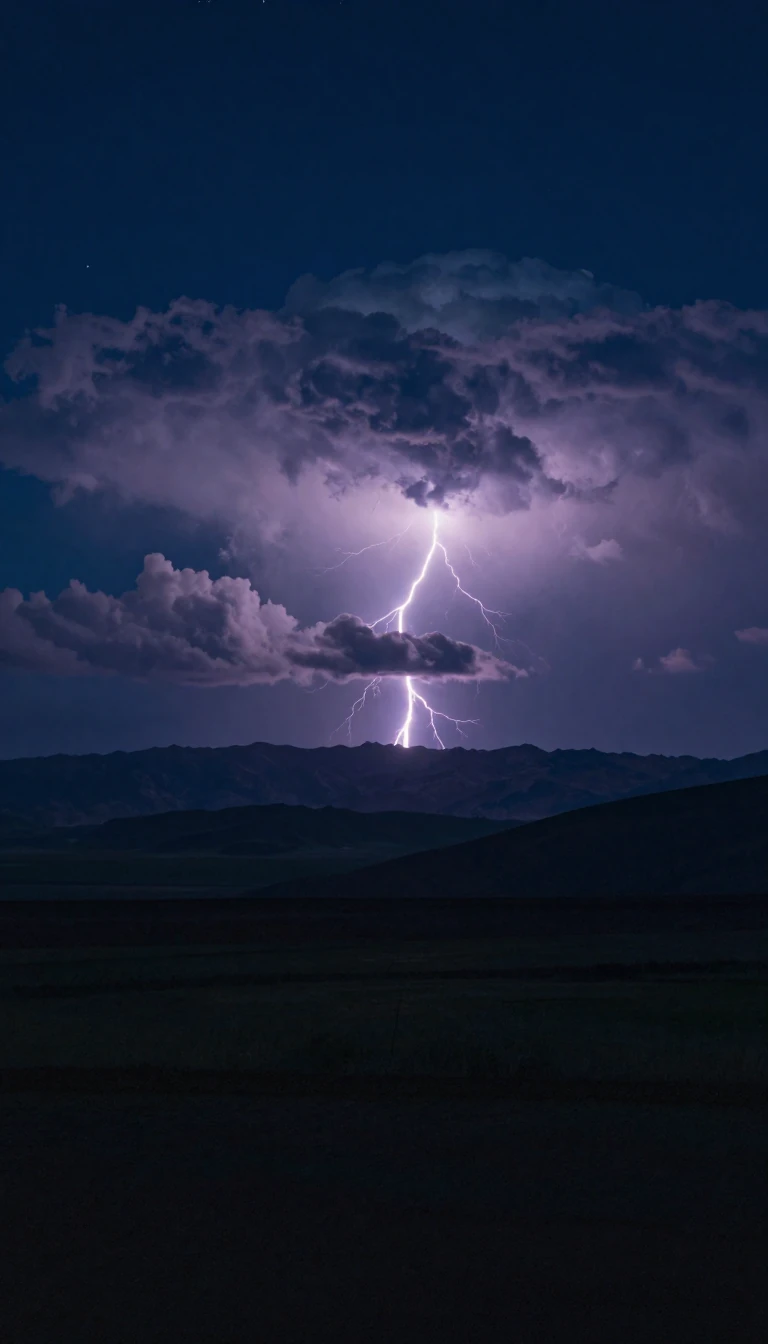 Thunder is a supersonic shock wave born from the explosive expansion of superheated air.Thunder is not merely a loud noise; it is a physical shock wave created when lightning heats air to temperatures hotter than the surface of the sun. This rapid thermal expansion c…
 Is it a peninsula or an island? The answer changes with the tide.A tidal island is a landmass that exists in a state of constant flux. Connected to the mainland by a natural isthmus or man-made causeway, it remains accessible only when the tide…
- Why the world's most extreme tides are trapped in specific coastal funnelsTidal range is the height difference between high and low tide, governed by the gravitational pull of the Moon and Sun. While the open ocean sees a modest one-metre shift, coastal…
- Tide pools are miniature, high-stakes laboratories where life clings to the edge of existence.These isolated pockets of seawater, formed in rocky depressions as the tide recedes, are far more than simple puddles. They are rugged, high-energy environments where inhabitants …
- Glacial till is the unsorted, rocky debris left behind by the world's moving ice.When glaciers grind across the landscape, they act as massive conveyor belts, picking up everything from fine clay to massive boulders. The resulting sediment, known as till, is a…
 Why this hard, heavy gemstone is often mistaken for cheaper, lighter quartz alternativesTopaz is a remarkably dense silicate mineral, yet its history is clouded by confusion with other yellow stones. While it is one of the hardest minerals on Earth, its unique atomic…
 The thin, living skin of our planet is disappearing faster than it can regenerate.Topsoil is the Earth's most vital biological engine, yet we are losing it at an alarming rate. While it takes up to 1,000 years to form just one inch of this life-sustaining layer…
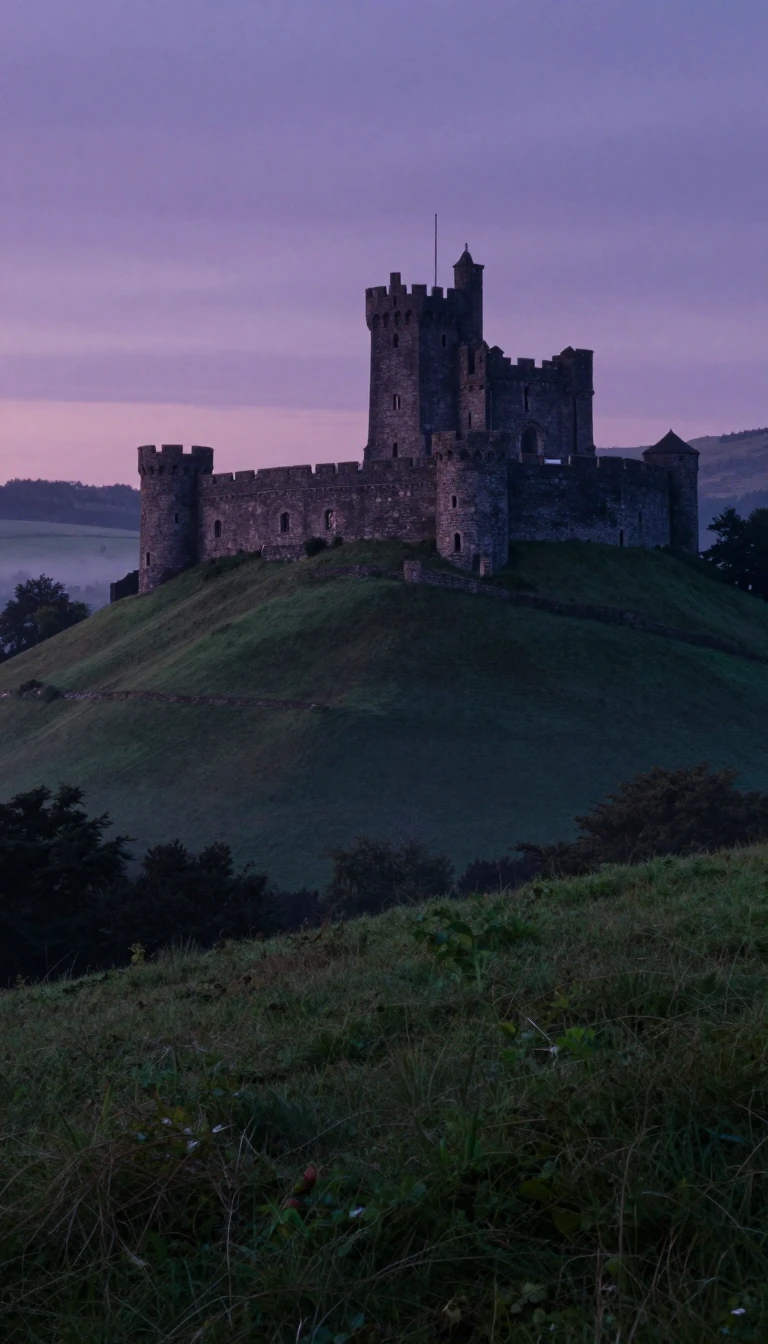 Why these jagged granite towers are younger than the hills they stand uponTors are striking, free-standing rock outcrops that rise abruptly from rounded hilltops. While they appear ancient and permanent, these geological features are surprisingly youthf…
 Why your body requires tiny amounts of specific elements to function effectivelyTrace elements are chemical substances that living organisms require in minute quantities, typically less than 0.1 percent by volume. While these elements are needed in only tiny …
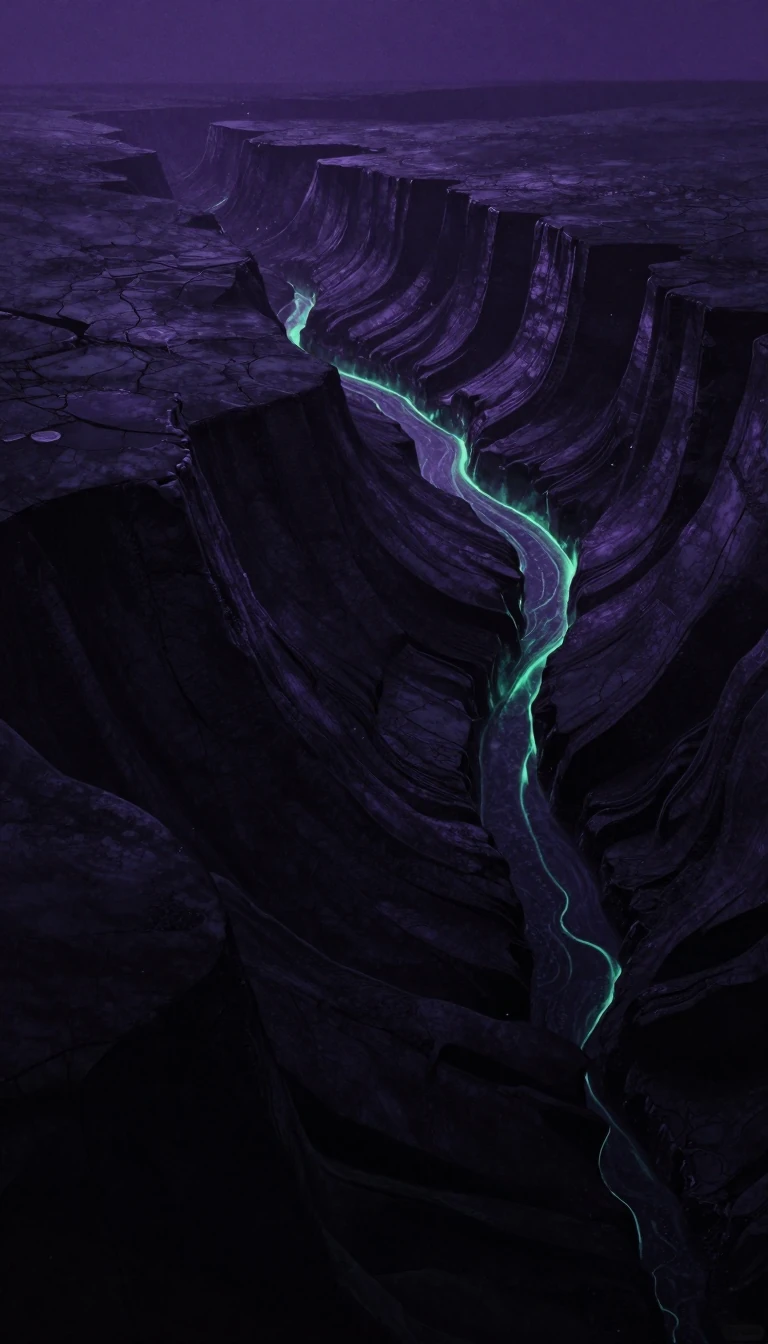 Earth's mantle transition zone acts as a complex gatekeeper for deep planetary heat.Deep beneath our feet, between 410 and 660 kilometers down, lies a mysterious region called the mantle transition zone. This layer is not just a static boundary; it is a dynamic, …
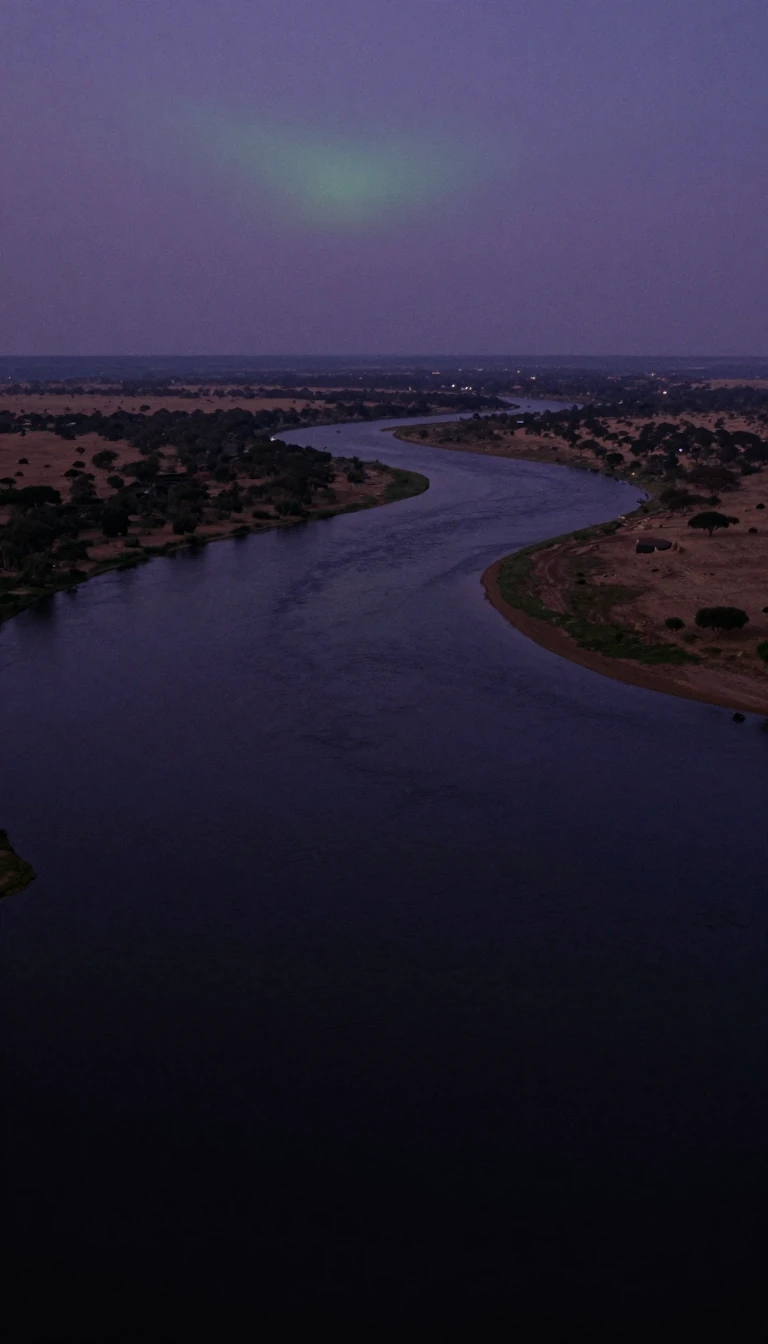 Why rivers are never just one stream but a complex, branching family treeA tributary is more than just a side stream; it is a vital component of a drainage basin, feeding water into a main stem. From the massive volume of the Madeira to the navigationa…
 Why a rare iron sulfide from space is the gold standard for sulfur isotopesTroilite is a mineral rarely found on Earth, yet it serves as the international benchmark for measuring sulfur isotopes. While terrestrial sulfur fluctuates due to bacterial activ…
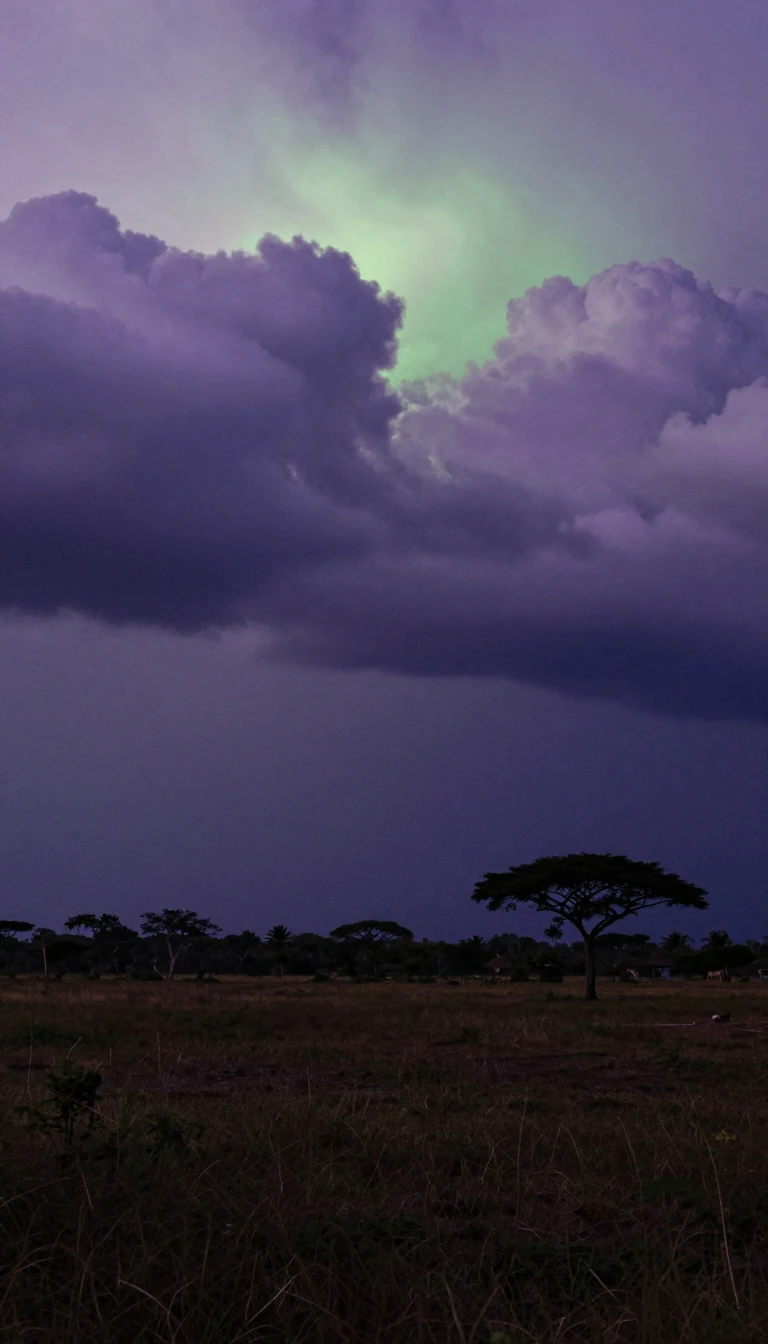 Why these forests shed their leaves to survive months of intense seasonal droughtTropical and subtropical dry broadleaf forests are defined by their dramatic seasonal shifts. While they remain warm year-round, they endure months of drought that force trees to …
- Why do some of the world's most iconic landscapes struggle to grow trees?Tropical grasslands, savannas, and shrublands cover vast regions across nearly every continent, yet they remain defined by a delicate balance of water and light. While these areas…
- Why the world's most productive ecosystems are vanishing at an alarming, unsustainable rateTropical and subtropical moist broadleaf forests are the planet's biological powerhouses, housing half of all known species within a thin band around the equator. Despite their un…
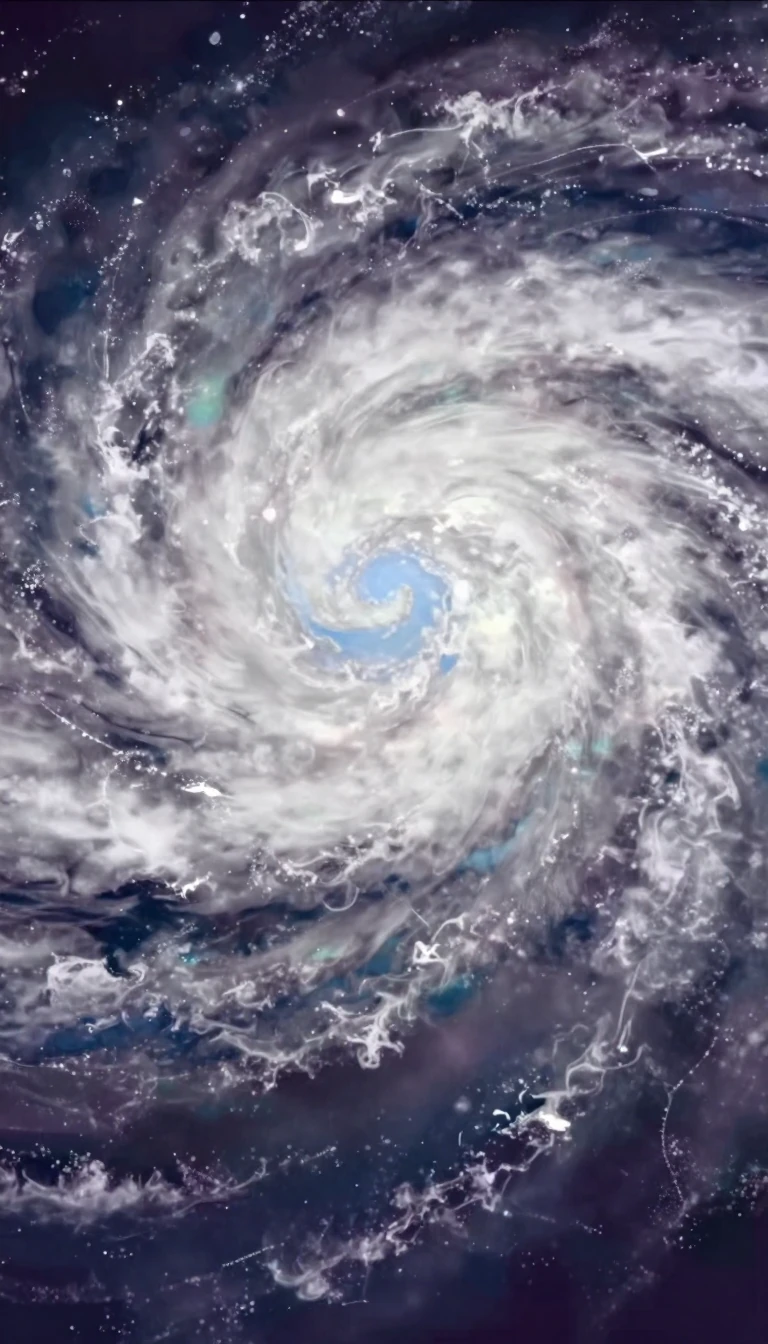 How do warm oceans transform into the most powerful storms on our planet?Tropical cyclogenesis is the complex process where organized low-pressure systems intensify over warm oceans. Driven by sea-surface temperatures, atmospheric moisture, and pre-exi…
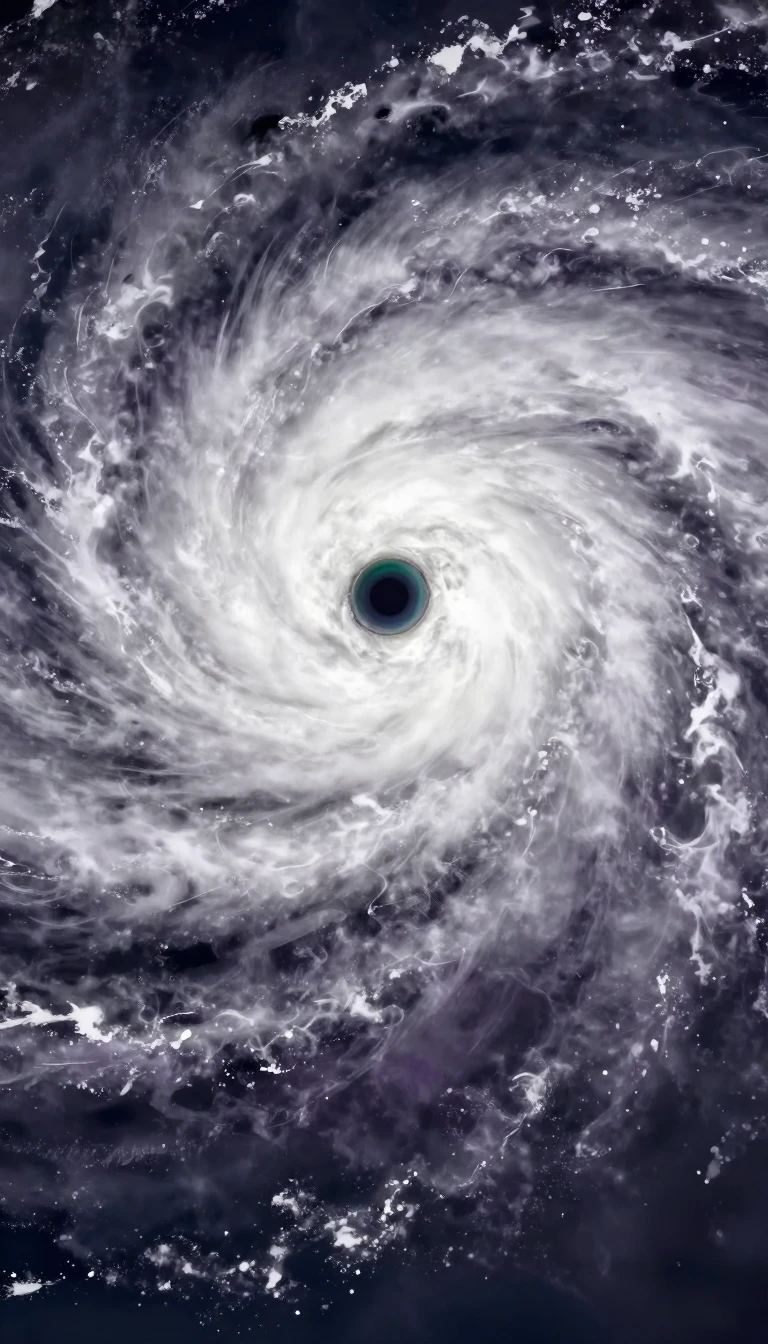 Why hurricane preparation must extend far beyond the coastline to ensure your safetyHurricanes are not merely coastal threats; they can cause significant destruction hundreds of miles inland. Whether you live near the shore or deep within the interior, proactive …
- Why the most dangerous tropical cyclone rainfall often happens before the eye arrivesTropical cyclones are not uniform rain machines. While we often focus on the center, the heaviest precipitation frequently occurs in advance of the eye. Predicting these deluges r…
- How meteorologists predict the path of a storm days before it makes landfallPredicting a cyclone's path has evolved from simple barometric readings to complex computer simulations. By analyzing atmospheric pressure, satellite data, and the beta effect, fo…
- Tropical rainforests are not just trees; they are complex, multi-layered biological recycling machines.Beyond the dense greenery lies a sophisticated structure of specialized layers, from the sun-drenched emergent canopy to the dark, damp forest floor. These ecosystems act as the p…
- Why the tropical monsoon climate is more than just a rainy seasonKnown as the Am climate, the tropical monsoon zone is a complex atmospheric dance. While it mimics the wet equatorial rainforest, it hides a distinct dry spell. Driven by shifting…
- Why the world's most lush rainforests are not always found at the equatorTropical rainforest climates are defined by constant heat, high humidity, and a lack of a dry season. While often associated with the equator, this climate type appears in surpris…
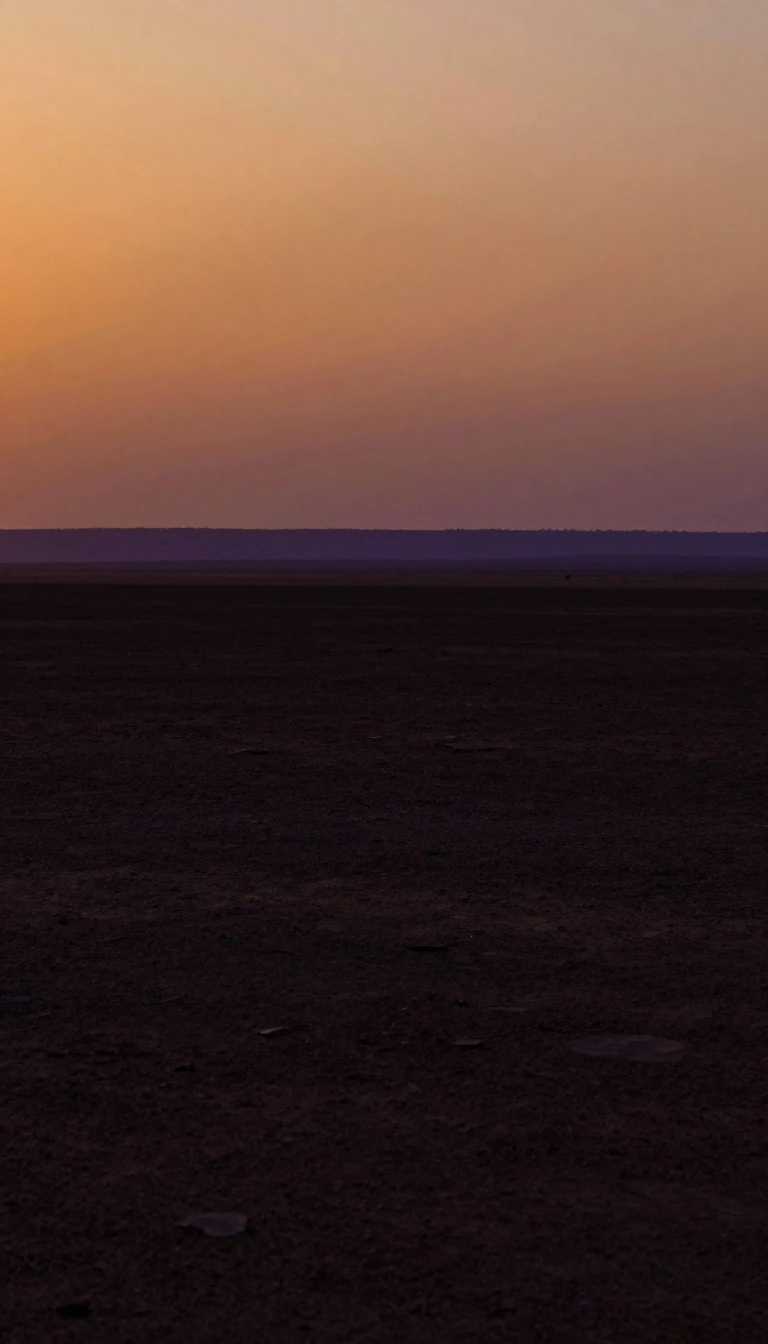 Are the world's vast tropical savannas actually just transition zones between forests and deserts?Savannas are dynamic landscapes defined by alternating wet and dry seasons, typically found between 8 and 20 degrees from the Equator. While often viewed as simple grasslands, the…
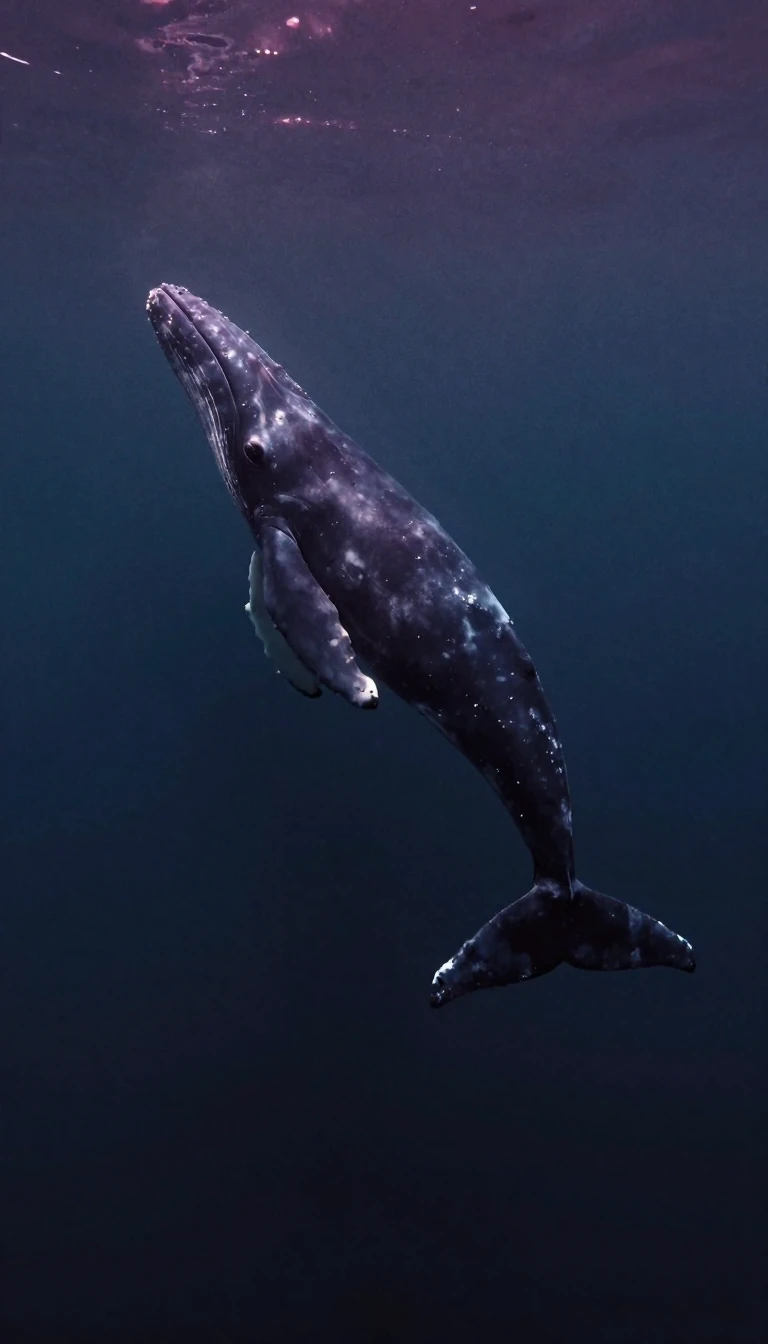 How underwater avalanches create the deep ocean's most valuable geological structuresTurbidites are not formed by steady currents, but by violent, density-driven underwater avalanches. These sediment-heavy slurries transport massive amounts of material into the ab…
- Underwater avalanches of sediment are the primary architects of the deep ocean floorTurbidity currents are rapid, gravity-driven flows of sediment-laden water that act like underwater avalanches. By scouring the seafloor and transporting massive amounts of materi…
 Why geologists anchor the names of rocks and minerals to specific geographic locationsA type locality is the definitive site where a rock or mineral was first described. While essential for mineralogy and stratigraphy, this naming practice once caused chaos in petr…
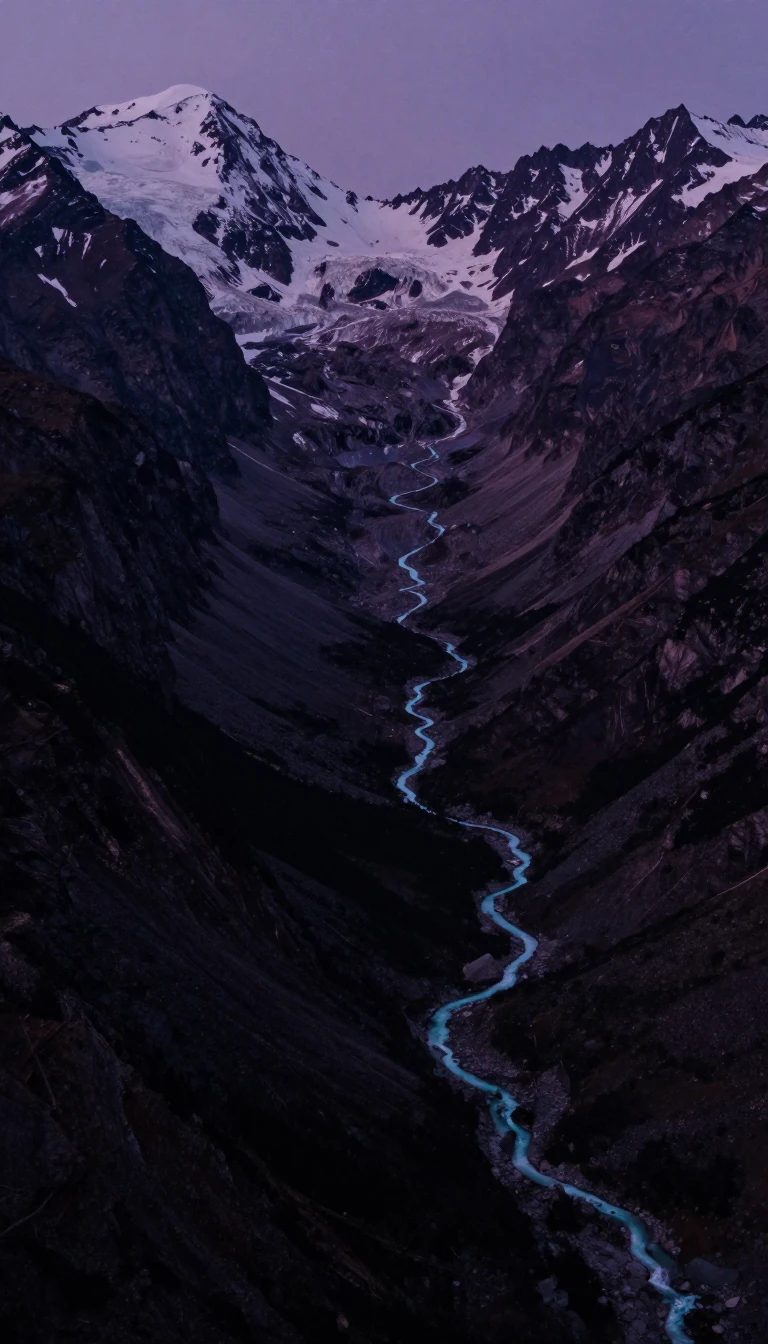 Why do mountains melt like mist and carve out massive U-shaped valleys?Glaciers are not merely frozen water; they are powerful geological architects. Over tens of thousands of years, these massive ice sheets scour mountain slopes, transforming narrow…
 This common mineral acts like a natural fiber optic cable for your eyesUlexite is a rare borate mineral that possesses a remarkable, built-in ability to transmit light. Often nicknamed TV rock, its fibrous structure allows it to project images of obj…
 An unconformity is a missing chapter in the Earth's long and complex geological history.Imagine reading a book where several pages have been torn out, leaving a gap in the narrative. In geology, an unconformity is exactly that: a buried surface where the rock record …
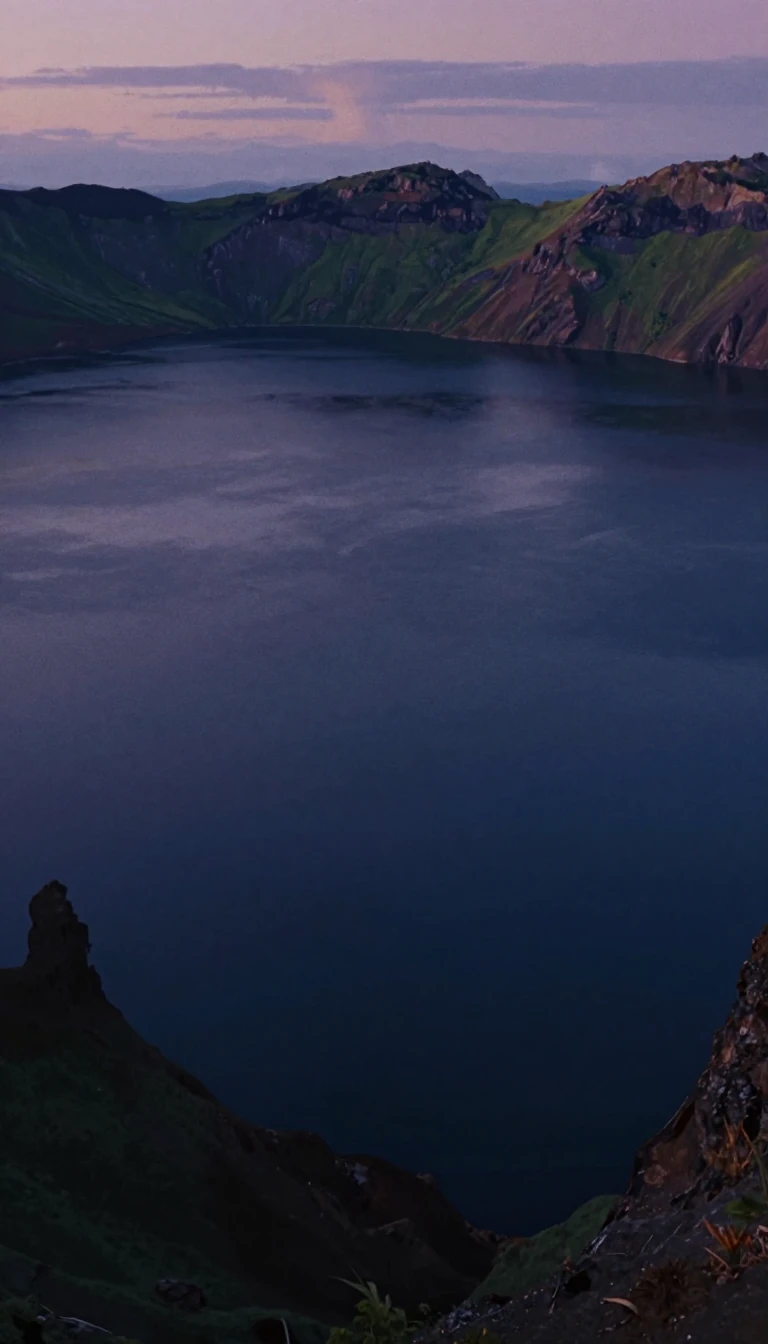 Why are underground lakes so rare compared to surface bodies of water?Most of the water beneath our feet is trapped in aquifers, not open pools. Underground lakes are uncommon hydrogeological features that require specific conditions to exist. They …
 Why the term desert island has nothing to do with sandy, arid landscapesThe desert island is a powerful cultural archetype, yet its name is a linguistic relic. The word desert here does not describe a dry climate, but rather an archaic sense of desola…