 Intellect Plus
Nature
11,198 cards. Each one is a 40-second story with a five-minute read behind it. Page 89 of 187.
Subtopics: Ageing · Air · Animal behaviour · Animal breeds and hybrids · Animals · Arthropods · Atmosphere · Big cats · Bilateria, others · Birds · Botany · Cnidarians · Conservation · Coral reefs · Deep sea · Deserts · Dinosaurs · Earth science · Earth science and physical geography · Earth science basics · Earthquakes & tsunamis · Echinoderms · Ecology · Ecosystems · Endangered species · Extinct animals · Farming · Fish · Forests · Fungi · General classifications · Geology · Geomorphology · How Long Can It Live? · Ice · Individual animals · Insects · Lightning · Longevity · Mammals · Marsupials · Migration · Mollusks · Ocean · Organisms · Parasites · Physical geography · Plants · Porifera · Predators · Primates · Rainforest · Reptiles & amphibians · Researched · Sharks & rays · Spiders & arachnids · Symbiosis · Trees · UK & Ireland: nature · Vertebrates · Vision · Volcanoes · Water · Waves · Weather · Whales & dolphins · Zoology
 The banded knifefish navigates the dark using a personal, built-in electric fieldIn the murky freshwater habitats of South America, the banded knifefish thrives by generating its own electricity. This nocturnal hunter uses weak charges to map its surroundings,…
 The elusive banded palm civet is a master of the Southeast Asian forest floorRoughly the size of a domestic cat, the banded palm civet is a solitary, nocturnal carnivore native to Indomalaya. Despite its unique appearance and specialized hunting tactics, t…
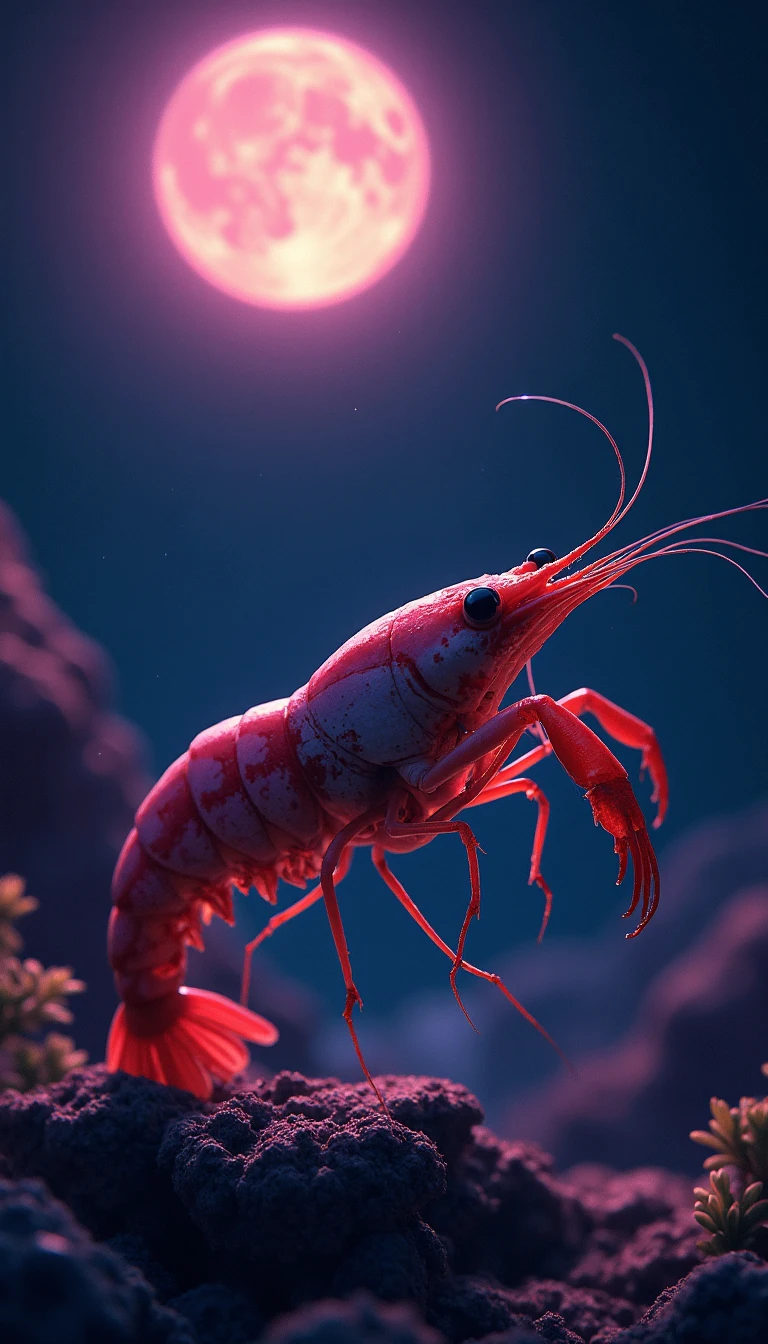 The Australian bandicoot is a marsupial that defies the standard rules of its kind.While most marsupials rely solely on a yolk-sac placenta, bandicoots possess a unique, transitory placenta that bridges the gap toward placental mammals. These small, omnivorous c…
 The Barbary dove possesses some of the fastest muscles in the entire vertebrate kingdomWhile often mistaken for a simple symbol of peace, the Barbary dove is a biological marvel. Its signature cooing is powered by muscles that contract ten times faster than those us…
 Why the world's most common swallow abandoned its ancestral caves for your barnThe barn swallow is the most widespread swallow species on Earth, thriving from the Arctic to the Southern Hemisphere. Once cave-dwellers, these agile, cobalt-blue birds have unde…
 The deep-sea fish with a transparent head and eyes that rotate like turretsDeep in the ocean, the barreleye survives with a bizarre anatomical advantage: a fluid-filled, transparent dome covering its entire head. Beneath this shield, its tubular, upward-…
 The Cretaceous predator that redefined our understanding of dinosaur diets and aquatic habitsDiscovered by a plumber in a Surrey clay pit, Baryonyx walkeri shattered the image of theropods as strictly terrestrial hunters. With its crocodile-like snout and massive, hooked …
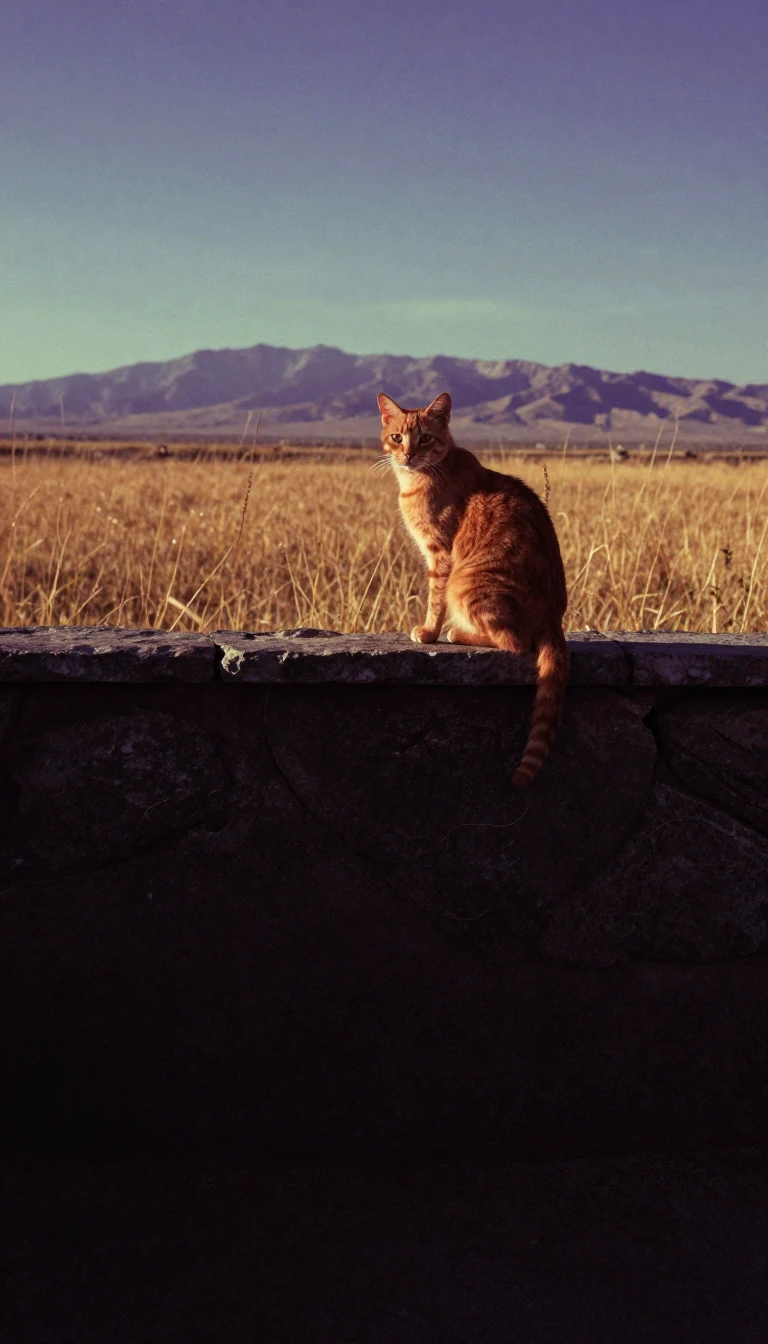 Why the basilisk lizard is named after a legendary monster of ancient mythThe basilisk lizard of tropical forests is a master of physics, famous for running across water. Yet its name carries a darker history, borrowed from a mythical beast. This creatu…
 The basket star is a deep-sea marvel with arms that mimic a mythical monsterBasket stars are complex echinoderms known for their intricately branched arms. While some species dwell in the deep sea, others emerge at night on tropical reefs. These creatures…
 The Olinguito: A Case of Mistaken Identity Hiding in Plain Sight for DecadesFor years, the olinguito lived in zoos and museums, misidentified as its cousin, the kinkajou. It took until 2013 for science to formally recognize this elusive, tree-dwelling mam…
 The bat-eared fox has more teeth than any other living non-marsupial land mammalWith ears that act as natural air conditioners and a diet consisting almost entirely of insects, the bat-eared fox is an evolutionary outlier. This small African canid defies typi…
 The Bateleur is an African eagle that spends its life performing aerial acrobatics.Named for the French word for street performer, the Bateleur is a master of the sky. This medium-sized eagle is famous for its unique, rocking flight pattern and acrobatic rolls. …
 The deep-sea tripod fish stands on stilts to hunt in the pitch blackIn the crushing depths of the ocean, the tripod fish waits for prey while balanced on three elongated fins. This master of stillness uses its stiffened appendages to hover above t…
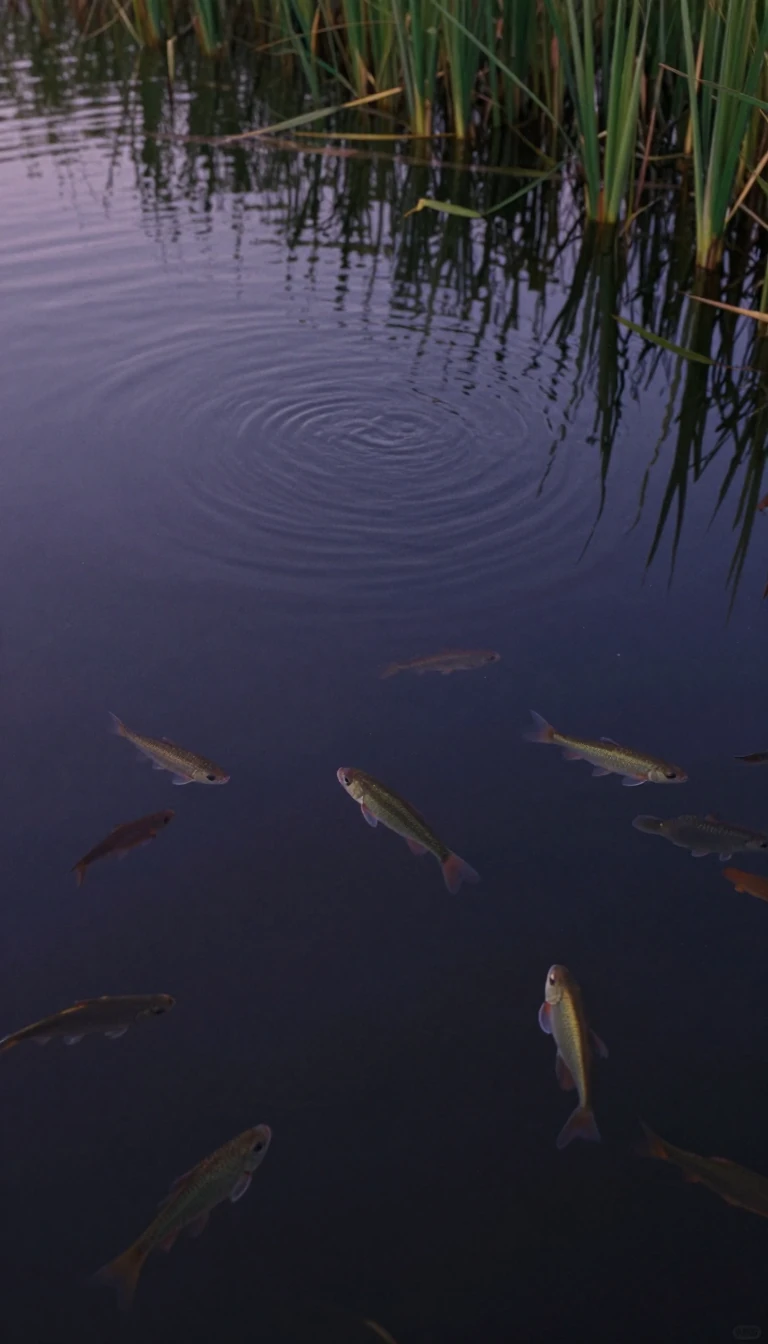 The toadfish is a singing, venomous, nest-guarding master of the ocean floorToadfish are not just ugly bottom-dwellers; they are sophisticated ambush predators that sing to attract mates and exhibit rare parental care. Some species even pack a venomous pu…
 These ancient, land-dwelling crocodilians traded the water for a life as apex predatorsBaurusuchids were not your typical swamp-dwelling reptiles. These terrestrial, hypercarnivorous crocodilians roamed Gondwana during the Late Cretaceous, sporting deep, narrow snou…
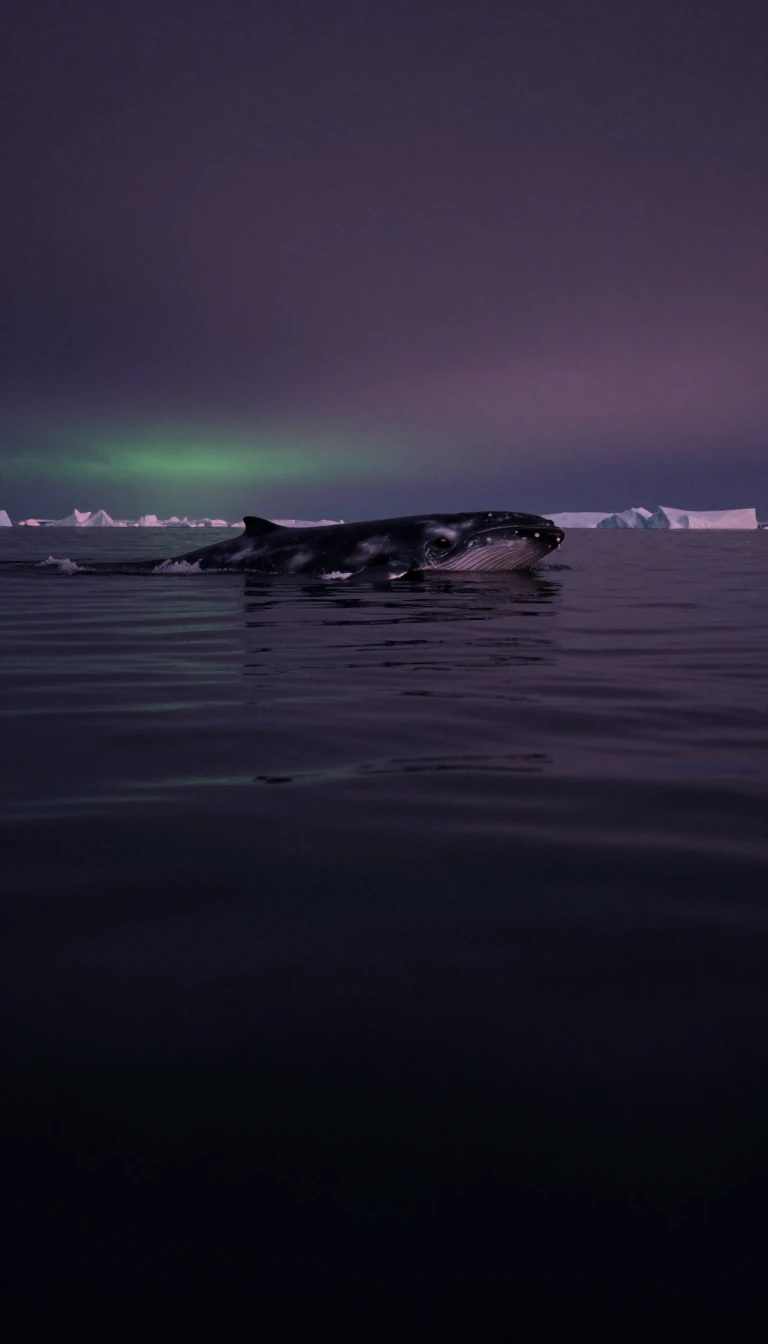 The elusive beaked whale is a deep-sea mystery with rock-hard teeth and complex stomachs.Beaked whales are among the least understood mammals on Earth, spending their lives in the deep ocean. These reclusive creatures possess unique anatomical quirks, including comple…
 Why these aquatic rodents are the world's most effective natural landscape engineersBeavers are more than just wood-chewing animals; they are ecosystem engineers capable of transforming entire landscapes. By constructing complex dams of branches, stones, and mud,…
 These ancient squid-like creatures left behind 'battlefields' of stone that once fueled medieval folklore.Belemnites were abundant, hook-armed cephalopods that dominated Mesozoic oceans for millions of years. While they vanished during the Cretaceous–Paleogene extinction, their calcit…
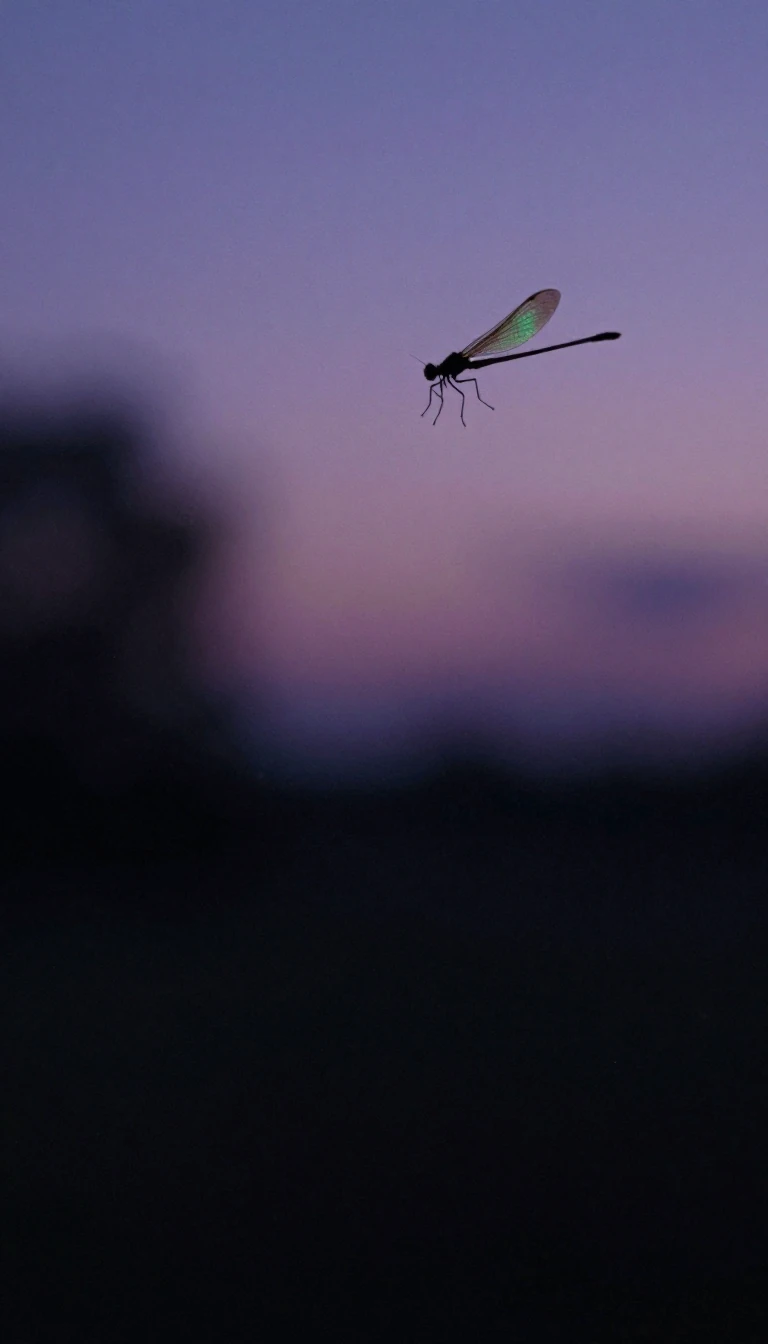 The giant water bug is a fierce predator that carries its own youngKnown as toe-biters, these massive insects are the largest in their order, reaching lengths of over 12 centimeters. They are ambush predators that liquefy their prey with powerful…
- The Bengal monitor is a master of survival, myth, and illegal wildlife traffickingWidely distributed across Asia, the Bengal monitor is a resilient generalist that thrives in diverse habitats. While often misunderstood as dangerous or venomous, this large lizar…
 Biodegradation is nature's way of recycling, but not everything is built to disappear.Biodegradation is the natural process where microorganisms like bacteria and fungi break down organic matter into water, minerals, and carbon dioxide. While nature effortlessly re…
 The silent collapse of our biological support system is costing us trillions every yearBiodiversity is not just about rare animals; it is the foundation of our food, medicine, and climate stability. As species vanish at rates up to 100 times the natural baseline, we…
 Why do species live where they do? The science of mapping life on EarthBiogeography is the study of how life is distributed across our planet. It explores why certain species thrive in specific regions, how these patterns shift over time, and the com…
 Why nature’s own inhabitants are the most reliable sensors for our changing environmentWe often rely on technology to monitor environmental health, yet the most sensitive sensors are already living in the wild. By observing how specific organisms respond to stress, …
 Why do organisms leave home? The high-stakes gamble of biological dispersalDispersal is more than just moving; it is a fundamental life strategy. Whether by wind, water, or sheer physical effort, organisms risk their lives to reach new habitats. This mov…
 Why do some species coexist while others are driven to local extinction?In the complex web of nature, competition for limited resources is a constant force. While superior competitors often eliminate weaker ones, ecosystems frequently maintain balance…
 Why your life cycle is fundamentally different from that of a fern or fungusLife cycles are not just about birth and death; they are precise biological blueprints for how organisms manage their genetic material. While humans exist almost entirely as diplo…
 Why top predators carry the highest toxic burden in an ecosystemBiomagnification is the silent process where toxins grow more concentrated as they climb the food chain. While a small fish might hold a trace amount of mercury, the shark that ea…
 Beyond the twig: How birds engineer survival through diverse and ingenious nesting strategiesBird nests are far more than simple collections of twigs. From mud-glued structures to opportunistic use of human debris, these homes are masterclasses in engineering. Some birds …
 Birdwings are giant, toxic butterflies that use complex light-bending tricks to dazzle potential mates.Named for their impressive size and birdlike flight, birdwings are among the world's largest butterflies. These insects are masters of survival, utilizing chemical warfare, specia…
 Britain's loudest bird is making a remarkable comeback from the brink of extinctionThe bittern, a secretive heron with camouflage plumage, was once driven to local extinction in the UK by habitat loss and persecution. Now, through targeted wetland restoration, t…
 The black-backed jackal is an ancient, cunning survivor that has outwitted humans for centuries.Native to eastern and southern Africa, the black-backed jackal is a resilient, monogamous canine that has thrived for millions of years. Despite being persecuted as a livestock pr…
- The black bullhead is a master of survival in the harshest aquatic environmentsWith taste receptors covering its entire body and a remarkable tolerance for low oxygen, polluted, and warm water, the black bullhead thrives where other fish perish. This resilie…
 The Amazon's apex predator was hunted to near extinction for its dark, scaly hide.As the largest member of the alligator family, the black caiman dominates the Amazon River basin. Once decimated by the 20th-century leather trade, this formidable reptile has sta…
- The world's most widespread heron is a master of the urban night shift.With a stocky build and striking red eyes, the black-crowned night heron thrives across almost every continent. Unlike its long-limbed cousins, this bird prefers the shadows, emer…
- The black ghost knifefish navigates dark waters using a self-generated electric fieldThis South American freshwater fish is a master of the dark, using a specialized electric organ to map its surroundings. By emitting continuous electrical pulses, it detects prey …
- The Black-headed Gull is neither black-headed nor a seagull, but a laughing urbanite.Misnamed and often misunderstood, this adaptable bird is a common sight across Eurasia. Despite its name, its head is chocolate-brown during the breeding season and mostly white t…
 The black rat is a global survivor that reshaped ecosystems and human historyOften blamed for the Black Death, the black rat is a master of adaptation. From sacred temple residents in India to invasive pests destroying island bird populations, this agile c…
 A rare encounter with the black seadevil, a deep-sea monster only six inches longResearchers recently captured rare footage of a black seadevil swimming near the ocean surface, a shocking sight for a creature adapted to the crushing pressures of the deep. Typi…
- The black stork is a shy, solitary wanderer that avoids the human gazeUnlike its more famous white cousin, the black stork is a reclusive bird that prefers the quiet of deep forests and remote wetlands. Though widespread across Europe and Asia, it r…
- How a tiny deep-sea fish consumes prey four times its own lengthIn the ocean's twilight zone, the black swallower survives by consuming prey significantly larger than itself. With a distensible, balloon-like stomach and jaws that swing wide, t…
 The black swan was once a mythological impossibility, but it is a biological reality.Long before Europeans encountered the species in 1697, Western literature used the black swan as a metaphor for the impossible. Today, we know this Australian native as a highly n…
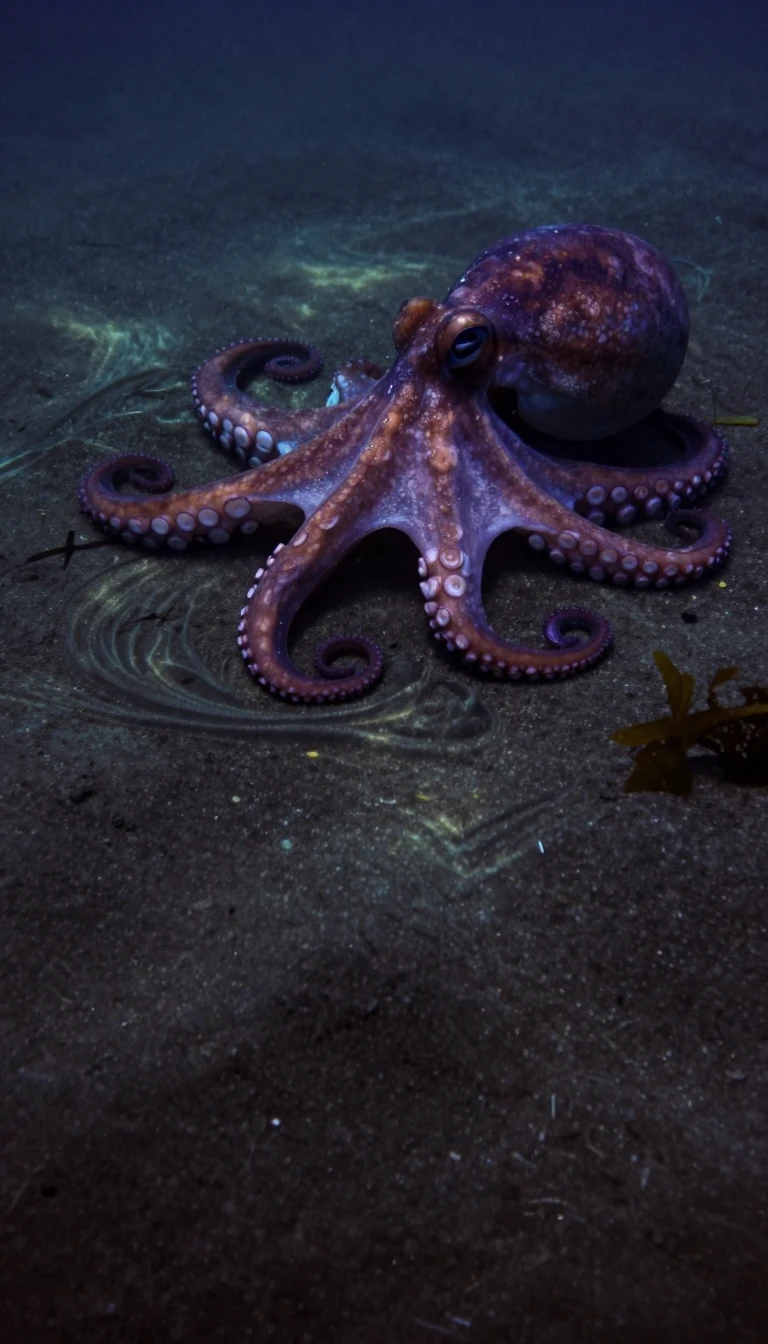 The deceptive blenny uses mimicry to trick its prey into a painful surpriseBlennies are small, bottom-dwelling fish that have mastered the art of camouflage and deception. While many species rely on hiding in crevices or sandy burrows, others have evolve…
- These subterranean rodents spend their entire lives underground, rarely emerging into the sunlight.Blesmols are highly specialized African rodents that have evolved to thrive in total darkness. With blunt heads, protruding incisors, and bodies built for excavation, they spend t…
 Why these beetles pack a chemical punch that can turn hay into a toxin.Blister beetles are a group of approximately 2,500 species defined by their ability to secrete cantharidin, a potent substance that causes skin blistering. While these insects are…
- The blue eared pheasant is a high-altitude specialist thriving in China's mountain forests.Standing nearly a meter tall, the blue eared pheasant is a striking resident of China's alpine meadows. Despite its rare appearance and specialized habitat, this bird remains clas…
- The tiny blue-ringed octopus carries enough neurotoxin to kill twenty-six adult humans.Small enough to fit in your palm, the blue-ringed octopus is one of the ocean's most lethal creatures. When threatened, it flashes vivid, iridescent blue rings as a warning. Its s…
 Why this Australian lizard flashes a bright blue tongue at its enemiesThe blue-tongued skink is a master of the bluff. When threatened, this shy, ground-dwelling lizard puffs up its body and thrusts out a startlingly bright tongue to intimidate riva…
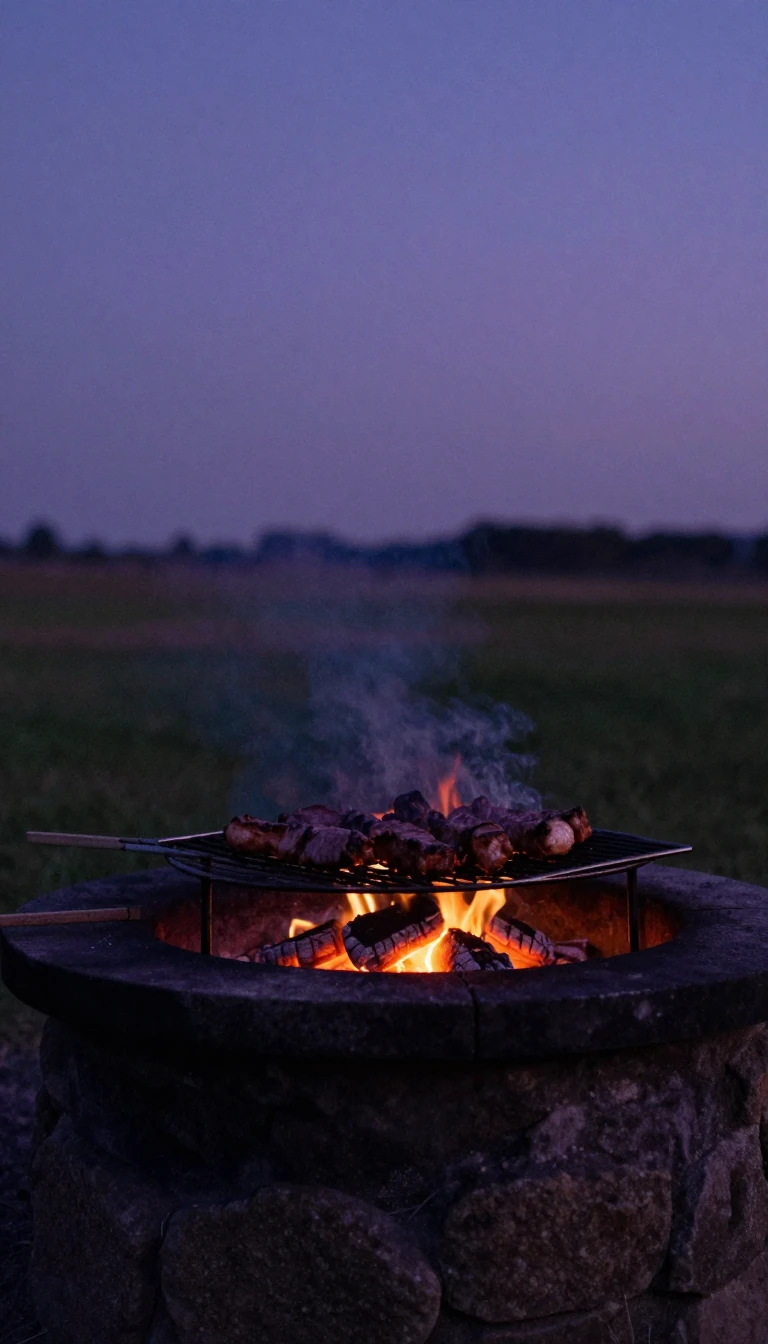 Why this predatory fish shares its name with the word for prettyBonitos are medium-sized, predatory fish that often hide in plain sight, frequently mistaken for their close relative, the skipjack tuna. While their name sounds like the Spanish …
- Why these master divers were once dismissed as the world's most foolish birdsBoobies are elite aerial hunters, capable of plunging vertically into the ocean to snatch fish and squid. Yet, their name stems from a historical misunderstanding. Because these s…
- The Bornean bearded pig is vanishing from Western zoos while remaining a cultural staple.Distinguished by a prominent beard and occasional tail tassels, the Bornean bearded pig is a unique inhabitant of Southeast Asian rainforests. While these social animals remain a …
 Before wolves and coyotes, North America was ruled by bone-crushing, gluttonous dogs.For over 31 million years, a unique lineage of canids known as borophagines dominated North American ecosystems. These predators possessed specialized jaws capable of splintering …
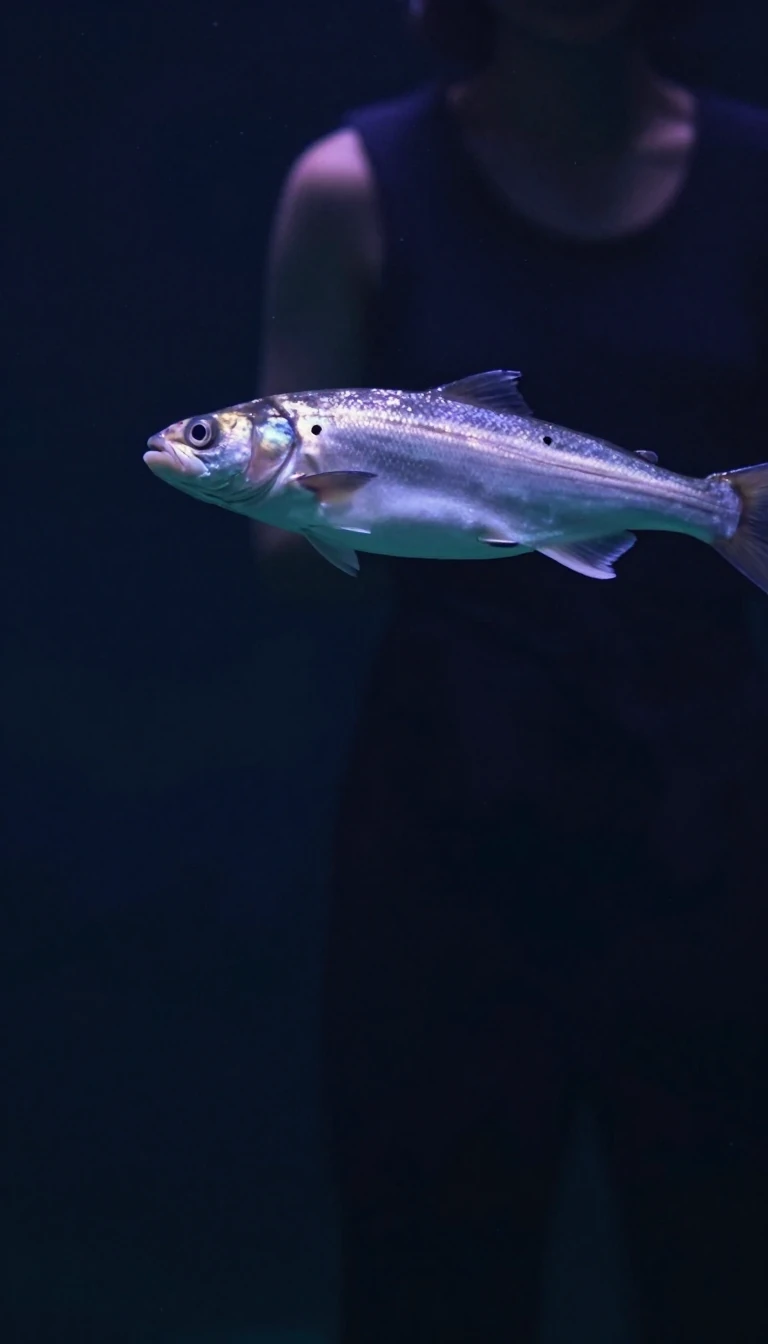 This armored Devonian fish may have used its strange, jointed fins to walkBothriolepis was a widespread, heavily armored bottom-dweller that thrived in the Devonian period. While most species were small, this genus featured a bizarre anatomy, including …
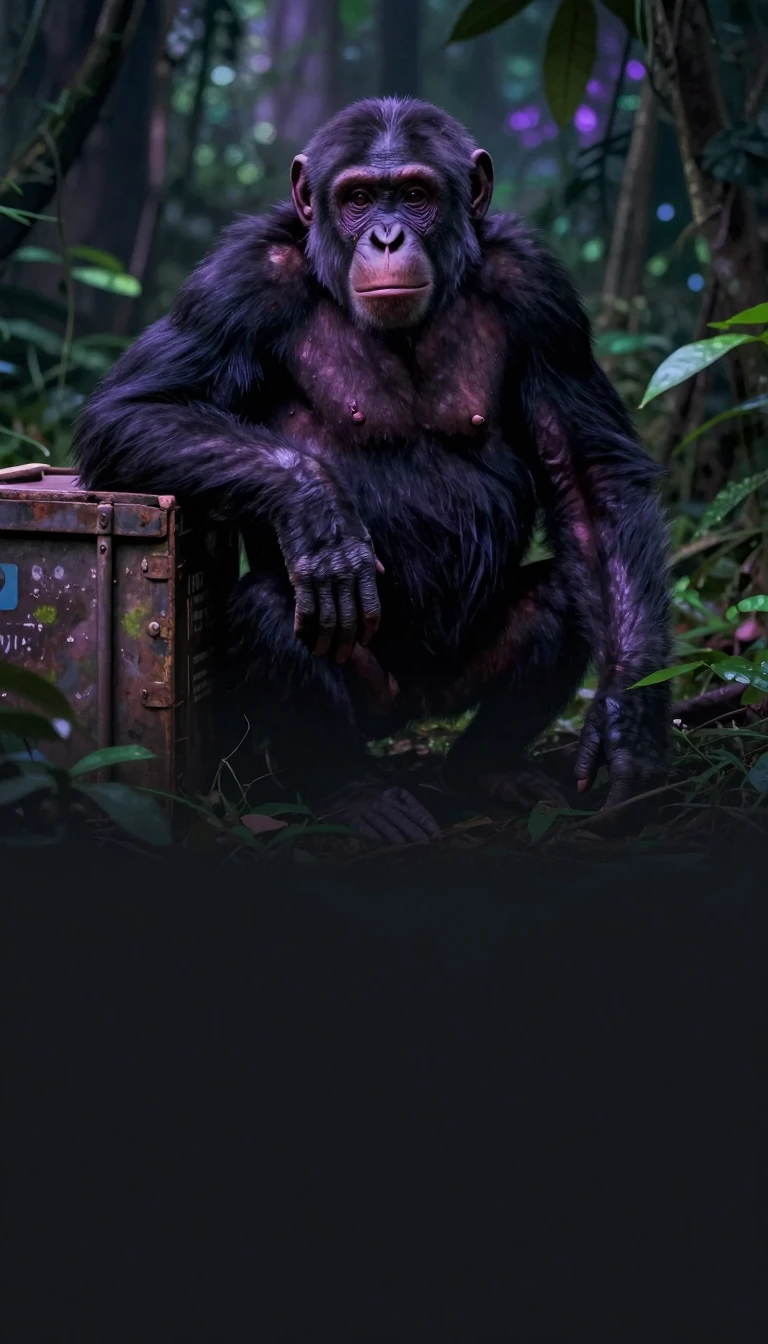 Meet the hoofed, galloping crocodile that once hunted mammals on landLong before modern crocodiles were strictly aquatic, Boverisuchus roamed the Eocene landscape. With hoof-like toes, serrated teeth, and a body built for running, this terrestrial …
- This prehistoric survivor breathes air and has been hiding in plain sight for eons.The bowfin is a living relic from the Jurassic period, a voracious predator that can gulp air to survive in oxygen-poor waters. While long considered a singular species, recent ge…
 Why the Brachiosaurus was built like a giraffe rather than a swamp-dwelling giantFor decades, scientists imagined the massive Brachiosaurus as a swamp-dweller, using water to buoy its immense weight. Modern analysis reveals a different reality: these creatures…
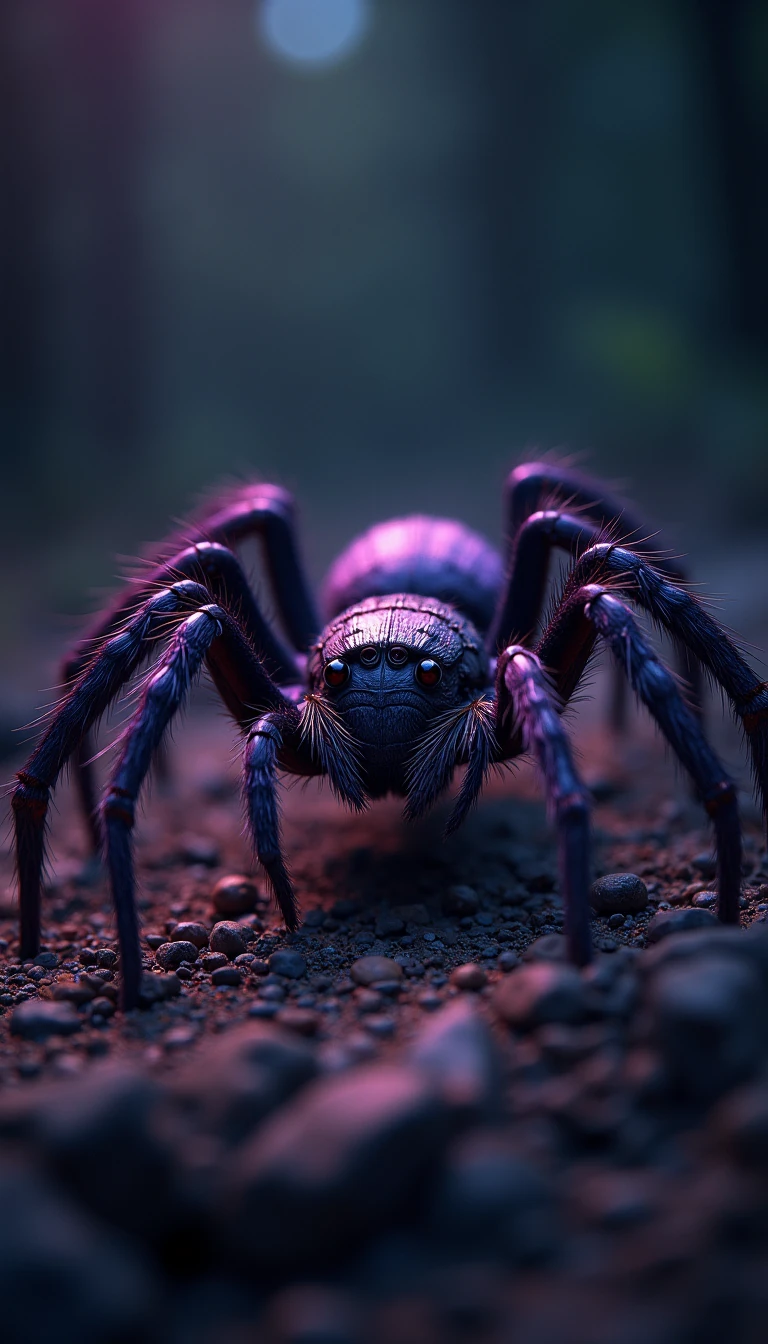 The Mexican redknee tarantula was hiding in plain sight for over a centuryFor decades, the iconic Mexican redknee tarantula was misidentified as a different species. While enthusiasts prized the spider, scientists struggled to distinguish it from its lo…
- Despite their cerebral appearance, brain corals are ancient, slow-growing architects of the ocean floor.Brain corals are not sentient, yet these massive, long-lived colonies serve as the bedrock for entire reef ecosystems. By connecting their polyps in a unique, integrated network, …
- Branchiopods are ancient survivors that can turn frozen or dried eggs into lifeThese primitive crustaceans, including water fleas and fairy shrimp, have thrived since the Devonian period. By mastering the art of dormancy, they survive extreme environments th…
 The burnt goose: how the genus Branta conquered coasts and islands across the globeKnown as black or white-cheeked geese, the genus Branta includes waterfowl with distinct dark legs and bills. From their origins in the northern Palearctic and North America to ex…