 Intellect Plus
Nature
11,198 cards. Each one is a 40-second story with a five-minute read behind it. Page 88 of 187.
Subtopics: Ageing · Air · Animal behaviour · Animal breeds and hybrids · Animals · Arthropods · Atmosphere · Big cats · Bilateria, others · Birds · Botany · Cnidarians · Conservation · Coral reefs · Deep sea · Deserts · Dinosaurs · Earth science · Earth science and physical geography · Earth science basics · Earthquakes & tsunamis · Echinoderms · Ecology · Ecosystems · Endangered species · Extinct animals · Farming · Fish · Forests · Fungi · General classifications · Geology · Geomorphology · How Long Can It Live? · Ice · Individual animals · Insects · Lightning · Longevity · Mammals · Marsupials · Migration · Mollusks · Ocean · Organisms · Parasites · Physical geography · Plants · Porifera · Predators · Primates · Rainforest · Reptiles & amphibians · Researched · Sharks & rays · Spiders & arachnids · Symbiosis · Trees · UK & Ireland: nature · Vertebrates · Vision · Volcanoes · Water · Waves · Weather · Whales & dolphins · Zoology
 Why the V-formation of migrating geese is a masterclass in energy conservationGeese are more than just familiar waterfowl; they are high-flying navigators that have shaped human history for millennia. From their unique aerodynamic flight patterns to their c…
 Ant colonies are not just insect groups; they are the world's most populous animal societies.Forget the individual ant. A colony functions as a collective super-mind, capable of solving complex problems and managing millions of members. From global megacolonies spanning c…
 How Antarctic fish survive in freezing waters without turning into blocks of iceIn the Southern Ocean, where temperatures drop below freezing, fish have evolved extraordinary biological hacks to stay alive. From blood that functions like antifreeze to species…
 The Antarctic toothfish is a deep-sea predator that thrives in subzero ocean waters.Often marketed as Chilean sea bass, this massive fish is the Southern Ocean's top predator. It survives freezing temperatures using specialized antifreeze proteins and a unique, f…
 The antelope jackrabbit is a desert sprinter that thrives in surprisingly humid conditions.Often called the handsomest of all hares, the antelope jackrabbit is a large, nocturnal desert dweller. Despite its arid home, it prefers humidity and can reach speeds of 45 miles…
 This Mediterranean reef dweller can swap its gender in just two weeksThe swallowtail sea perch is a master of biological flexibility. While most individuals live their entire lives as females, the social structure of a school dictates a radical tra…
 Known as flower animals, these ancient marine predators build the world's most diverse ecosystems.Anthozoa, or flower animals, are a massive group of marine invertebrates including corals and sea anemones. Unlike their jellyfish relatives, these creatures spend their adult liv…
 The coal beasts that may have been the ancestors of the modern hippopotamusAnthracotheres were once thought to be simple, semi-aquatic creatures, but new research into their fossilized brains reveals a more complex evolutionary story. By reconstructing t…
 The coal-dwelling beast that may be the ancient ancestor of the modern hippopotamusNamed for the coal beds where its fossils were first unearthed, Anthracotherium was a widespread genus of artiodactyls that roamed Eurasia and beyond for millions of years. These …
 Why a Greek myth confusion gave this crane genus its unusual scientific nameThe genus Antigone contains some of the world's most impressive cranes, yet its name stems from a centuries-old taxonomic blunder. By conflating two distinct figures from Greek my…
- The pronghorn is a lonely survivor of a bizarre, multi-horned North American dynastyWhile the pronghorn is the only living member of the Antilocapridae family, it was once part of a diverse, flourishing group of North American ruminants. These ancient creatures e…
- The antlion larva is a master of the pitfall trap and biological engineeringAntlions are a diverse family of roughly 2,000 insect species, famous for the predatory larvae that construct ingenious sand pits to ensnare passing ants. While these pit-building…
 Were these tiny Jurassic pterosaurs the ancient, winged equivalent of modern bats?Anurognathidae were small, short-tailed pterosaurs that thrived across Europe, Asia, and potentially North America. With large eye sockets and specialized insectivorous teeth, the…
 Was the legendary Brontosaurus actually just a misidentified Apatosaurus all along?For decades, the iconic Brontosaurus was relegated to the history books as a mere synonym for Apatosaurus. While scientists once believed they were the same animal, modern researc…
 The Arizona Blonde Tarantula Is a Desert Survivor With a Surprisingly Long LifeKnown for its pale, hair-covered carapace and docile temperament, the Arizona blonde tarantula is a master of desert adaptation. These spiders thrive in harsh environments, utiliz…
- The hidden engineering behind the frothy bubbles of the humble spittlebugYou have likely seen them in your garden: tiny, mysterious mounds of white foam clinging to plant stems. These are the work of the Aphrophoridae, a family of insects known as spit…
 These worm-like deep-sea creatures are actually mollusks hiding in plain sightAplacophorans look nothing like the clams or snails we associate with mollusks. These cylindrical, shell-less marine animals inhabit the deep ocean floor, often disguised as simpl…
 Why these giant, shell-less sea slugs are named after the common hareSea hares are bulky, herbivorous marine mollusks that look nothing like rabbits, yet they share a name. Named for the two upward-projecting rhinophores that mimic a hare's ears, t…
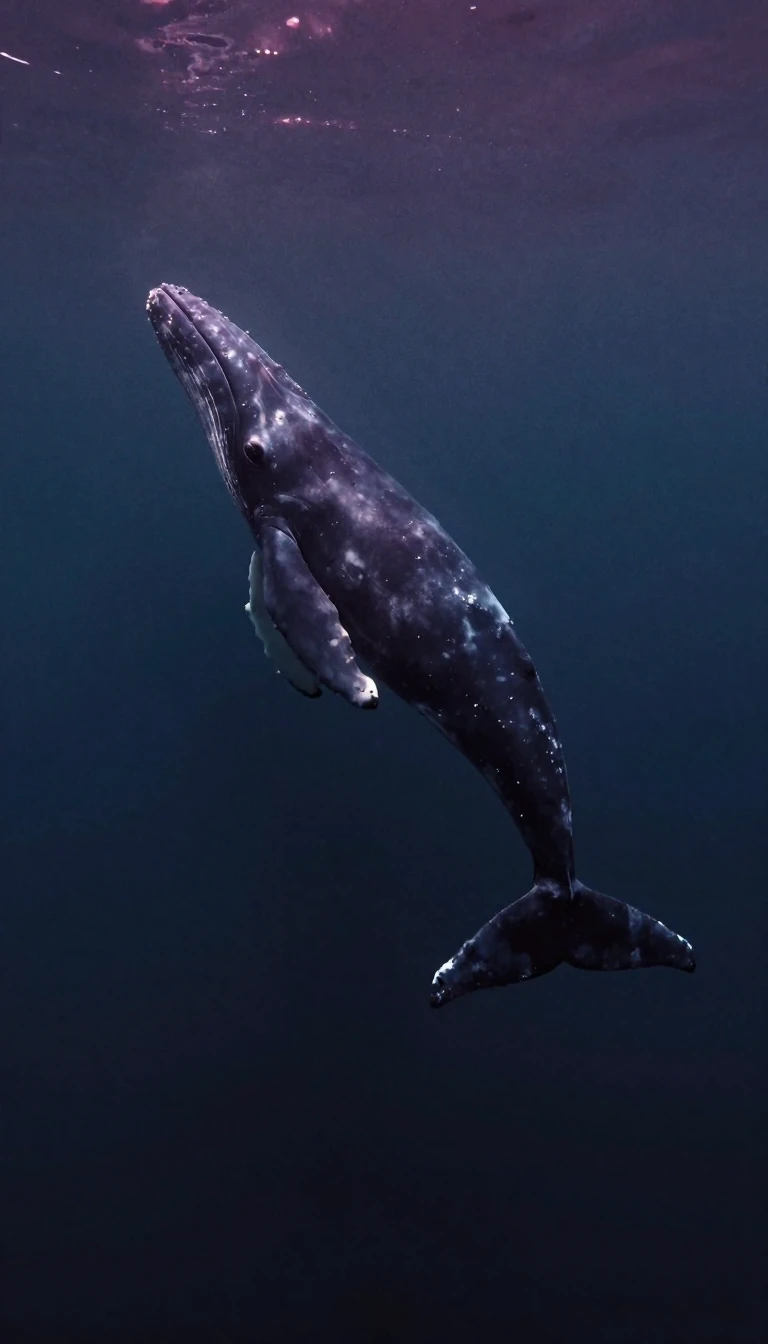 Fish do not just swim; they master fluid dynamics to navigate the world's oceans.Aquatic locomotion is far more than simple paddling. From microscopic bacteria using rotating flagella to massive whales, organisms manipulate fluid flows to generate thrust and l…
 Transform your pond into a thriving ecosystem with the right aquatic plant strategy.Aquatic plants do more than decorate; they are essential for a healthy pond habitat. Whether you are managing deep-water lilies or oxygenating submerged species, success depends o…
- Meet Arandaspis, the tiny, armored pioneer of the Ordovician seasLong before sharks or bony fish dominated the oceans, a small, jawless creature called Arandaspis swam through Australian waters. Discovered near Alice Springs, this ancient verte…
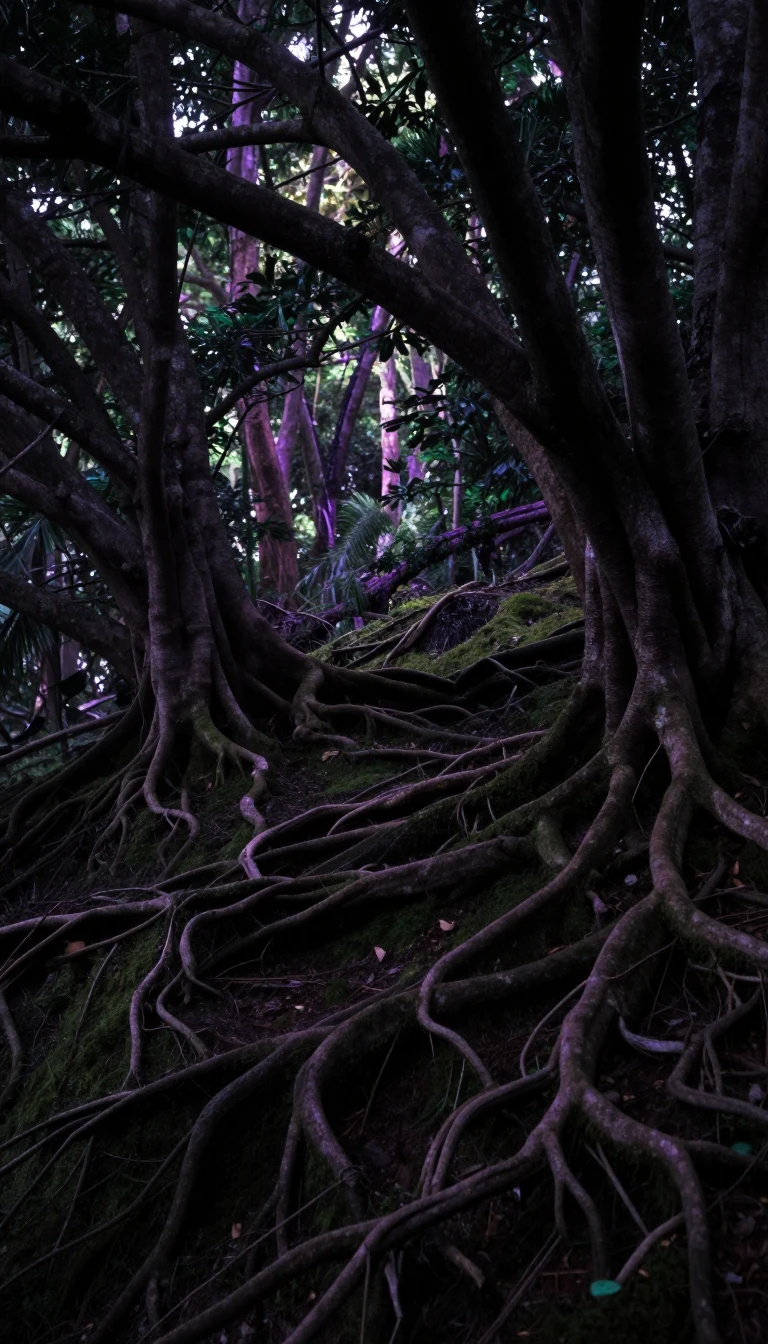 How animals master the vertical world: the physics of life in the treesNavigating the canopy requires more than just agility. To survive among the branches, animals must solve complex mechanical problems, from balancing on narrow, shifting supports t…
 Archelon was a prehistoric sea turtle that weighed as much as a small carThe largest turtle to ever exist, Archelon, once patrolled the shallow Cretaceous seas of North America. Measuring nearly five meters long and weighing up to 3.2 tonnes, this anci…
- The Giant African Millipede Is a Master of Nutrient Recycling and Chemical DefenseGrowing up to 33.5 centimetres long, the giant African millipede is the world's largest extant millipede. Beyond its impressive size, this docile creature serves as a vital decomp…
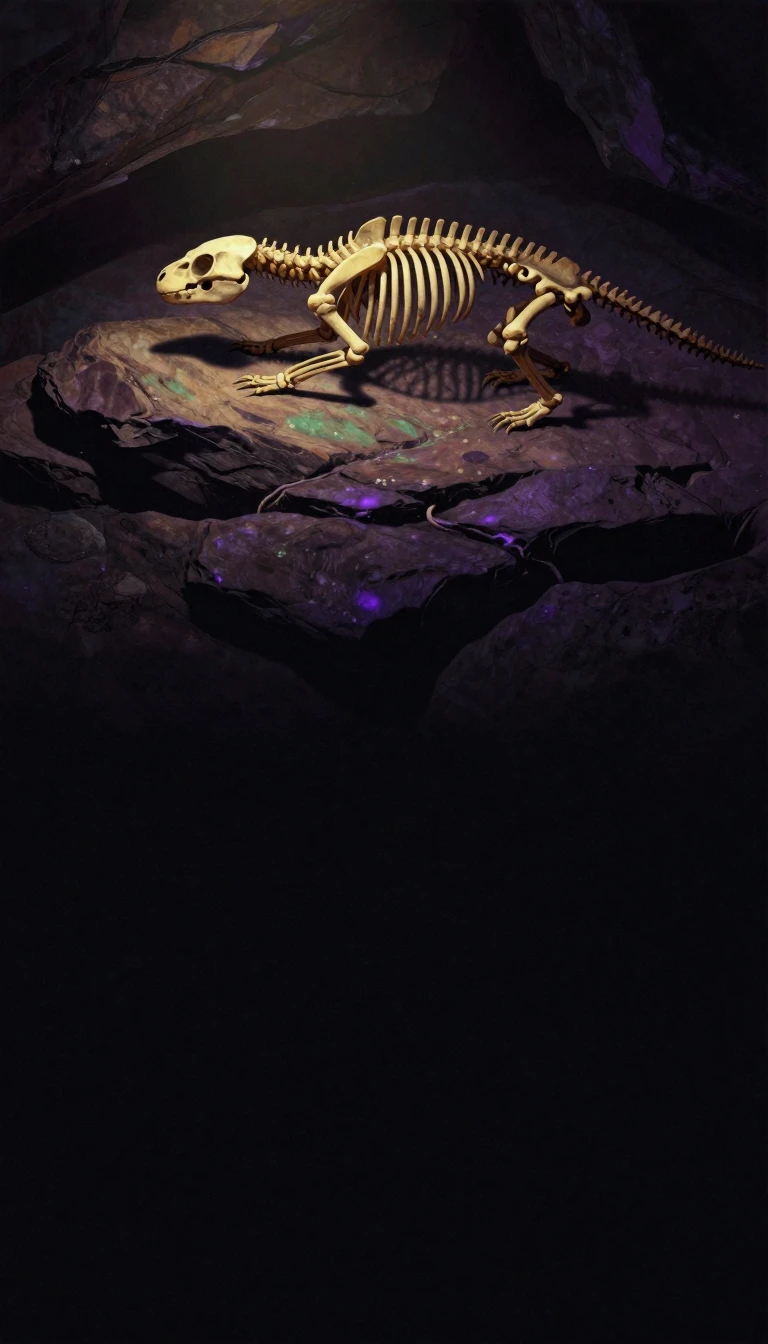 Are birds and crocodiles actually just the most successful members of a lizard clade?Archosauromorpha, meaning ruling lizard forms, is a massive group of reptiles that includes dinosaurs, birds, and crocodiles. While early members were small, lizard-like creatures…
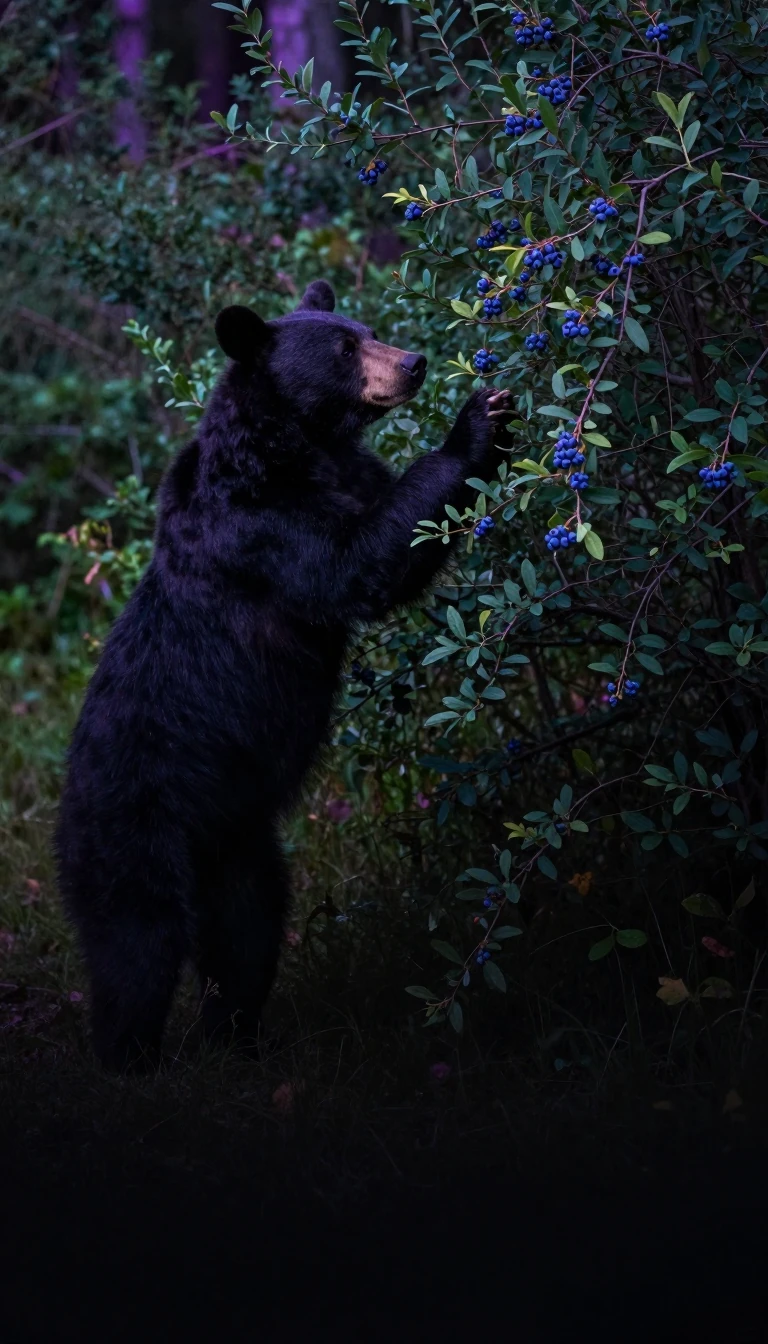 The giant short-faced bear was a massive, long-limbed omnivore that once roamed North America.Standing up to eleven feet tall, Arctodus simus was among the largest terrestrial carnivorans to ever exist. Despite its intimidating size and predatory reputation, this prehistor…
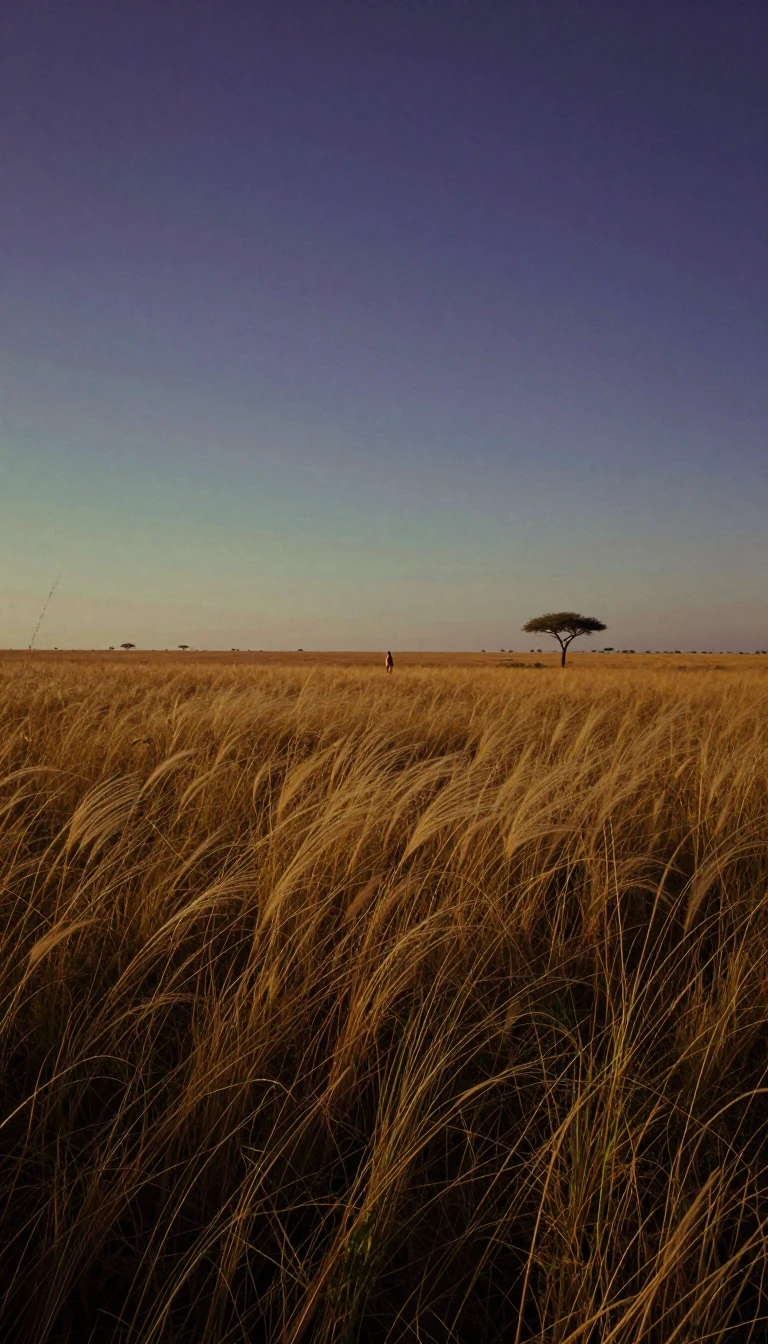 Ardi: The 4.4 Million-Year-Old Fossil That Rewrote the Story of Human EvolutionDiscovered in Ethiopia’s arid badlands, Ardi is a 4.4-million-year-old skeleton that challenges our understanding of human origins. With a unique mix of ape-like climbing traits a…
 Did this ancient hominin ancestor walk upright over five million years ago?Ardipithecus kadabba, a hominin species living between 5.8 and 5.2 million years ago, occupies a critical place in our evolutionary history. While known primarily from teeth and j…
- Ardipithecus ramidus reveals our ancestors were not just primitive versions of modern chimpanzeesFor decades, scientists assumed our earliest ancestors resembled modern chimpanzees. The discovery of Ardipithecus ramidus, a 4.4-million-year-old hominin, shattered this view. By…
 The hidden architect of the beach: how the lugworm engineers its sandy fortressBeneath the coiled sand mounds on your local beach lies a sophisticated U-shaped burrowing system. Lugworms are master engineers, using mucus-lined galleries and rhythmic body con…
 How did the heaviest flying bird in history manage to stay in the air?With a wingspan of up to six meters and a mass exceeding seventy kilograms, Argentavis magnificens challenges our understanding of avian flight. This extinct giant, which once soa…
 The Argentine ant has conquered the globe by abandoning its own natural instincts.While most ant species are fiercely territorial, the invasive Argentine ant thrives by ignoring its own kind. By forming massive, non-aggressive supercolonies that span entire con…
- Was the massive Argentinosaurus the largest land animal to ever walk the Earth?Argentinosaurus, a titan among dinosaurs, remains a subject of intense scientific debate. Known only from fragmentary remains discovered in Argentina, this herbivorous giant chall…
- The paper nautilus is an octopus that builds its own portable, floating nurseryUnlike its seafloor-dwelling cousins, the argonaut drifts near the ocean surface. To protect its eggs in the open water, the female secretes a delicate, papery shell from its own …
- These parasitic crustaceans are not lice, but masters of aquatic attachment and survivalCommonly called carp lice, the family Argulidae are actually specialized crustaceans known as Branchiurans. These obligate ectoparasites use sophisticated suction cups or hooked a…
- The Arizona bark scorpion is a desert survivor that can climb your wallsThis tiny, light brown arachnid is the most venomous scorpion in the United States. While it prefers the arid Sonoran Desert, it is uniquely adapted to thrive in residential areas…
 Army ants are not just a swarm; they are a single, nomadic, living organism.Army ants do not build permanent homes. Instead, they form living nests called bivouacs by linking their bodies together. These colonies, which can contain up to 15 million indivi…
 The world's most common worm infection takes a bizarre, mandatory detour through your lungs.Ascaris lumbricoides is a giant roundworm that infects over a billion people. After you swallow its microscopic eggs, the larvae do not simply stay in your gut. They embark on a m…
 The Asian water monitor is a surprisingly resilient urban scavenger thriving alongside human civilizationSecond only to the Komodo dragon in size, the Asian water monitor is a master of adaptation. While many large reptiles struggle near human development, this semiaquatic lizard thr…
- The Asiatic linsang is a cat-like predator with a mysterious evolutionary historySmall, spotted, and elusive, the Asiatic linsang has long baffled biologists. While it shares a name and some physical traits with civets, modern genetic analysis reveals it is ac…
 The primitive salamanders that defy standard amphibian reproductive norms across the Asian continentAsiatic salamanders, or Hynobiidae, are ancient amphibians that challenge typical reproductive patterns. Unlike most salamander families, these creatures utilize external fertiliz…
- The noble crayfish is a keystone species currently fighting for its survival in EuropeOnce a prized delicacy for Swedish nobility and a staple of European freshwater ecosystems, the noble crayfish is now a vulnerable species. Threatened by invasive rivals and a dea…
 The Atlantic canary is named after dogs, not the other way aroundThe vibrant yellow bird synonymous with the Canary Islands actually sports a dull, greenish coat in the wild. Its name, and the name of the archipelago it calls home, stems from t…
 Atlantic herring form massive, dense carpets of eggs on the ocean floor to survive.Atlantic herring are among the most abundant fish in the world, serving as a vital link in the marine food web. These schooling fish perform a remarkable reproductive feat, blanke…
- The moon jellyfish genome reveals the ancient origins of our own complex nervous systemsThe moon jellyfish, Aurelia coerulea, is more than a translucent drifter. As a radially symmetrical cnidarian, it serves as a vital model for understanding how early animals devel…
 The smallest seabirds in the world are masters of walking on the ocean surface.Austral storm petrels are the smallest of all seabirds, yet they possess a remarkable ability to hover and patter their feet across the water to snatch prey. These elusive, noctur…
 Meet the earliest known Australopithecus, a creature that walked upright but climbed like an ape.Australopithecus anamensis lived over four million years ago, bridging the gap between ancient ancestors and later hominins. While its tibia proves it walked on two legs, its anat…
 A 3.4-million-year-old foot proves our ancestors walked in many different waysFor decades, we thought early human evolution was a straight line. But the discovery of the Burtele foot, now linked to the species Australopithecus deyiremeda, reveals a more com…
 Australopithecus garhi: The 2.5-Million-Year-Old Hominin That Defies Simple Evolutionary NarrativesNamed for the Afar word for surprise, this hominin species bridges a mysterious gap in the fossil record. With a mosaic of primitive and advanced traits, it challenges our underst…
- Did a nine-year-old boy discover the missing link in human evolution?In 2008, a young boy exploring a South African cave stumbled upon a fossilized collarbone that would ignite a fierce scientific debate. Australopithecus sediba, a species dating b…
- How a wartime defensive strategy brought the Avocet back from the brink of extinctionThe Avocet is more than just a striking black and white wader with a signature upturned beak. Once extinct as a breeding bird in the UK, its dramatic return in the 1940s transform…
 The ghost shrimp is not a shrimp, but a master of ocean floor architecture.Often called mud or ghost shrimp, the infraorder Axiidea consists of decapod crustaceans that are only distantly related to true shrimp. These burrowing experts are essential to m…
- The aye-aye is a nocturnal primate that hunts by tapping on tree trunksWith its rodent-like teeth, skeletal middle finger, and giant ears, the aye-aye is often called the world's strangest primate. Native to Madagascar, this elusive nocturnal creatur…
 Azhdarchids were not ocean skimmers but terrestrial giants that stalked the Cretaceous landscapeLong thought to be ocean-skimming gliders, these massive pterosaurs were actually the storks of the Cretaceous. With wingspans reaching up to 20 metres, they roamed the earth on l…
- The babirusa's bizarre tusks can grow until they pierce the animal's own skull.Native to Indonesian islands like Sulawesi, the babirusa is a wild swine with a striking, evolutionary puzzle. Males possess upper canine tusks that curve backward toward their fo…
 Meet the world’s only mostly vegetarian spider, a master of botanical theftVirtually all 40,000 spider species are predators that liquefy their prey. Bagheera kiplingi, a jumping spider found in Mexico and Central America, is the sole exception. It survi…
 Meet Balaur bondoc, the stocky, double-clawed dragon that redefined European dinosaur evolutionForget the lithe, sprinting raptors of cinema. Discovered in Romania, Balaur bondoc was a kickboxing predator built for raw strength rather than speed. With two sickle-shaped claw…
- Why the world's most popular pet snake is a master of the defensive curlThe ball python is a nonvenomous constrictor from sub-Saharan Africa, famous for its docile nature and tendency to tuck its head into a tight sphere when threatened. While this be…
- The banana slug is a liquid-crystal marvel that can numb your tongue on contact.Native to North America's Pacific forests, the banana slug is more than a bright yellow mascot. This complex gastropod navigates its world using liquid-crystal slime, survives by …
 This burrowing frog survives dry seasons by hiding underground and inflating its own body.The banded bullfrog, often sold as the chubby frog, is a master of survival. Native to Southeast Asia, this stocky amphibian spends dry periods buried beneath the soil. When threa…