 Intellect Plus
Nature
11,198 cards. Each one is a 40-second story with a five-minute read behind it. Page 82 of 187.
Subtopics: Ageing · Air · Animal behaviour · Animal breeds and hybrids · Animals · Arthropods · Atmosphere · Big cats · Bilateria, others · Birds · Botany · Cnidarians · Conservation · Coral reefs · Deep sea · Deserts · Dinosaurs · Earth science · Earth science and physical geography · Earth science basics · Earthquakes & tsunamis · Echinoderms · Ecology · Ecosystems · Endangered species · Extinct animals · Farming · Fish · Forests · Fungi · General classifications · Geology · Geomorphology · How Long Can It Live? · Ice · Individual animals · Insects · Lightning · Longevity · Mammals · Marsupials · Migration · Mollusks · Ocean · Organisms · Parasites · Physical geography · Plants · Porifera · Predators · Primates · Rainforest · Reptiles & amphibians · Researched · Sharks & rays · Spiders & arachnids · Symbiosis · Trees · UK & Ireland: nature · Vertebrates · Vision · Volcanoes · Water · Waves · Weather · Whales & dolphins · Zoology
 Why the city you live in creates its own private weather systemCities are not just concrete jungles; they are distinct climatic zones. By replacing soil and vegetation with heat-absorbing masonry and asphalt, urban centers trap energy and alt…
 This common mineral is a master of ice formation and massive crystal growthMicrocline is a potassium-rich mineral found in granite and pegmatites. While it shares a chemical formula with orthoclase, its unique triclinic structure creates a distinct cross…
 How scientists recreate the crushing, hellish conditions of the Earth's deep interiorTo understand what lies thousands of miles beneath our feet, scientists must replicate the extreme pressures and temperatures of the planet's core in the lab. By crushing material…
- Is it mist or fog? The answer lies in how far you can seeWe often use these terms interchangeably, but meteorologists draw a precise line based on visibility. If you can see further than 1,000 metres, it is mist. If the world shrinks to…
 Why a massive earthquake can feel weaker than a minor tremor at your feetEarthquake magnitude measures total energy released, but intensity measures the actual shaking you feel. A deep, high-magnitude quake might barely rattle windows, while a shallow,…
 The Moho is the hidden, shifting boundary between Earth's crust and its mantle.Deep beneath our feet lies a seismic speed bump. Known as the Mohorovičić discontinuity, this boundary marks a sudden acceleration in seismic waves, revealing a fundamental shift …
 This reddish-brown mineral is a radioactive powerhouse that could revolutionize nuclear waste storage.Monazite is a phosphate mineral rich in rare-earth elements and thorium. Long prized as the foundation of the rare-earth industry, its radioactive nature once made it a liability.…
 Why the South Asian monsoon is two distinct, competing climate engines, not oneWe often think of the South Asian monsoon as a single, massive rain event. In reality, it is a complex system of two opposing wind patterns. By analyzing ancient sediment from the…
 Why mountain slopes act like a time machine for the planet's diverse ecosystemsMountains are vertical laboratories where climate shifts rapidly with every step. Climbing just 100 meters can mimic traveling 80 kilometers toward the poles. This stratification …
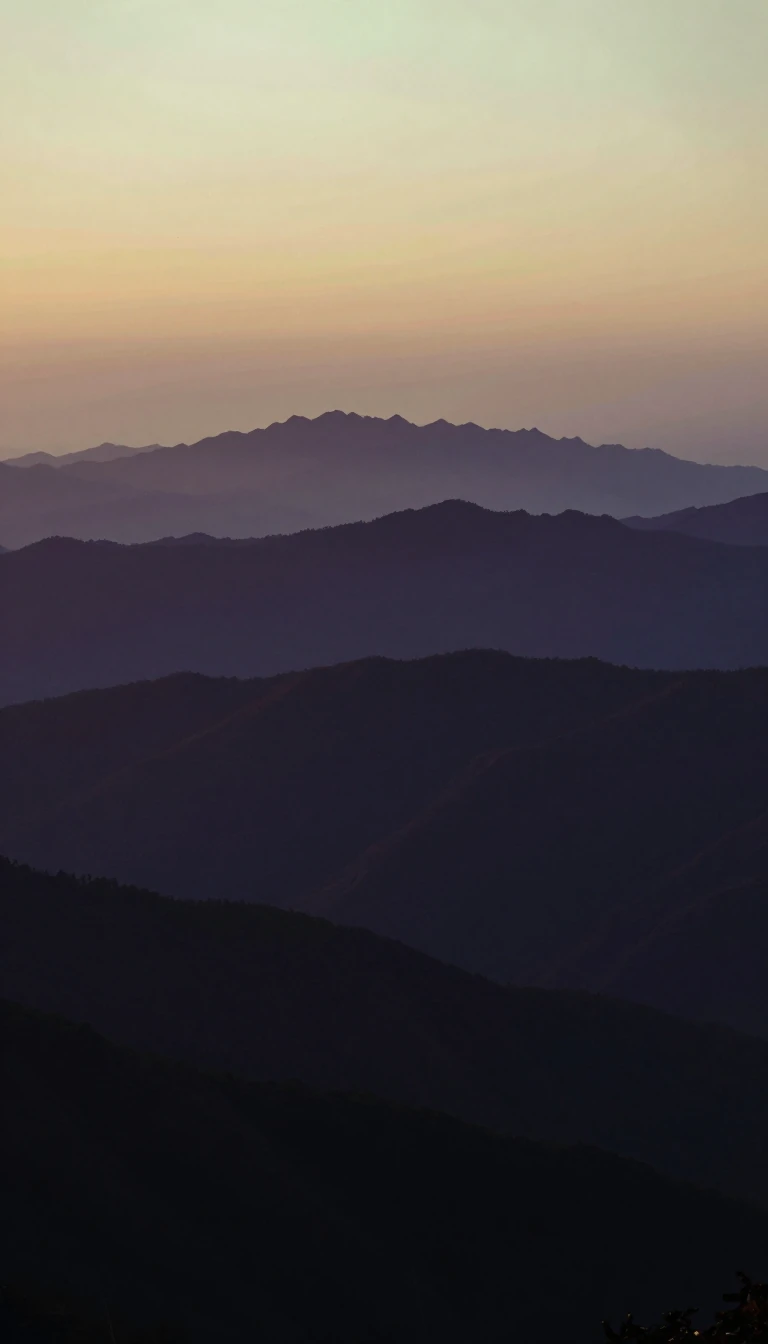 Why the UK's highest mountain summits are home to rare, wind-sculpted botanical staircasesAbove 750 meters, the UK’s high mountain summits host a rare, near-natural habitat defined by extreme exposure and shifting snow. These siliceous grasslands are not merely patches…
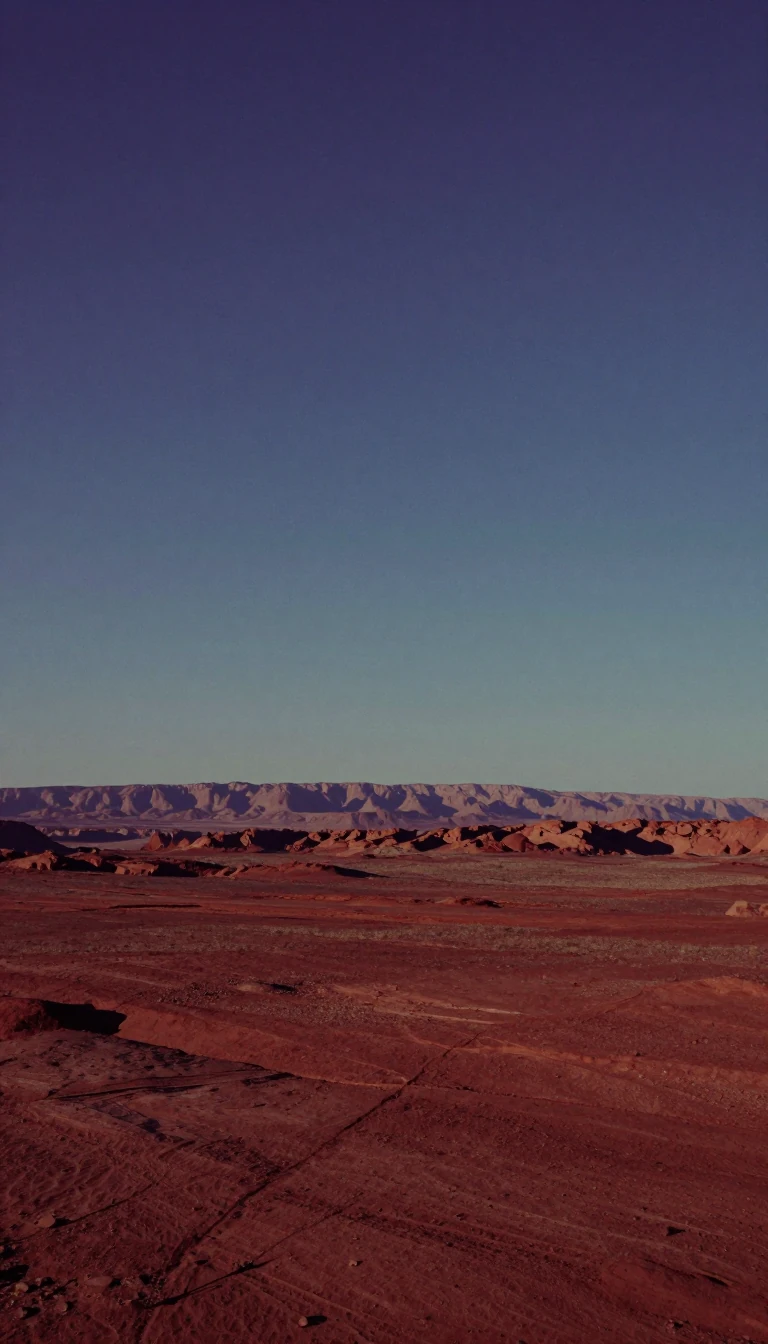 Mountains are not permanent fixtures but the result of Earth’s restless, shifting tectonic plates.Mountains are born from the violent collision, subduction, and stretching of Earth's crust. Whether through the buckling of continents, the rise of volcanic magma, or the tilting …
 Mud is far more than just dirt; it is a complex, life-sustaining geological material.Often dismissed as a nuisance, mud is a sophisticated mixture of loam, silt, or clay and water. From ancient architectural marvels to the intricate burrows supporting marine ecosy…
- Ancient mudcracks act as a geological compass to reveal which way was once up.When fine, water-saturated mud dries, it contracts into a network of polygons. These humble cracks, often preserved for hundreds of millions of years, serve as vital stratigraphic…
 Mudflows are not just wet dirt; they are powerful, fast-moving geological forces of nature.A mudflow is far more than a simple landslide. These liquified rivers of debris can travel at speeds of up to five metres per second, carrying massive boulders and scouring entire…
 Mudrocks make up half of all sedimentary rocks, yet they remain geologically mysterious.These fine-grained deposits are the most widespread rocks on Earth, yet they are notoriously difficult to classify and study. From the Himalayas to the Amazon, mudrocks record the…
 Before glass windows were common, medieval Russia used a mineral called Muscovy-glass.Muscovite is a common mineral known for its perfect, elastic sheets that can be peeled thinner than paper. Historically prized as a durable, cold-resistant alternative to glass in…
 Why the world's largest native copper deposits are hidden in Michigan's rugged northern wildernessMost metals hide within complex ores, but copper occasionally appears in its pure, metallic state. While rare, these native deposits shaped human history long before industrial mi…
- Most chemical elements are locked in compounds, but nineteen exist as pure minerals.Of the ninety chemical elements found in nature, only a tiny fraction appear in their uncombined, elemental form. These rare native elements defy simple categorization, appearing …
 Most metals in their pure form are rare, but some exist naturally in the wild.While we associate metals with industrial smelting, nature occasionally yields them in their pure, metallic state. From gold nuggets in riverbeds to massive copper deposits in the…
- Beneath our feet, ancient rocks are quietly generating a massive, untapped clean energy reserve.For decades, we have manufactured hydrogen using fossil fuels, ignoring the Earth's own production. New research confirms that ancient rocks in Canada naturally release hydrogen g…
 How geophysics lets us see through solid ground without ever picking up a shovelNear-surface geophysics uses remote sensing to map the top tens of meters of the Earth. By measuring magnetic, electrical, and seismic anomalies, scientists can locate everything …
 The Neoarchean era was the crucible where Earth's modern biological and geological systems ignited.Spanning 2800 to 2500 million years ago, the Neoarchean era fundamentally reshaped our planet. It saw the rise of oxygen, the formation of early supercontinents, and the potential…
 The Neoproterozoic Era was a time of extreme climate shifts and emerging complex life.Spanning from one billion to 541 million years ago, the Neoproterozoic Era reshaped Earth. It saw the breakup of the supercontinent Rodinia, the rise of oxygen levels, and the eme…
 Why the ocean's shallowest fringe is the engine room for all marine lifeThe neritic zone, a narrow band stretching from the shoreline to the continental shelf's edge, is the ocean's most productive region. While it represents only a fraction of the se…
 The mysterious life forms thriving at the thin, invisible interface of our planet's waters.Neuston are organisms that dwell precisely at the air-water interface, either riding the surface film or clinging to its underside. While often overshadowed by their drifting plan…
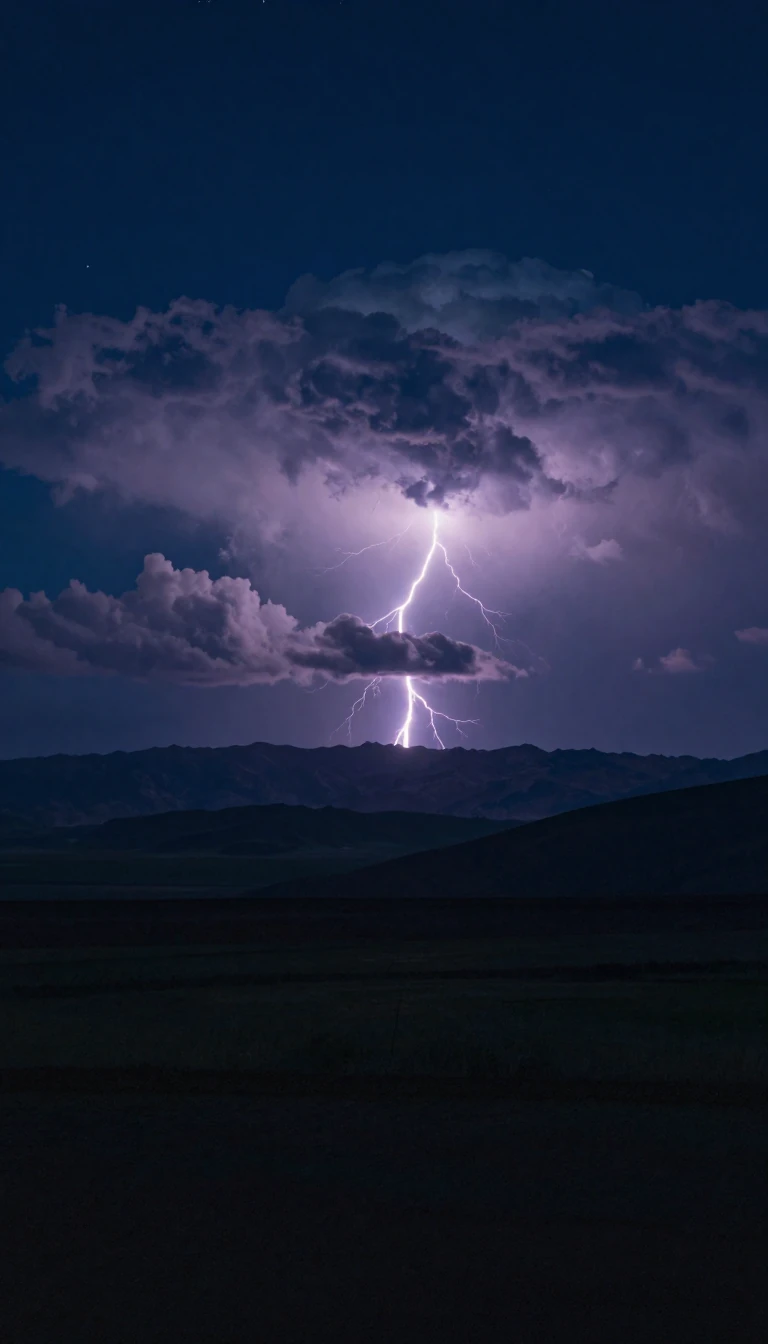 Why the nimbostratus is the most reliable harbinger of a long, grey dayOften dismissed as the least picturesque cloud, the nimbostratus is a massive, featureless blanket that signals the arrival of steady, persistent precipitation. Unlike the sudden …
 Human activity has more than doubled the annual transfer of nitrogen into biological forms.Nitrogen is the silent engine of life, yet most of it remains locked away in our atmosphere. While natural processes like lightning and bacterial fixation once governed its flow, …
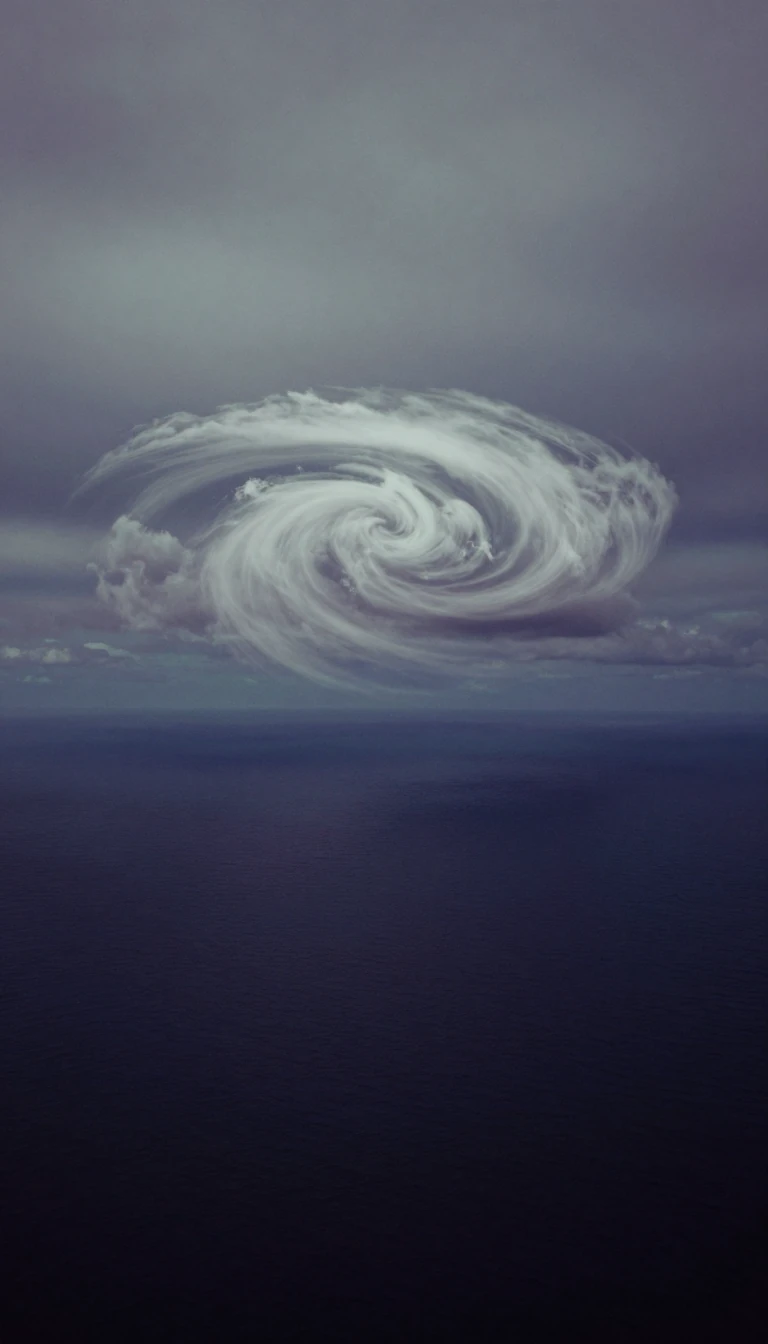 Earth's highest clouds shine at night because they are made of frozen space dustFloating 50 miles above the surface, noctilucent clouds are the highest in our atmosphere. These electric blue streaks appear only during summer, when the mesosphere reaches extre…
 These mysterious deep-sea rocks grow like tree rings over millions of yearsScattered across the vast, dark abyssal plains of our oceans lie millions of round, mineral-rich stones known as ferromanganese nodules. These peculiar formations accrete layer by…
 The ocean is absorbing our carbon emissions, but the chemical cost is rising rapidlyAs the world burns fossil fuels, the ocean acts as a massive carbon sink, absorbing roughly a quarter of human-generated emissions. This service slows global warming but fundament…
 The ocean is not a static pool but a complex, stratified, moving machine.Ocean dynamics govern how water flows, mixing heat and nutrients across the globe. From the turbulent surface layer to the dark, slow-moving depths, the ocean operates through pre…
 The ocean surface is not just water; it is a vital, living skin connecting worlds.The ocean surface is a unique, sun-drenched boundary layer teeming with neuston—organisms that swim or float at the interface of air and water. This thin, critical habitat acts as…
- The ocean is not flat: mapping the hidden hills and valleys of our seasWhile the ocean looks level from the shore, it is actually a complex landscape of peaks and troughs. These variations in sea surface height, caused by tides, currents, and gravity…
- The ocean is a massive heat engine, and its temperature is hitting record highs.From the freezing waters near the poles to the tropical heat of the equator, ocean temperature dictates global weather and marine survival. As the planet warms, the ocean is absor…
- The ocean is not just water; it is a vertical world of five distinct layersBeneath the surface, the ocean divides into five unique vertical zones, each defined by light, pressure, and temperature. From the sun-drenched surface to the crushing, pitch-blac…
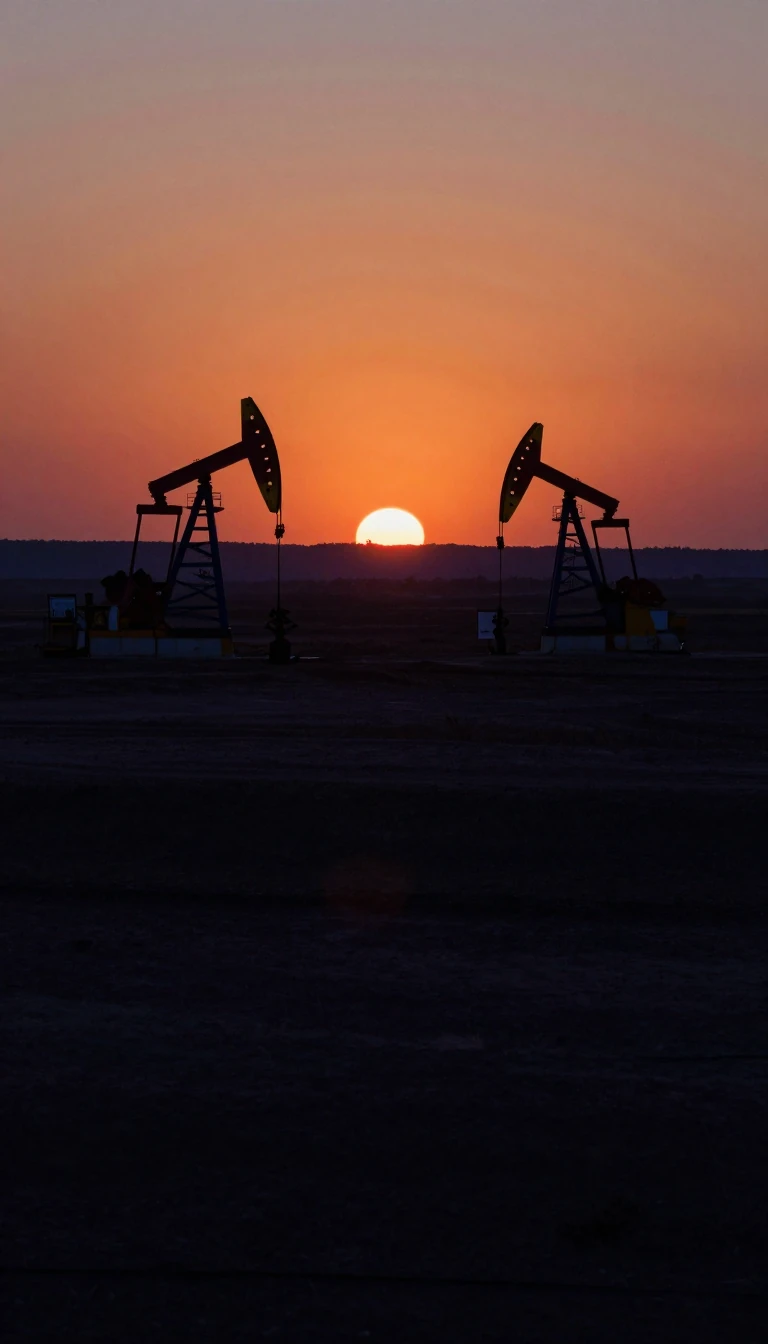 Why the world’s largest oil reserves are actually thick, sticky, and ancient molassesOil sands are not just a fuel source; they are a geological anomaly. These vast, unconventional deposits consist of sand and water saturated with bitumen, a viscous form of petrol…
 Is the Okhotsk plate a distinct tectonic entity or part of North America?Geologists are debating whether the Okhotsk plate is an independent tectonic block or merely the western edge of the North American plate. This minor plate, which encompasses part…
 This common mineral makes up the bulk of the Earth's upper mantleOlivine is more than just a pretty green gemstone. As the most abundant mineral in the Earth's upper mantle, it dictates the flow of solid rock that drives plate tectonics. Beneat…
 The black onyx in your jewelry is likely a clever chemical deceptionTrue onyx is a rare, naturally banded silicate mineral, yet most of what you see on the market is actually common agate treated with sugar and acid. This ancient technique, docume…
- Why the world's most mesmerizing gemstone is technically just a pile of glass spheresOpal is not a mineral, but a mineraloid—a hydrated, amorphous form of silica. Its famous play-of-color is not a pigment, but a structural illusion created by light diffracting thr…
 How molecular fossils in rocks reveal the secrets of Earth's ancient climate and lifeOrganic geochemistry tracks the transformation of biological matter over millions of years. By analyzing molecular fossils and biomarkers preserved in sediments, scientists recons…
- Mountains are not permanent fixtures but the scars of ancient tectonic collisionsMountains rise when tectonic plates collide, crumpling the Earth's crust like a rug. This process, known as orogeny, transforms sedimentary basins into towering peaks over tens of…
 This brilliant yellow mineral was once a prized pigment and a deadly alchemical secret.Orpiment, a vibrant arsenic sulfide, captivated artists from ancient Egypt to the Renaissance with its intense golden hue. Yet, this striking mineral is notoriously toxic and chem…
 Why rational individual choices often lead to the total destruction of shared natural resources.When individuals act in their own self-interest to harvest common resources, they often trigger a collective collapse. This phenomenon, known as the tragedy of the commons, explai…
- Are we winning a war against the ocean that we cannot afford to win?For decades, industrial fishing has treated the sea as an inexhaustible pantry. By deploying sophisticated technology to extract marine life faster than it can replenish, we have …
 The vast majority of Earth's oxygen is locked away beneath your very feetWhile we rely on the air to breathe, the atmosphere holds less than 0.05 percent of the planet's total oxygen. Nearly all of Earth's oxygen is actually trapped within the minerals…
 The fastest seismic waves are our best tool for mapping the Earth's hidden interior.P waves, or primary waves, are the first signals to reach a seismograph during an earthquake. Because they travel through solids, liquids, and gases, they act as a natural probe, …
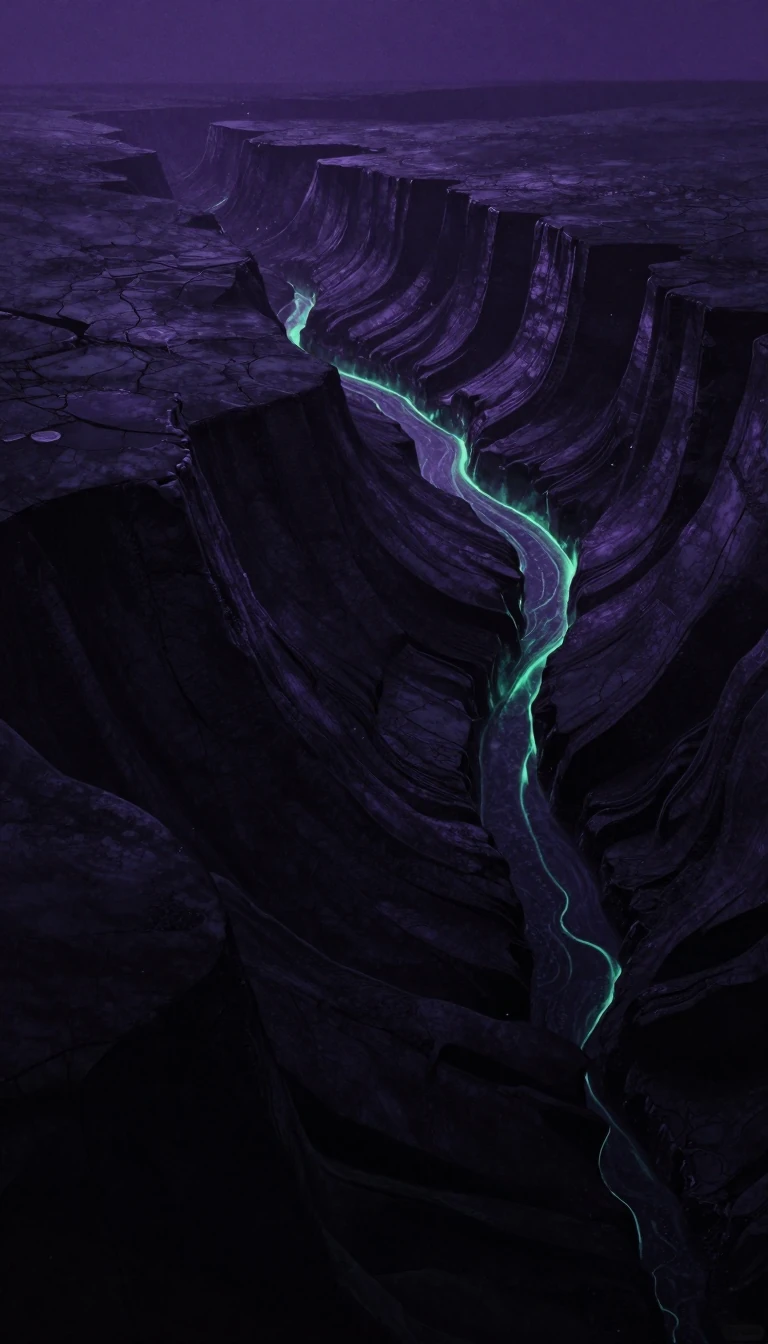 The Pacific Plate is a massive, shifting engine that shapes the Earth's largest ocean.Underneath the vast expanse of the Pacific Ocean lies a tectonic giant. This massive plate is not merely a static floor; it is a dynamic, moving entity that consumes its neighbors…
 Why this rare gemstone was mistaken for a common ruby for decadesPainite is a borate mineral so elusive that for half a century, only two faceted specimens were known to exist. Discovered in Myanmar by Arthur C.D. Pain, the stone was initially …
- Earth 3.5 billion years ago was a violent, water-covered world of microbial lifeThe Paleoarchean era, spanning 3,600 to 3,200 million years ago, offers our earliest glimpse into life on Earth. Amidst a landscape dominated by underwater crust and massive aster…
 Fifty-six million years ago, Earth experienced a massive, rapid spike in global temperatures.The Paleocene–Eocene Thermal Maximum stands as one of the most significant climate events in recent geological history. Occurring roughly 56 million years ago, this interval saw a…
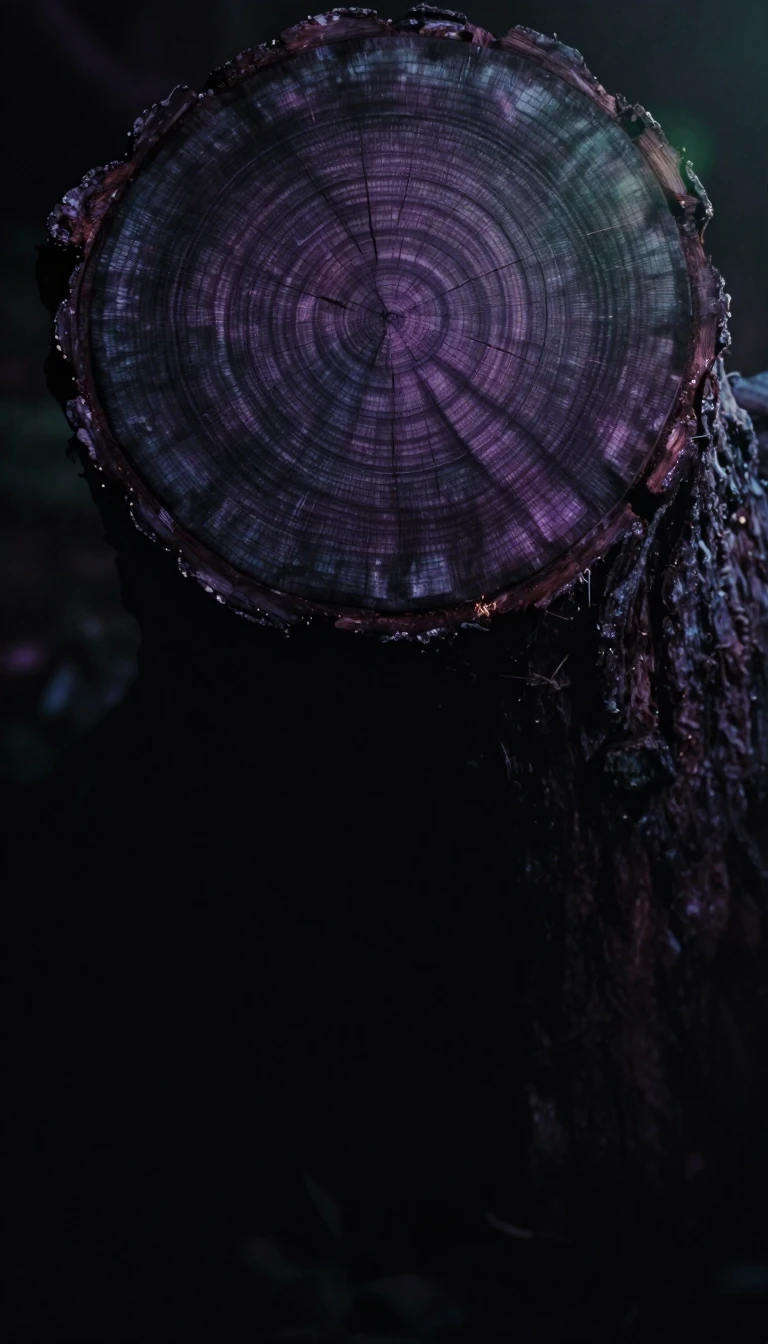 How ancient ice and coral reefs reveal the clockwork of Earth's climate historyEarth’s climate is not just a random sequence of weather, but a system governed by precise orbital mechanics. By analyzing ice cores, sea sediments, and fossilized reefs, scientis…
- Buried beneath the surface, ancient soils act as silent witnesses to Earth's deep history.A paleosol is a fossilized soil, preserved for eons under layers of volcanic ash or sediment. These subterranean time capsules offer geologists a rare, direct link to the atmosphe…
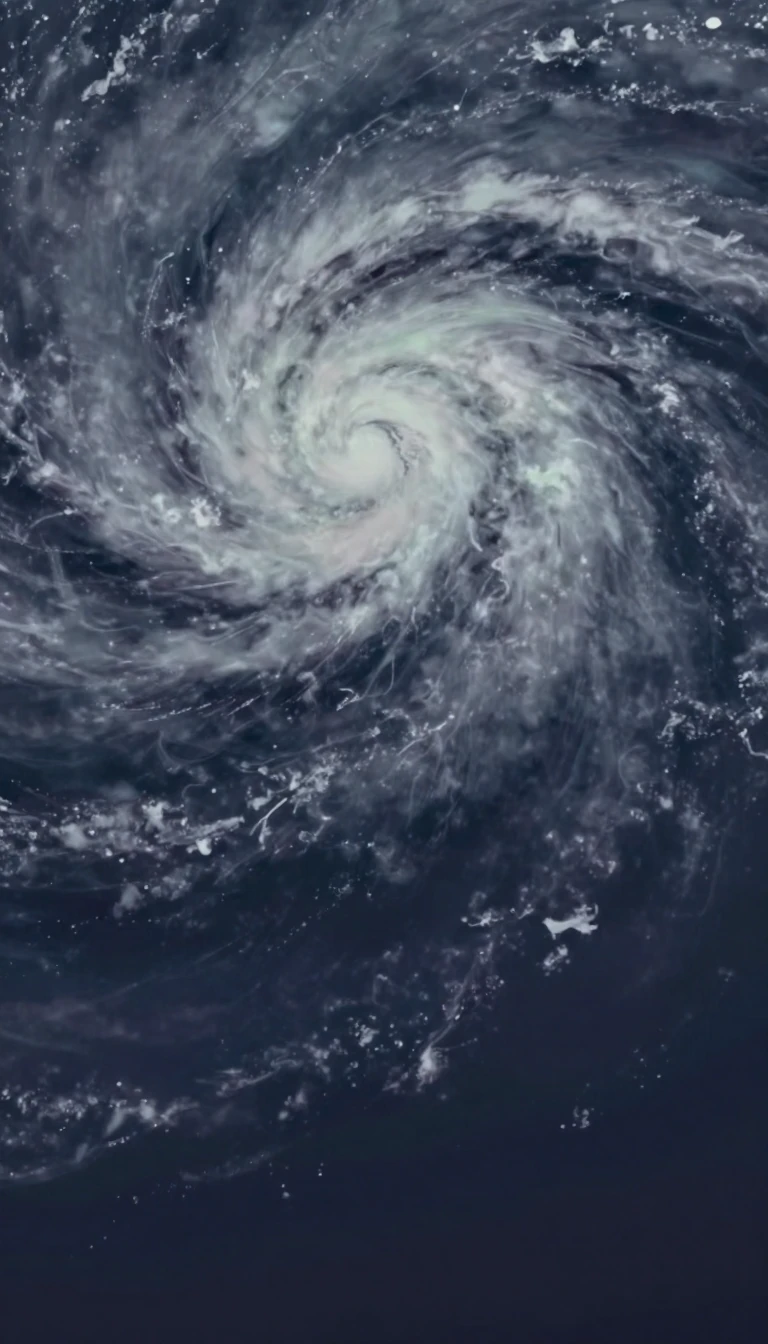 Can we reconstruct the history of ancient hurricanes using only the earth beneath us?Paleotempestology attempts to map prehistoric storm activity by analyzing geological proxies like sediment layers. While researchers hope this data will reveal long-term recurrenc…
 Tiny sea snails are becoming the ocean's most precise new climate thermometersScientists have discovered that the shells of pteropods, small swimming sea snails, act as high-resolution recorders of past ocean temperatures. By analyzing the ratio of lithium …
 Did a massive, short-lived supercontinent once turn the world inside out?Geologists debate the existence of Pannotia, a proposed supercontinent that may have briefly united Earth's landmasses around 600 million years ago. If it existed, this giant land…
- Panthalassa: The colossal superocean that once defined our planet's entire surfaceBefore the modern Pacific existed, a single, hemisphere-sized ocean called Panthalassa wrapped around the supercontinent Pangaea. Covering nearly 70% of Earth, this ancient giant …
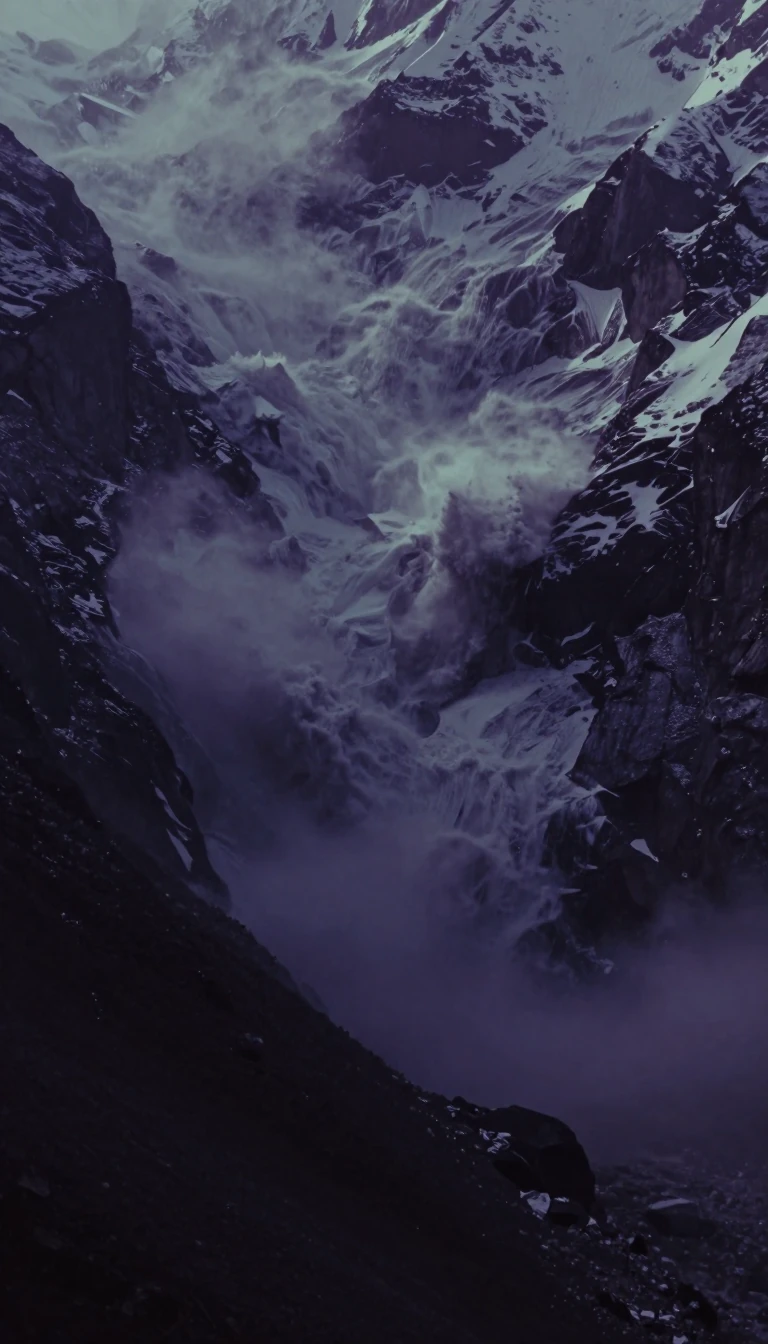 Partial melting is the hidden engine that reshapes the Earth's solid crustDeep beneath our feet, rocks do not always melt entirely. Instead, they undergo partial melting, a process where only specific minerals liquefy. This selective transformation crea…
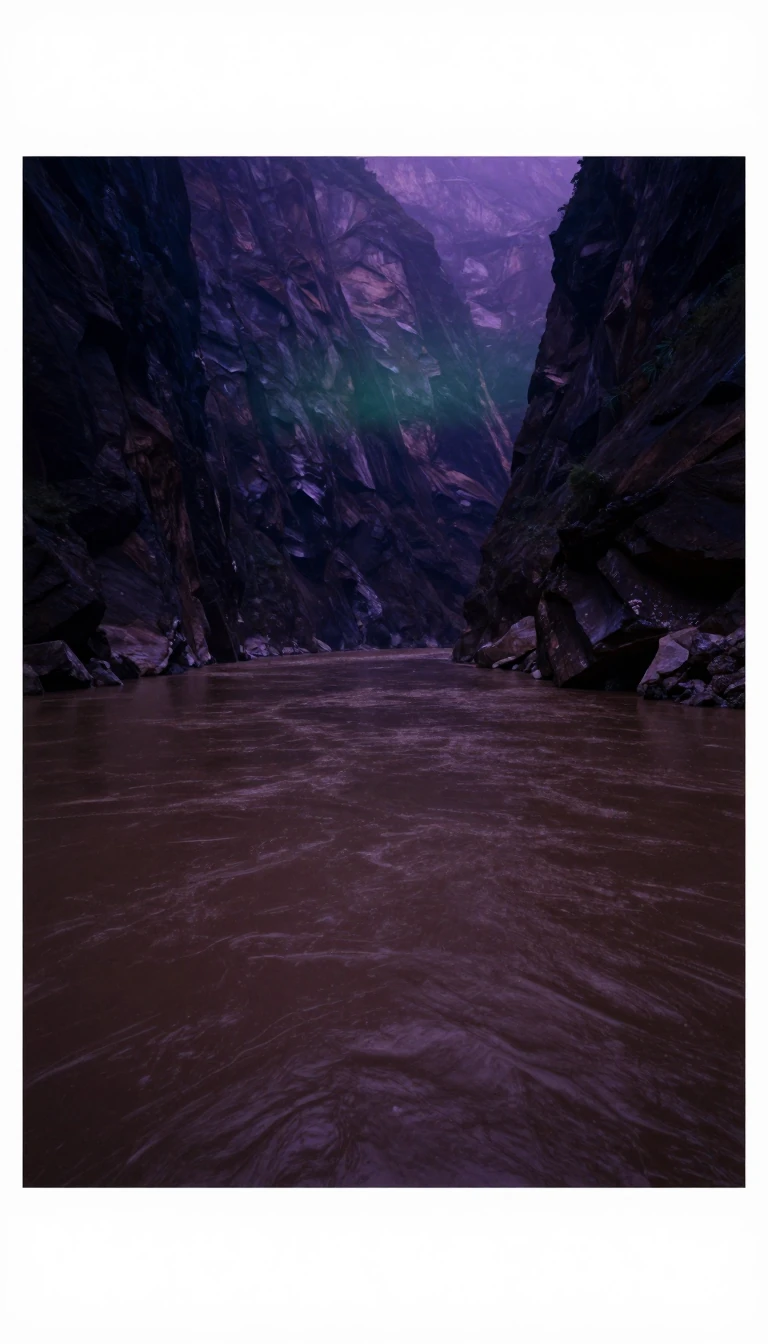 Passive margins are not inactive, but are the world's most productive geological frontiersFar from being geological dead zones, passive margins are dynamic, evolving structures that define the edges of our continents. They are the transition points between continental …
- Earth's rotating surface and shifting ice sheets have dictated sea levels for millions of years.Sea levels are not merely a product of melting ice. They are shaped by the complex interplay of planetary rotation, tectonic movement, and the massive weight of ice sheets pressin…