 Intellect Plus
Space
9,120 cards. Each one is a 40-second story with a five-minute read behind it. Page 111 of 152.
Subtopics: Apollo · Asteroids · Astronauts · Astronomical objects · Astronomical technology · Astronomy · Astronomy and geodesy · Astronomy basics · Big bang · Black holes · Celestial mechanics · Celestial sphere · Comets · Constellations · Cosmology · Dark energy · Dark matter · Deep time · Exoplanets · Exploration · Future Frontier · Galactic and extragalactic astronomy · Galaxies · Gravity · Impacts · Interstellar · Jupiter · Light · Mars · Mars exploration · Meteorites & asteroids · Moon · Moon exploration · Moons · Navigation and timekeeping · Nebulae · Observational astronomy · Observatories · Physical cosmology · Physics · Planetary science · Planets · Quantum · Relativity · Rockets & launch vehicles · Satellites · Saturn · Seti · Space · Space agencies · Space probes · Space stations · Space telescopes · Spacecraft · Spaceflight · Stars · Stellar astronomy · Sun & solar physics · Supernovae · Telescopes · Volcanoes · Weather
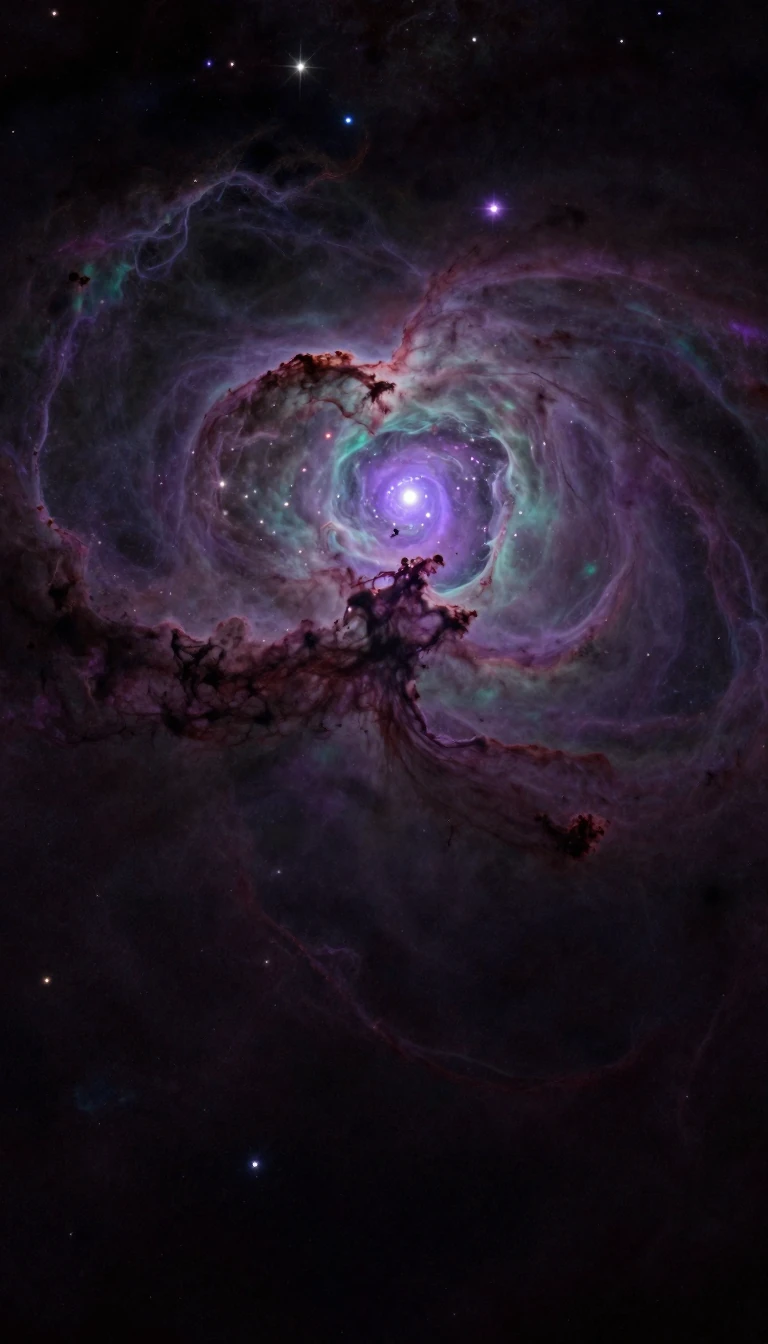 Before a star ignites, it exists as a cold, dense nursery of cosmic dust.Deep within the turbulent expanse of our galaxy, stars begin as pre-stellar cores. These massive, frigid reservoirs of gas and dust represent the critical phase before gravitation…
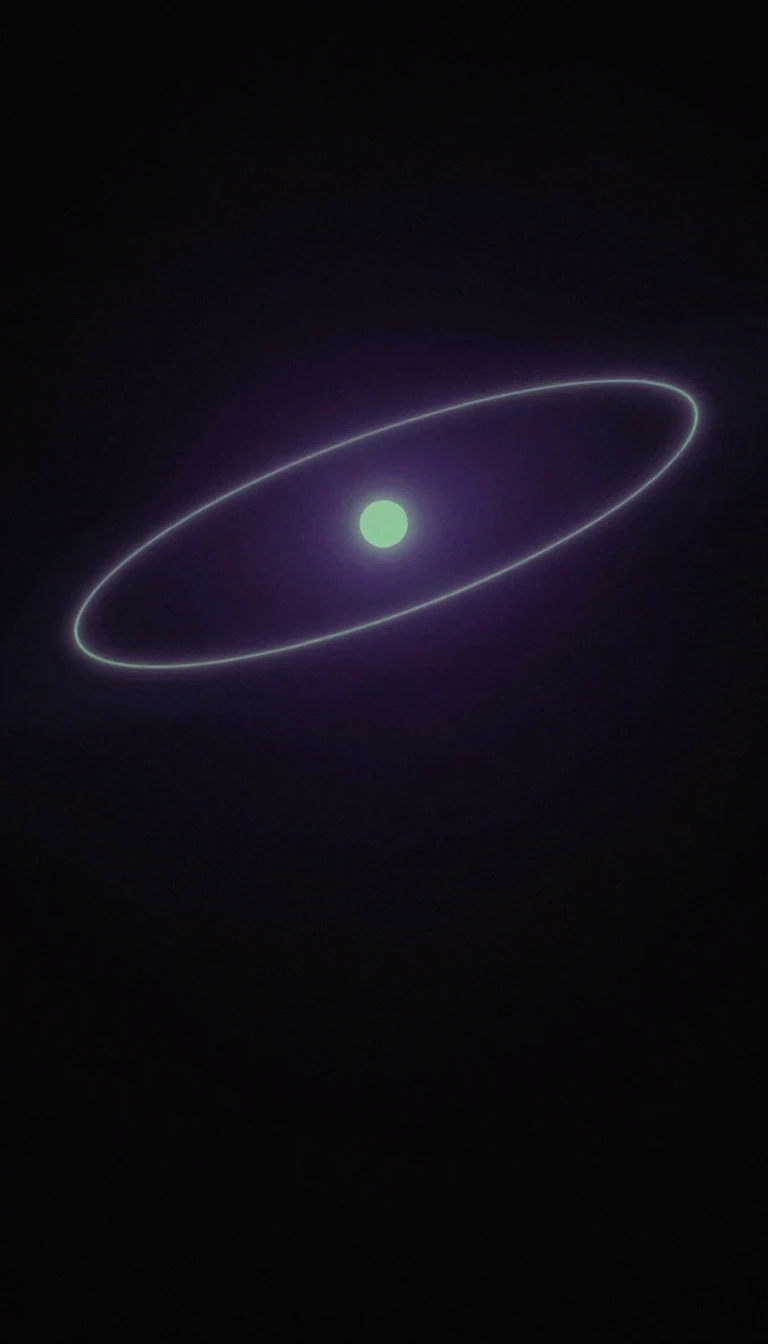 Stars are not fixed in the sky, but drift across it over centuriesConstellations like Ursa Major look identical to how they appeared centuries ago, but this is an illusion of scale. Every star possesses an independent, measurable proper motion. …
 Proplyds are the cosmic nurseries where stars and planets fight for survival against radiationA proplyd is a protoplanetary disk being stripped away by the intense radiation of nearby massive stars. These ionized structures, found primarily in the Orion Nebula, reveal the …
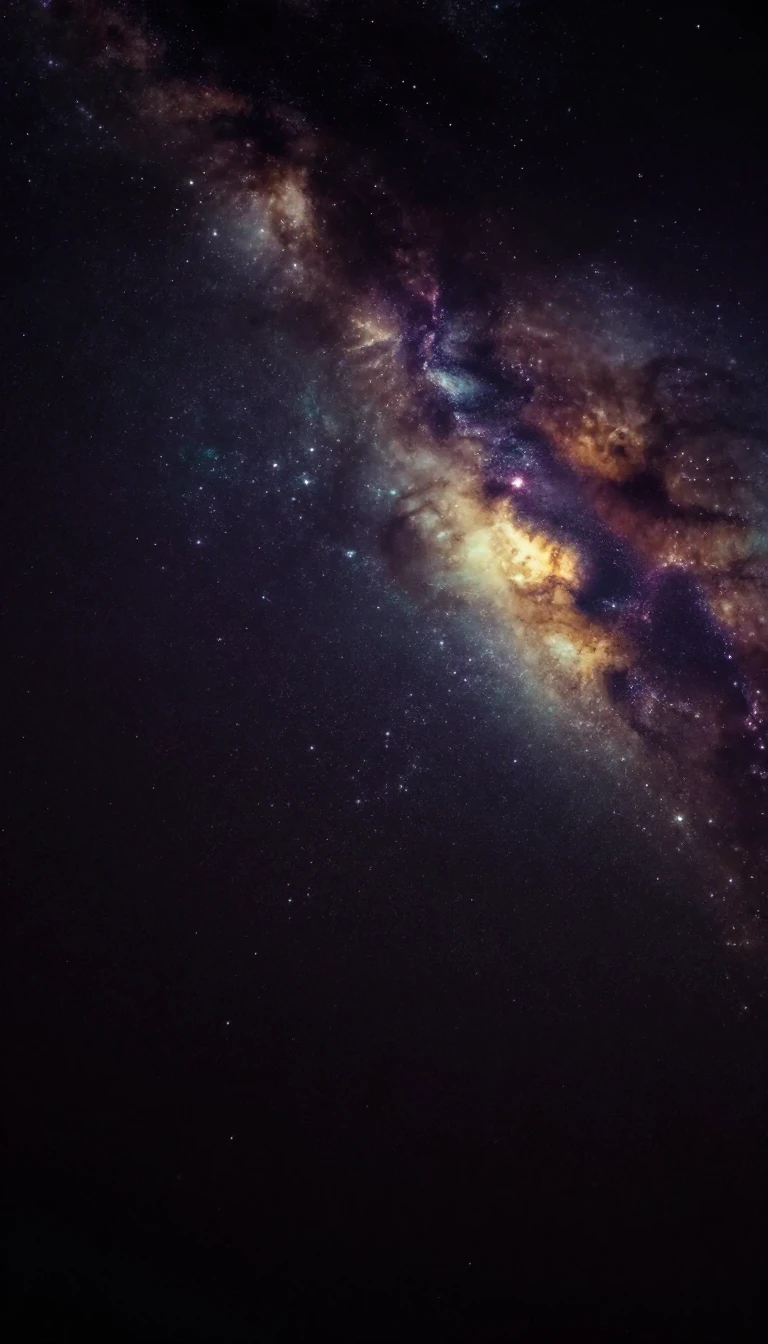 How do gas giant planets form? The answer may lie in swirling cosmic dust.Protoplanetary disks are the swirling nurseries of stars and planets. These massive, rotating structures of gas and dust surround newly formed stars, acting as the raw material fo…
- The fleeting cosmic sculpture that transforms a dying star into a glowing nebulaA protoplanetary nebula is a brief, high-luminosity stage in a star's life, lasting less than 10,000 years. During this rapid transition, the star sheds its outer layers, creating…
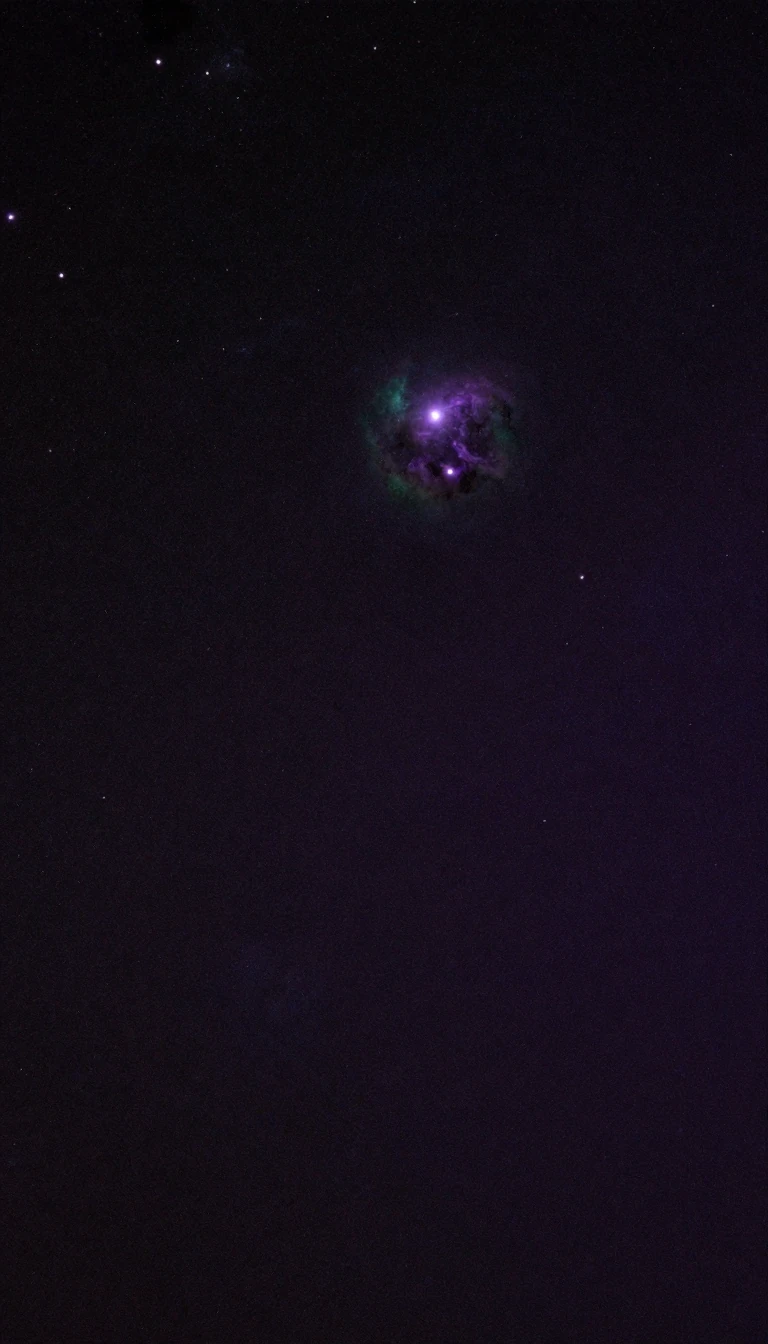 The fastest spinning star in the sky that keeps time like an atomic clockDiscovered in 1982, PSR B1937+21 shattered expectations for how fast a neutron star could rotate. Spinning over 640 times per second, this celestial beacon is so stable it rivals …
 Puppis is the massive stern of a legendary ship that once sailed the stars.Once part of the colossal Argo Navis, the constellation Puppis represents the stern of Jason's mythical ship. Though it was carved out of a larger celestial entity in the 18th cen…
- Pyxis is a modern celestial compass that once belonged to a legendary ancient ship.Introduced in the 18th century, the constellation Pyxis represents a mariner's compass. While it occupies a small patch of the southern sky, it sits near the stars that once forme…
 A distant world in the Kuiper Belt defies the laws of planetary ringsDeep in the icy reaches of the Kuiper Belt, the dwarf planet Quaoar hosts a mysterious ring system. According to standard orbital mechanics, this material should have coalesced in…
 Could the densest objects in the universe be made of free-floating subatomic particles?Deep within the most massive collapsed stars, gravity may be so intense that it crushes neutrons into their constituent parts. This hypothetical state, known as quark matter, coul…
 Is the universe driven by a fifth element that changes over time?Physicists propose that dark energy might not be a static constant, but a dynamic, evolving field called quintessence. Named after Aristotle's celestial aether, this hypothetical …
 The universe creates half of all heavy elements through rapid, violent neutron bombardment.The r-process is a cosmic assembly line that builds elements heavier than iron. By cramming neutrons into nuclei faster than they can decay, it produces gold, uranium, and thorium…
- Deep within the Tarantula Nebula lies a nursery of the universe's most massive stars.Located 170,000 light-years away, the R136 star cluster is a powerhouse of cosmic activity. This dense, young region contains hundreds of brilliant blue stars, including some of t…
- Stars do not sit still; they wobble in response to their orbiting planetary companions.We often imagine the Sun as a stationary anchor for our planets, but in reality, both orbit a shared center of mass. This gravitational dance causes stars to move in small, period…
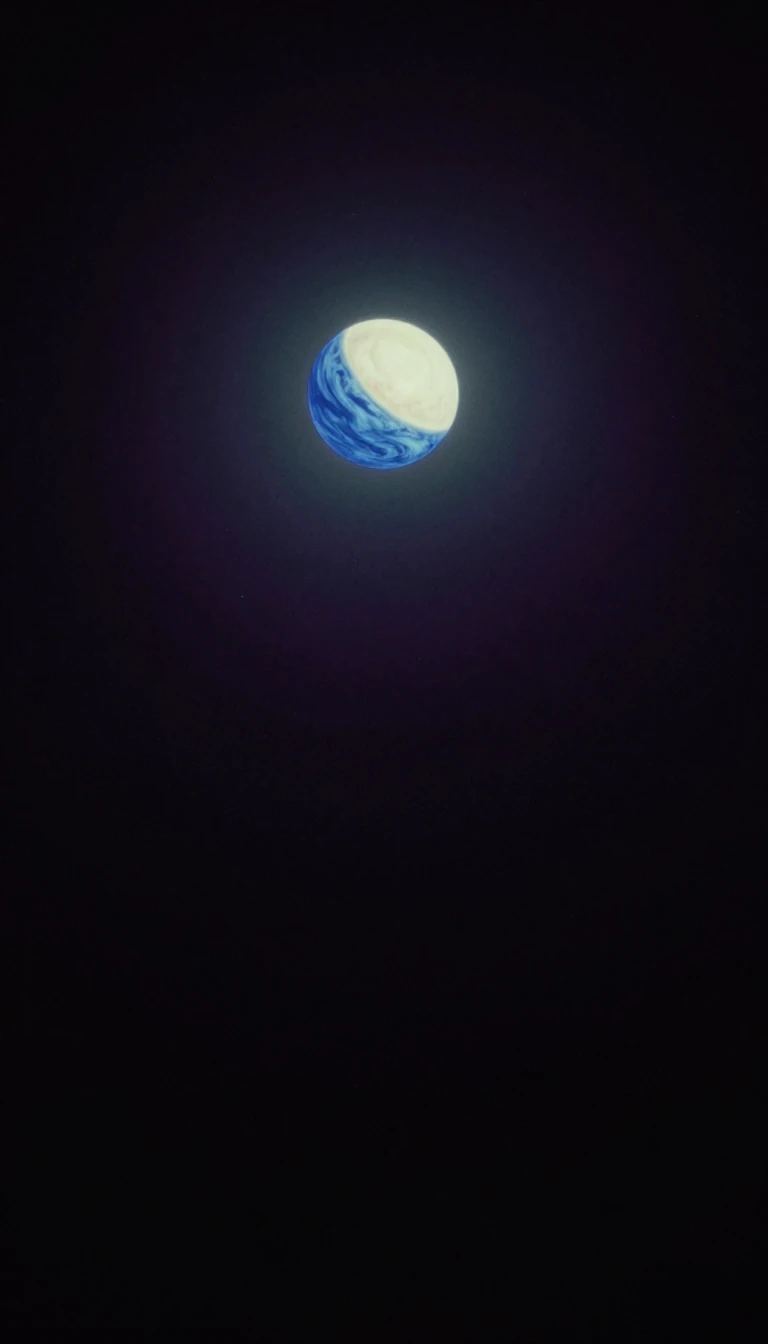 Why it takes millions of years for light to escape the Sun's interiorThe Sun is not a solid object, but a roiling ball of plasma. Deep within, energy generated by nuclear fusion must navigate the radiative zone. This layer acts like a cosmic maze, …
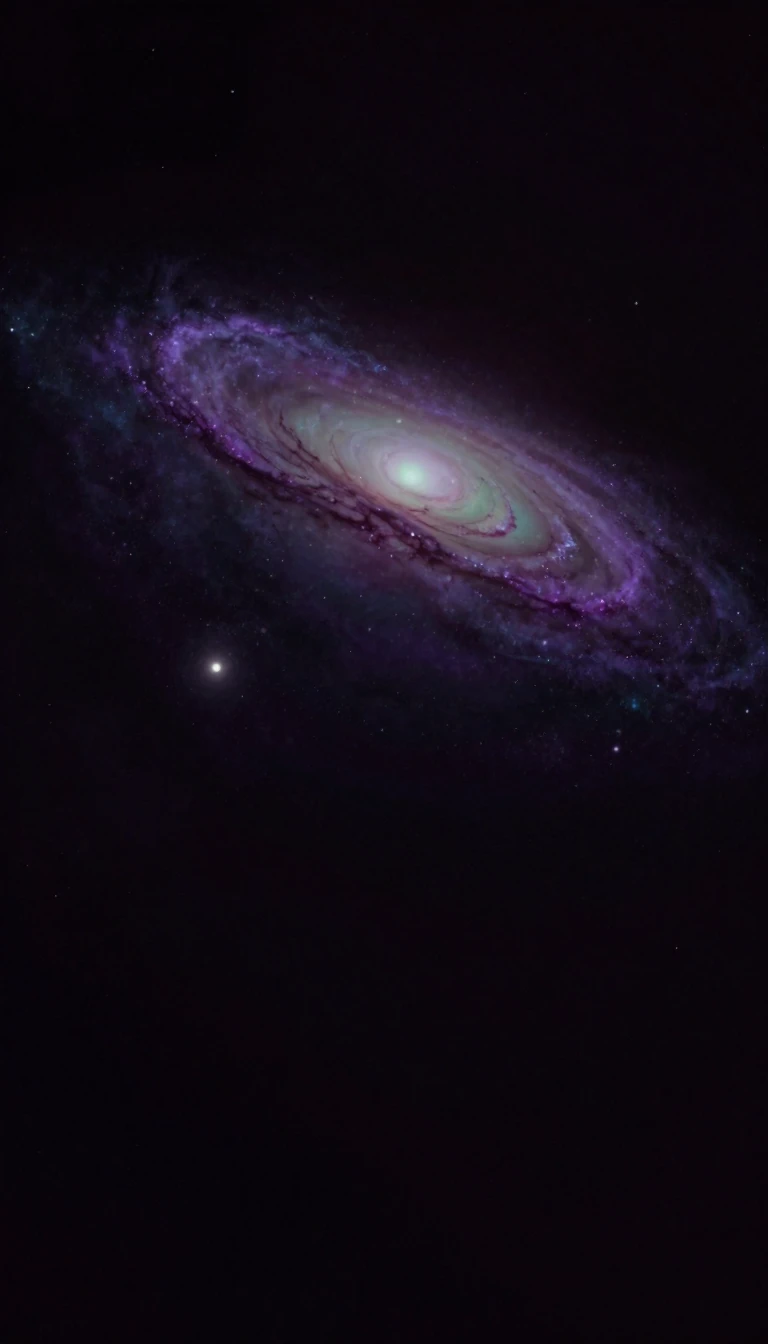 Radio astronomy allows us to observe the universe through invisible, high-energy cosmic signals.Radio astronomy reveals celestial phenomena invisible to optical telescopes, from the cosmic microwave background to supermassive black holes. By capturing radio waves rather than…
- The invisible smog filling our skies is drowning out the whispers of the universeWe live in a world saturated with electromagnetic noise, from lightning strikes to leaking light fixtures and satellite constellations. This radio spectrum pollution is not just a…
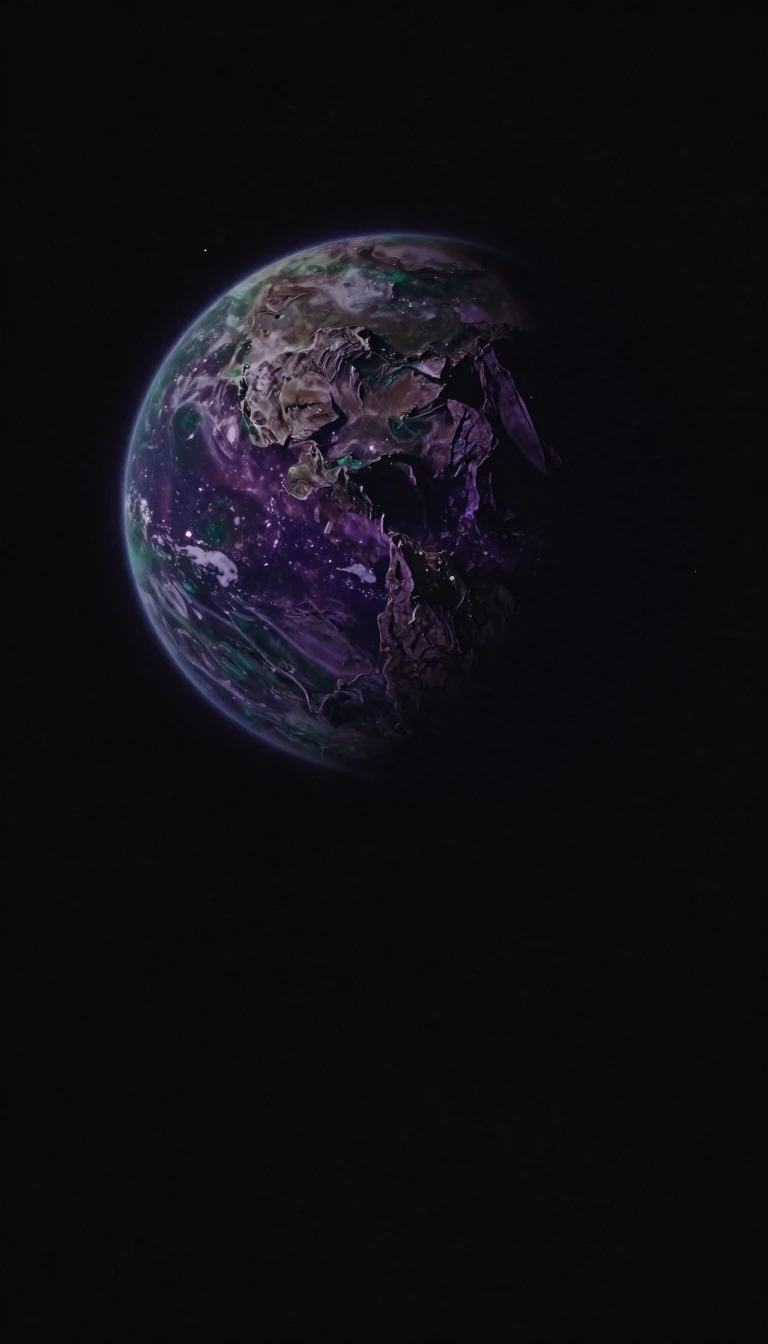 Is Earth a cosmic fluke, or is complex life common throughout the universe?The Rare Earth hypothesis suggests that the evolution of complex life requires an improbable sequence of astrophysical and geological events. While the universe is vast, this theo…
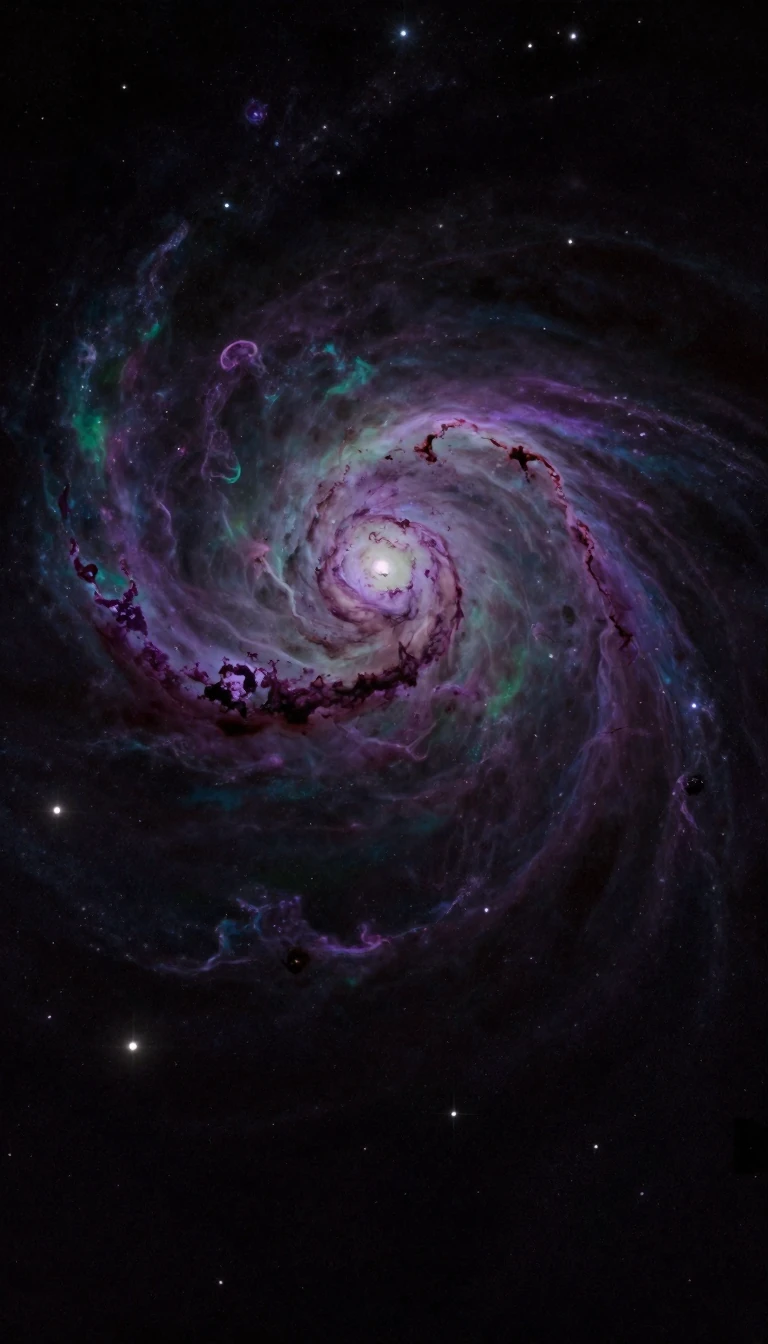 Why the universe is running away from us at an ever-increasing speedThe further away a galaxy is, the faster it appears to be moving away from Earth. This phenomenon, known as recessional velocity, is the cornerstone of our understanding of an exp…
- The universe was once a hot, ionized soup before atoms finally formedAbout 378,000 years after the Big Bang, the universe cooled enough for electrons and protons to bind into neutral hydrogen. This transition, known as recombination, is a misnomer—…
 Red dwarfs are the universe's most common stars, yet they remain invisible to us.These dim, low-mass stars make up roughly three-quarters of the Milky Way's population, yet not one is visible to the naked eye. Because they burn hydrogen with extreme efficiency…
 Red supergiants are the universe's largest stars, but they are destined for explosive ends.These massive, cool stars are the final, fleeting stage for stars between 10 and 40 times the mass of the Sun. Though they can swell to over 1,000 times the radius of our Sun, the…
 A reflection nebula is a cosmic mirror, glowing only by borrowed starlight.Think of a reflection nebula as fog illuminated by a street lamp. These interstellar clouds do not produce their own visible light. Instead, they act as cosmic reflectors, scatter…
 Regulus is a spinning, gravity-darkened king that defies simple stellar physicsRegulus, the heart of the constellation Leo, appears as a single bright point but hides a complex quadruple system. This star rotates so violently that it is nearly tearing itself…
- How the early universe transformed from an opaque, neutral fog into transparent spaceMore than 13 billion years ago, the universe was a dark, opaque place filled with neutral hydrogen gas. Over hundreds of millions of years, the birth of the first stars and galaxi…
 Reticulum: The tiny southern constellation named after a telescope's humble crosshairsHidden in the southern sky, Reticulum is a faint, small constellation born from the practical tools of 18th-century astronomy. While it lacks the grandeur of ancient star patterns…
 Rhea is a heavily cratered, icy moon of Saturn with a surprising oxygen atmosphere.Rhea, Saturn's second-largest moon, is a frozen world of water ice and ancient impact craters. Unlike Earth, where biological processes generate oxygen, Rhea’s thin atmosphere is …
 Why astronomers measure the vastness of space using hours, minutes, and secondsRight ascension is the celestial equivalent of longitude, but instead of degrees, we measure the stars in time. By tracking how long it takes for a celestial object to cross the m…
 Are polar ring galaxies more common than the rare 0.1 percent previously estimated?Astronomers have identified two potential polar ring galaxies, structures where hydrogen gas orbits at a 90-degree angle to the main disk. If confirmed, these spectacular cosmic o…
 Jupiter’s faint rings are a dynamic graveyard of moon dust and cosmic debrisWhile Saturn’s rings command attention, Jupiter possesses a subtle, complex system of its own. Composed primarily of dust ejected from inner moons by high-velocity impacts, these …
- Uranus possesses a complex system of thirteen rings discovered through a serendipitous celestial event.Long after Saturn was known for its iconic rings, astronomers stumbled upon a hidden system circling Uranus. By watching a distant star vanish behind the planet, researchers reali…
- When a star grows too large for its own gravity, it begins to feed.In binary star systems, gravity creates a teardrop-shaped boundary around each star called a Roche lobe. When a star expands beyond this invisible limit, its outer layers spill ov…
 Trillions of rogue planets wander the Milky Way, outnumbering stars six to oneMost planets are not tethered to a sun. Instead, these galactic nomads drift through the void, invisible to traditional telescopes. By bending space-time, these rogue worlds revea…
- The Rosette Nebula is a massive star-forming region located 5,000 light-years from Earth.Deep within the constellation Monoceros lies a vast, glowing expanse of gas and dust where new stars are born. This celestial nursery, known as the Rosette Nebula, spans 100 light…
- Sagitta is a tiny, ancient arrow constellation hiding in the northern skyThough it ranks as the third-smallest constellation, Sagitta has captivated observers since antiquity. Ptolemy included this arrow-shaped asterism in his original list of 48 const…
 At the center of our galaxy lies a silent, four-million-sun powerhouse.Sagittarius A* is a supermassive black hole anchoring the Milky Way. Located 26,000 light-years away, it exerts gravitational influence over nearby stars and gas. While it is a co…
- Why the archer of the zodiac points its arrow at the heart of ScorpiusSagittarius is more than a zodiac sign; it is a celestial gateway. Home to the Milky Way's galactic center and a supermassive black hole, this constellation hides ancient Babyloni…
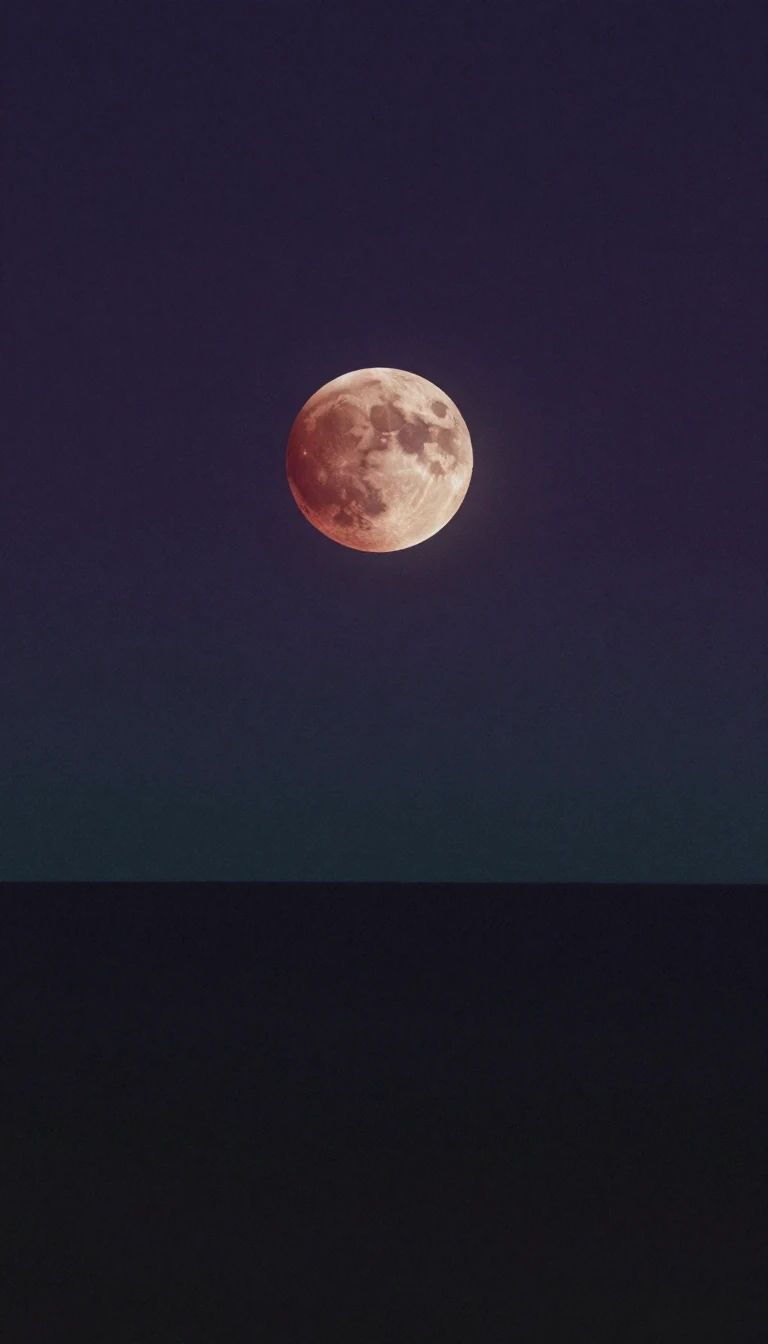 The Saros cycle allows astronomers to predict eclipses with remarkable eighteen-year precision.For millennia, observers have tracked the Saros, an interval of roughly eighteen years and eleven days. This celestial heartbeat marks the return of the Sun, Earth, and Moon to ne…
- Satellite galaxies are the fundamental building blocks of the massive structures in our universe.Smaller companion galaxies orbit massive hosts, mirroring the way planets circle the Sun. These satellites are not merely passive bystanders; they are the essential, albeit tumult…
- Beyond the atmosphere: how artificial satellites transformed our view of the universePlacing instruments in space liberated astronomy from the distorting veil of Earth's atmosphere. Since the launch of Sputnik in 1957, artificial satellites have provided the stabi…
- Why does a perfect, massive geometric hexagon spin at the top of Saturn?Saturn’s north pole hosts a colossal, symmetrical hexagon twice the width of Earth. First glimpsed in the 1980s, this long-lived jet stream defies the chaotic, meandering nature o…
- How do we measure the expansion of the entire universe with one single number?The scale factor is a dimensionless number that tracks the relative expansion of space over time. By setting the value to 1.0 for the present day, cosmologists can calculate how d…
- The scattered disc is a chaotic, icy reservoir fueling the Solar System's periodic comets.Far beyond Neptune lies a sparsely populated, unstable region of icy bodies known as the scattered disc. Unlike the stable Kuiper belt, these objects are constantly perturbed by g…
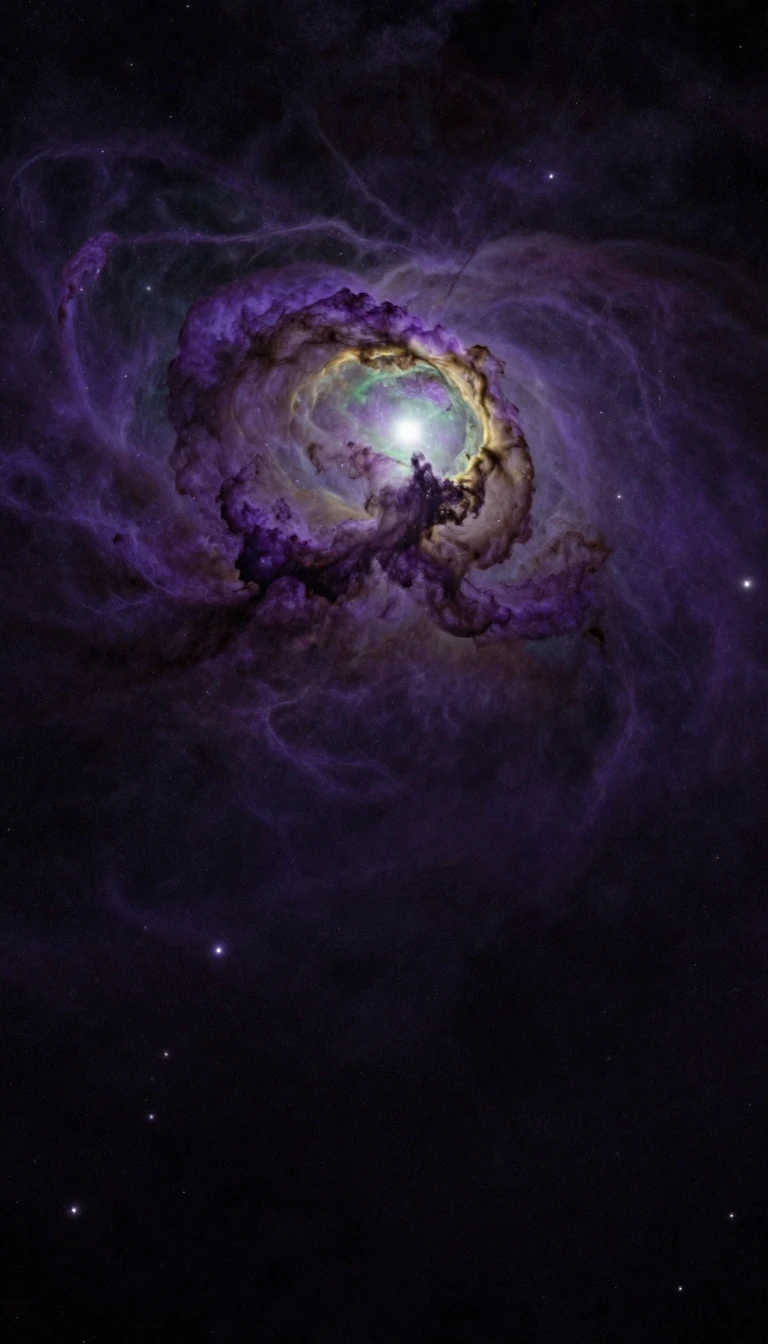 Why the constellation Scorpius is far more than just a celestial scorpionSpanning the center of the Milky Way, Scorpius is a cosmic landmark that has guided sailors, inspired myths, and challenged astronomers for millennia. From the fastest known nova …
- Why this faint southern constellation celebrates the tools of the EnlightenmentTucked away in the southern sky, the constellation Sculptor is a subtle tribute to human ingenuity. Introduced in the 18th century, it honors the Age of Enlightenment through the …
 The Sculptor Galaxy is a cosmic star factory hidden behind a veil of dustLocated 10 million light-years away, the Sculptor Galaxy is a brilliant spiral galaxy earning the nickname Silver Coin for its edge-on appearance. Beyond its beauty, it is a viole…
- The Milky Way's massive Scutum–Centaurus Arm is a cosmic nursery of giant starsSpiraling outward from the Milky Way's central bar, the Scutum–Centaurus Arm is a vast, diffuse structure of gas, dust, and stars. While astronomers have long debated the exact nu…
- A tiny shield in the night sky hides some of the universe's largest stars.Scutum is one of the smallest constellations, yet it packs immense celestial power. Named to honor a 17th-century military victory, this modest patch of sky contains record-breaki…
 Are these four mysterious, distant objects the key to finding a hidden ninth planet?Deep in the outer reaches of our solar system, four strange objects follow orbits that defy standard gravitational models. Known as sednoids, these bodies remain far beyond the in…
 Why the Moon's craters are named after ancient scholars and Catholic saintsSelenography, the study of the Moon's physical features, evolved from early naked-eye sketches to precise orbital mapping. While modern science uses laser altimetry to measure lun…
 Why the September equinox is not actually aligned with the constellation LibraThe September equinox marks the moment the Sun crosses the celestial equator heading south, signaling a seasonal shift across the globe. While often associated with the sign of Li…
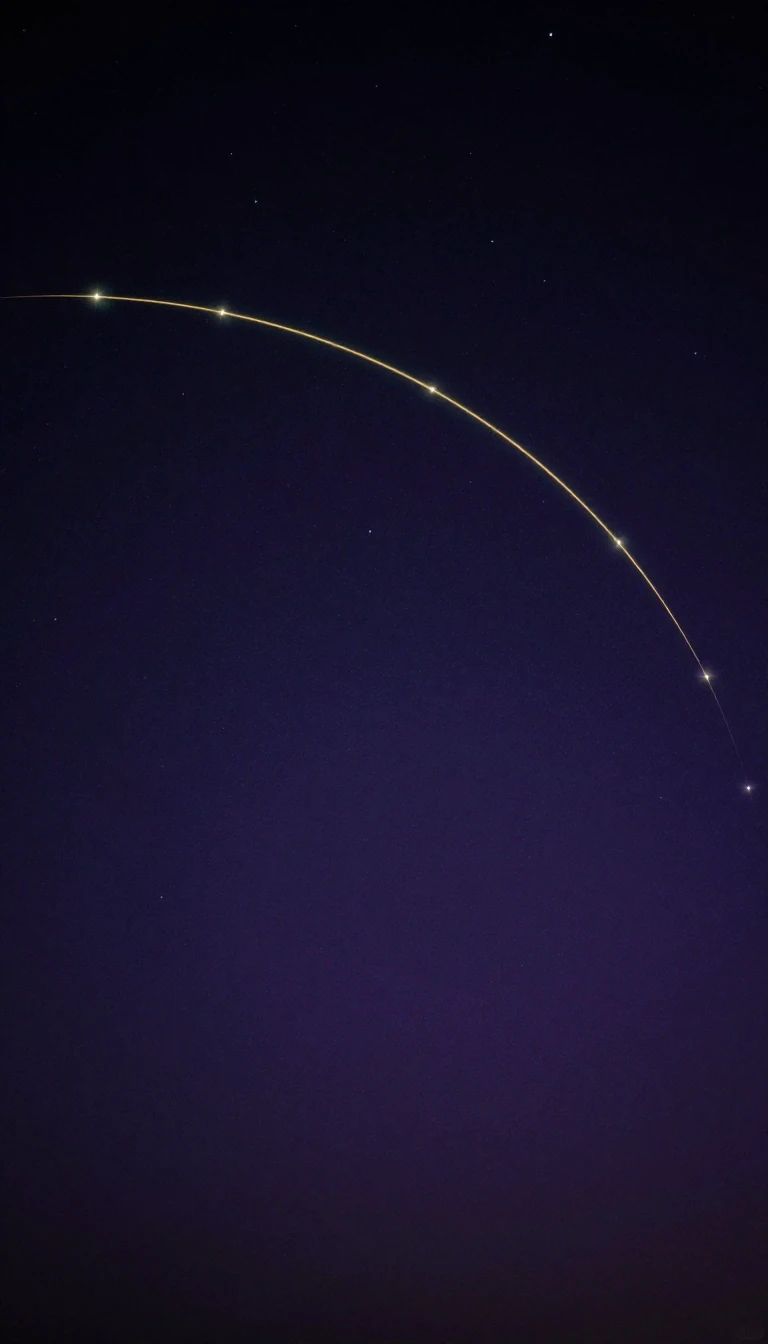 Serpens is the only modern constellation split into two disconnected regions in the sky.Spanning the northern and southern celestial hemispheres, Serpens is a cosmic anomaly. While most constellations are singular, this serpent is severed into two non-contiguous part…
- A constellation born from the ashes of a tragic 17th-century observatory fireIn 1679, a devastating fire consumed the observatory of Polish astronomer Johannes Hevelius, destroying his prized sextant. To memorialize the lost instrument, he introduced the c…
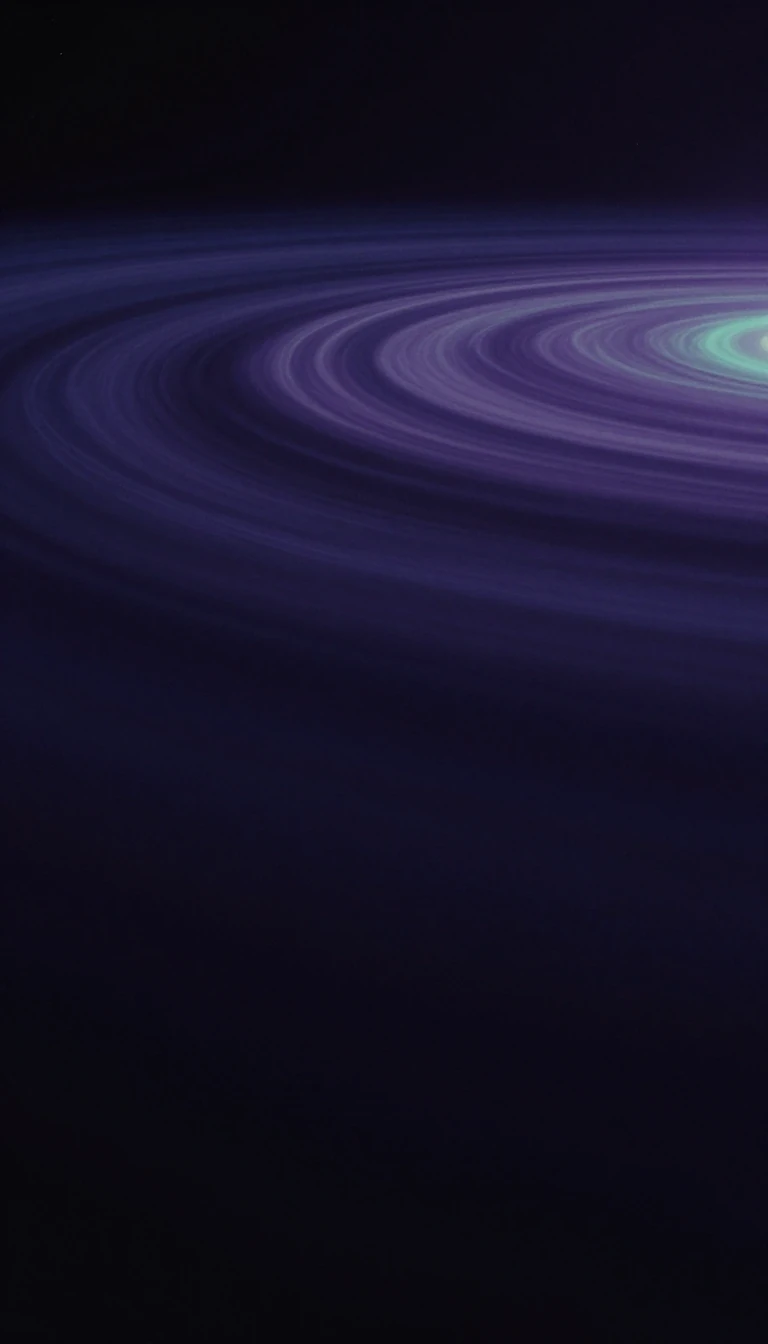 Is the Shapley Supercluster the ultimate gravitational anchor for our local corner of space?The Shapley Supercluster is a massive, gravitationally bound structure pulling our galaxy toward it. Located roughly 650 million light-years away, this cosmic giant acts as a prim…
- Why your watch and the stars are out of sync by four minutesStandard clocks track the Sun, but astronomers rely on sidereal time to map the heavens. Because Earth orbits the Sun while spinning, a day measured against distant stars is rough…
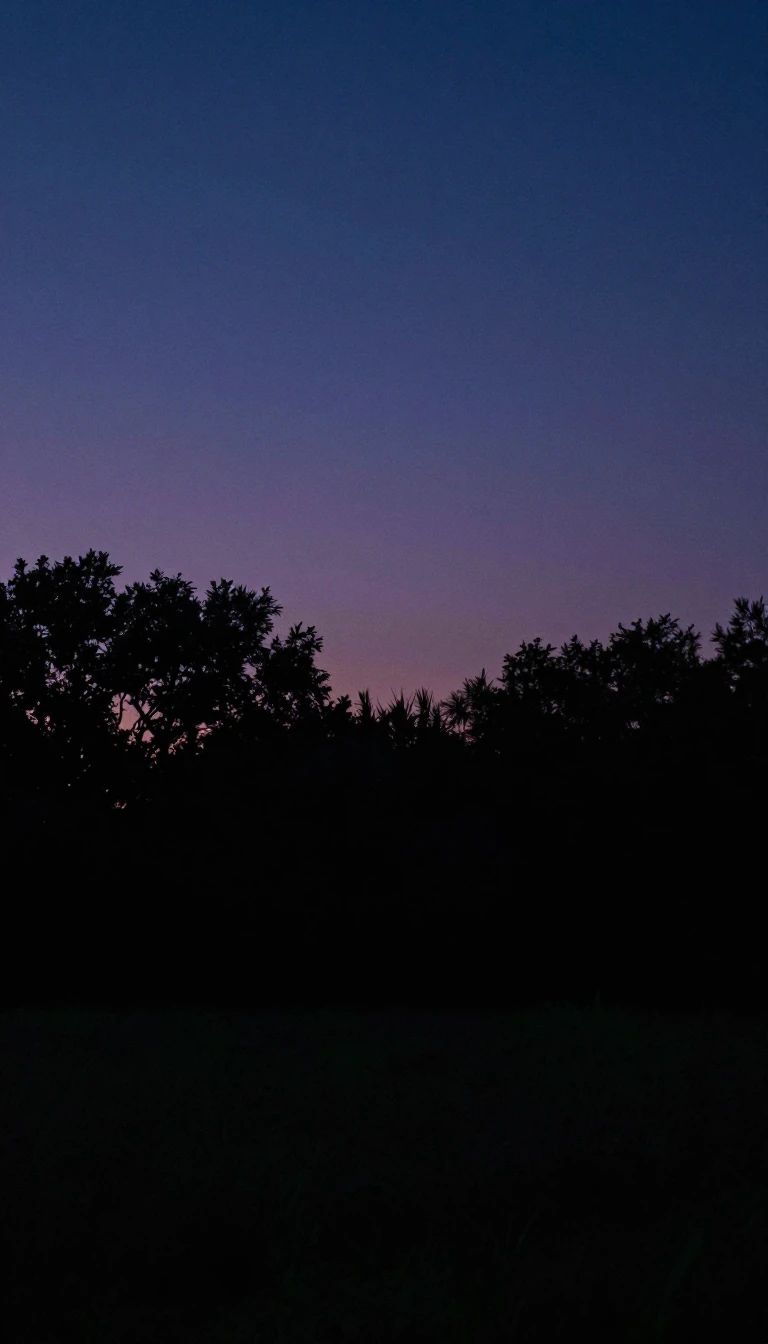 The night sky is never truly black, even far from city lights.Beyond the glare of urban light pollution, the night sky glows with a faint, natural luminescence. Driven by solar radiation, chemical reactions in the upper atmosphere, and scatt…
- How a massive telescope project mapped the universe and changed astronomical data foreverThe Sloan Digital Sky Survey transformed astronomy by turning the night sky into a searchable digital database. Using a dedicated telescope in New Mexico, it pioneered automated p…
- A thousand years ago, a star exploded so brightly it was visible in daylight.In 1054, astronomers recorded a new star that shone for 23 days. Today, we know this event as SN 1054, the progenitor of the Crab Nebula. Modern telescopes like Hubble are still t…
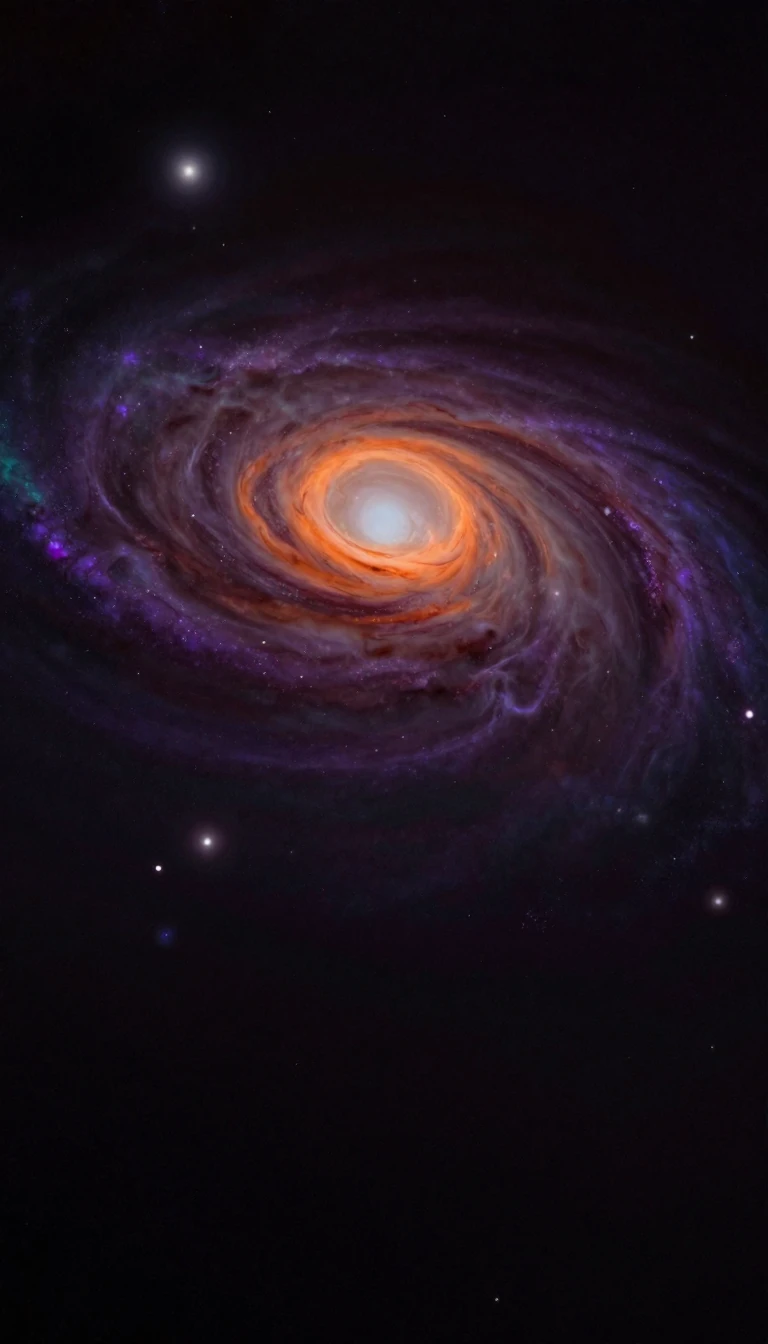 How a 1972 supernova explosion confirmed our understanding of stellar deathDiscovered in 1972, SN 1972E remains a cornerstone of modern astrophysics. By tracking its light for nearly 700 days, scientists identified a precise decay rate that matched the h…
 The nearest supernova in centuries offers a rare look at a star's final actIn 1987, astronomers witnessed the brightest stellar explosion in over 400 years. Located in the Large Magellanic Cloud, SN 1987A has since become the most studied supernova in hi…