 Intellect Plus
Nature
11,198 cards. Each one is a 40-second story with a five-minute read behind it. Page 133 of 187.
Subtopics: Ageing · Air · Animal behaviour · Animal breeds and hybrids · Animals · Arthropods · Atmosphere · Big cats · Bilateria, others · Birds · Botany · Cnidarians · Conservation · Coral reefs · Deep sea · Deserts · Dinosaurs · Earth science · Earth science and physical geography · Earth science basics · Earthquakes & tsunamis · Echinoderms · Ecology · Ecosystems · Endangered species · Extinct animals · Farming · Fish · Forests · Fungi · General classifications · Geology · Geomorphology · How Long Can It Live? · Ice · Individual animals · Insects · Lightning · Longevity · Mammals · Marsupials · Migration · Mollusks · Ocean · Organisms · Parasites · Physical geography · Plants · Porifera · Predators · Primates · Rainforest · Reptiles & amphibians · Researched · Sharks & rays · Spiders & arachnids · Symbiosis · Trees · UK & Ireland: nature · Vertebrates · Vision · Volcanoes · Water · Waves · Weather · Whales & dolphins · Zoology
 How a humble coal-hauling ship enabled the first scientific expedition to the PacificIn 1768, the British Admiralty commissioned a sturdy, 368-ton collier to sail the Pacific. Led by James Cook, this unlikely vessel carried scientists to observe the transit of Ven…
 Despite its name, the North American fisher rarely eats fish and is not a cat.This elusive member of the weasel family is a master of the northern forest, known for its thick, valuable fur and surprising ability to hunt porcupines. Once nearly trapped to ex…
 The First World was a Cold War invention, not a permanent global status.Born from the geopolitical divide between the U.S. and Soviet blocs, the term First World once defined political alignment rather than wealth. Today, it has evolved into a shortha…
 What defines the complex, shifting map of Russia's internal political divisions?Russia is organized into dozens of constituent entities, each holding equal rights under the national constitution. Yet, these regions vary significantly in their autonomy, econom…
 Brazil's states are not just administrative zones but remnants of a colonial inheritanceBrazil is a federation of 26 states and one federal district, each possessing its own constitution and government. While these units function with significant autonomy, their bord…
 Why the Far East is a matter of perspective rather than geographyThe Far East is not a fixed location but a relic of European-centered worldviews. While the term once defined lands beyond the Middle East for colonial powers, it ignores the pers…
 The fathom is a human-scale unit that once measured everything from oceans to mines.Derived from the Old English word for embracing arms, the fathom was originally the span of a man’s reach. While modern nautical charts have largely shifted to metres, this ancien…
 How six separate British colonies united to form the modern Commonwealth of AustraliaThe birth of Australia was not a single event but a decades-long struggle between competing colonies. From early proposals in 1842 to the final constitutional breakthrough in 1891…
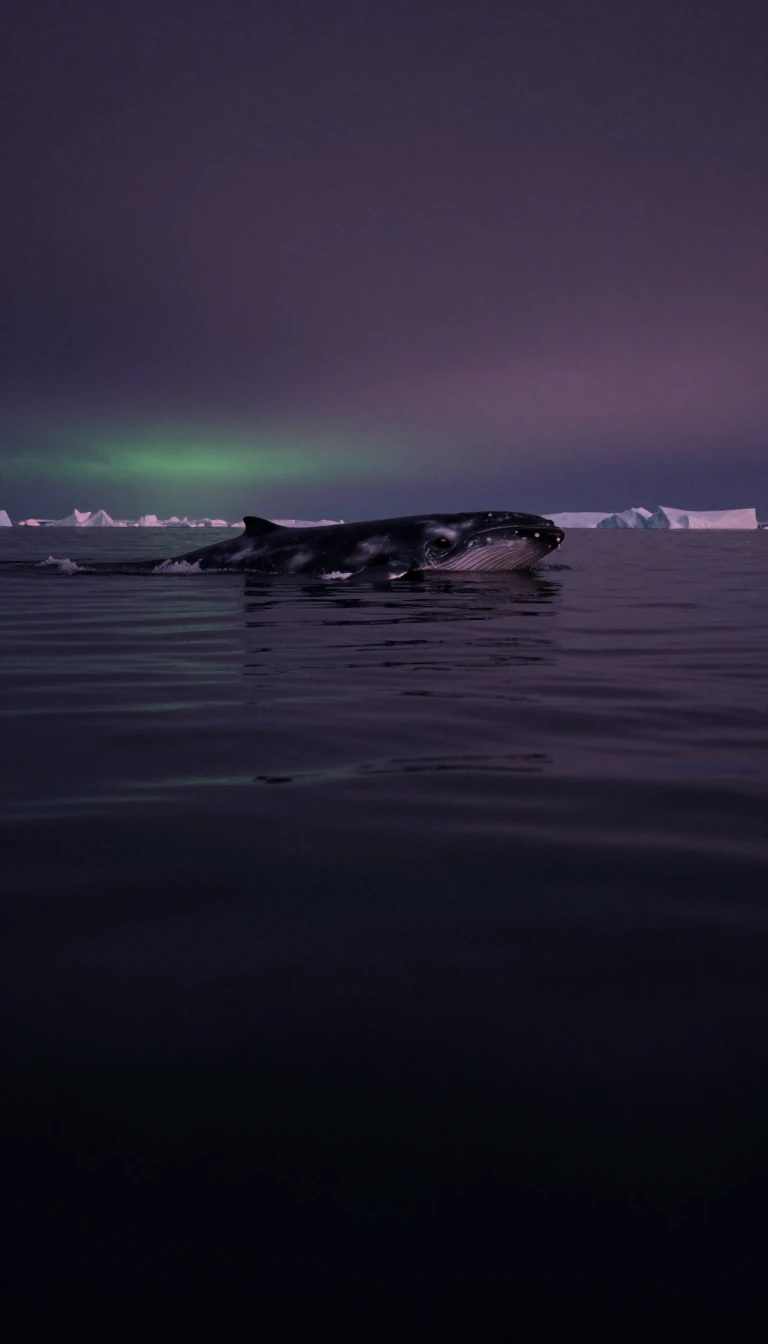 The greyhound of the sea is a master of asymmetrical, high-speed ocean survival.Second only to the blue whale in size, the fin whale is a sleek, fast-swimming giant found in oceans worldwide. Known for its unique, asymmetrical head coloration and V-shaped che…
 The Eurasian lynx is a master of the snowy wilderness, not a mere bobcat.As the largest of the four lynx species, the Eurasian lynx thrives across vast stretches of Europe and Asia. While often confused with its smaller relatives, this formidable preda…
- Is the European wildcat just a domestic cat with a wilder lifestyle?The European wildcat looks like a sturdy, striped version of your house cat, but it is a distinct, solitary predator. While they share a common ancestor, this elusive forest dwell…
 Why Mount Everest is not actually the point on Earth farthest from its centerGeography is rarely as simple as it appears on a map. While Mount Everest claims the title for the highest elevation above sea level, the Earth's shape as an oblate spheroid means…
 The Eurasian Goshawk is a woodland phantom that nearly vanished from the British Isles.Once hunted to extinction in the UK, the Eurasian goshawk has made a remarkable comeback. This fierce, secretive predator uses incredible agility to weave through dense forests at…
 The euro sign is a mystery of unknown designers and disputed origin storiesUnveiled in 1996, the euro symbol was chosen from a secret shortlist of ten designs. While the European Commission credits an anonymous team of four experts, others claim the idea…
 The longest valley glacier in North America hides in the remote Alaskan wilderness.Stretching 53 miles through the Wrangell Mountains, the Nabesna Glacier holds the title of the longest valley glacier on the continent. Fed by forty tributary glaciers, this massi…
 The Emirate of Afghanistan: A Central Asian Power Caught in the Great GameFor nearly a century, the Emirate of Afghanistan served as a critical buffer state between the Russian and British Empires. This volatile era, defined by the Great Game, saw the n…
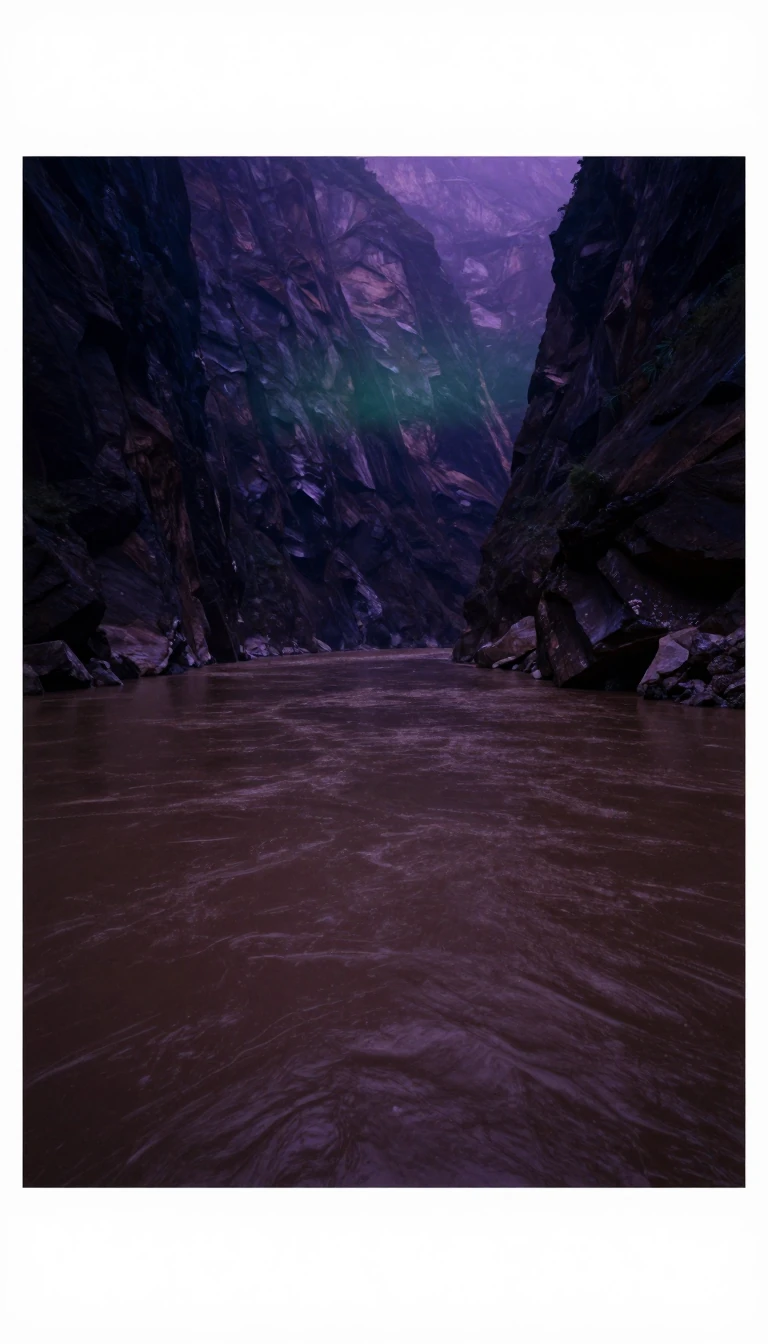 Some of the world's largest water basins never reach the ocean at allMost rivers eventually find the sea, but endorheic basins are different. These closed systems trap water in inland sinks, where it can only escape through evaporation or seepage. …
- The pike is an ancient, torpedo-shaped predator with a surprisingly long fossil record.Known for its sharp teeth and unique, fingerprint-like markings, the pike is a master of camouflage in freshwater habitats. While often feared as a vicious predator, these fish ar…
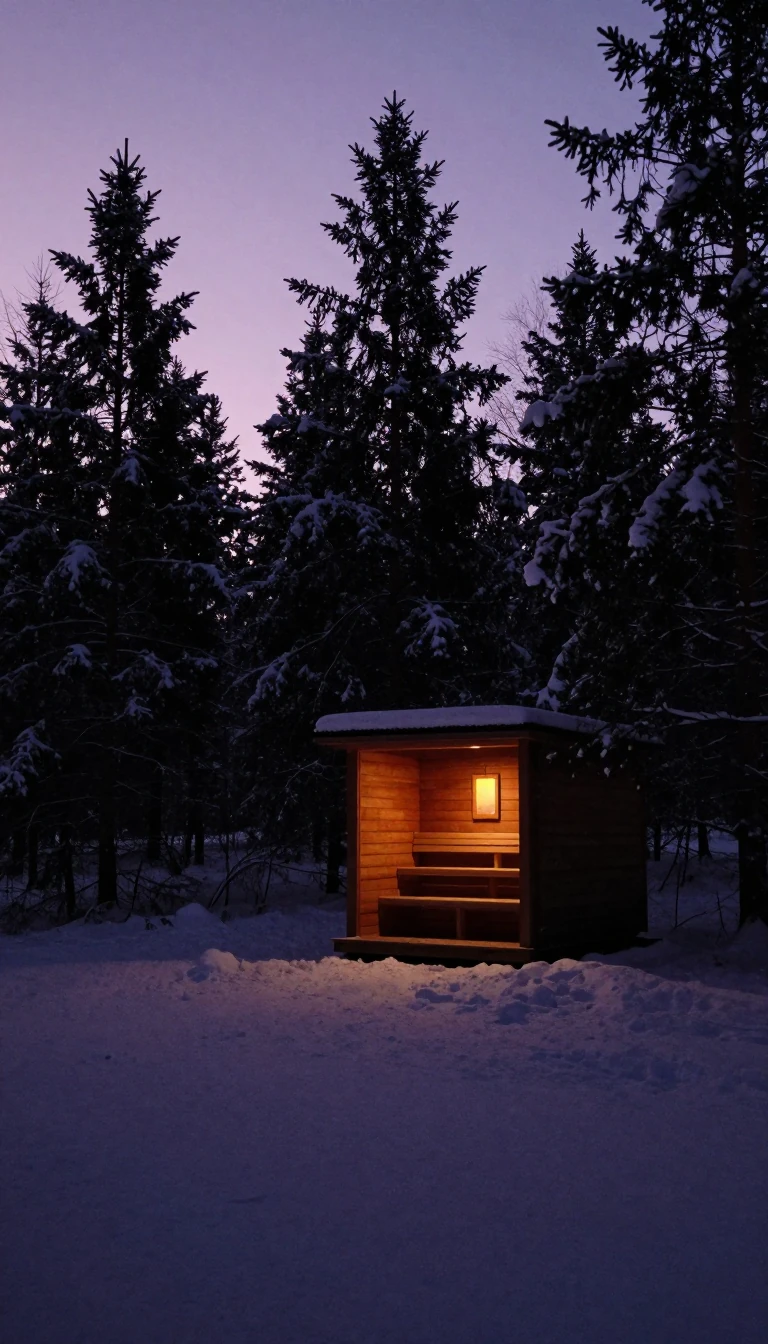 Estonian is a linguistic bridge between ancient Uralic roots and modern European innovation.Spoken by 1.1 million people, Estonian is a rare non-Indo-European official language of the European Union. It occupies a unique typological space, transitioning from an agglutina…
- Why the Eurasian coot is far more aggressive than its graceful swimming suggestsThe Eurasian coot is a common sight on still waters, recognized by its striking white bill and frontal shield. While it appears graceful as it glides across lakes, this bird is no…
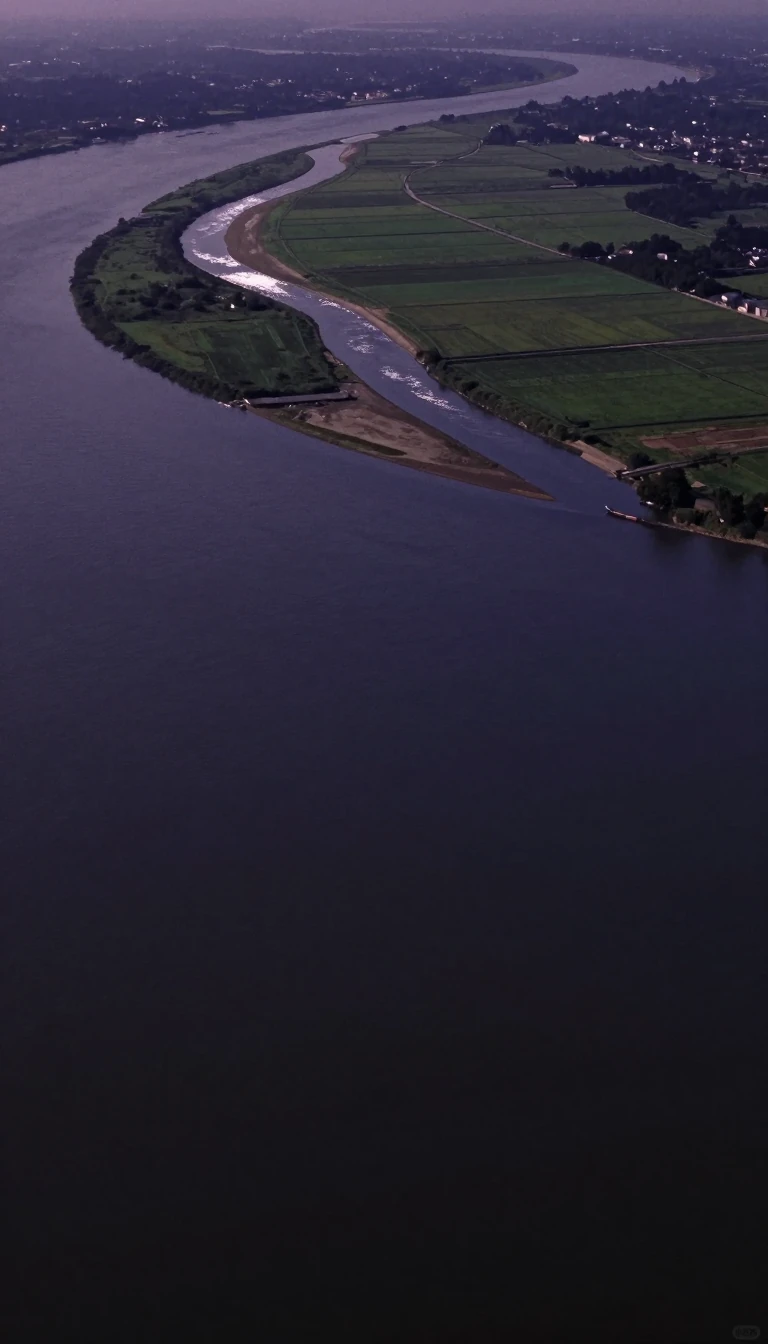 Elche is home to the largest palm grove in Europe, a desert-like oasis.While Spain is known for its coast, Elche hides a massive, UNESCO-protected palm forest within its borders. This city, which evolved from ancient Iberian roots to a modern industr…
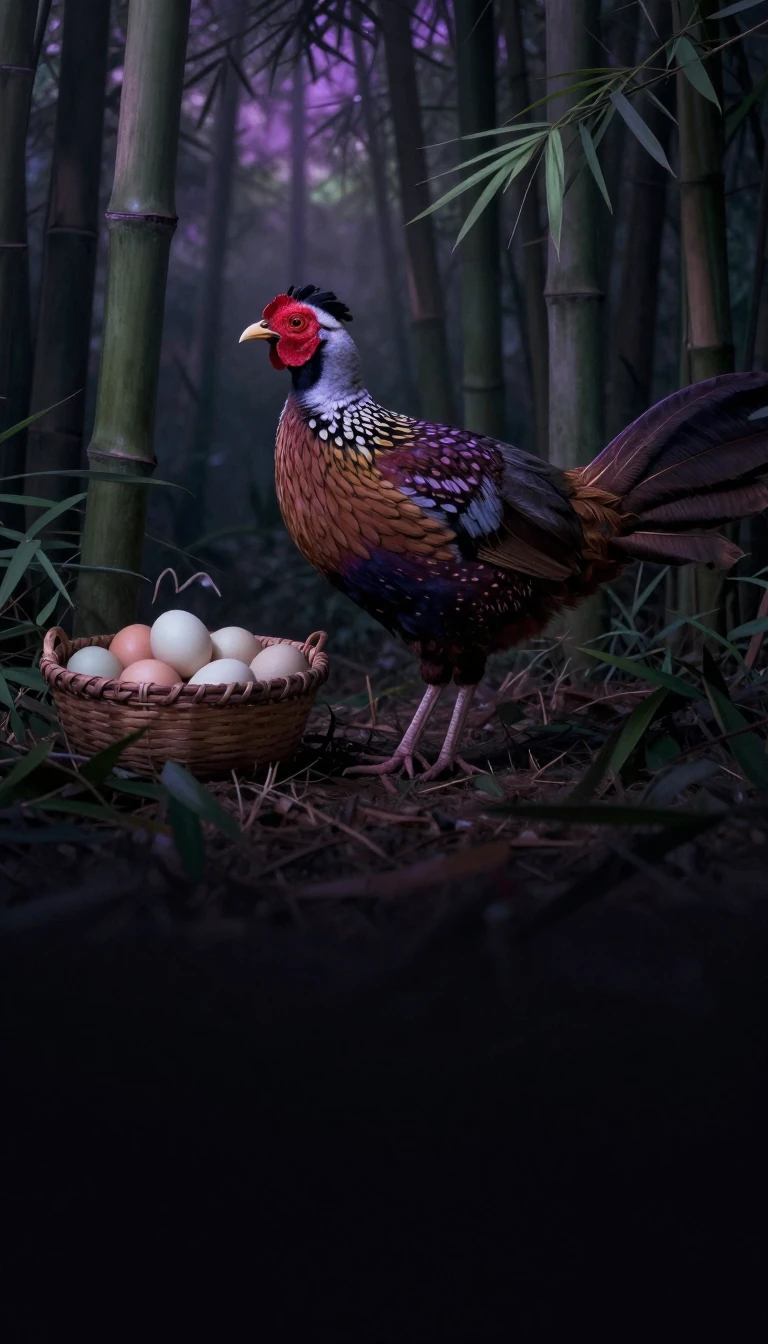 The elephant bird was once the largest avian inhabitant of the island of Madagascar.Long before humans settled Madagascar, the island was home to the elephant bird, a flightless giant that weighed up to 400 kilograms. While these birds vanished about 1,000 years …
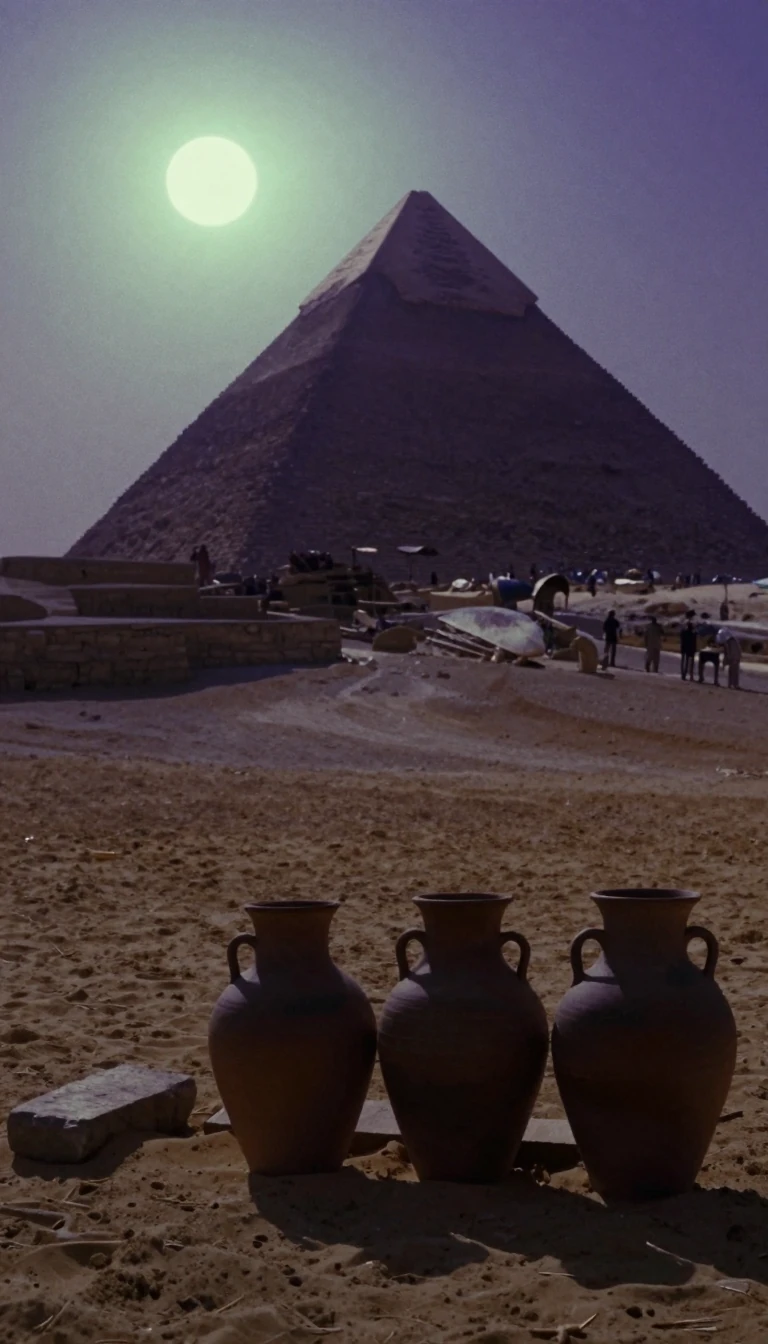 Beneath the Sahara lies the world's largest reservoir of ancient, non-renewable fossil water.Spanning over two million square kilometers beneath the eastern Sahara, the Nubian Sandstone Aquifer System holds an estimated 150,000 cubic kilometers of groundwater. This vast, …
 Italy transformed from a post-war economic laggard into a global industrial powerhouse.Following the devastation of World War II, Italy evolved from one of Europe's weakest economies into a manufacturing titan. While its lack of domestic energy and raw materials rem…
 The Eastern Ghats are an ancient, discontinuous mountain chain defining India's eastern landscapeWhile the Western Ghats dominate India's climate, their eastern counterpart is a far older, fragmented range. Stretching along the Bay of Bengal, these mountains hold secrets from…
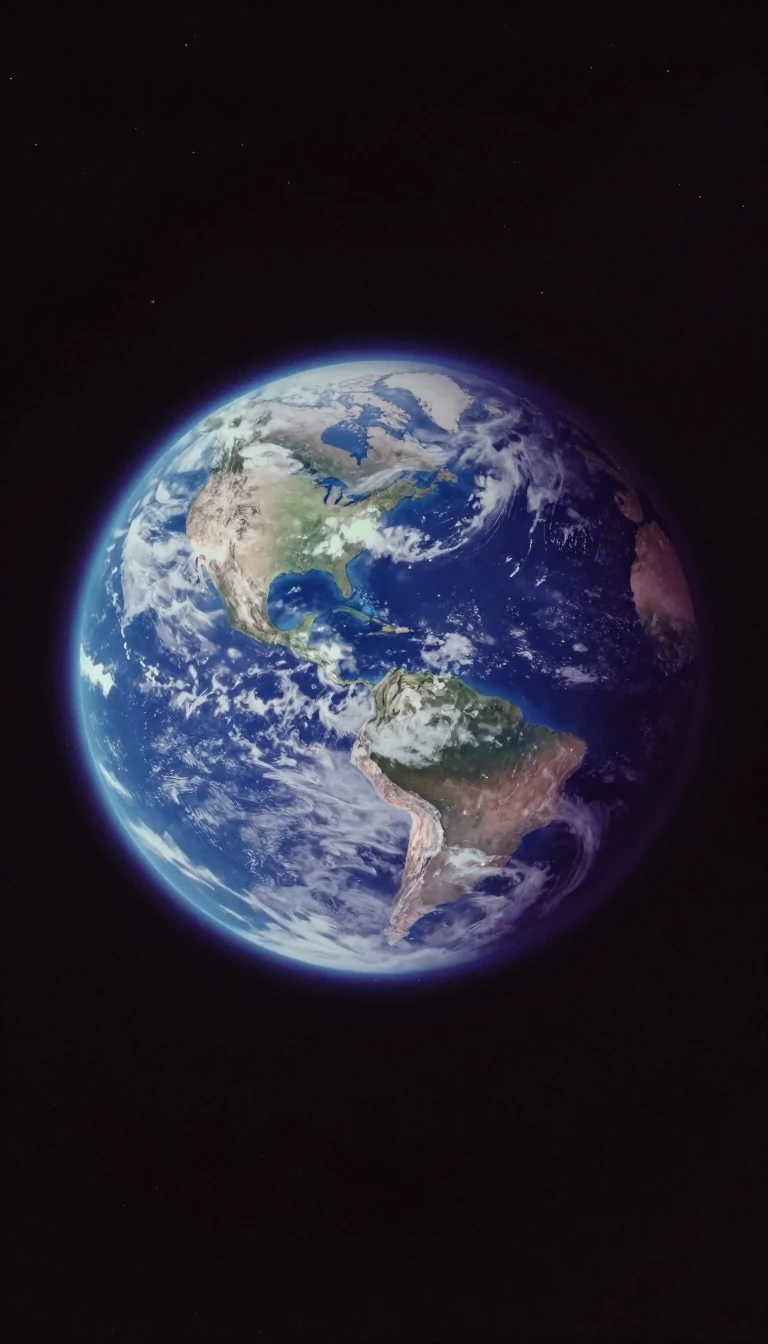 Earth is not a perfect clock, and its rotation speed is constantly shiftingWe assume a day is exactly 24 hours, but Earth’s spin is a restless, fluctuating process. Tidal friction from the Moon is slowing us down over eons, yet recent shifts in our core,…
 A massive tectonic fracture is slowly tearing the African continent into two separate pieces.The East African Rift System is a 4,000-mile-long scar where the Earth’s crust is stretching and thinning. This active geological process is currently splitting the African plate …
 Is East Anglia a kingdom, a statistical unit, or a state of mind?East Anglia is a region defined more by its deep history than by rigid borders. From its origins as an Anglo-Saxon kingdom to its modern identity as a rural, agricultural heartlan…
 Why the Eastern Hemisphere is more than just a line on a mapThe Eastern Hemisphere is defined by convention rather than nature, yet it contains the world's most extreme physical contrasts. From the highest peaks to the deepest continental …
- Why this massive Alaskan ice lobe is technically not a single glacier at allSpanning thousands of square kilometers in southeastern Alaska, the Malaspina Glacier is the world's largest piedmont glacier. Yet, geologically speaking, it is a phantom. It is a…
 How a billion-year-old geological rift shaped the steep, industrial character of Duluth, MinnesotaDuluth clings to a dramatic hillside overlooking Lake Superior, a city defined by its verticality and its industrial past. This unique topography was forged by a massive continent…
 The Dungan people are a living time capsule of 19th-century Chinese cultureFleeing across the Tian Shan mountains during a brutal winter in the 1870s, the Dungan people settled in Central Asia, where they preserved customs that have since vanished from C…
 Why the Dzungarian Basin is the historical highway of Central Asian migrationBounded by massive mountain ranges, Dzungaria served as a vital corridor for nomadic movement across Central Asia. Unlike the oasis-dependent southern routes, this northern expans…
 Is a mirror the only way to see the self?For decades, the 'mirror test' has been the gold standard for determining if an animal possesses self-awareness. But as researchers uncover more complex behaviors in non-human spe…
 Why a massive chunk of the American Midwest escaped the last Ice AgeWhile glaciers scoured the surrounding landscape flat, the Driftless Area remained untouched. This unique region of steep bluffs, deep river valleys, and karst geology defies the …
 The Dutch Caribbean is a tale of two vastly separated island chainsSpanning 500 miles, the Dutch Caribbean islands are split into two distinct geographic groups. While some are arid, cactus-filled outposts near the Venezuelan coast, others are lu…
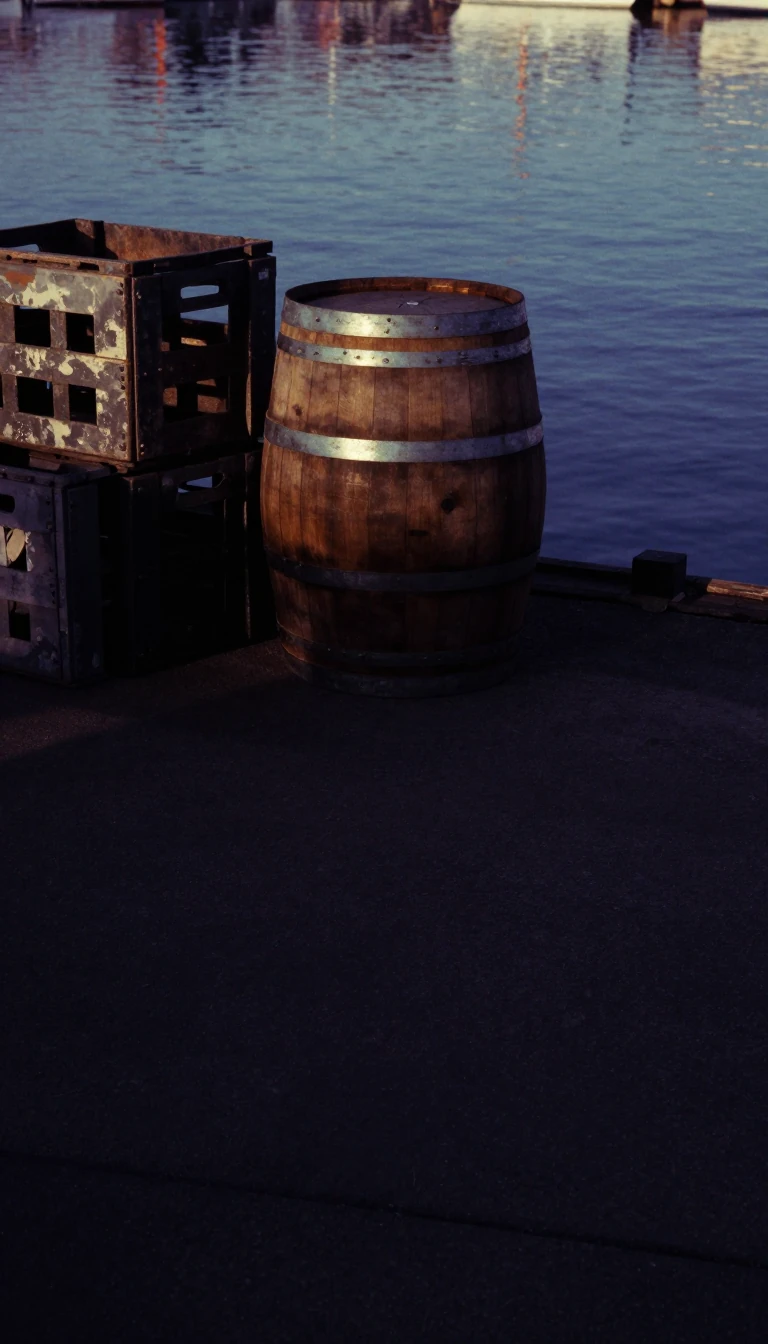 The only British dominion to voluntarily surrender its self-governing status during the twentieth centuryIn 1934, Newfoundland became the only dominion to abandon its self-governing status, trading its independence for a British-appointed commission. Crippled by war debt and the Grea…
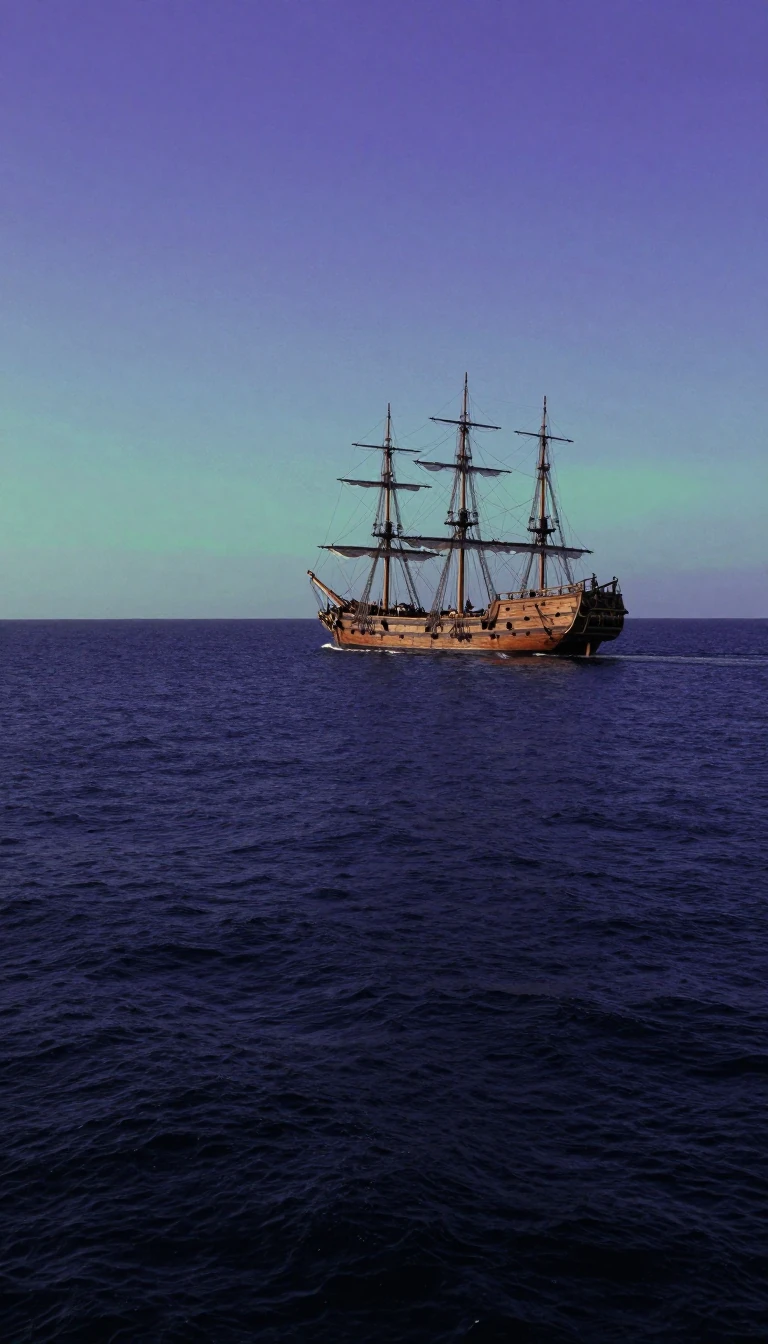 Why a ship's depth below the waterline determines its global reach and safetyA ship's draft is more than just how deep it sits in the water. It is a critical measurement of displacement, cargo weight, and navigational safety. From the shallowest river cros…
- Why the world’s largest uninhabited island is the perfect place to simulate MarsDevon Island is a desolate polar desert in the Canadian Arctic, home to ancient Inuit ruins, failed colonial outposts, and a massive impact crater. Its extreme isolation and harsh…
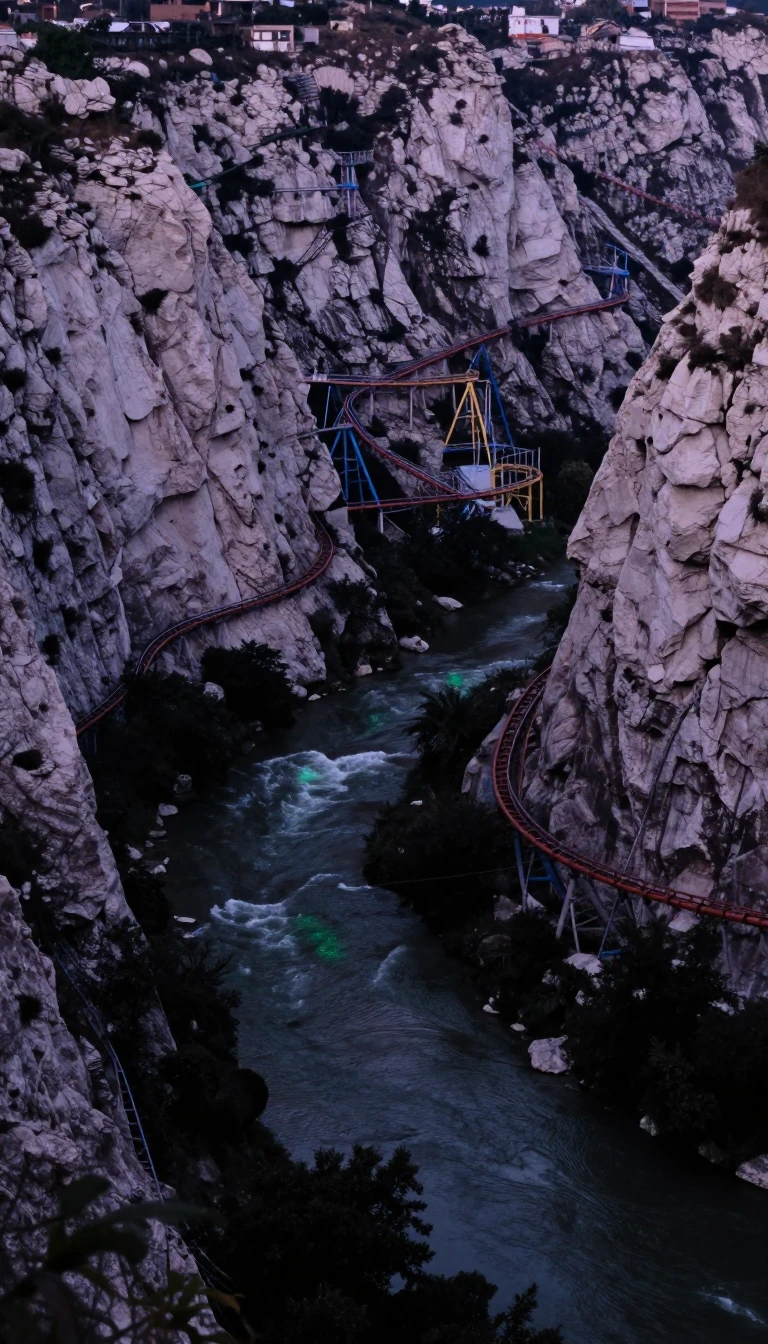 How a Tennessee Theme Park Evolved From Civil War Reenactments to Global Cultural IconDollywood began as a modest tourist attraction featuring steam trains and staged Civil War skirmishes. Today, it stands as the premier destination in Tennessee, blending Appalachi…
 Devolution in the United Kingdom: A Unitary State with Fragmented PowerThe United Kingdom is not a federation, yet it grants significant self-governing powers to Scotland, Wales, and Northern Ireland. While these nations possess their own parliaments…
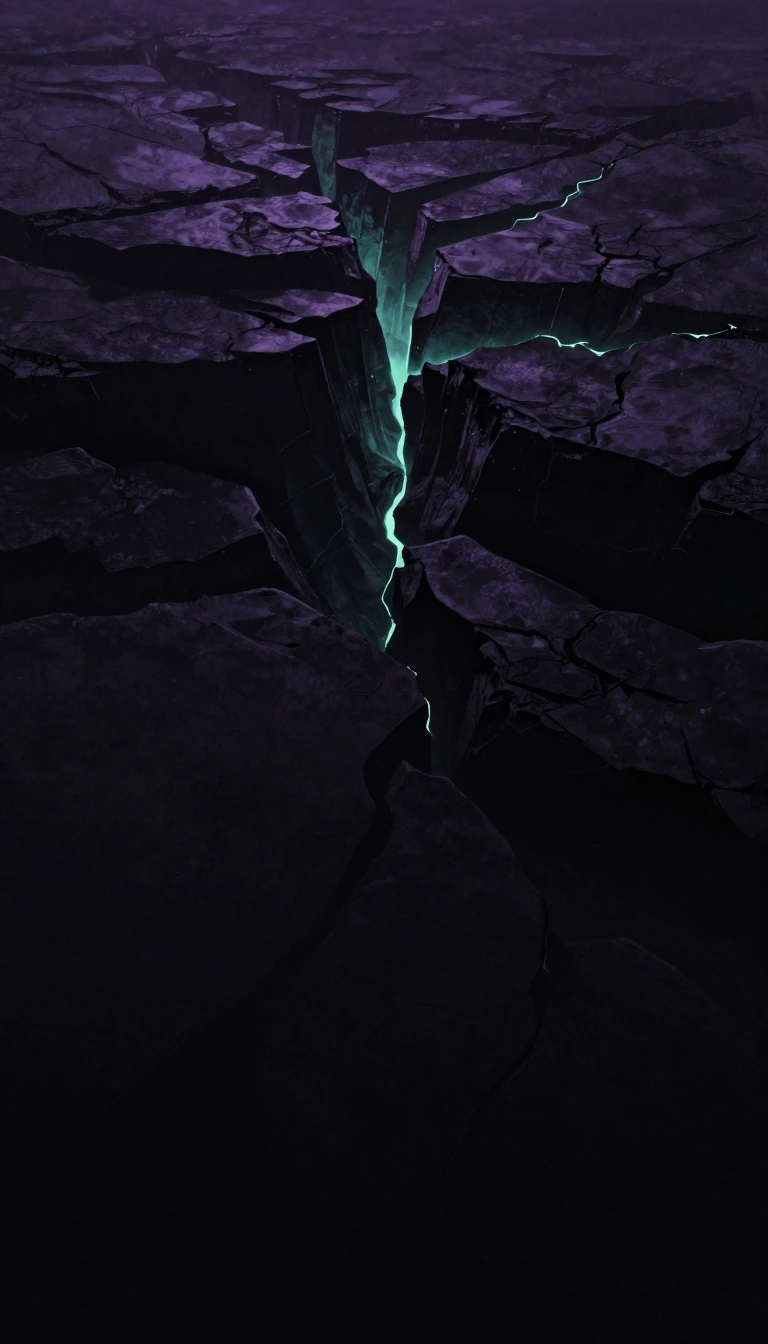 Dikes are the geological scars left behind when Earth’s crust is pulled apart.Deep beneath our feet, magma forces its way into fractures, cooling into vertical sheets of rock known as dikes. These structures act as ancient plumbing systems, recording how th…
 Beneath the North Sea lies a vast, sunken landscape once home to ancient hunters.Doggerland was a sprawling, lush region connecting Great Britain to continental Europe. During the Mesolithic period, this now-submerged territory served as a prosperous hunting a…
 The world's rarest fish survives in a single Nevada cavern by breathing without oxygen.The Devils Hole pupfish lives in a tiny, geothermal pool in Nevada, isolated for thousands of years. This critically endangered species has evolved to survive in low-oxygen water …
 Why trees shed their leaves: a survival strategy written in the language of lightDeciduous trees are not merely losing their leaves; they are executing a precise, hormone-driven survival strategy. By shedding foliage in response to shortening days and cooling …
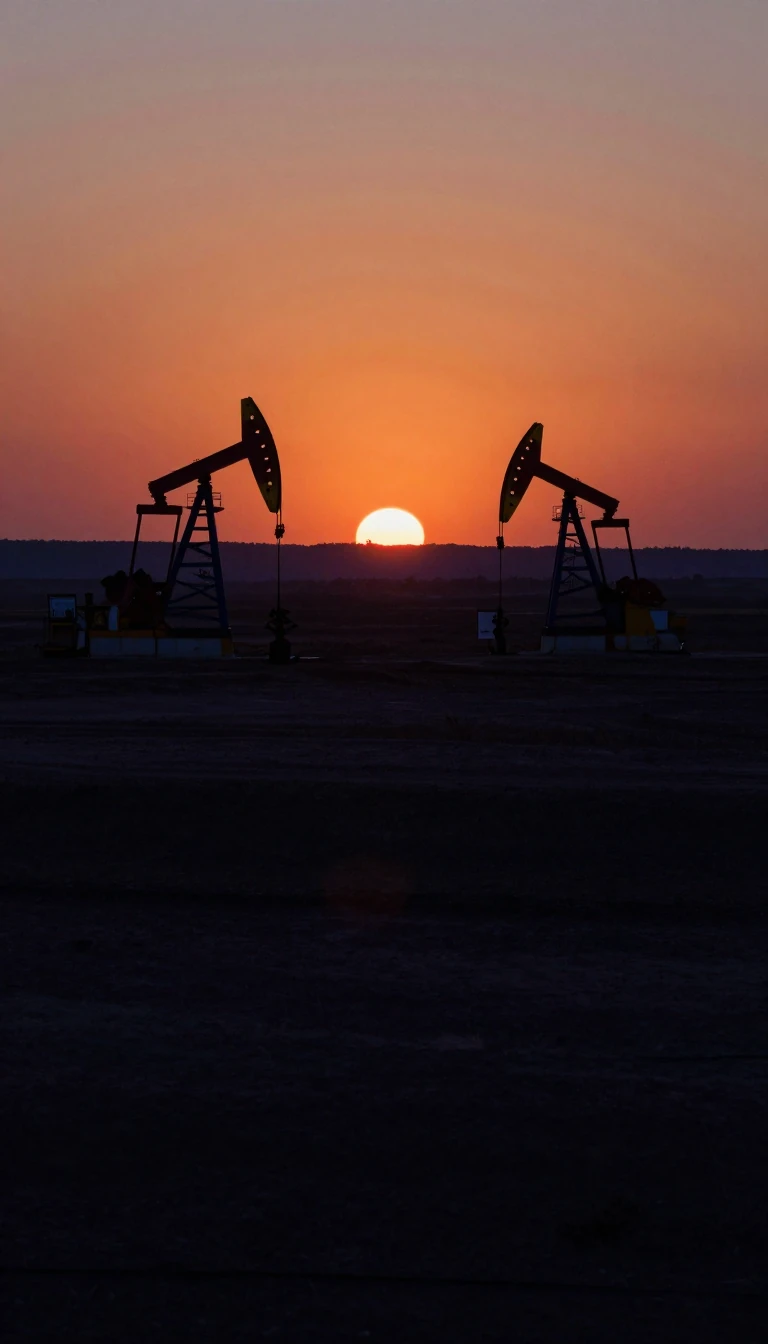 The Deepwater Horizon disaster remains the largest marine oil spill in historyOn April 20, 2010, an explosion on the Deepwater Horizon rig triggered an environmental catastrophe in the Gulf of Mexico. Over 87 days, millions of barrels of oil surged from the…
 Desertification is not the expansion of deserts, but the loss of life-sustaining land.Contrary to popular belief, desertification does not mean existing deserts are physically growing. Instead, it is the silent, global degradation of drylands—the fertile regions wh…
 In Hindu mythology, are the Devas and Asuras actually the same people?The Devas and Asuras are not merely rival species of gods and demons. They are consubstantial, born of the same primordial father, Prajapati. Their distinction is not one of essen…
 How France built a world-class fighter jet by walking away from a European partnership.The Dassault Rafale is a French engineering marvel that defies the trend of multinational military projects. By prioritizing technological independence over collaborative ease, Fr…
 Beyond paper: How the ancient Nile grass built civilizations and floating islandsCyperus papyrus is far more than the source of ancient Egyptian scrolls. This robust aquatic sedge creates massive, floating ecosystems known as sudd, provides essential refuge fo…
 Why Europe's largest glacier relies on heavy snowfall rather than freezing temperaturesSpanning 487 square kilometres in Western Norway, the Jostedal Glacier is a massive ice formation that defies simple expectations. While many assume glaciers are purely products o…
 Cozumel: A Caribbean island shaped by ancient Maya trade and modern ecological struggleKnown as the island of swallows, Cozumel is a limestone jewel in the Caribbean. Beyond its reputation as a cruise ship hub, the island holds a complex history of Maya pilgrimage, …
 Why the Crown Dependencies are not part of the United Kingdom or its EmpireThe Channel Islands and the Isle of Man are not sovereign states, nor are they part of the United Kingdom. These self-governing territories hold a unique constitutional status, tr…
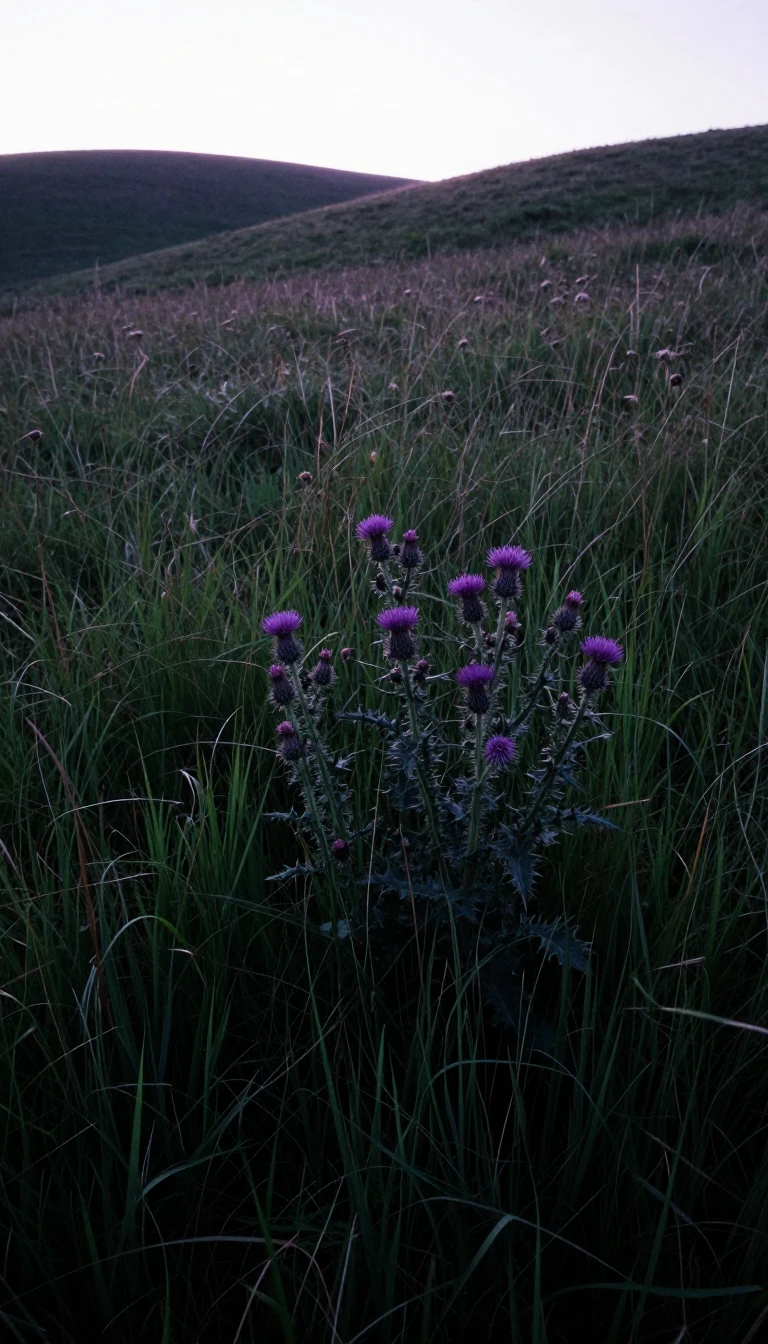 The thorny tree that built British landscapes and haunted the folklore of EuropeKnown as the May-tree or whitethorn, Crataegus is a genus of resilient, thorny shrubs that shaped the physical boundaries of the British countryside. Beyond its utility as a hedge…
 The crown-of-thorns starfish is a coral-devouring predator with a complex, venomous defense system.This large, multi-armed starfish uses a unique feeding method: it extrudes its stomach directly over coral to liquefy and absorb tissue. Covered in sharp, venomous spines, it is a…
 The lemon shark's social brain may mirror that of mammalsUnlike many sharks viewed as solitary opportunists, the lemon shark exhibits complex social behaviors. Their brains possess a relative mass comparable to birds or mammals, suggest…
 The nomadic corsac fox builds vast underground cities across the steppes of Central AsiaIn the arid, unforgiving landscapes of Central Asia, the corsac fox survives by abandoning the territorial instincts of its cousins. Instead, these social animals form packs, dig …
 Why a chain of military takeovers is reshaping the map of modern AfricaA string of nine coups across Africa in just three years has birthed the term Coup Belt. Stretching from Guinea to Sudan, this phenomenon reflects a complex web of generational sh…
 The invisible architecture holding your internal organs in placeBeneath your abdominal muscles lies a complex, continuous sheet of tissue known as the peritoneum. It is not merely a lining, but a sophisticated structural network of folds and m…
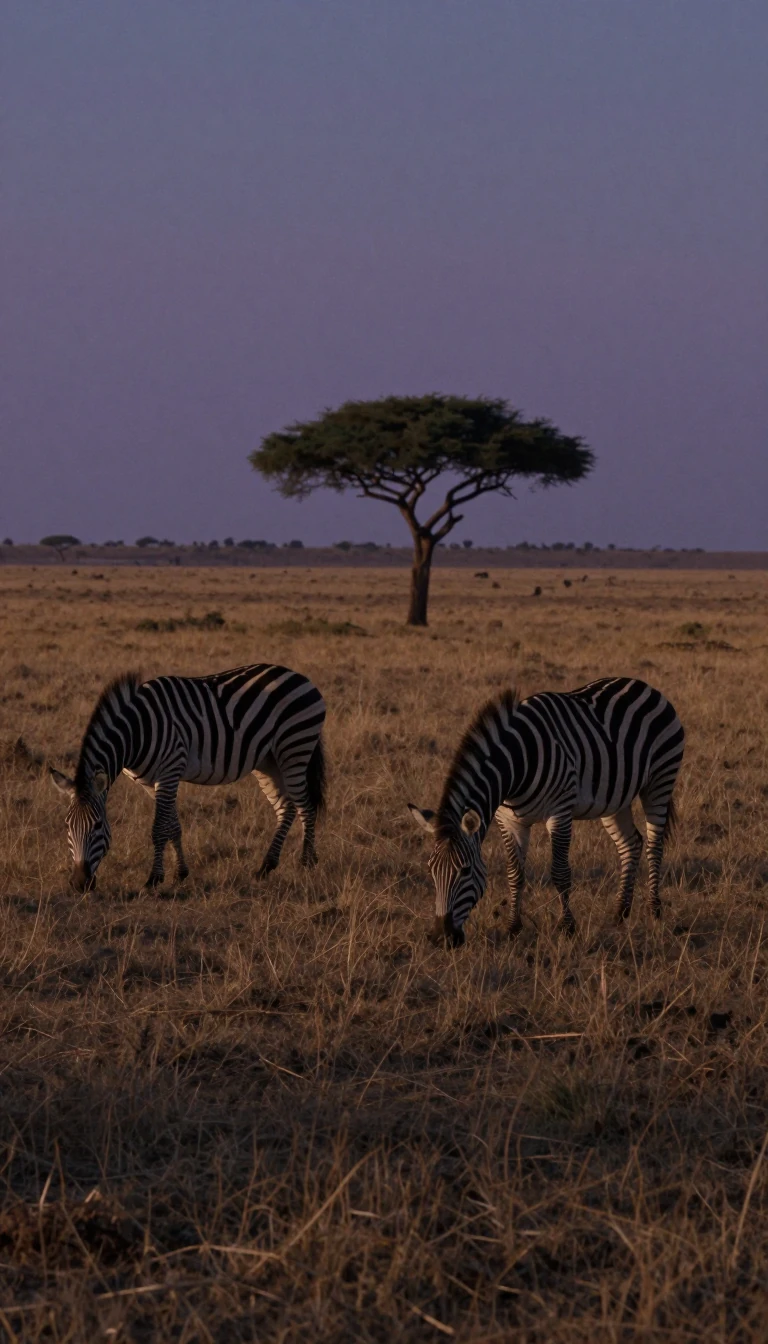 The plains zebra is a social pioneer that shapes the African savanna ecosystemBeyond their iconic black and white coats, plains zebras are complex social animals that function as essential ecosystem engineers. By grazing on tough grasses, they prepare pastu…