 Intellect Plus
Nature
11,198 cards. Each one is a 40-second story with a five-minute read behind it. Page 77 of 187.
Subtopics: Ageing · Air · Animal behaviour · Animal breeds and hybrids · Animals · Arthropods · Atmosphere · Big cats · Bilateria, others · Birds · Botany · Cnidarians · Conservation · Coral reefs · Deep sea · Deserts · Dinosaurs · Earth science · Earth science and physical geography · Earth science basics · Earthquakes & tsunamis · Echinoderms · Ecology · Ecosystems · Endangered species · Extinct animals · Farming · Fish · Forests · Fungi · General classifications · Geology · Geomorphology · How Long Can It Live? · Ice · Individual animals · Insects · Lightning · Longevity · Mammals · Marsupials · Migration · Mollusks · Ocean · Organisms · Parasites · Physical geography · Plants · Porifera · Predators · Primates · Rainforest · Reptiles & amphibians · Researched · Sharks & rays · Spiders & arachnids · Symbiosis · Trees · UK & Ireland: nature · Vertebrates · Vision · Volcanoes · Water · Waves · Weather · Whales & dolphins · Zoology
 Shrinking Arctic sea ice is triggering a cascade of extreme winter weather globallyThe Arctic is losing its protective shield of thick, multi-year ice, leaving behind a younger, fragile surface. This transformation is not just a local crisis; it is fundamentally…
 The dry desert channel that can become a roaring river in two minutesArroyos are deceptive landscapes. Often appearing as dry, dusty ravines, these watercourses can transform into violent, flash-flooding torrents with almost no warning. While they …
 Arsenide minerals are rare metal compounds defined by their unique atomic coordination structuresArsenide minerals are a rare group of compounds where metals bond with arsenic. While often overshadowed by their more common sulfide cousins, these minerals reveal complex atomic…
 This metallic mineral smells like garlic and acts as a hidden gold indicatorArsenopyrite is a striking, steel-grey mineral that hides a dangerous secret. Beyond its metallic sheen and high density, it serves as a primary source of arsenic and a vital geol…
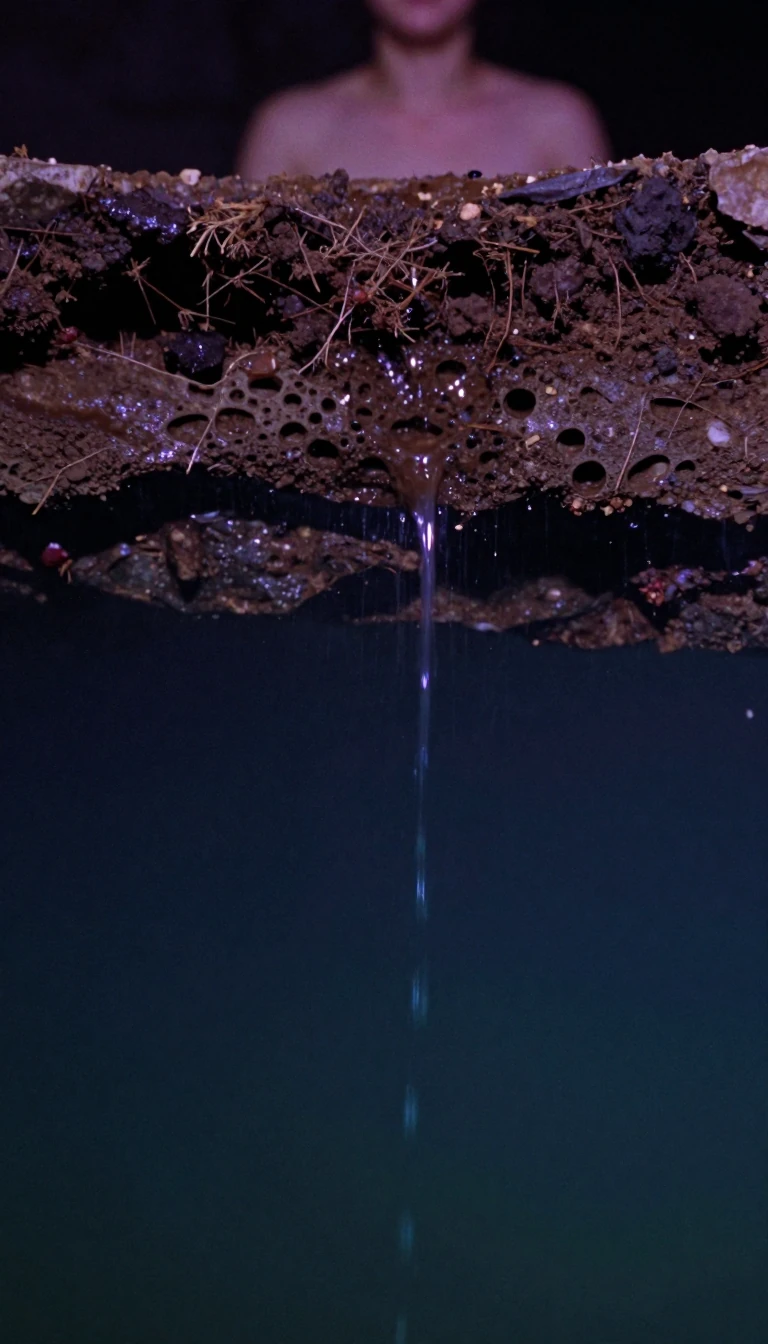 Why some wells flow freely without the need for a mechanical pumpAn artesian well taps into groundwater trapped under natural pressure, allowing water to rise to the surface without mechanical assistance. This phenomenon occurs when a well pene…
 Does a magnetic field truly protect a planet's atmosphere from escaping into space?We often assume a magnetic field is the ultimate shield for a habitable planet. Yet, researchers suggest this is a simplification. While magnetism deflects some solar wind, other …
 Augite: The Fire-Born Mineral That Records the Cooling History of Our PlanetAugite is the most common member of the pyroxene group, a family of rock-forming minerals named for the Greek word for fire. These dark, stubby crystals are found in everything fr…
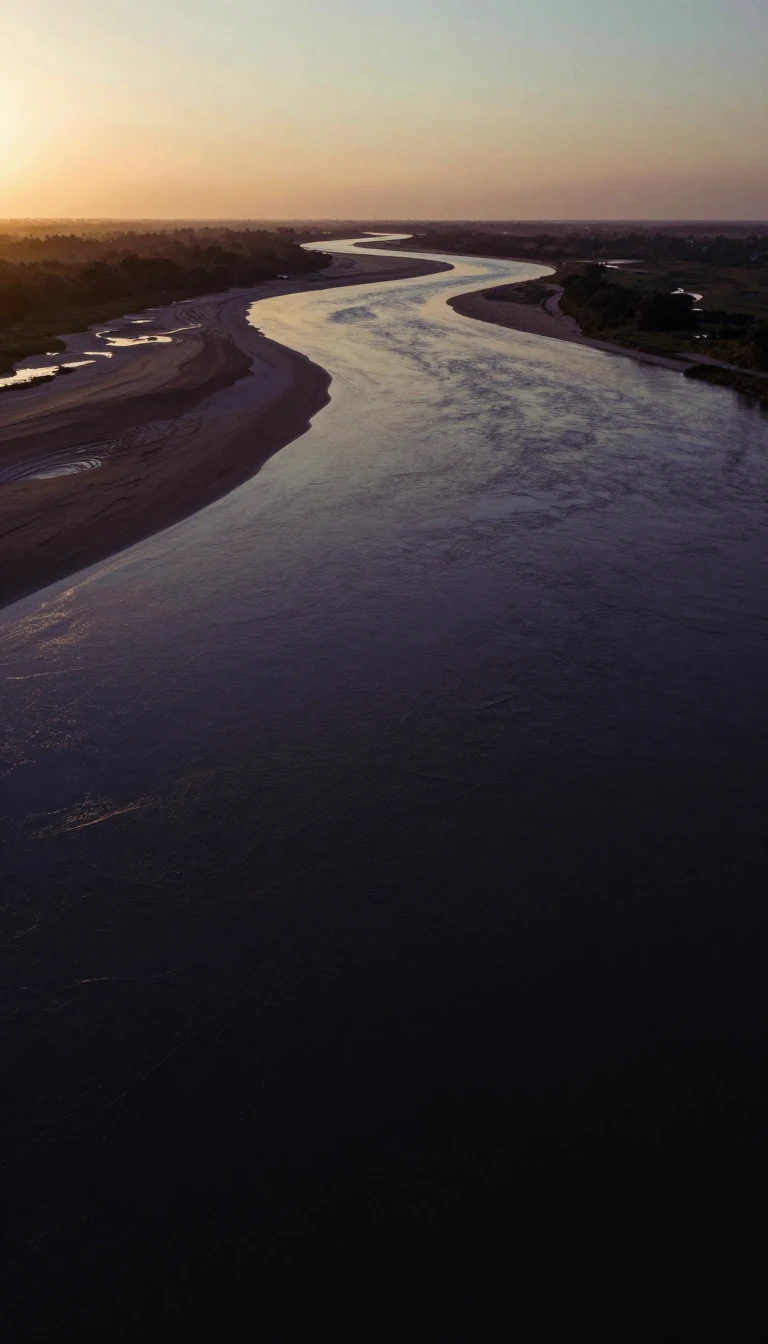 When rivers abandon their paths, they reshape the landscape in a single, violent event.A river avulsion is not a slow migration but a sudden, dramatic jump to a new course. Driven by sediment buildup and gravity, these events can transform deltas and floodplains ove…
 Azurite is the deep blue mineral that once defined the color of ancient history.This soft copper mineral has been prized since antiquity for its intense, electric blue hue. While often overshadowed by its green sister, malachite, azurite served as a primary p…
 Why do deep-sea basins form behind volcanic arcs instead of at mid-ocean ridges?Geologists once assumed convergent plate boundaries were strictly zones of compression. Yet, behind many island arcs, the seafloor is actually pulling apart. This counterintuitive…
 Why these barren, eroded landscapes are far more than just bad landKnown for their steep slopes and lack of vegetation, badlands are dramatic geological formations carved by relentless water erosion. While often seen as inhospitable, these landsc…
 These ancient, striped rocks hold the secret to Earth's oxygen-rich atmosphereBanded iron formations are stunning, layered relics from the deep past. Composed of alternating bands of iron oxide and silica, these rocks tell the story of a planet undergoing a…
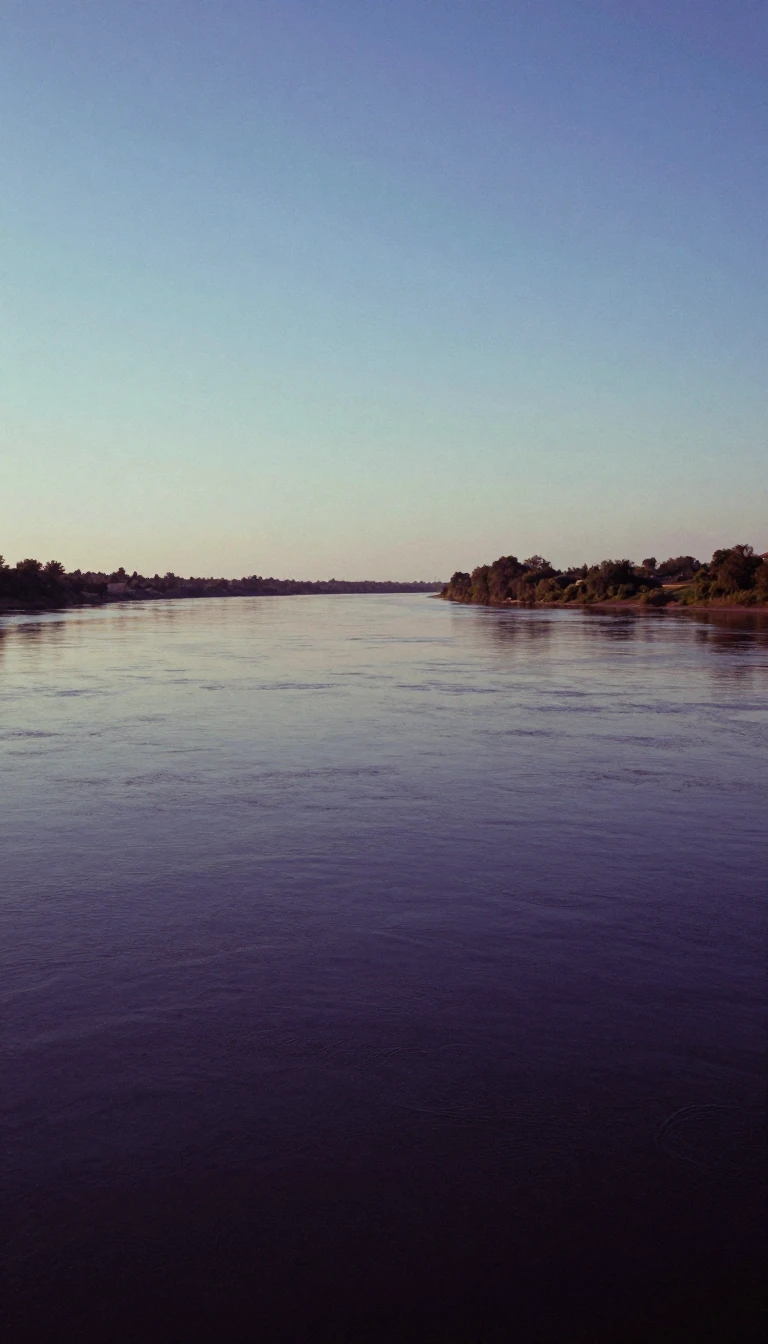 Rivers are architects of their own paths, building islands and bars from shifting sediment.River bars are more than just piles of sand; they are dynamic landforms that reveal the hidden physics of water flow. From the crescent-shaped deposits in meandering bends to the …
 Baryte is the heavy, inert mineral that keeps the world's oil wells from blowing out.Derived from the Greek word for heavy, this unassuming mineral is essential to modern industry. While it is the primary source of barium, its most critical role is acting as a den…
 How meltwater and sediment turn massive, frozen glaciers into sliding, landscape-carving machinesGlaciers are not static blocks of ice; they are dynamic, moving entities that reshape the Earth. While we often imagine them as frozen solid, many glaciers slide across their beds…
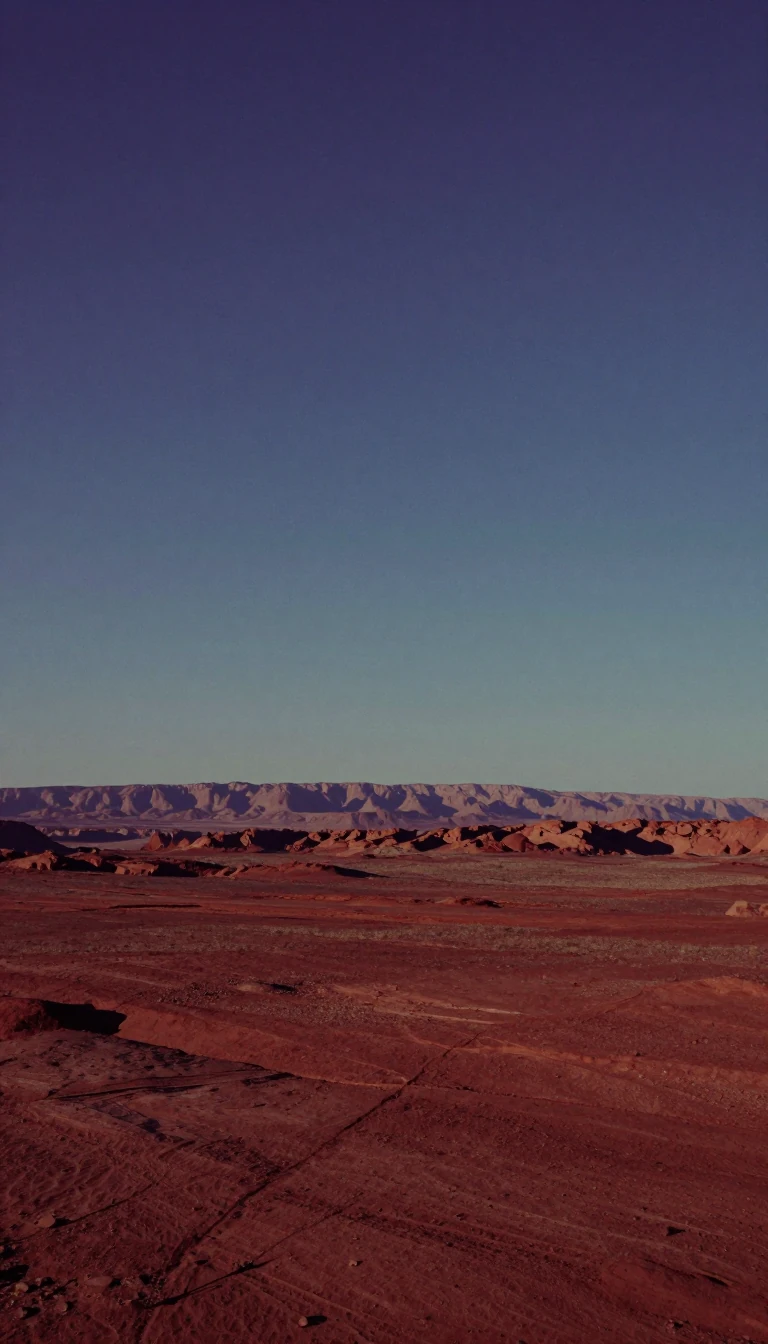 The ancient, crystalline foundation beneath your feet is a complex quilt of colliding continents.Beneath the soil and sedimentary layers of our continents lies the basement: a thick, ancient foundation of metamorphic and igneous rock. Far from a static slab, this crystalline …
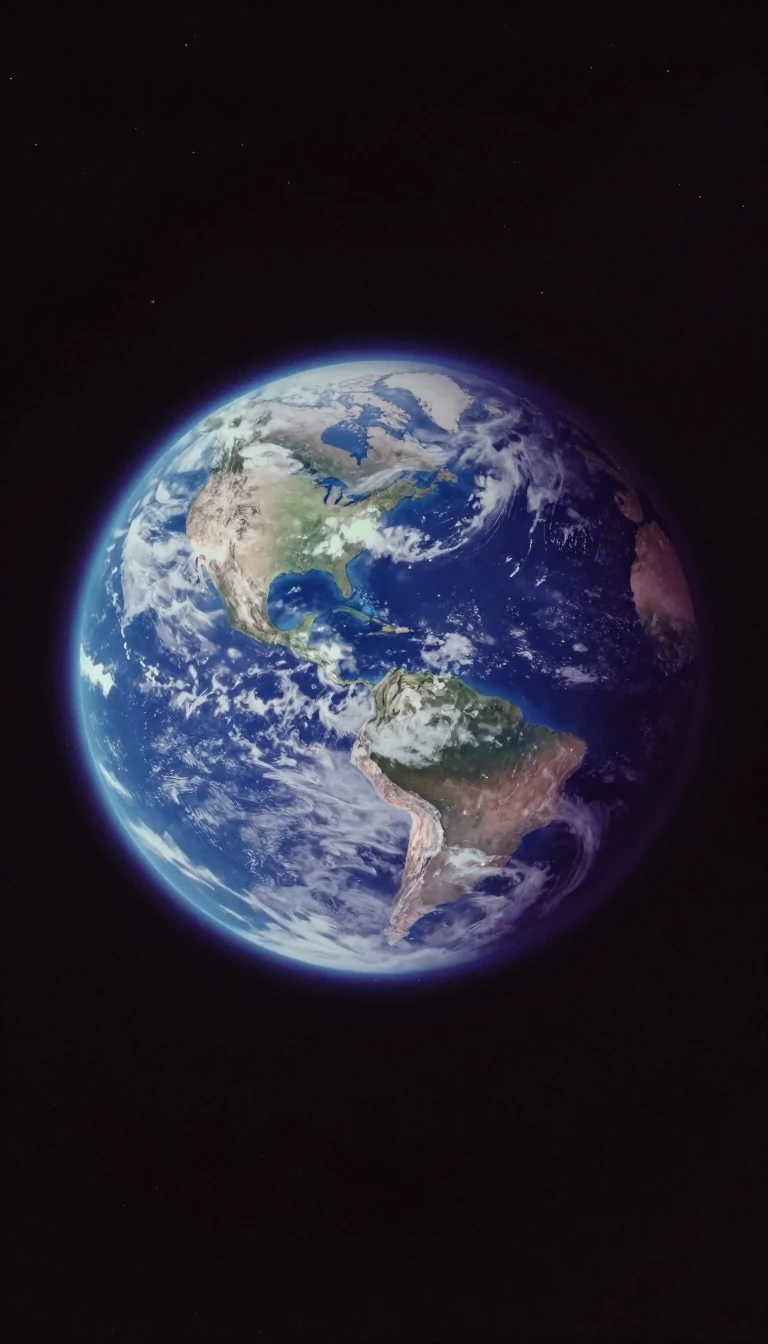 Beneath the surface of the Earth lie massive, hidden cathedrals of solid stoneA batholith is a gargantuan expanse of igneous rock, spanning over 100 square kilometers, forged deep within the Earth's crust. While they appear as singular, uniform monoliths, t…
 The midnight zone is the largest habitat on Earth, yet remains largely a mystery.Spanning from 1,000 to 4,000 meters deep, the bathypelagic zone accounts for 70% of all seawater. In this realm of perpetual darkness and crushing pressure, life thrives through b…
 Why building on bay mud is a high-stakes engineering gamble against sinking groundBay mud is a soft, water-saturated layer of silty clay found in estuaries worldwide. While it creates vital ecological zones like mudflats, its low shear strength and high compres…
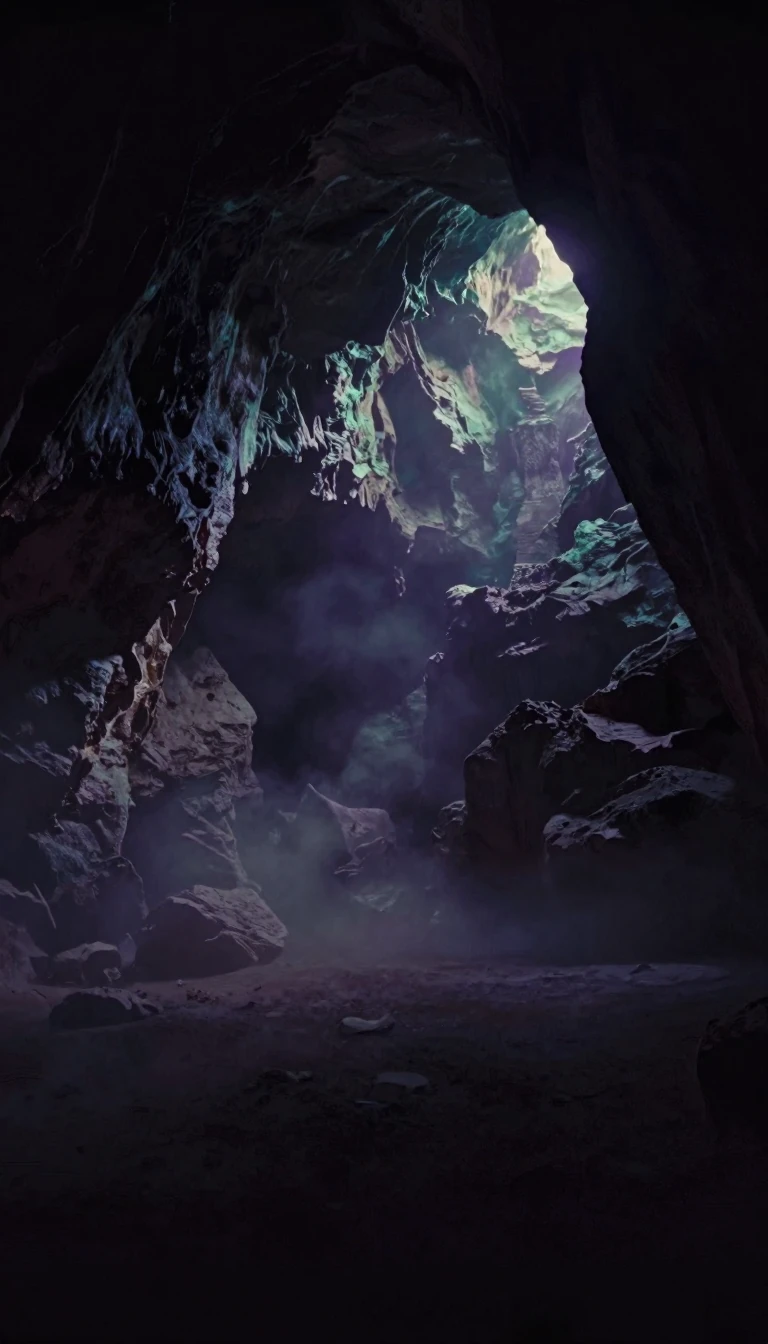 Geological beds are the fundamental building blocks for reading Earth's deep historyA bed is more than just a layer of rock; it is a frozen record of ancient environmental conditions. By analyzing the thickness, geometry, and composition of these sedimentary unit…
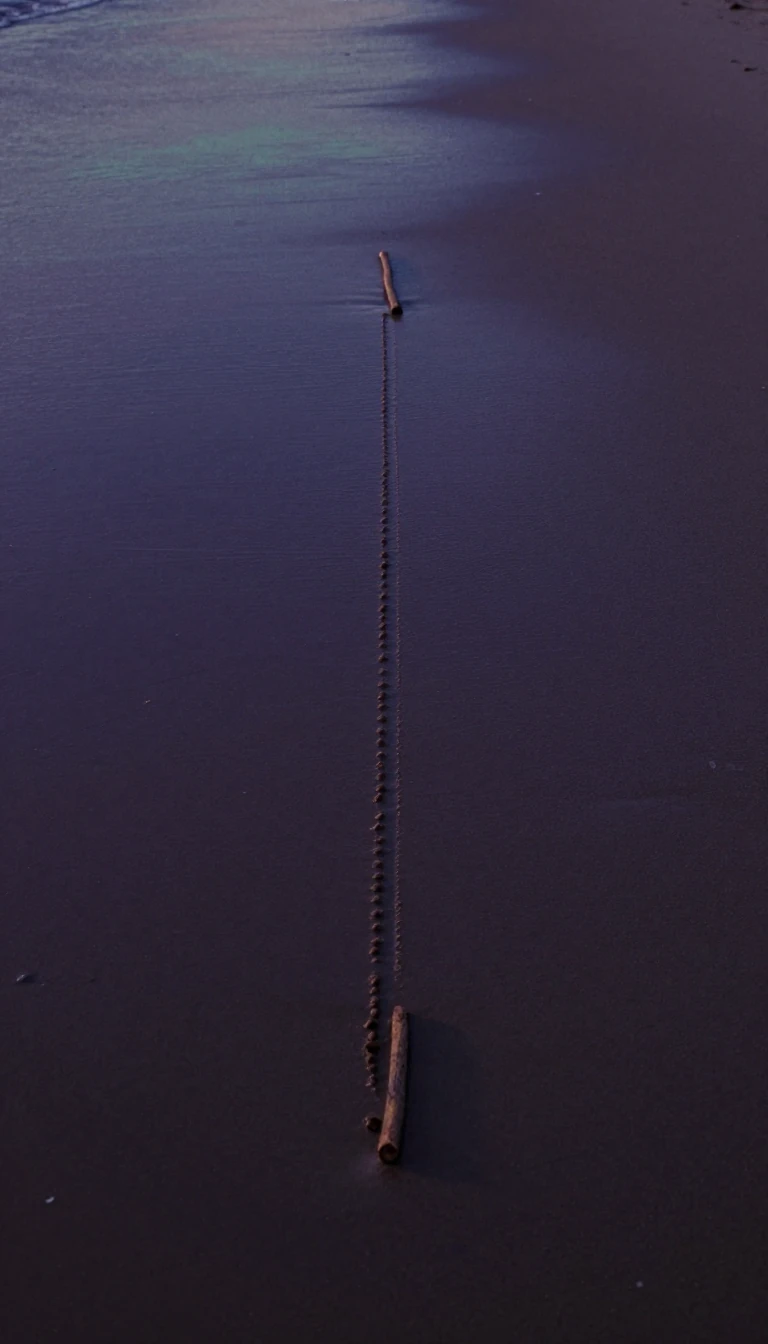 How rivers sculpt their own beds through the constant motion of rolling stone particlesRivers do not just carry water; they transport a heavy cargo of sediment along their floors. Known as bed load, these particles roll, slide, and hop downstream. This process is no…
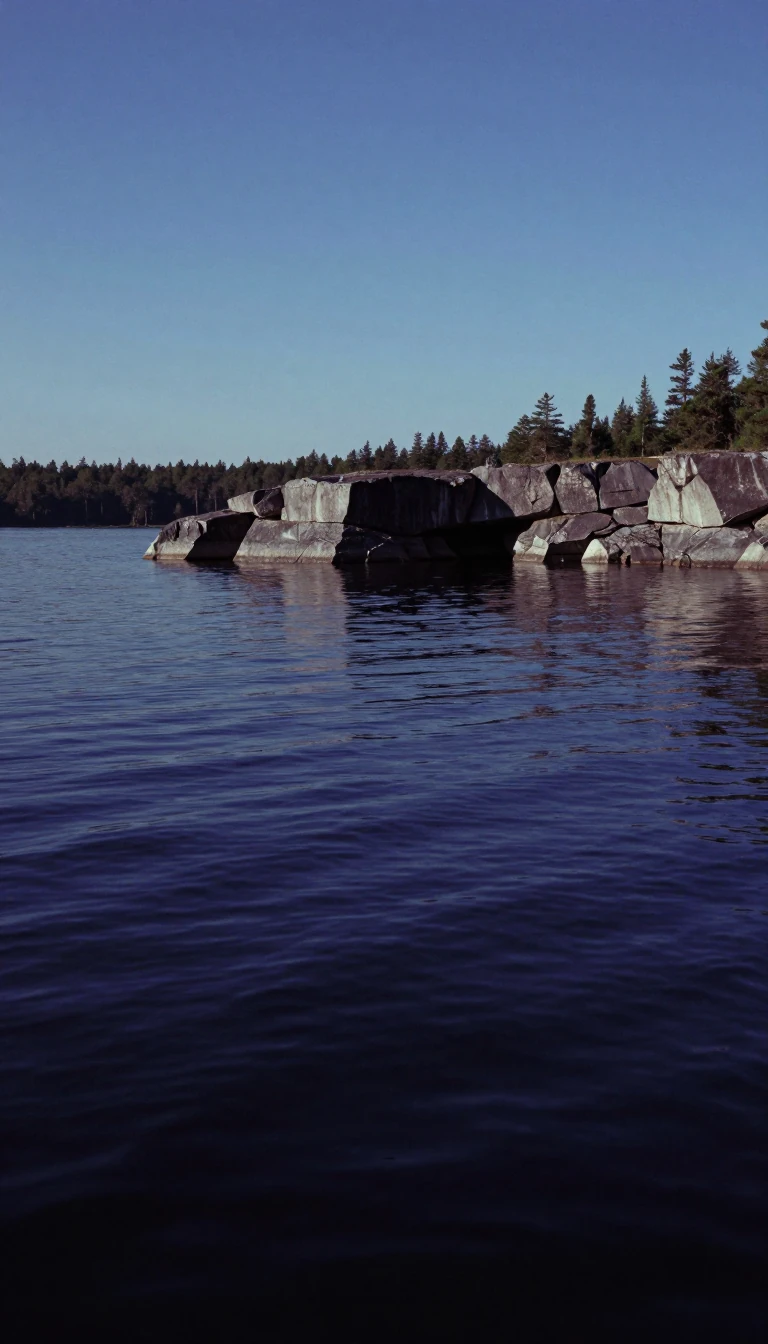 Beneath the soil you walk on lies a hidden foundation of solid stoneEvery landscape hides a secret architecture. Beneath the loose soil, sand, and debris known as regolith lies bedrock, the Earth's solid foundation. While often buried hundreds of …
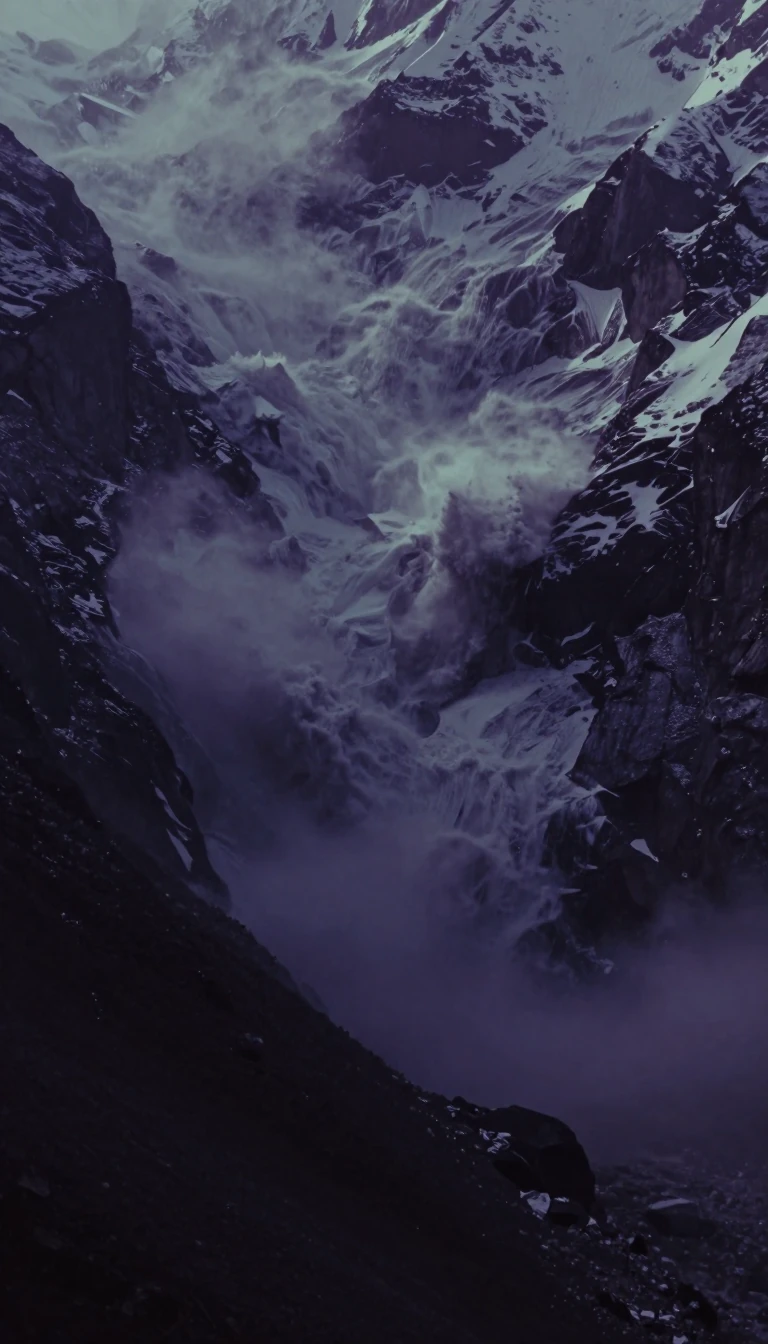 How rivers carve through solid stone to shape the face of the EarthRivers do not just flow over the land; they actively cut into it. When a riverbed lacks a thick layer of sediment, it becomes a bedrock river, a powerful geological force. Through…
 Life on Earth depends on a constant, invisible recycling of essential chemical elements.Every atom in your body has traveled through a vast, ancient network. Biogeochemical cycles are the natural pathways that circulate elements between the living biosphere and the n…
 How chemical elements flow through living systems and shape the planet we inhabitBiogeochemistry explores the complex movement of essential elements like carbon, nitrogen, and phosphorus between living organisms and their physical environments. By studying the…
 How fossils allow geologists to synchronize the history of the Earth across continentsGeologists use fossilized remains to correlate rock layers that look entirely different but formed at the same time. By tracking the appearance and extinction of specific species,…
 Tiny creatures beneath the waves are the silent architects of our global climateBioturbation, the constant churning of sediment by benthic organisms, is far more than simple movement. By burrowing, feeding, and pumping water through the seafloor, these animal…
 How paleontologists use fossilized remains to map the deep history of our planetGeologists do not just look at rock layers to understand Earth's history; they look at the life trapped inside them. By tracking the appearance and disappearance of specific fossi…
 Boninite is the rare volcanic rock forged by two distinct stages of meltingDeep beneath the ocean, boninite emerges from a unique geological process. Unlike typical volcanic rocks, this magnesium-rich substance requires a rare double-melting event in the…
 What defines a boulder, and how did they end up in the wrong place?In geology, a boulder is not just any large rock; it is a specific fragment exceeding 25.6 centimeters in diameter. Beyond their size, these stones tell stories of ancient ice she…
 Brackish water is the mysterious, shifting middle ground between fresh rivers and salty seas.Neither fully fresh nor truly saline, brackish water is a dynamic environment where life adapts to constant change. From the bustling estuaries of the Thames to the deep, stratifi…
 Why some rivers abandon a single path to become a shifting, braided networkA braided river does not follow one steady course. Instead, it splits into a restless, interwoven web of shallow channels separated by temporary islands. Driven by high sediment l…
- Why rocks behave like glass at the surface and plastic deep undergroundUnder low pressure, rocks shatter like glass. But push them deep enough, and they begin to flow like thick honey. This brittle-ductile transition is a fundamental geological bound…
 Brookite is a rare titanium dioxide variant that outshines even diamond in refractive powerWhile most people know titanium dioxide as a common white pigment, nature arranges it into four distinct crystal structures. Brookite is the rarest of these polymorphs. With a ref…
 Brucite is a mineral that acts as both a concrete savior and destroyerThis magnesium hydroxide mineral is a versatile industrial flame retardant and a vital source of magnesium. Yet, when it forms inside concrete exposed to seawater, it triggers a c…
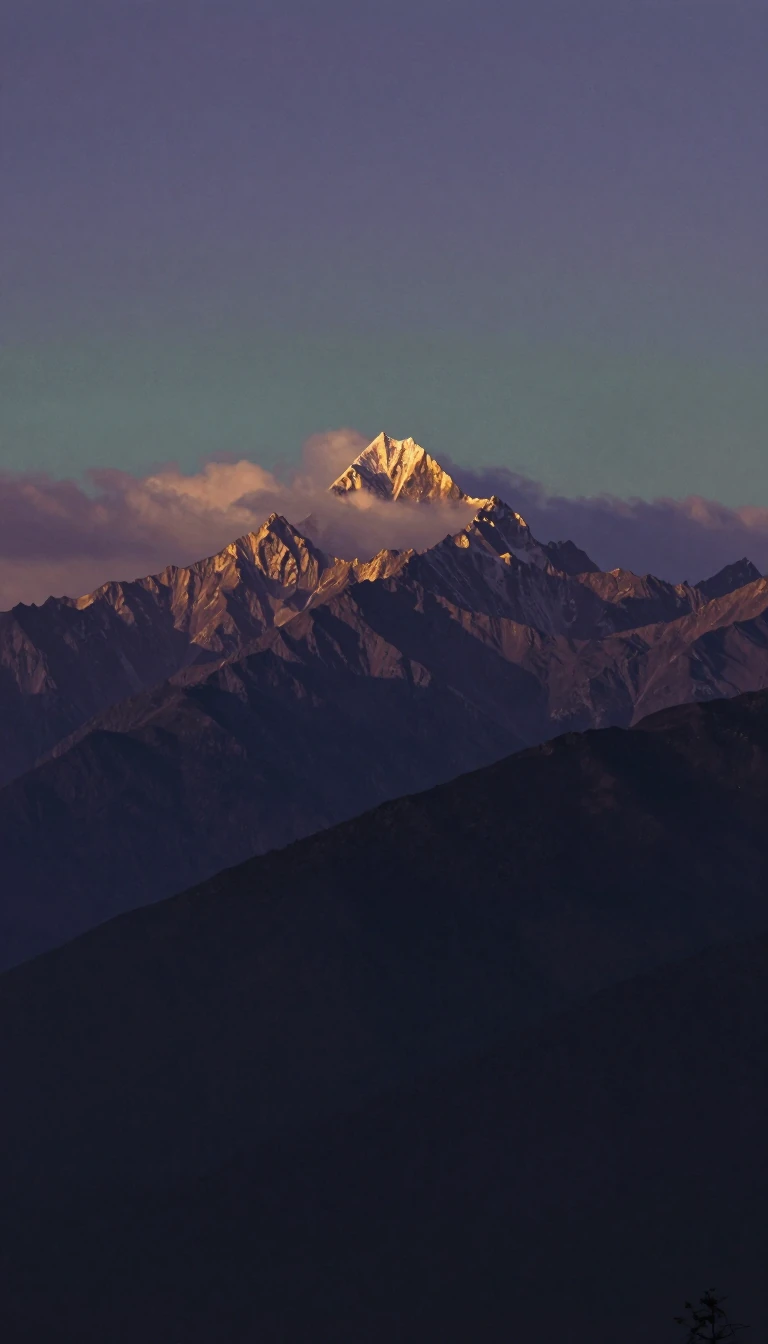 Why these isolated desert towers are defined by their height rather than their widthA butte is more than just a lonely hill. These steep-sided landmarks are defined by a simple geometric rule: if the top is narrower than the height, it is a butte. If the top is w…
- The calcium cycle is the hidden thread connecting Earth's geology to your own heartbeat.Calcium is more than just a building block for bones. It is a global traveler, moving between rocks, oceans, and living cells. This continuous cycle sustains everything from the s…
 Why these jagged coastal landmarks have guided sailors and shaped history for millenniaA cape is more than just a point of land jutting into the sea. These geological formations, carved by glaciers, volcanoes, and tectonic shifts, serve as vital navigational markers…
- How much carbon can we still emit before hitting critical global warming thresholds?A carbon budget is the finite amount of greenhouse gases humanity can release while keeping global temperature increases within specific limits. By calculating the relationship be…
- The carbon cycle is the heartbeat of Earth, recycling life's essential building block constantly.Carbon is the fundamental constituent of all organic life, circulating endlessly between the atmosphere, oceans, soil, and deep geologic formations. While natural processes mainta…
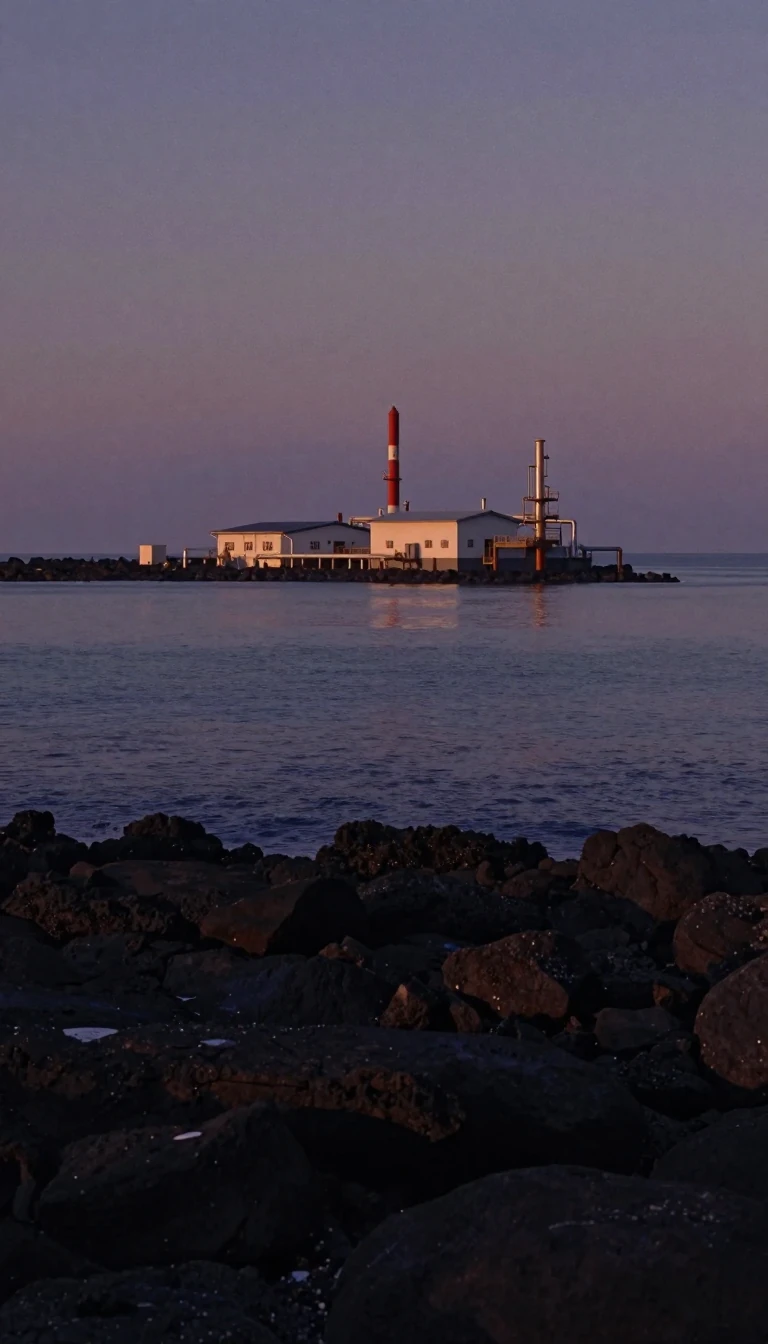 To cool the planet, we must master the art of locking carbon undergroundCarbon sequestration is the essential process of capturing atmospheric carbon dioxide and securing it in solid or dissolved forms. By mimicking nature or employing advanced techno…
- The hidden geometry of the Earth's crust is built on simple carbonate trianglesCarbonate minerals are among the most common materials in the Earth's crust, yet they are defined by a singular, elegant structural secret. At their core lies a carbon atom locked…
- Carbonate rocks are the silent, stony archives of Earth's ancient climate historyBeyond their role in modern construction, carbonate rocks like limestone and dolomite act as geological time capsules. By analyzing the chemical composition and trace metal ratios…
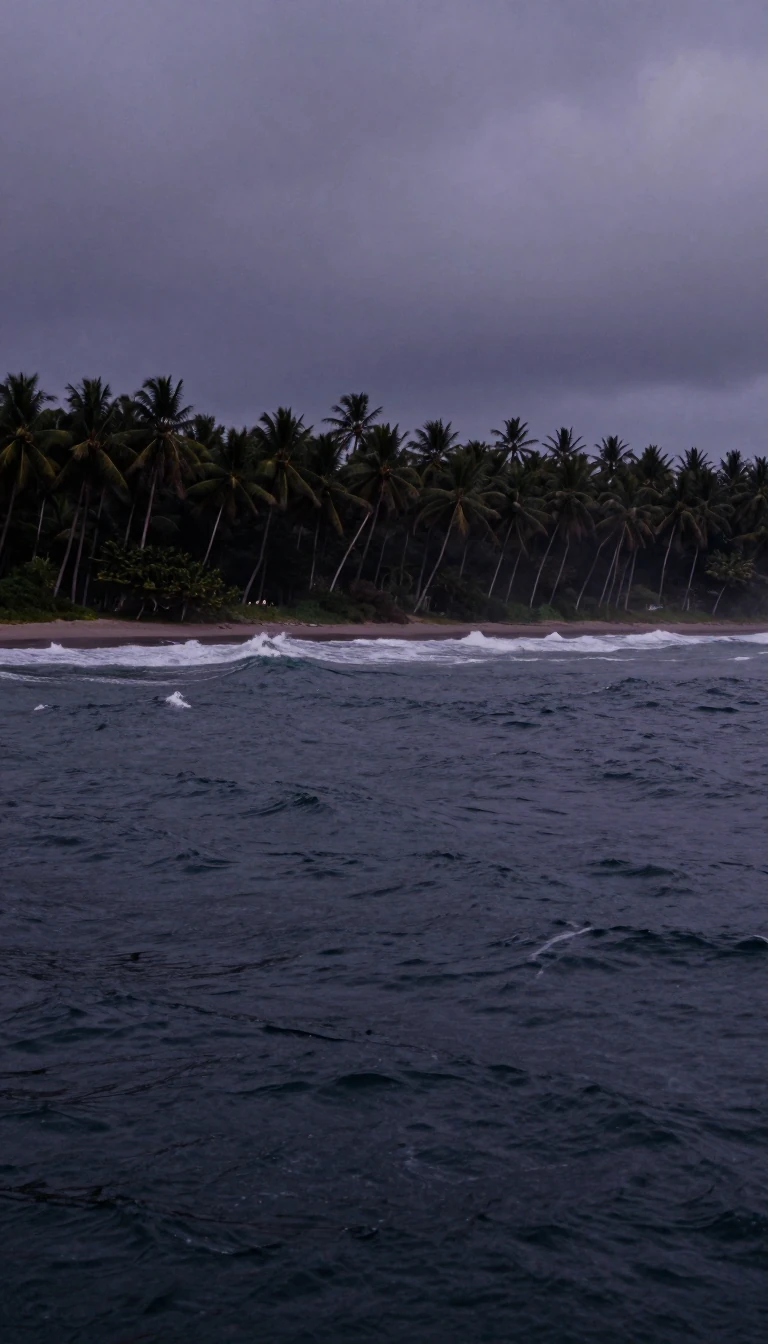 The Caribbean Plate is a restless wanderer that reshapes the seafloor beneath our feetThis oceanic microplate is not just a static piece of Earth's crust. It is a dynamic traveler that has spent tens of millions of years migrating eastward, constantly colliding wit…
 Carnallite: The elusive, water-hungry mineral powering the world’s agricultural growthThis soft, white halide mineral is a vital source of potassium for fertilizers, yet it is notoriously difficult to handle. Because it is highly hygroscopic, it absorbs moisture fr…
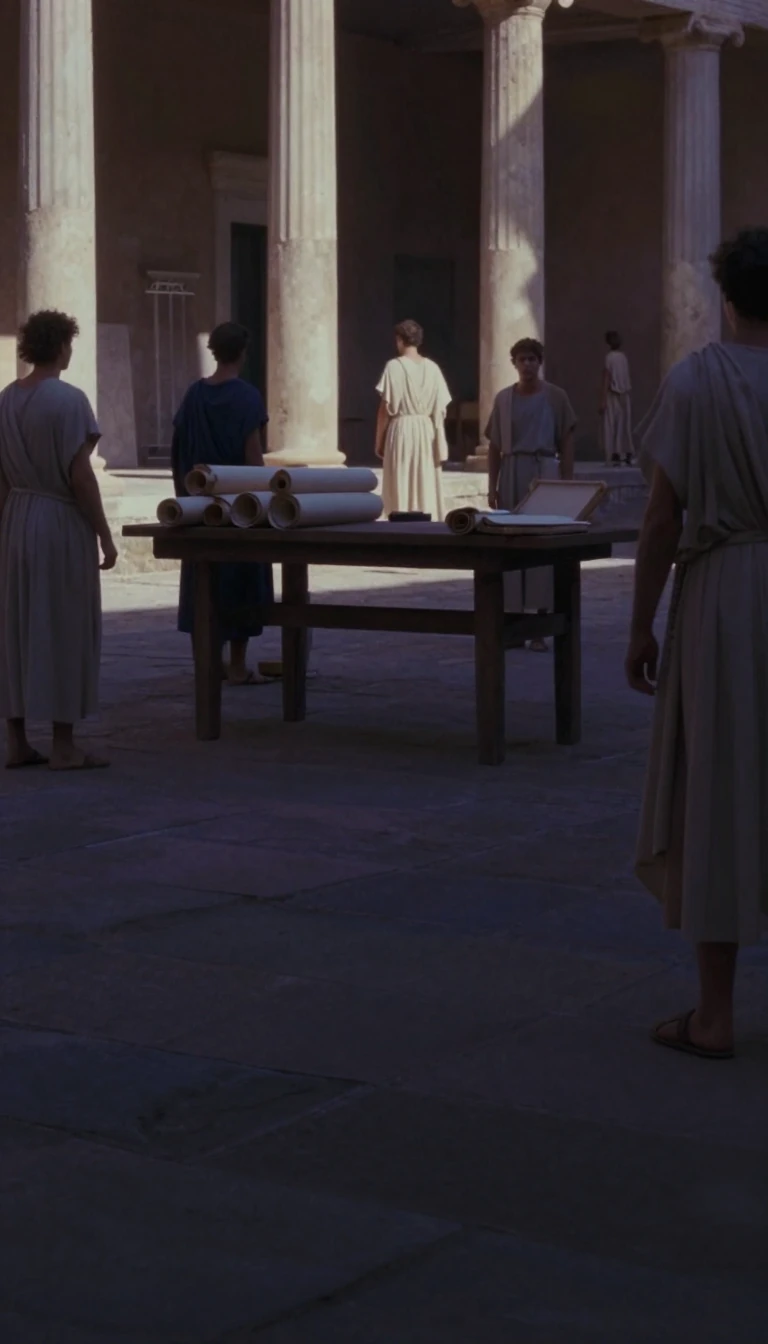 Why this ancient red stone became the preferred seal for Roman wax documentsCarnelian is a silica mineral colored by iron oxide, prized since the Neolithic for its beauty and utility. Because hot wax does not adhere to its surface, it became the standard …
 Cassiterite is the heavy, metallic mineral that powered the dawn of the Bronze Age.Long before humans mastered pure tin, they relied on cassiterite to create bronze. This dense, hard oxide ore remains the primary source of tin today, fueling everything from mode…
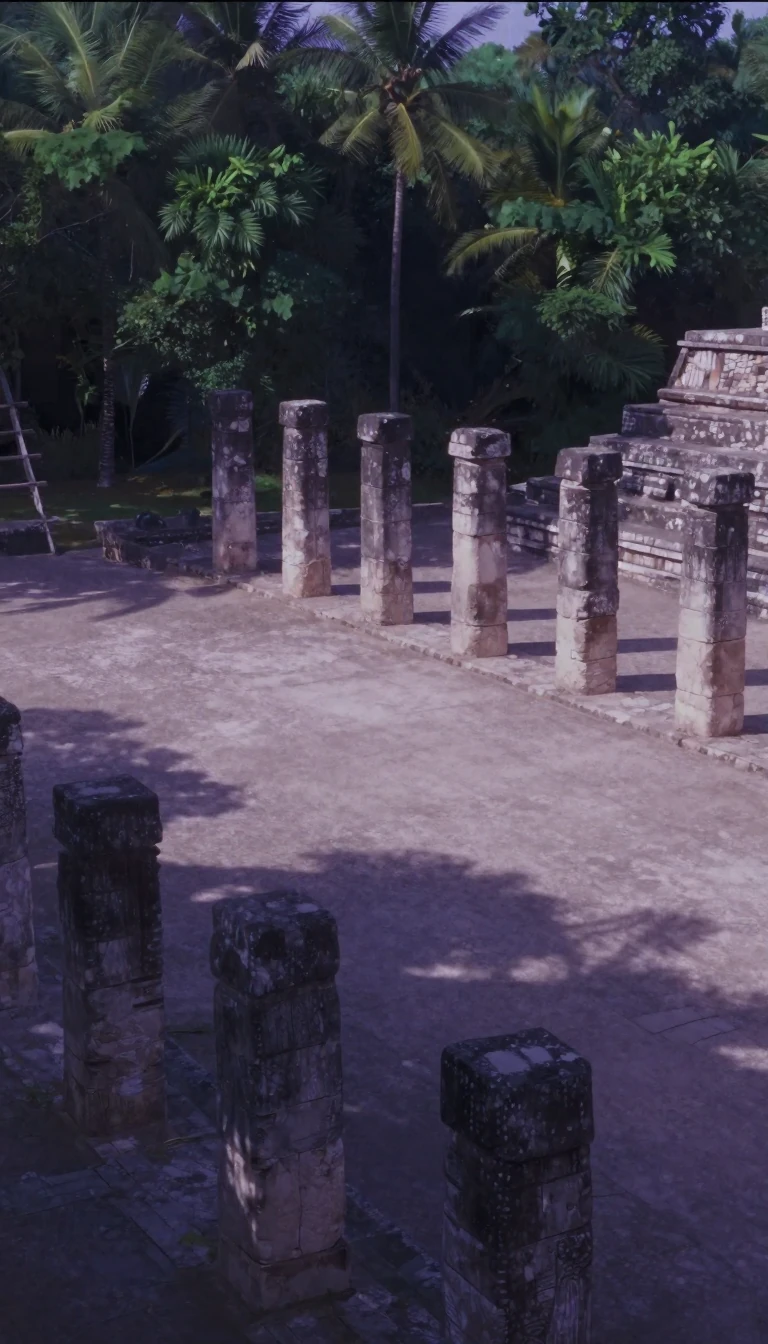 Cenotes are more than just swimming holes; they are portals to ancient history and ecosystems.These natural limestone sinkholes, found in abundance across Mexico's Yucatán Peninsula, serve as vital freshwater sources and gateways to vast, hidden underwater cave systems. Be…
- How the Earth’s largest mountain-building zone reveals the secret of how subduction beginsSubduction initiation—the moment a tectonic plate begins sliding beneath another—is a fundamental process that remains elusive because no active example exists today. By studying …
- Chalcedony is a microscopic silica aggregate that has shaped human history for millenniaBeneath its waxy luster, chalcedony hides a complex internal structure of tiny, twisted silica fibers. While often mistaken for simple quartz, this mineral is a unique aggregate t…
- Why this brassy, golden mineral has been the world's primary copper source since antiquity.Often mistaken for gold or pyrite, chalcopyrite is the most abundant copper ore on Earth. While it lacks the highest copper content of any mineral, its widespread geological prese…
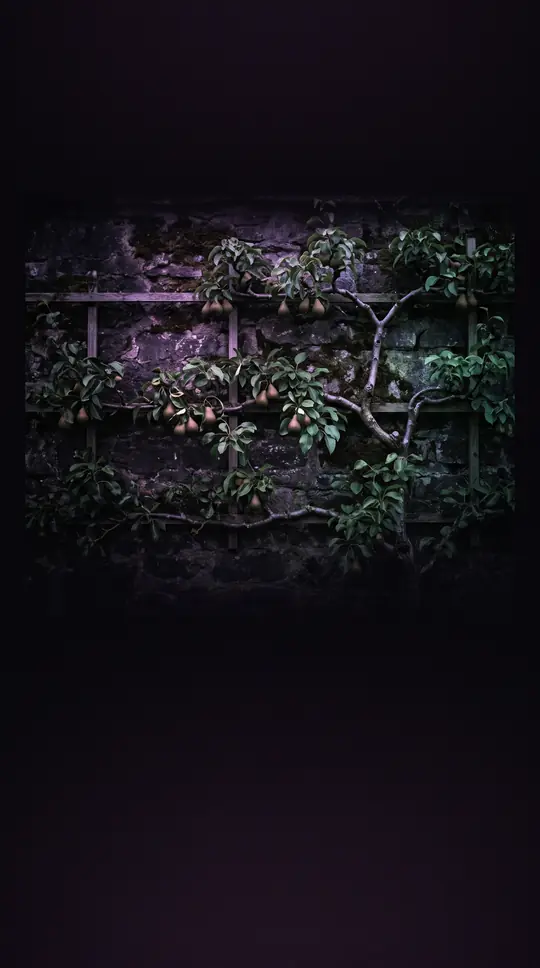 Chaparral is a resilient, fire-dependent shrubland that thrives in Mediterranean climates across the globe.Chaparral is more than just brush; it is a highly specialized, biodiverse ecosystem defined by leathery, evergreen leaves and a complex relationship with fire. Found in regions wi…
- Despite its name, the mineral chlorite contains absolutely no chlorine at all.Named for the Greek word for green, this common mineral group is a staple of metamorphic and igneous rocks. While it often resembles mica, its unique atomic structure—a sandwich o…
 This iron-black mineral is the essential, double-edged sword of modern industrial civilization.Chromite is the primary source of chromium, the critical ingredient in stainless steel and high-stress jet engine alloys. Yet, this same mineral hides a dangerous secret: industri…
- Chrysoberyl is a geological anomaly that produces the world's most elusive color-changing gemstone.Beyond its reputation as a durable, high-hardness mineral, chrysoberyl hides a rare secret. Its most famous variety, alexandrite, defies standard optics by shifting from emerald g…
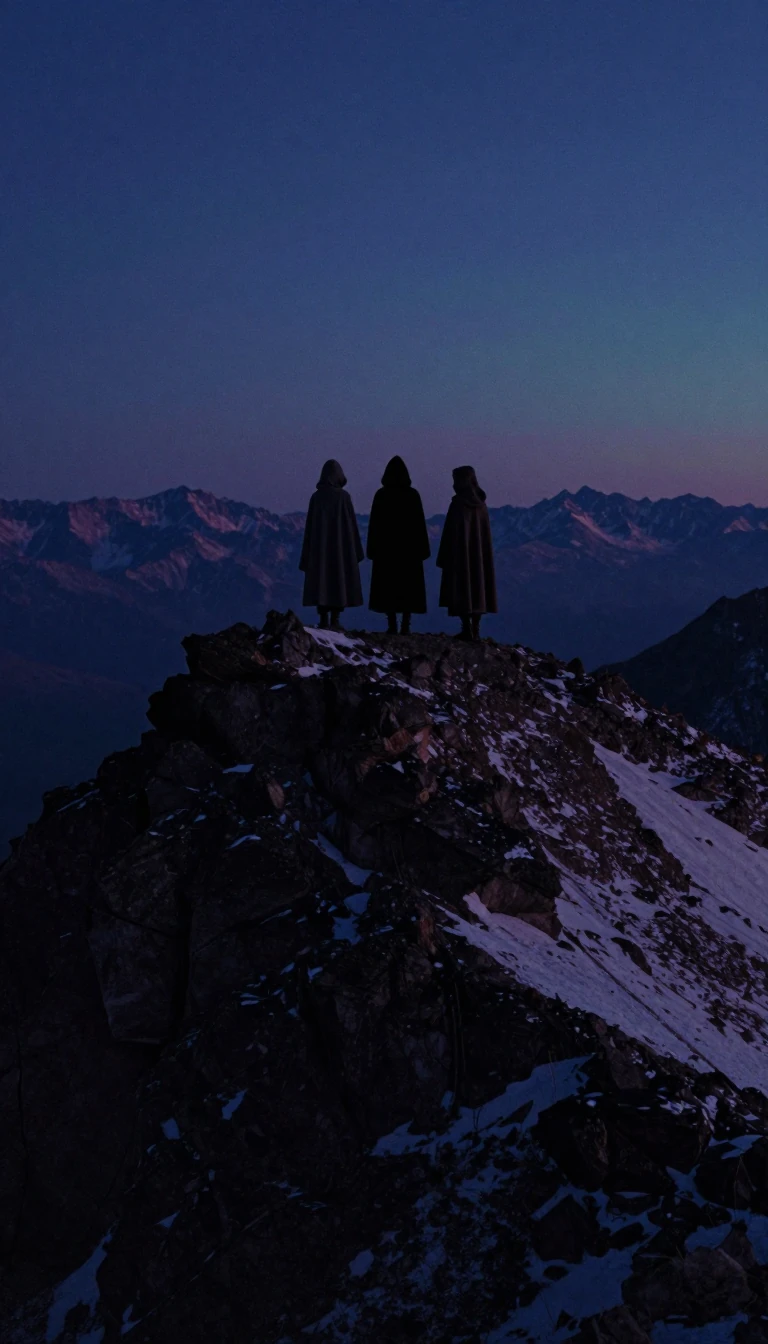 These massive mountain amphitheaters are carved by ice, but sometimes by water insteadA cirque is a dramatic, bowl-shaped valley carved into a mountainside. While most are sculpted by the slow, grinding power of ancient glaciers, some are formed by rivers cutting t…
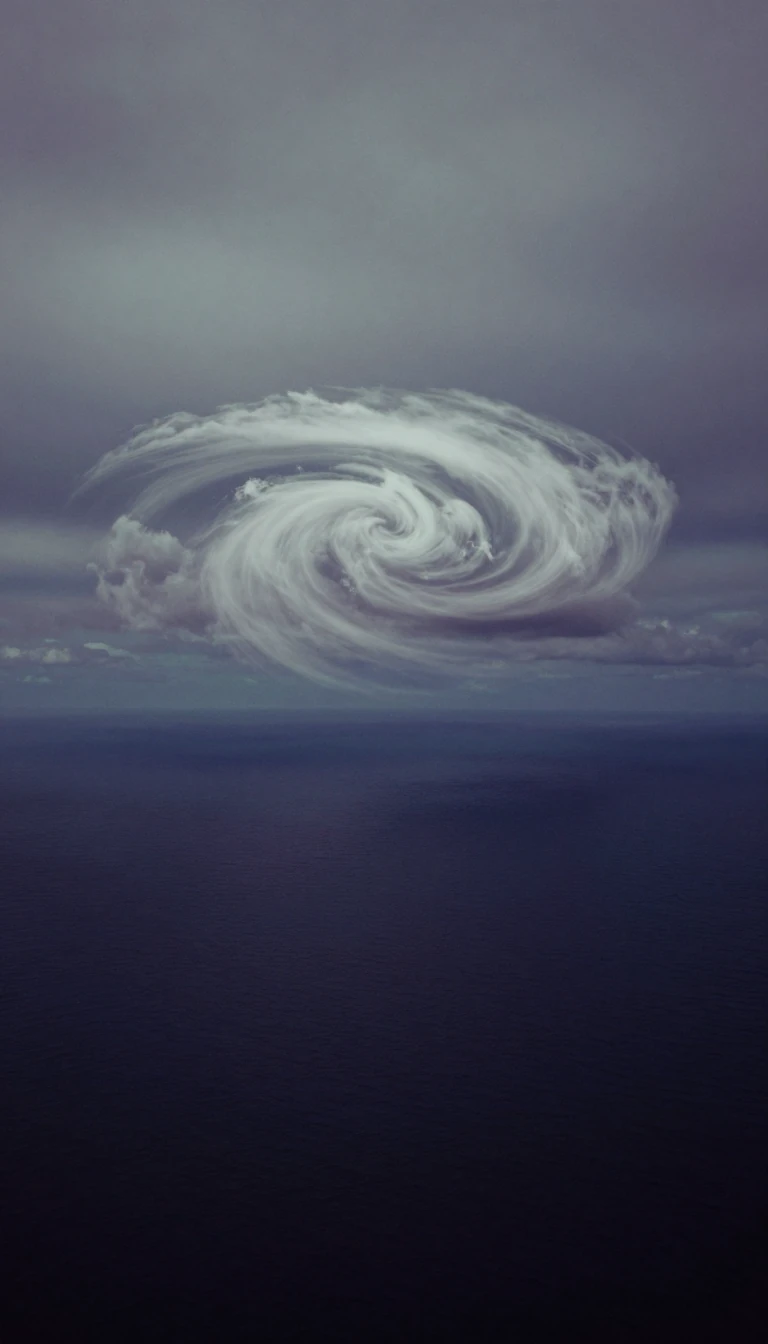 Why the rare mackerel sky is a beautiful warning of changing weatherHigh above the earth, cirrocumulus clouds form delicate, rippled patterns that resemble the scales of a fish. While these rare, icy formations often signal fair weather, their app…
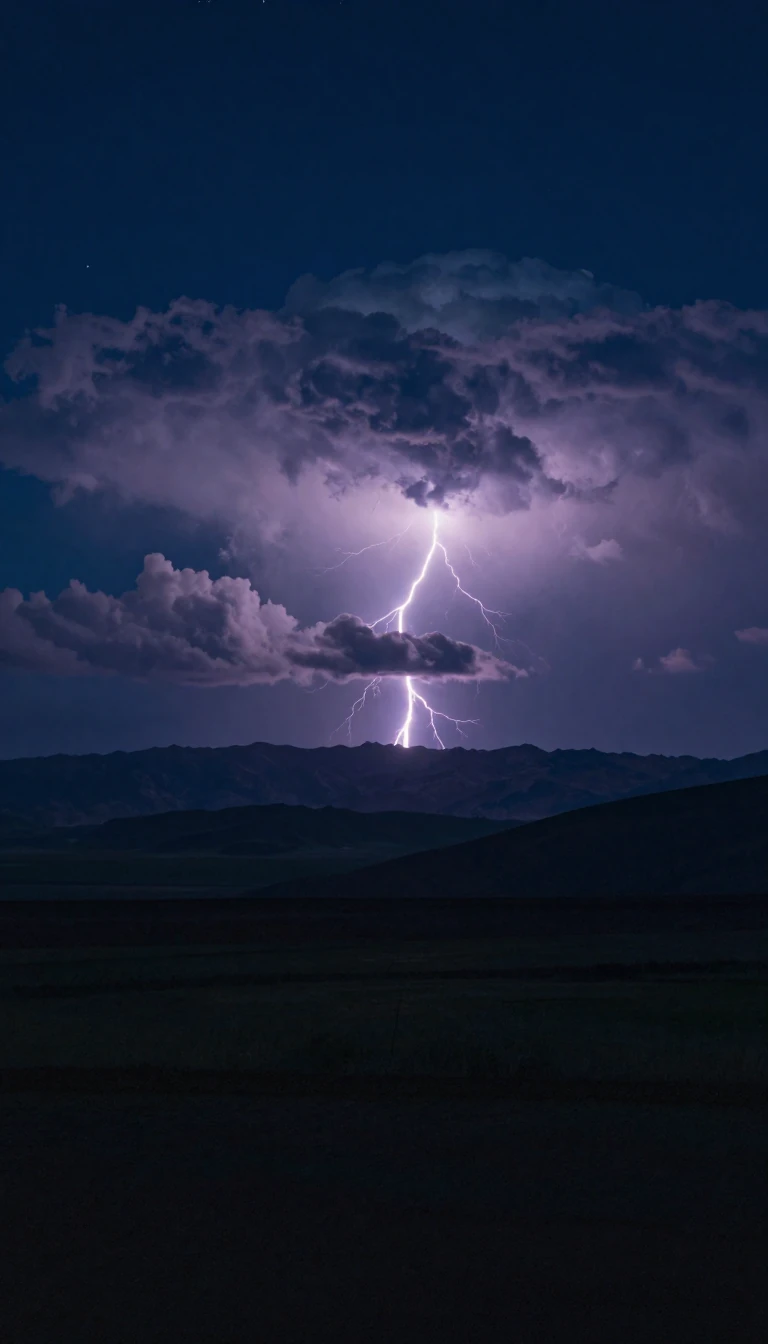 Why that milky haze in the sky often signals a coming rainstormCirrostratus clouds are high-altitude, ice-crystal veils that often go unnoticed, yet they act as a sophisticated atmospheric warning system. By casting halos around the sun or mo…
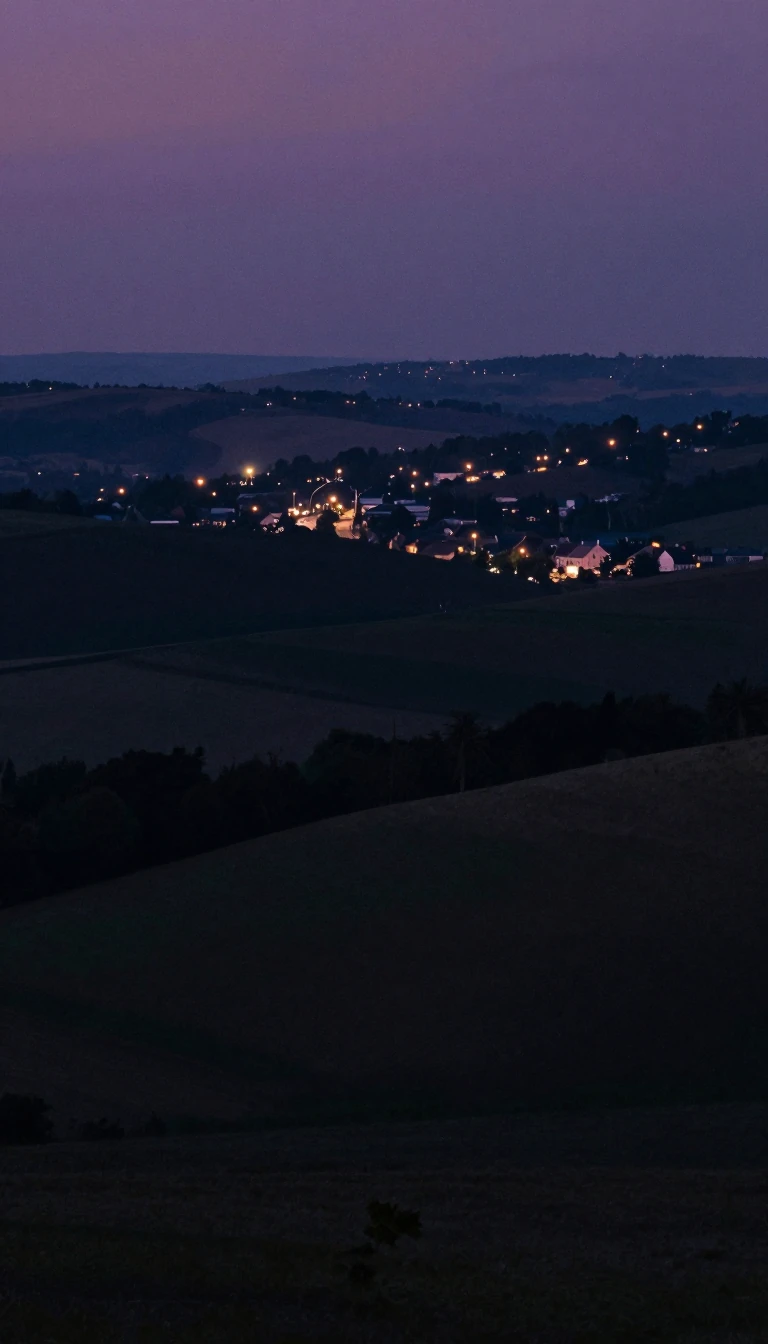 The invisible veil in the sky that predicts the coming of rainCirrostratus nebulosus is a high-altitude cloud so subtle it often vanishes into the blue. Yet, this featureless, icy veil is a powerful meteorological signal. When you spot its f…
 Clastic rocks are the geological record of ancient landscapes preserved in stone fragments.Every clastic rock tells a story of erosion, transport, and eventual burial. Formed from the broken remnants of older geological structures, these rocks act as physical archives o…