 Intellect Plus
Nature
11,198 cards. Each one is a 40-second story with a five-minute read behind it. Page 78 of 187.
Subtopics: Ageing · Air · Animal behaviour · Animal breeds and hybrids · Animals · Arthropods · Atmosphere · Big cats · Bilateria, others · Birds · Botany · Cnidarians · Conservation · Coral reefs · Deep sea · Deserts · Dinosaurs · Earth science · Earth science and physical geography · Earth science basics · Earthquakes & tsunamis · Echinoderms · Ecology · Ecosystems · Endangered species · Extinct animals · Farming · Fish · Forests · Fungi · General classifications · Geology · Geomorphology · How Long Can It Live? · Ice · Individual animals · Insects · Lightning · Longevity · Mammals · Marsupials · Migration · Mollusks · Ocean · Organisms · Parasites · Physical geography · Plants · Porifera · Predators · Primates · Rainforest · Reptiles & amphibians · Researched · Sharks & rays · Spiders & arachnids · Symbiosis · Trees · UK & Ireland: nature · Vertebrates · Vision · Volcanoes · Water · Waves · Weather · Whales & dolphins · Zoology
 Why these microscopic, sheet-like minerals are the unsung architects of Earth's surfaceClay minerals are far more than just mud. These hydrous aluminum silicates, defined by their tiny particle size and complex, layered atomic structures, are fundamental to geology …
 Why some coastlines are vanishing while others remain frozen in timeCoastal cliffs are not static monuments but dynamic battlegrounds where the ocean relentlessly carves into the land. Through a process called abrasion, waves undercut cliffs until…
 Mapping the geography of climate denial: why certain regions reject scientific consensusRoughly 15 percent of Americans reject the reality of climate change, but this skepticism is not spread evenly. By analyzing millions of social media posts, researchers have uncov…
 Why Earth’s climate system is a complex web of self-reinforcing and balancing loopsClimate change is not just about emissions; it is driven by feedback loops that either stabilize or accelerate warming. While some processes act as a natural thermostat, others cr…
 Africa is warming faster than the global average, triggering unprecedented climate-related humanitarian crises.The African continent is heating up at a rate unseen in the last thirty years. This warming is not just a statistical anomaly; it is driving a surge in extreme weather, from devas…
 Antarctica is warming faster than the rest of the world, threatening global sea levels.Once a stable, frozen desert, Antarctica is now experiencing rapid temperature spikes. While the massive East Antarctic ice sheet remains largely stable, the West Antarctic ice sh…
 Australia is facing a future of extreme heat, longer fire seasons, and shifting rainfall.Australia is warming twice as fast as it did fifty years ago. As the continent becomes hotter and drier, the nation faces a cascade of environmental shifts: from disappearing stre…
 Brazil faces a climate paradox where its own rainforest could trigger a national crisis.Brazil is a global climate heavyweight, both as a major emitter and a critical carbon sink. Yet, as the Amazon nears a tipping point, the nation faces a future of erratic rainfall…
- Canada is warming at double the global rate, transforming its landscapes and traditional cultures.Canada is experiencing climate change at an accelerated pace, with average temperatures rising twice as fast as the global mean. This shift is fueling extreme weather, from year-r…
- Europe is warming faster than any other continent, with temperatures rising over 2 °C.Europe is currently the fastest-warming continent on Earth, with temperatures already 2.3 °C above pre-industrial levels. This rapid shift is fueling extreme heatwaves, devastatin…
 Most Indians report feeling the direct impact of climate change in their daily lives.Extreme weather is no longer an abstract concept for the Indian public. A massive survey reveals that a majority of citizens have personally experienced severe heat waves, air pol…
- Why Indonesia is moving its capital city to escape a sinking futureIndonesia is one of the world's most climate-vulnerable nations, facing a dual crisis of rising seas and rapid land subsidence. With Jakarta sinking by up to 10 centimeters annual…
 Japan faces a warming future as climate shifts threaten its ecosystems and food security.From Hokkaido's frigid winters to Okinawa's subtropical reefs, Japan is experiencing rapid climatic shifts. Rising temperatures, unpredictable rainfall, and extreme weather are di…
- To survive a warming planet, humanity must master two distinct, complementary strategies for climate action.Climate change is a global problem with local consequences that will persist for millennia. Because we are already committed to future warming, we must pursue a two-pronged approa…
- Over half of the global population lives in areas prone to climate-related hazardsClimate change is not a uniform threat. While 4.5 billion people—roughly 57 percent of the world—face exposure to floods, droughts, cyclones, or heatwaves, the true danger lies in…
 How do we predict the future of a planet that is too complex to simulate?Climate models are our most sophisticated tools for understanding the Earth, yet even the world's fastest supercomputers cannot fully replicate our planet's complexity. Instead, s…
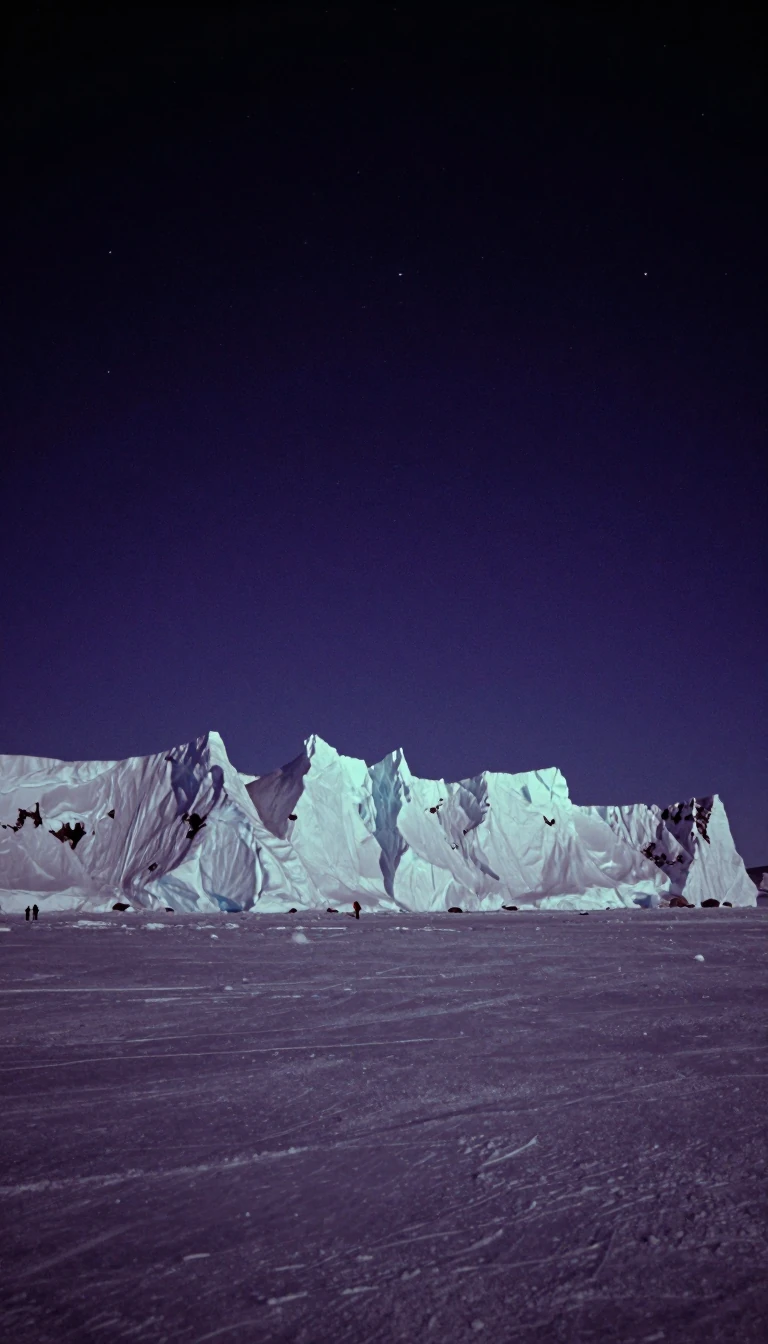 Antarctica is the world's largest desert, yet it holds 70 percent of Earth's freshwater.Known as the White Desert, Antarctica is a paradox of extreme aridity and immense frozen volume. While it remains the coldest place on Earth, its vast ice sheets are not static. T…
 The Arctic is not just a frozen wasteland but a complex, shifting climate mosaic.While we imagine the Arctic as a uniform block of ice, it is actually a collection of distinct climate zones. From the stormy, maritime coasts of Iceland to the intensely cold, qu…
 How much will the planet warm if we double atmospheric carbon dioxide levels?Climate sensitivity is the core metric for predicting our future. It measures the global temperature rise following a doubling of atmospheric CO2. While the physics of a 1°C incre…
 Why Earth’s surface is nearly 60 degrees Fahrenheit warmer than the sun alone allowsEarth would be a frozen, uninhabitable rock if it relied solely on solar heating. Our planet maintains a comfortable average temperature of 57 degrees Fahrenheit because of a comp…
 Can a cloud really burst like a water balloon and flood an entire city?The term cloudburst evokes a dramatic image of a ruptured sky, but the reality is a complex atmospheric phenomenon. These intense, localized deluges can dump enormous volumes of w…
 The coastline is a dynamic battlefield where waves and wind constantly reshape the landCoastal landforms are not static features but the result of a relentless tug-of-war between erosional and depositional forces. Driven by waves, tides, and currents, the shoreline …
 Why building walls against the ocean often destroys the very beaches we try savingFor centuries, we have fought the sea with concrete, but our rigid defenses often trigger a phenomenon called coastal squeeze. By blocking natural migration, these structures trap…
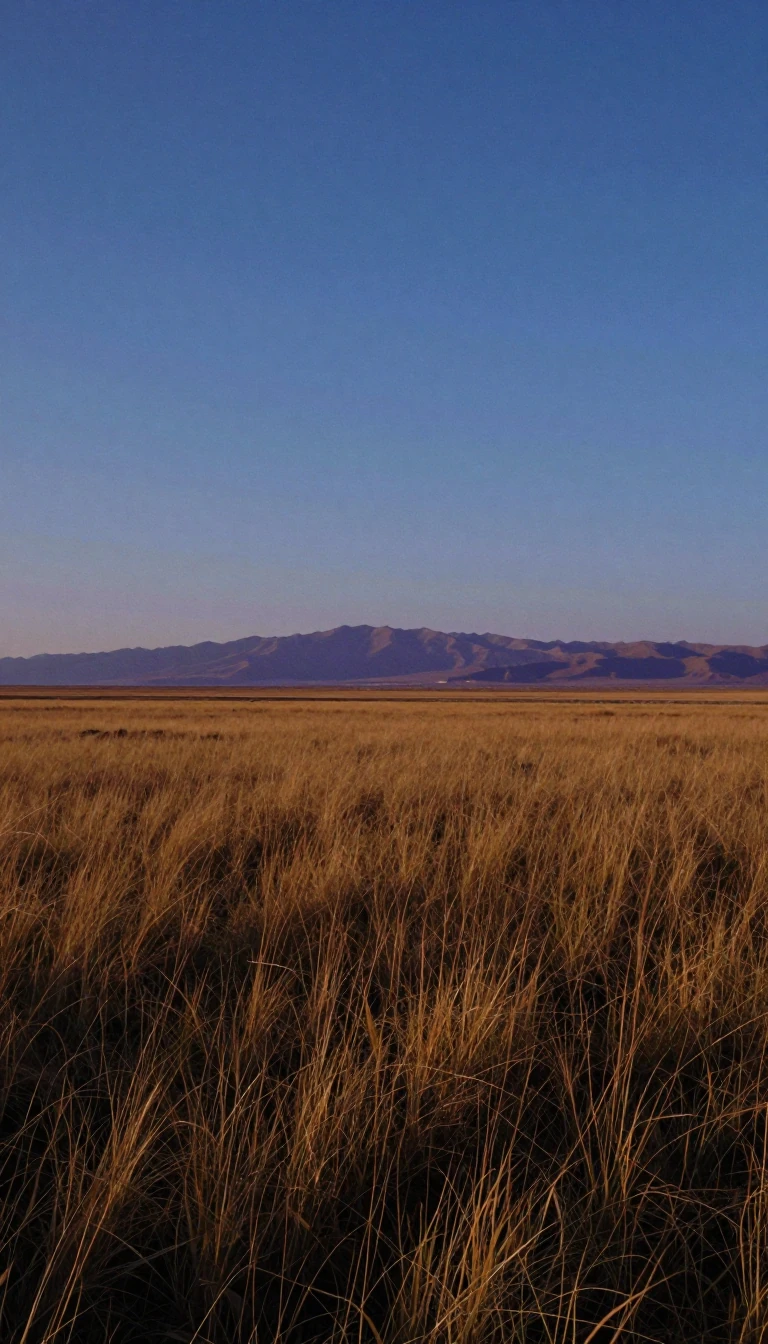 Coastal plains are the flat, low-lying borders where land meets the seaThese expansive, level landscapes are not merely static edges of continents. They emerge through dramatic geological shifts, either by the receding of ancient ocean levels or the …
 Is a cobble just a rock, or is it a precise geological measurement?In geology, size matters. While we often use the word cobble to describe any loose stone, scientists define it by a strict diameter range. Understanding these dimensions reveals h…
 The Cocos Plate is a restless engine of volcanoes and earthquakes beneath the PacificBorn 23 million years ago from the fracturing of the Farallon plate, the Cocos plate is a young, oceanic tectonic force. It relentlessly slides beneath Central America, fueling a …
 The dull black ore powering your smartphone is fueling a humanitarian and ecological crisisColtan, a metallic ore, is the essential source of tantalum, a metal used in capacitors for nearly every modern electronic device. While it enables our digital connectivity, its e…
- The Columbia River Basalt Group: A massive, rapid volcanic event that reshaped the Northwest.Between 17 and 6 million years ago, a series of colossal volcanic eruptions flooded the Pacific Northwest with enough lava to create a plateau over a mile thick. These flows were …
 Why some volcanoes are not just single mountains but entire, shifting geological landscapesA complex volcano is not a simple peak, but a mixed landform built from shifting vents and changing eruptive habits. These structures can evolve from a single stratovolcano into a…
 These bizarre, spherical geological formations are often mistaken for alien artifacts or dinosaur eggs.Concretions are compact mineral masses that grow within sedimentary rock, often forming around a nucleus like a fossil or shell. Because they appear in strange, sometimes perfectl…
 Why your smartphone might be funding a brutal, multi-decade war in the CongoThe Democratic Republic of the Congo holds an estimated $24 trillion in mineral wealth, yet its people remain trapped in a cycle of violence. From smartphones to jet engines, the …
 Why do the world's most significant cities and sacred sites often emerge at confluences?A confluence is more than just where two rivers meet. It is a dynamic intersection of hydrology, chemistry, and human history. From ancient spiritual rituals to modern urban plann…
- Every rock boundary tells a story of Earth's violent or quiet pastIn geology, a contact is the boundary between two rock bodies. These lines are not merely physical edges; they are historical records. Whether formed by the slow accumulation of s…
 Why do some regions experience extreme seasonal temperature swings while others remain mild?Continental climates are defined by their distance from the ocean's moderating influence. By lacking the thermal buffer of large bodies of water, these regions experience intense …
 Why the continents are Earth's most enduring archive of its own ancient historyContinental crust is the buoyant, thick layer that forms our landmasses, separating them from the denser, ephemeral oceanic crust below. Because it resists subduction, it acts as …
- How massive chunks of continent drift away to become isolated, submerged islandsContinental fragments are pieces of land that break away from main masses, drifting hundreds of kilometers to form distinct islands. While they share the same crustal composition …
 The hidden geography of the ocean floor determines who owns the sea's wealthThe ocean floor is not a uniform basin. It is divided into three distinct zones, with the continental margin acting as the vital transition between land and deep sea. Understandin…
- The continental rise is a vast, hidden landscape of sediment between slopes and plains.Tucked between the steep continental slope and the flat abyssal plain lies the continental rise. This massive depositional zone acts as a geologic sink for materials eroded from l…
- Coral islands are not just sandbars; they are the ghosts of ancient volcanoes.A coral island is more than a tropical beach. It is a geological transformation, born from volcanic peaks that sink beneath the waves. As the land subsides, coral reefs grow upwar…
- The core-mantle boundary is not a simple line, but a complex, active frontier.Deep beneath our feet, the interface between Earth's rocky mantle and liquid iron core was long viewed as a sharp, static divide. Modern seismology reveals a far more chaotic real…
 A core sample is a cylindrical time machine revealing Earth's hidden geologic history.By drilling into everything from deep-sea floors to ancient trees, scientists extract intact cylinders of material that act as physical records of the past. These samples reveal s…
- The Grand Canyon is a giant record of ancient seas rising and fallingGeologists use cratonic sequences to track how massive inland seas once flooded North American continents. These cycles of transgression and regression left behind distinct layers…
 How metamorphic rocks record the complex history of Earth's shifting tectonic stressesCrenulation is a geological fingerprint, a microscopic texture formed when rocks undergo multiple, intersecting stress events. By overprinting one planar fabric with another, thes…
 A thin band of rock holds the secret to the dinosaurs' sudden, violent end.Sixty-six million years ago, a massive asteroid struck Earth, triggering a mass extinction that wiped out 75% of all species. While the Chicxulub impact is the primary suspect, sc…
- Glacial crevasses are not just ice cracks; they are dynamic, dangerous, and planetary phenomenaA crevasse is more than a simple fissure in the ice. These deep, often hidden fractures act as vital plumbing systems for glaciers, funneling meltwater to the bedrock and accelera…
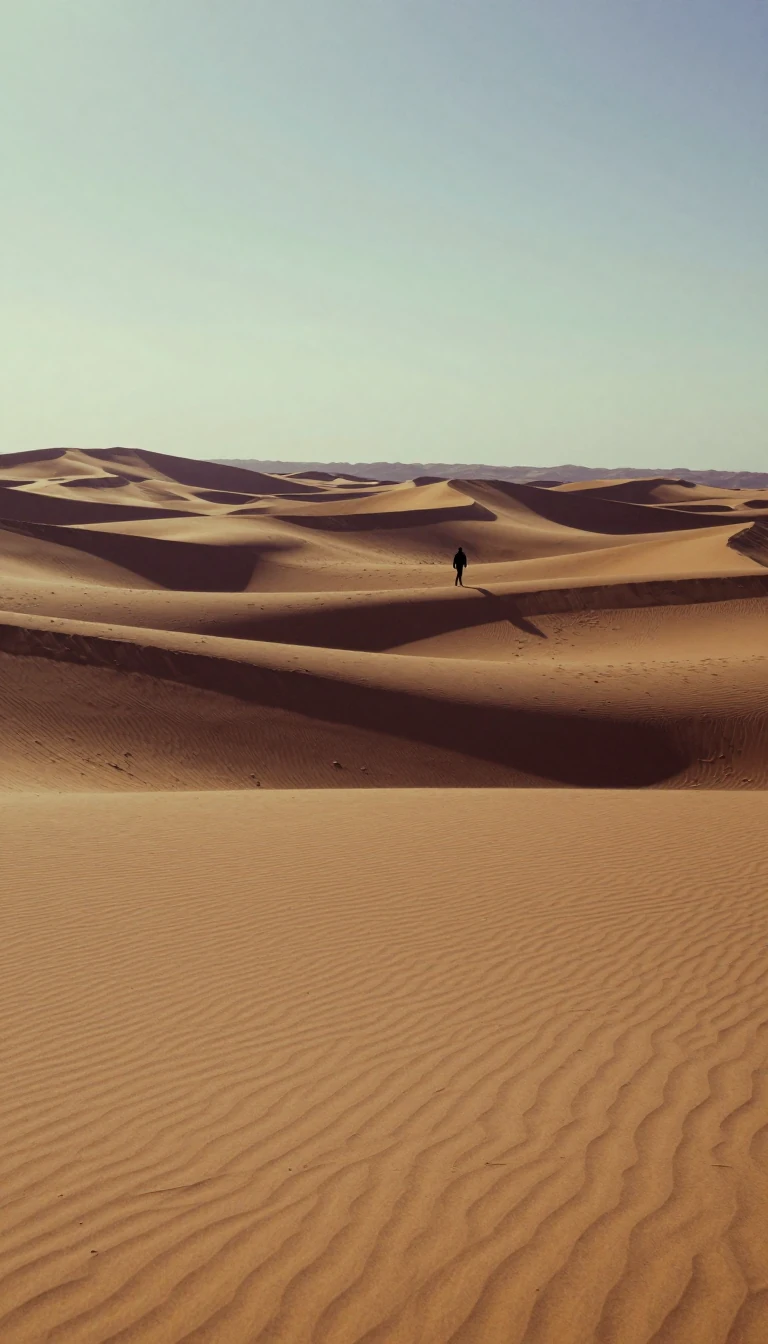 Ancient winds and rivers are frozen in the patterns of sedimentary rockLook closely at a sandstone cliff and you might see layers tilted at an angle to the main horizontal plane. This is cross-bedding, a geological signature left by migrating ripples…
 This rare, frost-like mineral is the secret ingredient behind the modern aluminum industry.Cryolite, a colorless mineral once found in massive quantities in Greenland, is the unsung hero of aluminum production. By acting as a solvent that drastically lowers the melting …
 Cummingtonite: The fibrous amphibole hidden within metamorphosed iron-rich rocks across WisconsinNamed for its unique crystalline structure, cummingtonite is a fascinating member of the amphibole family. Often appearing as elongated or fibrous green to brown grains, this mine…
- The towering cumulus cloud is an atmospheric sign of deep, moist, and unstable convection.Known as towering cumulus, the cumulus congestus is a dramatic intermediate stage between smaller clouds and the massive cumulonimbus. These vertical giants are defined by sharp o…
 Why these tiny, harmless-looking clouds can be a warning sign of coming stormsKnown as fair weather cumulus, the small, flat cumulus humilis cloud often dots a summer sky. While they typically signal pleasant conditions, their presence can be deceptive. Dep…
- Why these fluffy white clouds are actually a warning sign of coming stormsThe Cumulus mediocris is more than just a classic cauliflower-shaped cloud. While it appears brilliantly white and harmless under the sun, its presence in the morning or early aft…
 This brilliant red mineral is a hidden powerhouse behind the history of human metalwork.Cuprite, a striking red oxide, is far more than a collector's curiosity. As a secondary mineral formed through the weathering of copper deposits, it serves as a vital indicator fo…
 Why the outer curve of a river is a landscape in constant, violent motionA cut bank is the outside edge of a river's meander, where the water flows fastest and deepest. This relentless energy carves away the earth, creating steep, unstable cliffs that …
 How massive rock layers glide across the Earth's crust like a tectonic slideDeep beneath the surface, entire mountain ranges can detach and slide over the bedrock below. This phenomenon, known as décollement, acts as a geological slip-plane, allowing mass…
- How do earthquakes happen hundreds of miles deep where rock should simply flow?Deep-focus earthquakes occur at depths exceeding 300 kilometers, where extreme pressure and heat should force rock to deform plastically rather than fracture. Yet, these events st…
 Life in the deep sea thrives in darkness, fueled by chemicals rather than sunlightBelow 200 meters, the ocean transforms into a realm of extreme pressure and perpetual night. While once thought to be a barren wasteland, the deep sea is a vibrant frontier. Here,…
 Can financial incentives turn the tide on the global loss of tropical forests?Deforestation accounts for up to 21% of global greenhouse gas emissions, turning vital carbon sinks into sources of CO2. While initiatives like REDD+ aim to reverse this by paying…
- Why the Amazon's survival depends on the roads we build through its heartThe Amazon rainforest is not just disappearing; it is being systematically dismantled. While global demand for beef and soy drives the destruction, the true catalyst is often the …
- Why rivers carve deep into the earth, leaving ancient landscapes high and dryRivers are not just water flowing downhill; they are relentless architects of the landscape. Through a process called degradation, streams actively lower their beds by eroding bed…
 Why do beaches sort themselves by grain size? The mystery of the null point.Have you ever wondered why sand gets finer as you move from the shore into deeper water? It is not random. The null point hypothesis suggests that sediment particles naturally mig…