 Intellect Plus
Nature
11,198 cards. Each one is a 40-second story with a five-minute read behind it. Page 76 of 187.
Subtopics: Ageing · Air · Animal behaviour · Animal breeds and hybrids · Animals · Arthropods · Atmosphere · Big cats · Bilateria, others · Birds · Botany · Cnidarians · Conservation · Coral reefs · Deep sea · Deserts · Dinosaurs · Earth science · Earth science and physical geography · Earth science basics · Earthquakes & tsunamis · Echinoderms · Ecology · Ecosystems · Endangered species · Extinct animals · Farming · Fish · Forests · Fungi · General classifications · Geology · Geomorphology · How Long Can It Live? · Ice · Individual animals · Insects · Lightning · Longevity · Mammals · Marsupials · Migration · Mollusks · Ocean · Organisms · Parasites · Physical geography · Plants · Porifera · Predators · Primates · Rainforest · Reptiles & amphibians · Researched · Sharks & rays · Spiders & arachnids · Symbiosis · Trees · UK & Ireland: nature · Vertebrates · Vision · Volcanoes · Water · Waves · Weather · Whales & dolphins · Zoology
 The University of Wyoming is a hub for R1 research and outdoor adventureNestled near the Medicine Bow National Forest, the University of Wyoming combines high-level research status with a supportive, student-centered community. From its Division I ath…
 How a former Dutch island became the birthplace of every local childUrk was once an isolated island in the Zuiderzee, accessible only by boat. This isolation preserved a unique dialect and a charming, bizarre local mythology: the belief that all U…
 The polar bear is a master of the Arctic, but its future is melting awayAs the largest land carnivore, the polar bear is a solitary giant uniquely adapted to life on drifting sea ice. Yet, this apex predator faces a precarious future. Driven by climat…
 The Cold War spy ship that remains a captive of North Korea todayIn 1968, the USS Pueblo was seized by North Korea, sparking a diplomatic crisis. Despite being a commissioned U.S. Navy vessel, it never returned home. Today, it sits in Pyongyang…
 A century-old discovery, valproate remains a powerful yet high-risk medical enigma today.Synthesized in 1881, valproate is a cornerstone treatment for epilepsy and bipolar disorder. Yet, its precise mechanism remains unclear, and it carries significant risks, includin…
 How a major international airport protects itself from rising sea levels and climate changeVancouver International Airport sits entirely at sea level on Sea Island, necessitating a sophisticated 22-kilometre system of dikes to prevent flooding. As climate change increas…
 How a Cold War nuclear surveillance program accidentally discovered the universe's most violent eventsDeveloped to monitor Soviet compliance with the 1963 Partial Test Ban Treaty, the Vela satellite series was designed to detect nuclear detonations from space. While these spacecra…
 Your body cannot make vitamin B12, yet its absence can permanently alter your mind.Vitamin B12 is essential for DNA synthesis and nerve health, but your body cannot produce it independently. Because we rely entirely on dietary intake and complex absorption mecha…
 Why your body needs sunlight to keep your bones from breaking downVitamin D is essential for regulating calcium and phosphorus, the building blocks of healthy bones and muscles. While sunlight is our primary source, global deficiency is widespre…
 Is the most moral path for humanity to voluntarily cease all reproduction?The Voluntary Human Extinction Movement argues that human existence is fundamentally incompatible with the Earth's biosphere. Founded in 1991, this loose network advocates for a g…
 The Washington metropolitan area is a complex, high-income engine of federal and tech power.Beyond the marble monuments of the federal capital lies a sprawling, affluent, and highly educated region. Spanning parts of three states and the District of Columbia, this metrop…
 How a New York television station pioneered the future of broadcast news and technologyFrom experimental mechanical television in 1931 to the first commercial newscast, WCBS-TV has shaped American media for nearly a century. Its history is a turbulent saga of techni…
 Can we actually control the weather, or are we just chasing clouds?Humans have long attempted to manipulate the atmosphere, from firing cannons at storms to seeding clouds with dry ice. While modern techniques like cloud seeding are used globally…
- The Weddell seal thrives in the coldest habitat of any mammal on EarthLiving further south than any other mammal, the Weddell seal has mastered the extreme Antarctic environment. These resilient creatures spend their lives beneath the ice, using spe…
 Why these simple river barriers are often called drowning machines by experienced water usersA weir is a low-head dam designed to control water flow, yet these structures hide a lethal secret. Beneath the surface, the downstream side creates a hydraulic jump—a circulation…
 Why 35 degrees Celsius is the critical limit for human survival in extreme heatWet-bulb temperature measures the lowest temperature an object can reach through evaporation. It is the definitive metric for how effectively sweat cools the human body. When this…
 Is whale meat a cultural delicacy, a survival necessity, or a toxic health risk?Once a staple across Europe and colonial America, whale meat has shifted from a common protein to a polarizing, niche product. While some indigenous communities view it as essenti…
 Wheeling, West Virginia: A frontier city that helped birth a new statePerched on the Ohio River, Wheeling evolved from a contested colonial outpost into a vital industrial hub. It served as the birthplace of West Virginia, hosting the conventions th…
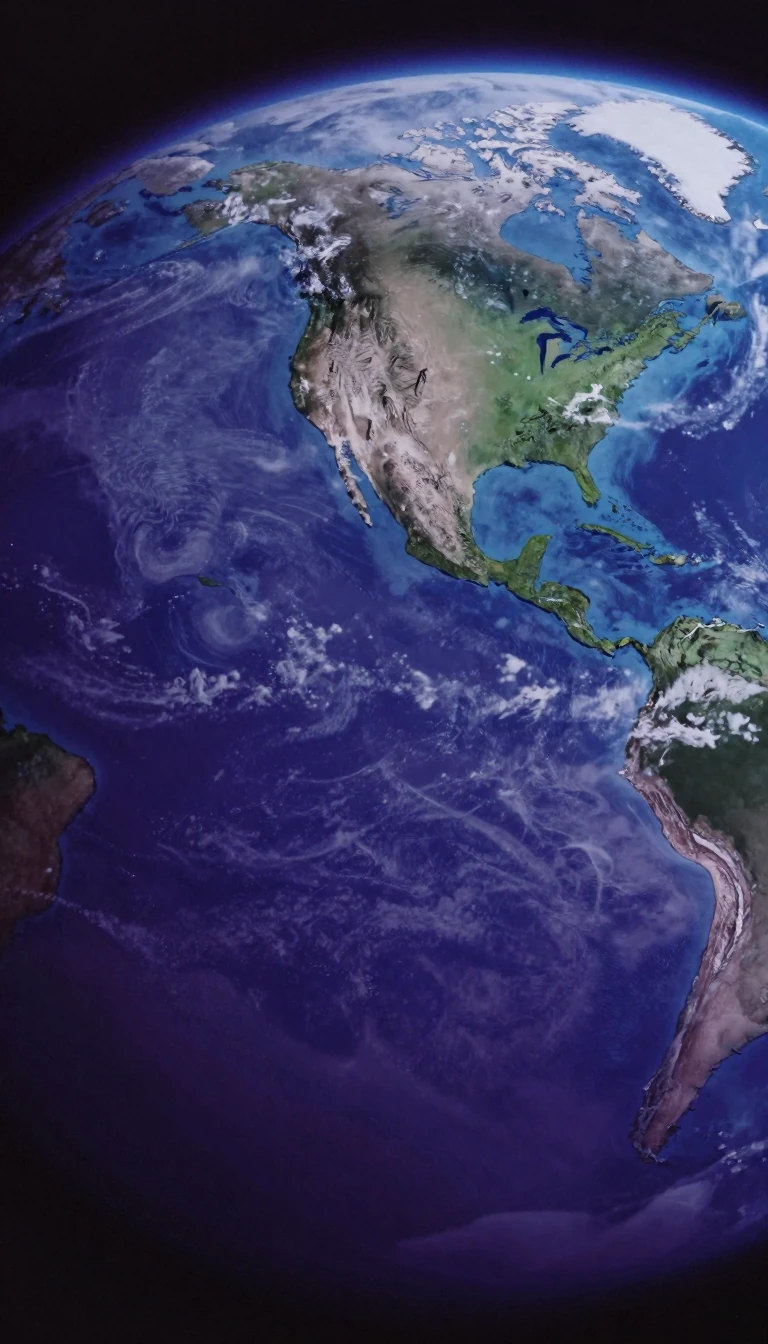 Is Whidbey Island the longest in the contiguous United States? The truth is complicated.Often cited as the longest island in the continental U.S., Whidbey Island holds a complex geographical status. Stretching 37 miles, it serves as a critical boundary for Puget Soun…
 How a self-taught pilot discovered the jet stream while wearing a homemade pressure suit.Wiley Post was a pioneer who conquered the globe solo, but his most enduring legacy lies in the thin, freezing air of the stratosphere. By developing the world's first practical p…
 Why this small, black-and-white bird is the most fearless creature in the Australian bush.The Willie Wagtail is a tiny, energetic bird that punches well above its weight. Known for its constant tail-wagging and bold personality, this insect-hunter is not afraid to hara…
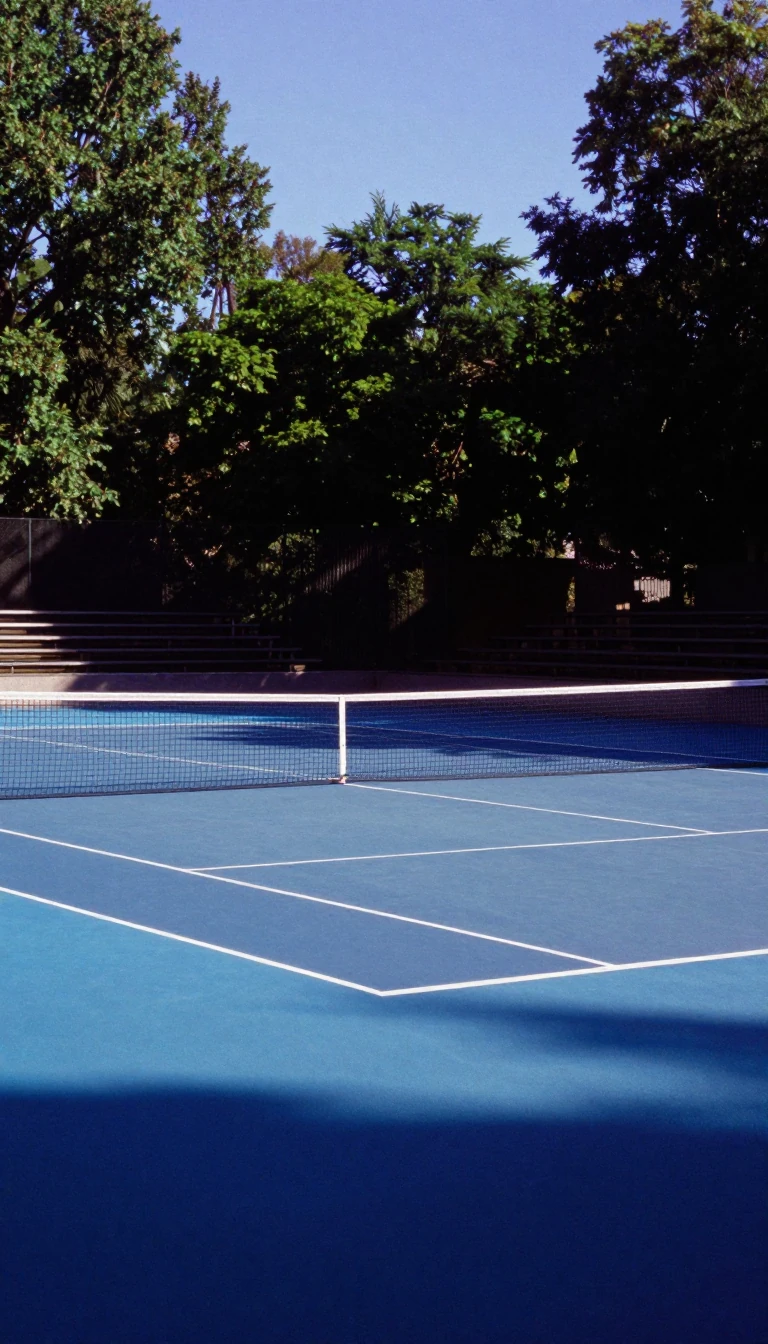 The WTA Finals is the most prestigious women's tennis event outside the four majors.Featuring the top eight singles players and doubles teams, this season-ending championship uses a unique round-robin format to determine its winners. With record-breaking prize mo…
 Why this mountain-dwelling ground squirrel spends most of its life sleeping undergroundThe yellow-bellied marmot is a social, whistle-blowing rodent that thrives in the high-altitude wilderness of North America. While these stout creatures are known for their sunny,…
 The yellowtail amberjack is a mysterious, highly mobile predator with a global culinary reputation.Known as hiramasa in sushi bars and haku to the Maori, the yellowtail amberjack is a master of the open ocean. While its biology remains largely a mystery, this powerful predator …
 The yogi is not merely a modern fitness enthusiast but a historical, complex archetype.Far beyond the yoga studio, the yogi is a figure rooted in ancient Indian tradition. Historically, these practitioners were revered sages, feared sorcerers, and even armed warrior…
 Why the United States has no permanent home for its most dangerous nuclear wasteFor decades, the nation has struggled to establish a final disposal site for high-level radioactive waste. Despite billions of dollars in research and a federal mandate to build a…
 How a Florida bedroom community balances rapid residential growth with ambitious corporate development plansYulee, Florida, has evolved from a quiet residential hub into a strategic focal point for regional expansion. Named after a pioneering railroad builder, this census-designated pla…
 Why are sightings of the mythical Congo dinosaur rising as the rainforest vanishes?For centuries, the mokele-mbembe has haunted the Congo Basin as a legendary creature. While cryptozoologists once chased it as a living dinosaur, modern conservationists suggest t…
 The slow, relentless friction that carves our planet's most dramatic landscapesAbrasion is the natural sandpaper of the Earth. Whether driven by glaciers, rivers, waves, or wind, this process of physical weathering grinds down bedrock through the constant fr…
 The abyssal zone is a vast, dark, high-pressure frontier covering one-third of our seafloor.Stretching from 3,000 to 6,500 meters deep, the abyssal zone is a world of perpetual darkness and crushing pressure. Despite its remoteness, this vast underwater landscape is home…
 The African plate is slowly tearing itself apart, reshaping the continent from within.The African plate is not a single, solid block. Beneath the surface, it is actively rifting, creating a divide that separates the continent into two distinct pieces. This geologic…
 Why aftershocks can haunt a region for centuries after the ground stops shakingAftershocks are not just random tremors; they are the crust's way of settling after a major rupture. While most sequences fade within a decade, some regions remain active for cent…
 Why rivers sometimes choke on their own sediment, raising the land beneath themAggradation is the geological process where rivers deposit more sediment than they can carry, causing the land elevation to rise. This natural phenomenon reshapes landscapes, crea…
 The Algoman orogeny was a violent, mountain-building collision that forged North America's ancient core.Around 2,700 million years ago, the Earth's crust underwent a massive transformation. Through repeated continental collisions and intense volcanic activity, the Algoman orogeny we…
 Allanite is a radioactive, glowing mineral that holds the secrets of rare-earth elementsOften appearing as a nondescript black crystal, allanite is far more than a simple rock. This mineral acts as a natural repository for rare-earth elements and radioactive material…
 Alluvial rivers are self-forming architects that build their own channels through constant sediment movement.An alluvial river is not just a path for water; it is a dynamic, self-forming system. By eroding, transporting, and depositing sediment, these rivers continuously reshape their ow…
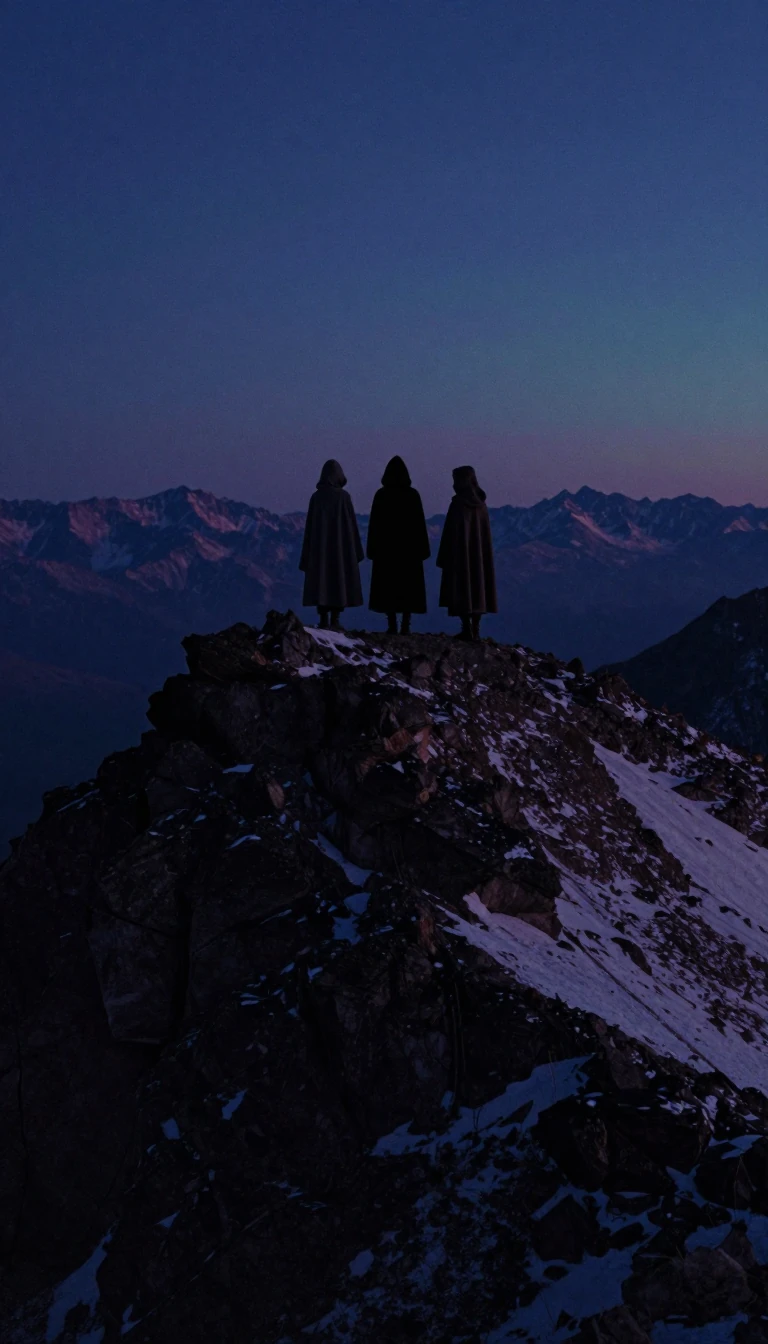 Why the Alps create their own weather, from sunny peaks to stagnant valley fogThe Alps are not just a static landscape; they are a complex atmospheric engine. Driven by four distinct air masses and dramatic elevation shifts, the region experiences wild clim…
 High-altitude alpine lakes are sensitive sentinels of our planet's rapidly changing climatePerched in mountainous terrain, alpine lakes are more than just scenic vistas. These high-altitude reservoirs act as delicate ecological indicators, storing paleoclimate data in t…
 Why the world's highest mountain peaks remain stubbornly treeless despite their proximity to lifeAlpine tundra is a high-altitude biome where trees simply cannot survive. Driven by thin air, fierce winds, and short growing seasons, this landscape forces life to hug the ground…
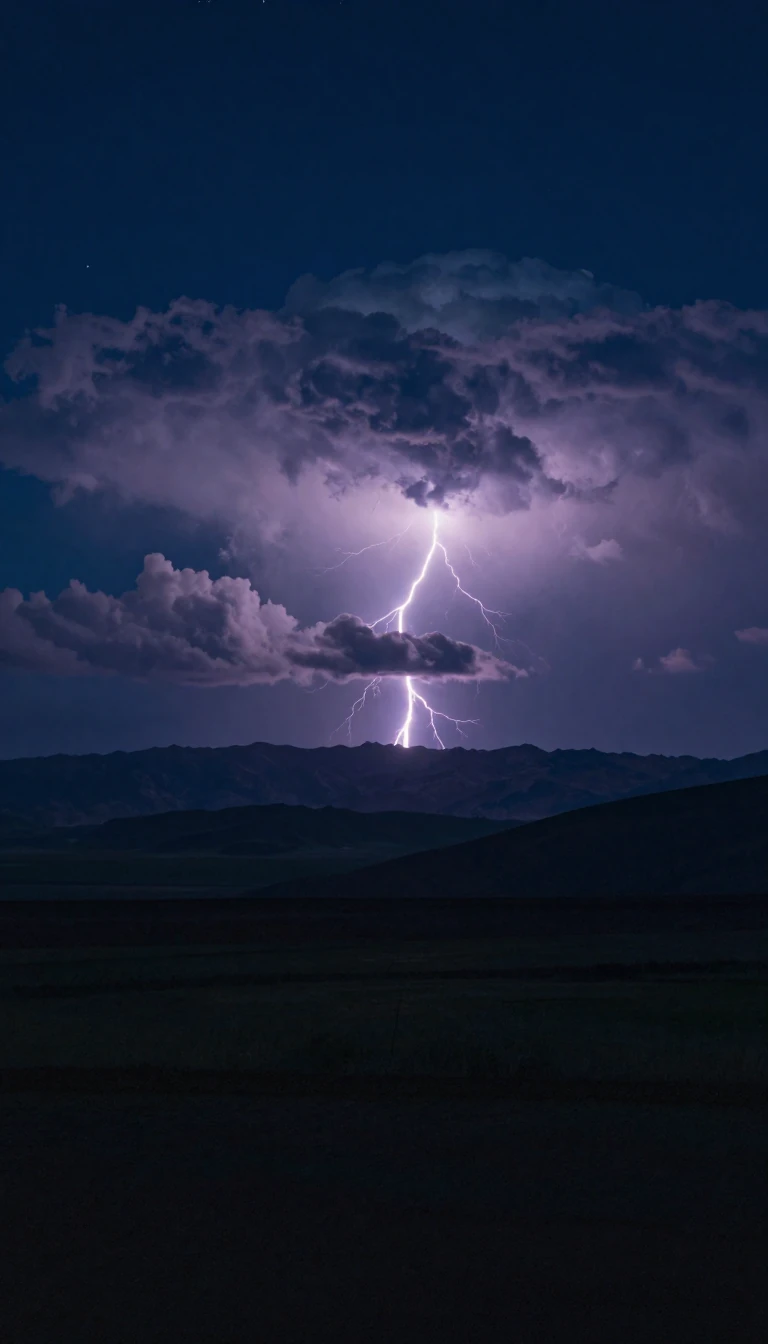 Why these mid-level clouds are the most diverse and deceptive in our skyAltocumulus clouds are mid-level chameleons, appearing as everything from lens-shaped UFOs to castle turrets. While they often signal settled weather, certain varieties serve as h…
- The gray, featureless altostratus cloud is a subtle herald of incoming weather changes.Often dismissed as a simple, uniform blanket of gray, the altostratus cloud is a sophisticated mid-level weather indicator. While these clouds rarely produce significant rain them…
- Why the sky sometimes ripples with invisible waves of altostratus undulatus cloudsHigh above the ground, the sky occasionally displays subtle, rhythmic patterns known as altostratus undulatus. Often hidden from casual observation, these cloud formations act as …
 The invisible mineral framework powering everything from smartphone screens to industrial chemical catalystsAluminosilicates are far more than just rocks. These versatile materials, defined by their unique silicon-oxygen-aluminum molecular bonds, serve as the backbone for both natural m…
 Alunite: The Volcanic Mineral Once Chased as a Key to Eternal LifeBeyond its industrial history as a source of potash and alumina, this widespread sulfate mineral has a strange, mystical past. Thousands of years ago, Chinese alchemists combined …
 Did a single asteroid strike 66 million years ago end the age of dinosaurs?For decades, scientists debated whether volcanoes or an extraterrestrial impact caused the mass extinction of the dinosaurs. A breakthrough discovery of a rare metal in Italian li…
 Why these common rock-forming minerals were named after the Greek word for ambiguousAmphiboles are everywhere, yet they remain notoriously difficult to identify. Named for their protean variety in appearance and chemical makeup, these complex silicate minerals hi…
 Amphibolite: The metamorphic record of Earth's deep tectonic shifts and intense heatAmphibolite is a dense, dark metamorphic rock defined by its signature mineral group. Formed deep within the crust, it serves as a geological fingerprint for intense pressure and …
- The Amur Plate: A Hidden Tectonic Puzzle Beneath Northeast AsiaDeep beneath the surface of Northeast Asia lies the Amur plate, a minor tectonic entity often overshadowed by its larger neighbors. Named for the river marking the border between …
 Anatase: The Metastable Mineral That Powers Modern Self-Cleaning TechnologyAnatase is a brilliant, tetragonal crystal of titanium dioxide that defies thermodynamic stability. While rutile is the standard, stable form of this mineral, anatase remains a cr…
- Andalusite is a geological timekeeper that reveals the hidden history of the Earth's crust.This unassuming mineral is more than just a rock; it is a precise indicator of the intense pressures and temperatures that once shaped the ground beneath our feet. By studying its…
 How the sinking of the Nazca Plate builds the massive Andes mountain rangeThe Andes are not a static feature but a dynamic result of the Nazca Plate sliding beneath South America. This ongoing process involves complex mantle interactions, where fluid re…
 The mineral that swells with water and can destroy entire city foundationsAnhydrite is a rock-forming mineral that lacks water, making it the chemical opposite of gypsum. When exposed to moisture, it undergoes a dramatic transformation, absorbing water …
- Why the Moon is made of a mineral that is rare on EarthAnorthite is the calcium-rich endmember of the plagioclase feldspar series, a common mineral group in igneous rocks. While it is a fundamental building block of the lunar highland…
- The Antarctic plate is a massive, drifting engine reshaping the bottom of our world.Spanning over 60 million square kilometers, the Antarctic plate is Earth's fifth-largest tectonic giant. It is not merely a frozen foundation; it is a dynamic, moving entity that …
- Why this radioactive mineral from Bavaria releases a pungent, ozone-rich scent when crushedAntozonite, a rare variety of fluorite, is famous for its foul odor. When broken, it releases trapped elemental fluorine, which reacts with the air to create ozone and hydrogen fl…
- Apatite is the deceptive mineral that builds your bones and hides water on the Moon.Named after the Greek word for deceit, apatite is a master of disguise that frequently mimics other minerals. Beyond its geological trickery, this phosphate group is essential to …
 Beneath the twilight: exploring the vast, dark, and pressurized world of the aphotic zoneThe ocean is not just the surface we see. Below 1,000 meters lies the aphotic zone, a realm of perpetual darkness where sunlight never reaches. Despite the absence of photosynthes…
 Aquifers are not underground rivers, but vast, porous reservoirs of life-sustaining water.Forget the image of rushing subterranean streams. Aquifers are actually dense, water-saturated rock formations that act as the Earth's hidden plumbing. These vital geological laye…
 The Arabian Plate is a restless giant reshaping the map of the Middle EastFor most of geological history, the Arabian plate was tethered to Africa. About 25 million years ago, it broke free, embarking on a northward journey that continues today. This te…
 Is the Arctic becoming a runaway methane bomb for the global climate system?As Arctic temperatures climb four times faster than the global average, thawing permafrost and newly exposed groundwater springs are releasing methane into the atmosphere. While s…