 Intellect Plus
Nature
11,198 cards. Each one is a 40-second story with a five-minute read behind it. Page 79 of 187.
Subtopics: Ageing · Air · Animal behaviour · Animal breeds and hybrids · Animals · Arthropods · Atmosphere · Big cats · Bilateria, others · Birds · Botany · Cnidarians · Conservation · Coral reefs · Deep sea · Deserts · Dinosaurs · Earth science · Earth science and physical geography · Earth science basics · Earthquakes & tsunamis · Echinoderms · Ecology · Ecosystems · Endangered species · Extinct animals · Farming · Fish · Forests · Fungi · General classifications · Geology · Geomorphology · How Long Can It Live? · Ice · Individual animals · Insects · Lightning · Longevity · Mammals · Marsupials · Migration · Mollusks · Ocean · Organisms · Parasites · Physical geography · Plants · Porifera · Predators · Primates · Rainforest · Reptiles & amphibians · Researched · Sharks & rays · Spiders & arachnids · Symbiosis · Trees · UK & Ireland: nature · Vertebrates · Vision · Volcanoes · Water · Waves · Weather · Whales & dolphins · Zoology
 Why the Earth’s surface is constantly sinking into diverse, dramatic, and deep depressionsA geological depression is any landform sunken below its surroundings, but the forces creating these voids are wildly varied. From the slow, heavy weight of ice sheets and sedimen…
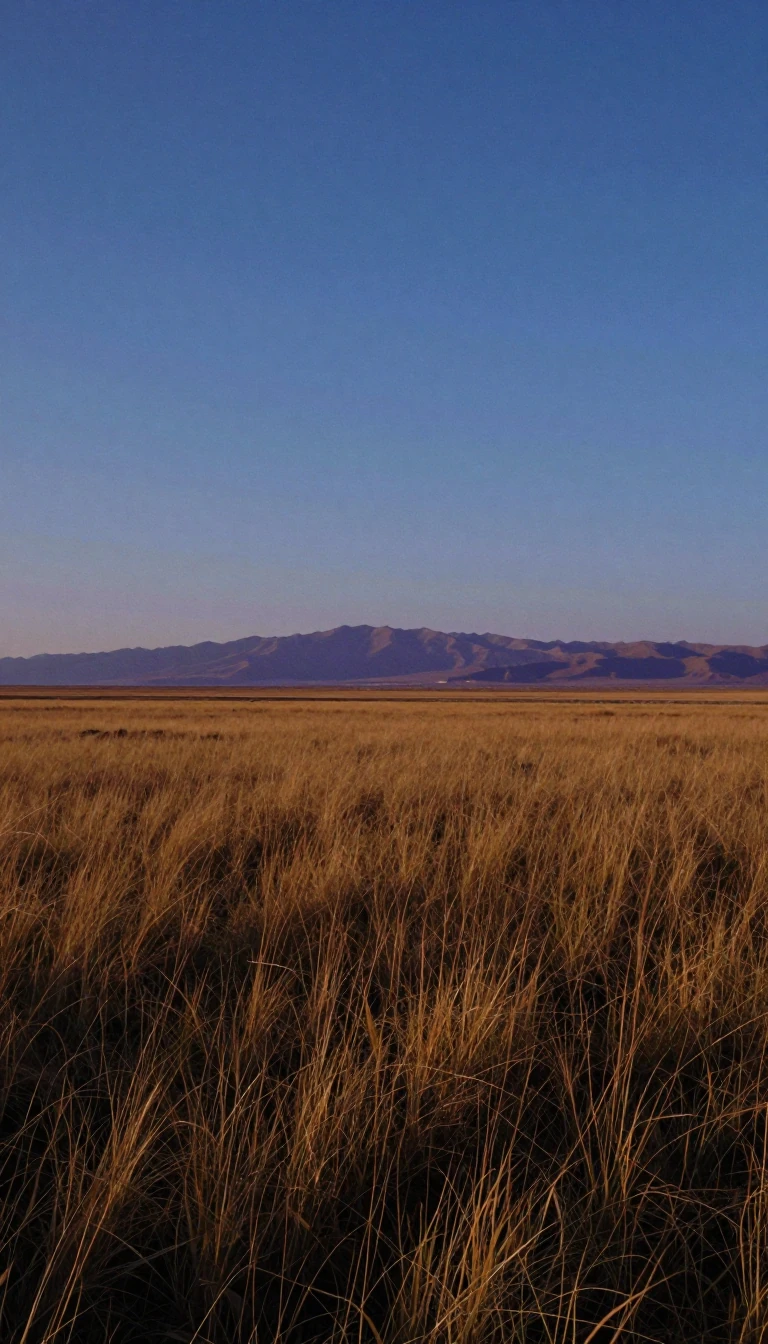 Why the world’s largest biome is far more than just endless shifting sandCovering nearly one-fifth of our planet, deserts and xeric shrublands are defined by extreme dryness rather than heat alone. While we often imagine scorching dunes, this vast biom…
 How massive detachment faults reshape the Earth's crust across oceans and continentsDetachment faults are colossal, gently sloping structures that tear through the Earth's crust. Whether they are pulling apart continents or creating oceanic core complexes on the …
 Diagenesis is the silent architect transforming loose sediment into stone and bone into historyDeep beneath the surface, a quiet alchemy unfolds. Diagenesis is the process that turns soft, shifting sediment into solid rock and dictates the ultimate fate of buried biological…
 Why the sky sparkles with ice crystals even on perfectly clear, sunny daysDiamond dust is a ground-level cloud of tiny ice crystals that glitters in the sunlight. Unlike fog, which is made of liquid water, this phenomenon forms directly as ice in freezi…
 How cold, dense rock pierces the Earth's crust like a slow-motion liquidA diapir is a geological phenomenon where mobile, ductile material forces its way through brittle, overlying rock. Often compared to a Galilean thermometer, these structures rise …
 Why a volcanic eruption once triggered a surprising boom in global plant growthWhen Mount Pinatubo erupted in 1991, it blanketed the stratosphere in haze, dimming direct sunlight by 30 percent. Scientists expected a agricultural catastrophe, but instead, glo…
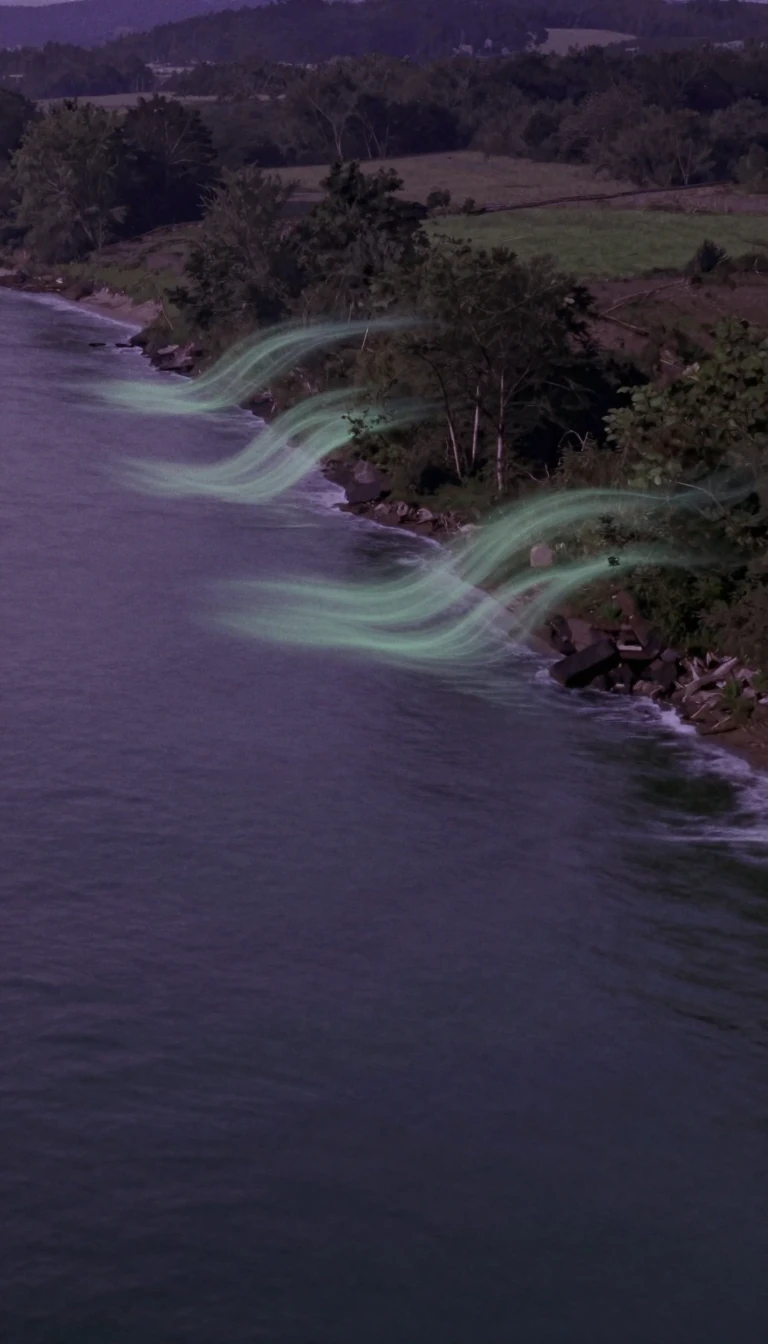 How much water flows past you right now? The science of river discharge.Discharge is the fundamental heartbeat of a river, defined as the volume of water passing a specific point every second. By measuring this flow, scientists can predict floods, man…
- The invisible river: how dissolved minerals shape the Earth's climate and landscapeRivers carry more than just mud and silt. A significant portion of their burden is invisible, consisting of ions dissolved through chemical weathering. This dissolved load acts as…
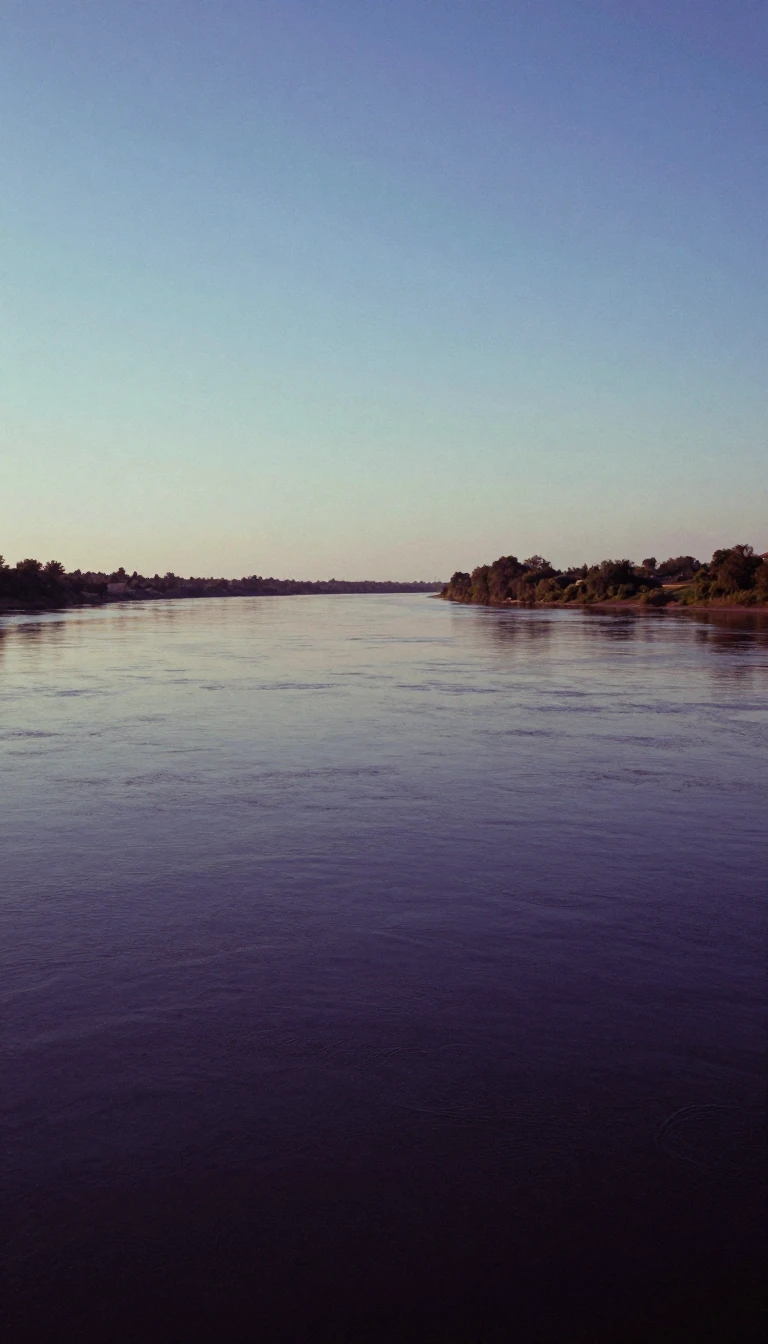 A river that splits in two can reshape the map and strand entire cities.Rivers do not always flow in a singular, predictable path toward the sea. Through a process called bifurcation, they can branch into distributaries, creating complex networks that…
- How the Earth creates new land by pulling itself apart at the seamsDivergent boundaries are the planet's construction zones, where tectonic plates drift away from each other to make room for new crust. Driven by mantle convection, these gaps are …
 The mineral that baffles geologists: why does dolomite refuse to form in labs?Dolomite makes up two percent of the Earth's crust, yet it remains a geological enigma. While it forms massive rock formations, scientists have never successfully synthesized it u…
 Why is the world's most common carbonate rock so difficult to create in labs?Dolomite is a geological paradox. While it makes up vast swaths of the Earth's crust, scientists have struggled for centuries to replicate its formation in laboratory settings. Th…
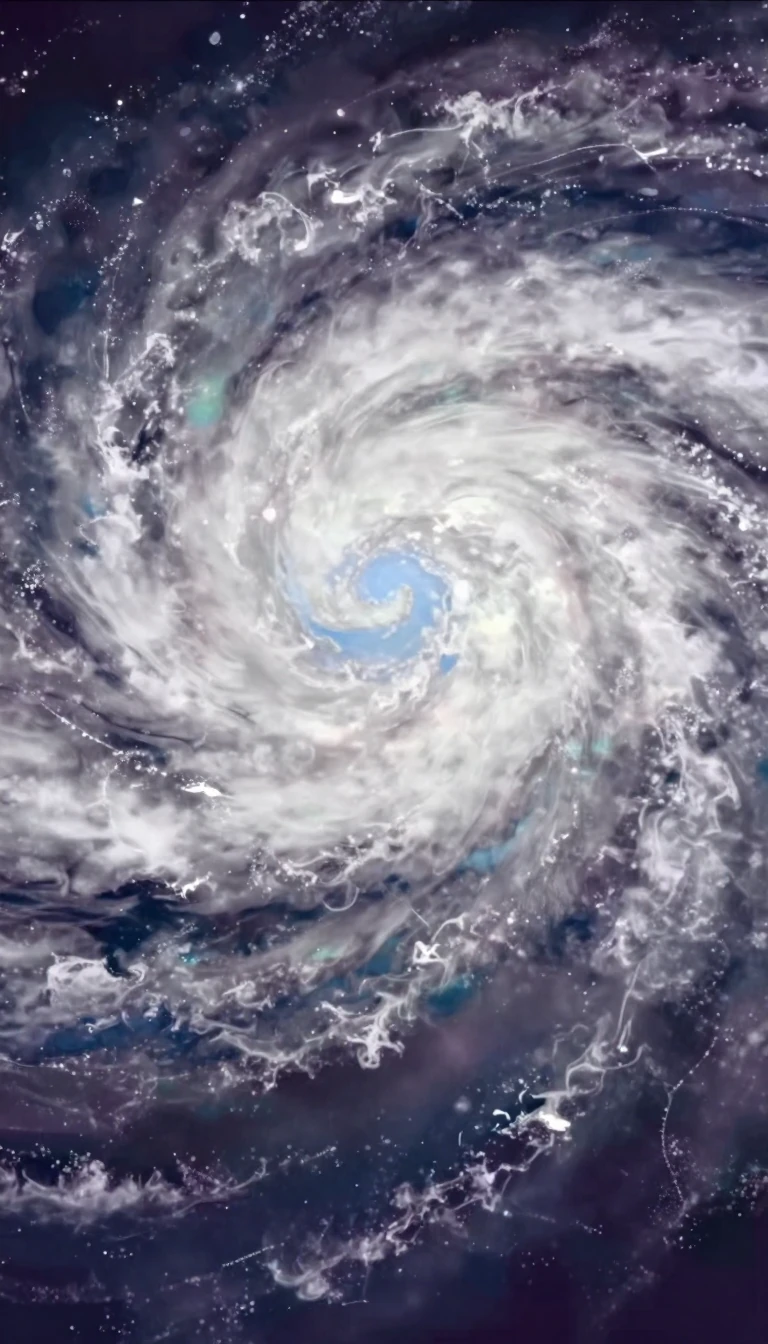 Why the lightest rain might be the most powerful force in our climateDrizzle is more than just a nuisance. These tiny water droplets, smaller than half a millimeter, are crucial to the behavior of marine clouds. By influencing how clouds reflect su…
- Drylands cover nearly half the planet, yet they remain largely ignored by global conservation.Spanning roughly 42% of Earth's terrestrial surface, drylands sustain a third of the human population and harbor unique, endemic biodiversity. Despite their ecological importance,…
 From cosmic nebulae to your living room, dust is the universe's quiet architect.Dust is far more than household grime. It is a complex mixture of dead skin, volcanic ash, and ancient stardust. Whether it is clogging your electronics as dust bunnies or cooling…
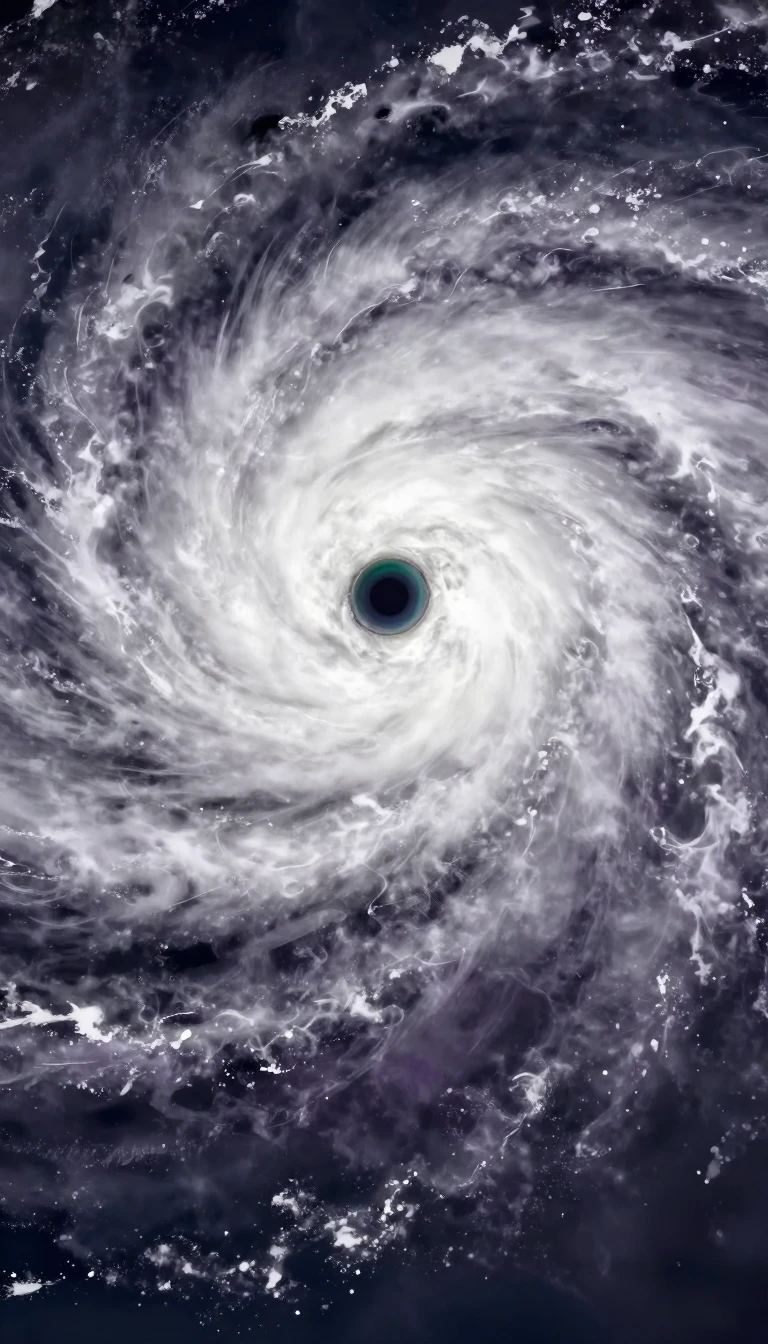 How meteorologists use satellite images to estimate the power of invisible tropical stormsBefore aircraft reconnaissance, tracking a hurricane's strength was guesswork. Developed by Vernon Dvorak between 1969 and 1984, the Dvorak technique revolutionized meteorology by…
 How did a chaotic, molten rock become the only known home for life?Earth began 4.6 billion years ago as a violent, meteorite-pelted landscape. Yet, within a few hundred million years, life emerged from the cooling oceans. From electrical sparks i…
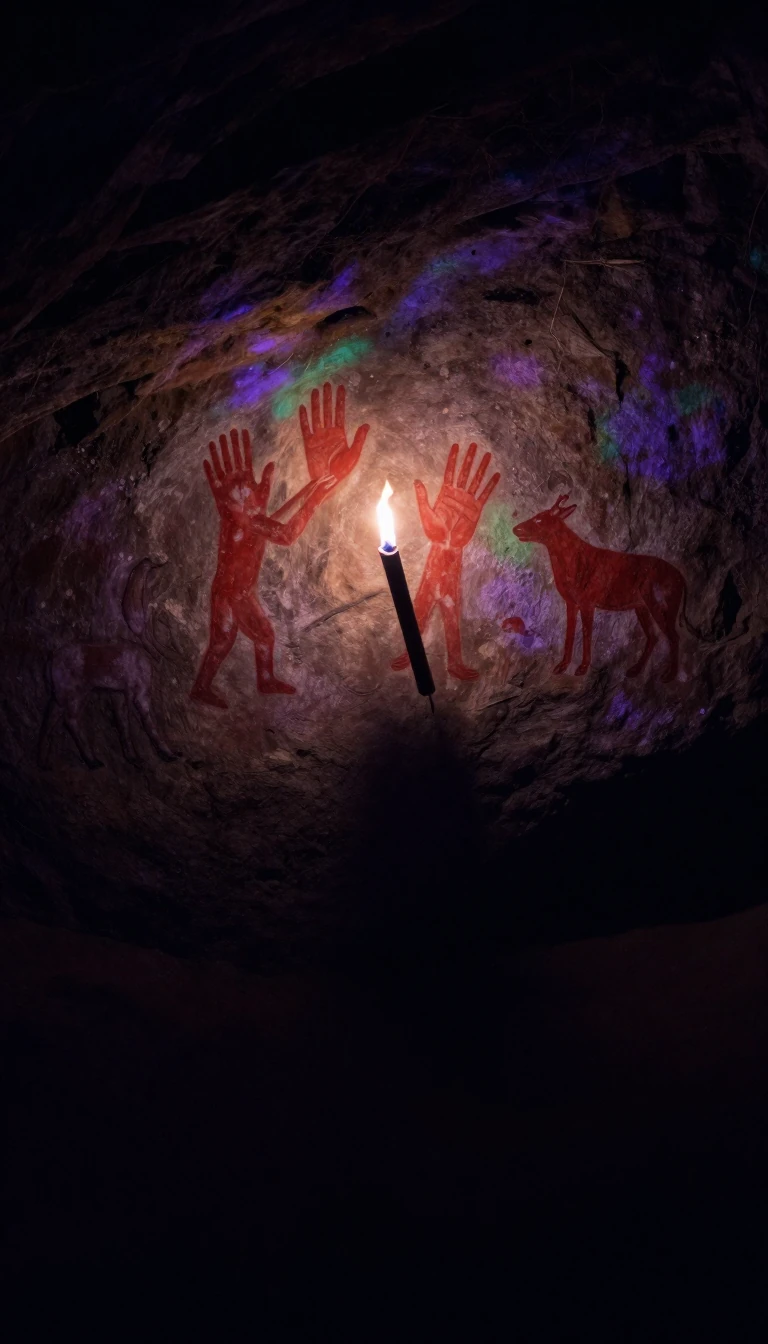 Why prehistoric cave art remains vibrant after thousands of years of exposure to timeThe secret to the longevity of ancient cave paintings lies in the earth itself. Naturally occurring minerals, specifically iron and manganese oxides, provide a durable foundation …
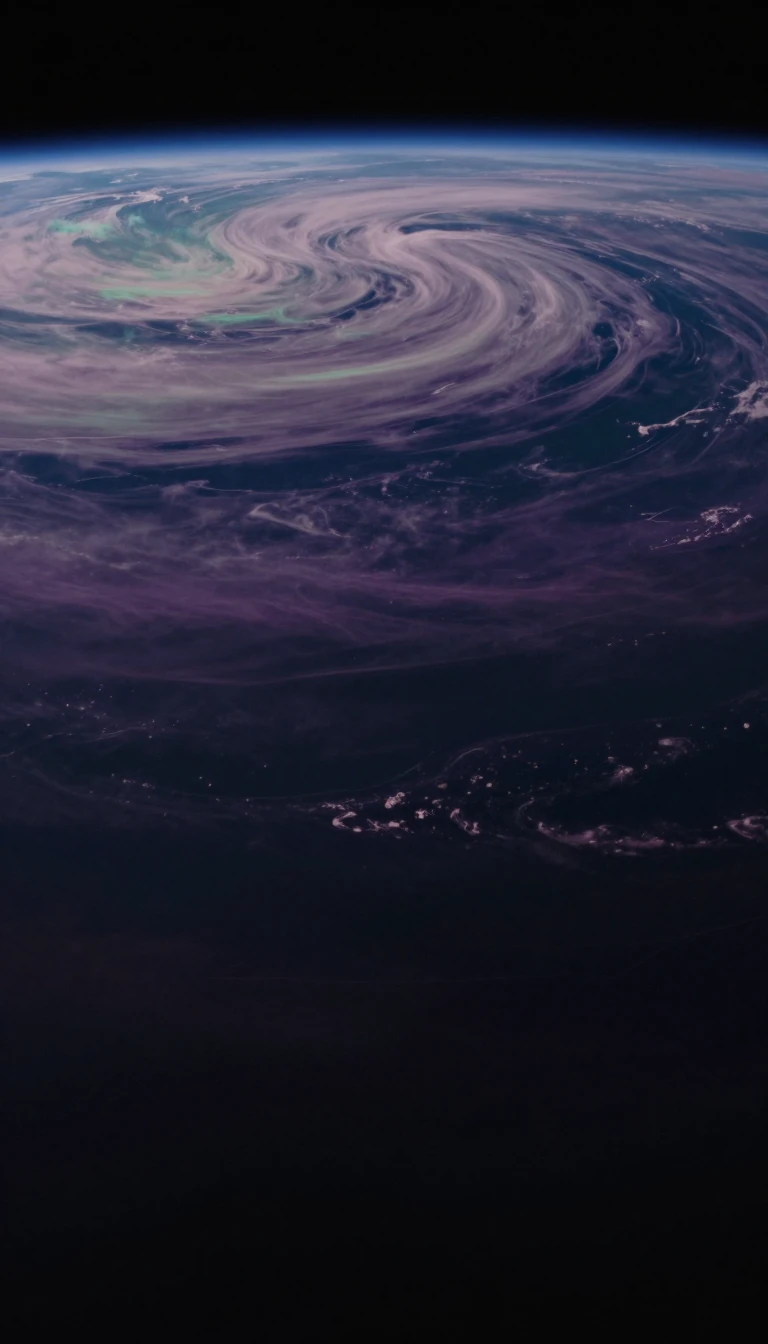 Earth is a giant heat engine, and its thermostat is currently running a fever.Earth functions as a massive, solar-powered heat engine, constantly balancing incoming sunlight with outgoing thermal radiation. While this delicate equilibrium has kept our clima…
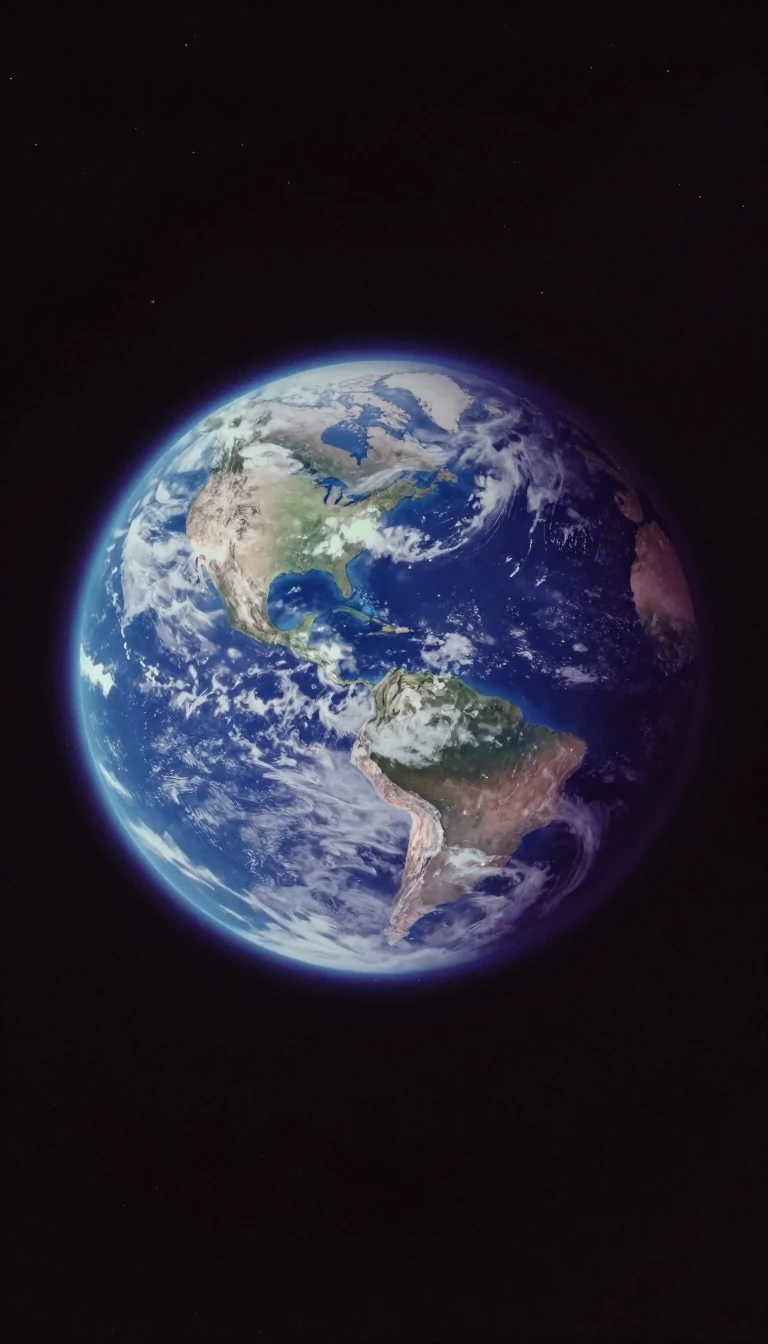 Earth's internal heat is a massive engine, but it barely touches our daily lives.While Earth radiates 47 terawatts of internal heat, this energy is dwarfed by the 173,000 terawatts of solar radiation hitting the surface. Yet, this hidden subterranean furnace i…
 Earthquake early warning systems provide crucial seconds of notice, but they cannot predict quakes.These systems do not foresee seismic events; instead, they detect the initial ground motion of a quake already in progress. By transmitting electronic alerts faster than the destr…
 Can we predict earthquakes? Science says we are still waiting for a breakthrough.Earthquake prediction remains an elusive goal, often confused with forecasting or real-time warnings. Despite decades of searching for reliable precursors—from animal behavior to …
 Earthquake safety is not about building indestructible homes, but protecting the lives inside them.Most people assume building codes aim to prevent any structural damage during an earthquake. In reality, modern engineering prioritizes life safety over property preservation. By …
 How economists calculate the true price of a warming planet and its mitigationClimate change is not just an environmental crisis; it is a complex economic puzzle. By using sophisticated modeling, researchers quantify the costs of inaction, the price of adap…
 Why the ground beneath your feet is more than just dirt for plantsEdaphology is the study of how soil shapes life, particularly plants and human land use. While often confused with pedology, this field bridges the gap between fundamental science…
- The Earth is warming, and the consequences are already reshaping our global landscape.Climate change is no longer a distant threat; it is a present reality. From rising sea levels and shifting rainfall to more frequent heatwaves and wildfires, human activity is fun…
 Climate change is already reshaping the global food system, from production to your plate.Extreme weather is no longer a distant threat; it is a current driver of food system instability. From soil erosion to supply chain variability, climate change is forcing a transf…
 Climate change is not just an environmental crisis but a direct threat to human health.Rising temperatures and shifting weather patterns are already reshaping global health. From expanding habitats for disease-carrying insects to the degradation of air and water qua…
- The world's oceans are absorbing the brunt of human-driven climate change impactsOur oceans act as a massive buffer for the planet, soaking up over 90 percent of excess heat and a quarter of human-caused carbon emissions. This vital service, however, is trigge…
 Why industrial expansion triggers thousands of local battles over land and resources worldwideEnvironmental conflicts arise when industrial growth clashes with local livelihoods. From mining to deforestation, these struggles pit communities against corporations over the un…
- Humanity has altered 70% of Earth's land, triggering a sixth mass extinction event.Environmental degradation is more than just pollution; it is the systematic reduction of nature's capacity to support life. From the loss of 68% of vertebrate wildlife since 1970 …
 Why do marginalized communities often bear the heaviest burden of environmental pollution and hazards?Environmental justice reveals that the location of landfills, toxic waste, and industrial hazards is rarely random. Instead, it is often tied to race, income, and social power. Th…
 How organizations translate global climate urgency into measurable, site-specific operational changeEnvironmental policy is more than a pledge; it is a framework for managing human impact on the biophysical world. By linking organizational operations to global goals, entities li…
 Environmental management is not about fixing nature, but managing how humans interact with it.We often mistake environmental management for the task of controlling the natural world. In reality, it is the study of human impact on ecosystems. To secure a sustainable future,…
 Beyond the Lab: Why Environmental Science Degrees Lead to Surprisingly Diverse Career PathsAn environmental science degree offers more than just fieldwork. While many graduates tackle climate change and ecosystem protection, the interdisciplinary nature of the field pre…
 The Eoarchean Era: When Earth’s crust first hardened and life may have begunThe Eoarchean marks the dawn of the geological record, beginning four billion years ago. As the planet cooled from its molten Hadean state, the first stable crust formed, setting …
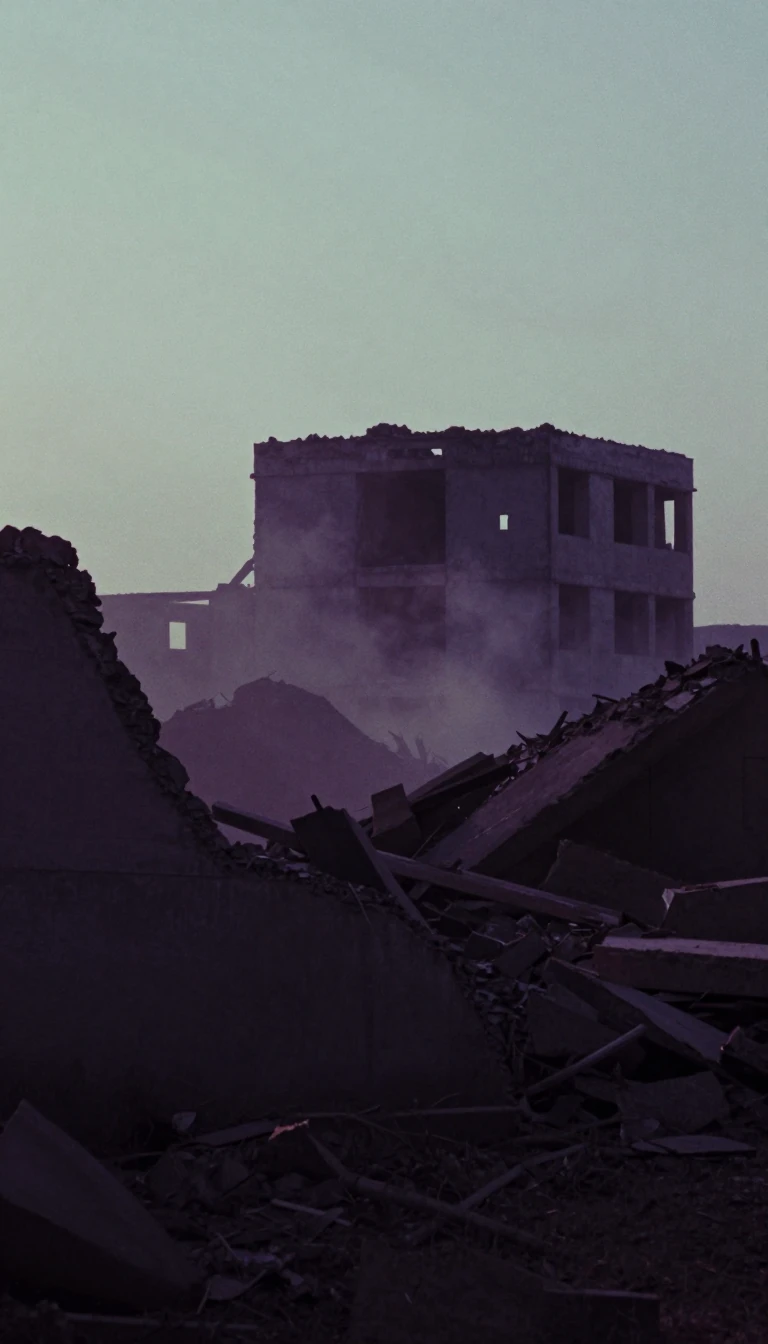 The epicenter is not necessarily where an earthquake causes the most destructionWe often mistake the epicenter for the heart of an earthquake's damage, but geology tells a different story. While the epicenter sits directly above the underground rupture, the m…
 Why this common green mineral is named after the Greek word for increaseEpidote is a widespread rock-forming mineral known for its distinct pistachio-green hue. Its name, derived from the Greek word epidosis, refers to a unique structural quirk: one s…
 Erythrite: The Crimson Mineral That Acts as a Beacon for Hidden Cobalt DepositsKnown for its striking crimson or peach-red hue, erythrite is more than just a beautiful geological curiosity. This hydrated cobalt arsenate mineral serves as a vital field guide …
- Beyond Earth: Why planetary crusts crack into massive, towering cliffs across the solar systemAn escarpment is more than just a steep cliff; it is a profound geological boundary separating two distinct elevations. While often carved by erosion on Earth, these dramatic ridg…
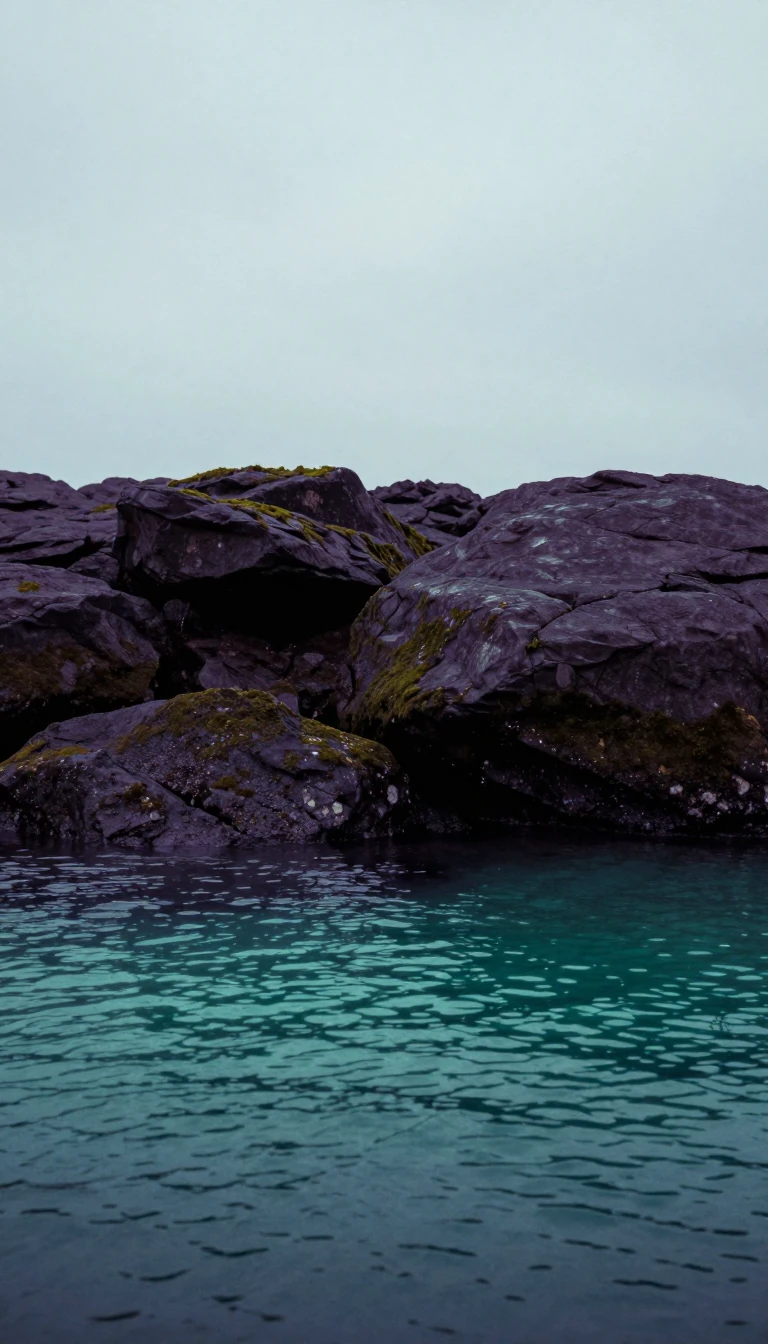 These winding ridges of sand are actually the ghosts of ancient glacial riversEskers are long, sinuous ridges of gravel and sand that snake across landscapes once covered by ice. Often resembling man-made railway embankments, these formations are the final,…
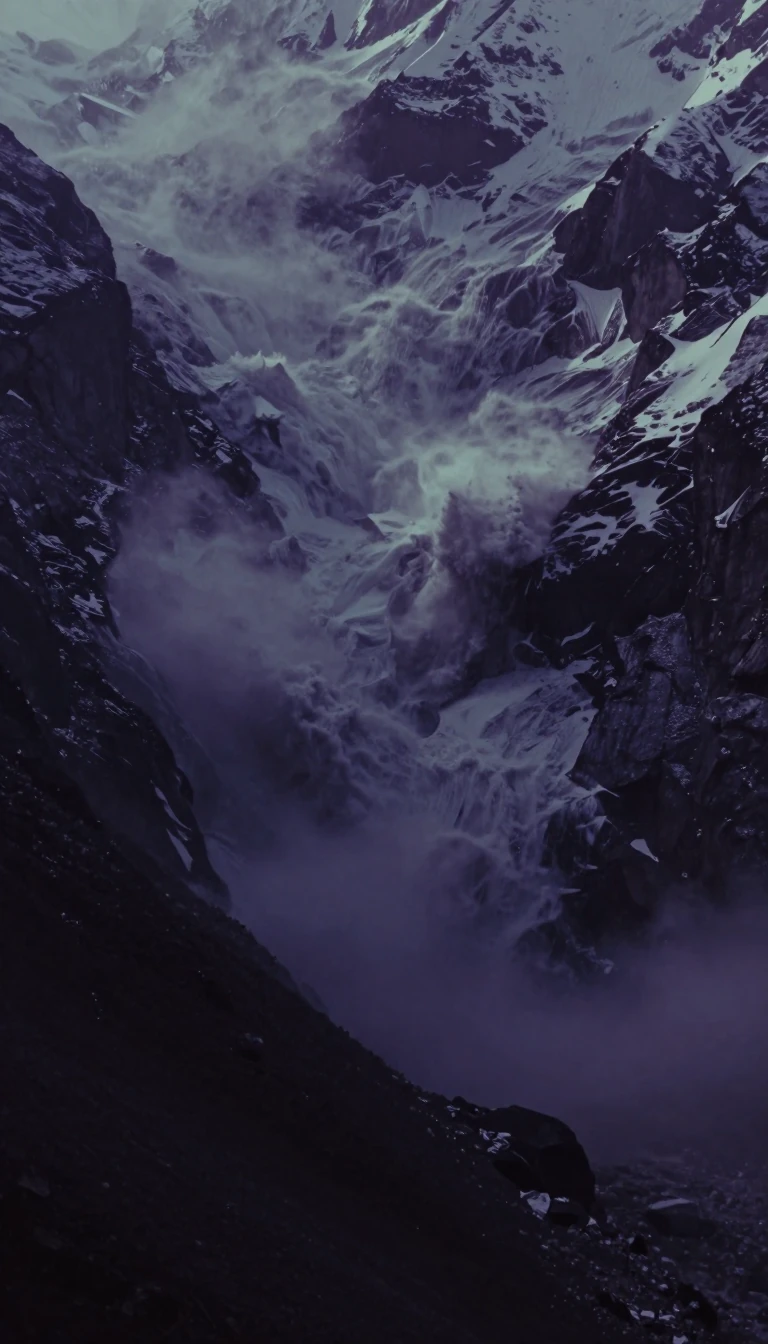 The Eurasian Plate is a massive geological puzzle that continues to reshape our worldSpanning from the Mid-Atlantic Ridge to the edge of the Pacific, the Eurasian Plate is a tectonic titan. Its relentless collisions with neighboring plates have forged the world's …
- Earth's atmosphere does not end at a line; it leaks into space forever.The exosphere is the final, ghostly frontier of our atmosphere, where air is so thin that atoms rarely collide. It is a place of ballistic arcs and slow escape, where Earth's grav…
- Why record-breaking weather is becoming the new normal for our warming planetExtreme weather events are no longer just statistical anomalies; they are becoming more frequent and intense. Driven by human-induced greenhouse gas emissions, this shift is trans…
 Why volcanic rock cools into glass instead of forming visible crystalsWhen magma erupts onto the Earth's surface, it undergoes a dramatic transformation. Unlike intrusive rocks that cool slowly underground, extrusive rocks solidify rapidly in the op…
 Rocks hold a hidden architectural blueprint that reveals their entire history of deformationIn geology, fabric is the spatial arrangement and orientation of a rock's internal components. Far from being random, this structural pattern acts as a record of the forces that s…
- Ancient tectonic slabs are still hiding beneath the surface of California and MexicoFor millions of years, the massive Farallon plate was consumed by the North American continent. While most of it sank deep into the mantle, recent seismic research reveals that la…
 The complex optical illusion that once sent explorers on doomed quests for phantom landsA Fata Morgana is not just a simple desert shimmer. It is a sophisticated, rapidly shifting atmospheric mirage that stacks inverted and upright images into towering, unrecognizabl…
- How massive tectonic shifts sculpt the Earth into dramatic mountains and deep valleysBeneath our feet, the Earth's crust is not a solid shell but a mosaic of massive rock blocks. When tectonic forces pull these blocks apart or force them upward, they create the wo…
- The iron-rich mineral named for an island where it likely never grewFayalite is the iron-heavy end-member of the olivine mineral group. While it takes its name from Fayal Island in the Azores, geologists suspect the original samples were actually …
 Why these rare minerals refuse to coexist with quartz in igneous rocksFeldspathoids are the geological rebels of the mineral world. While they share a chemical family resemblance with common feldspars, they possess a distinct structure and a lower s…
 Fire whirls are not just flames; they are complex, self-sustaining atmospheric vortex machines.Often mislabeled as fire tornadoes, fire whirls are intense, rotating columns of air fueled by wildfire heat and surface winds. These phenomena can reach temperatures of 1,100 deg…
- Why flat coasts are never truly still, but constantly shifting landscapesA flat coast is not a static edge where land meets sea, but a dynamic, evolving system. Driven by waves, tides, and wind, these shorelines are in perpetual motion. From underwater…
- Why does the ancient idea of a flat Earth persist in the digital age?For centuries, humanity viewed the world as a flat disk, a perception reinforced by the horizon's appearance and the movement of celestial bodies. While empirical science long ago…
- Why the world's most productive wetlands are actually vast, seasonal flooded grasslandsFlooded grasslands and savannas are not merely swamps; they are dynamic, life-sustaining biomes that span four continents. These massive, water-dependent ecosystems function as cr…
 The common mineral that protects your teeth and lights up the modern worldFluorapatite is far more than just a common phosphate mineral found in rocks. This crystalline solid plays a dual role in human life: it strengthens tooth enamel against decay and…
 Fluorite is the world's most colorful mineral, but its true power lies in optics.Often called the most colorful mineral on Earth, fluorite is more than just a pretty crystal. It is a vital industrial flux, a source of fluorine, and a high-performance optical m…
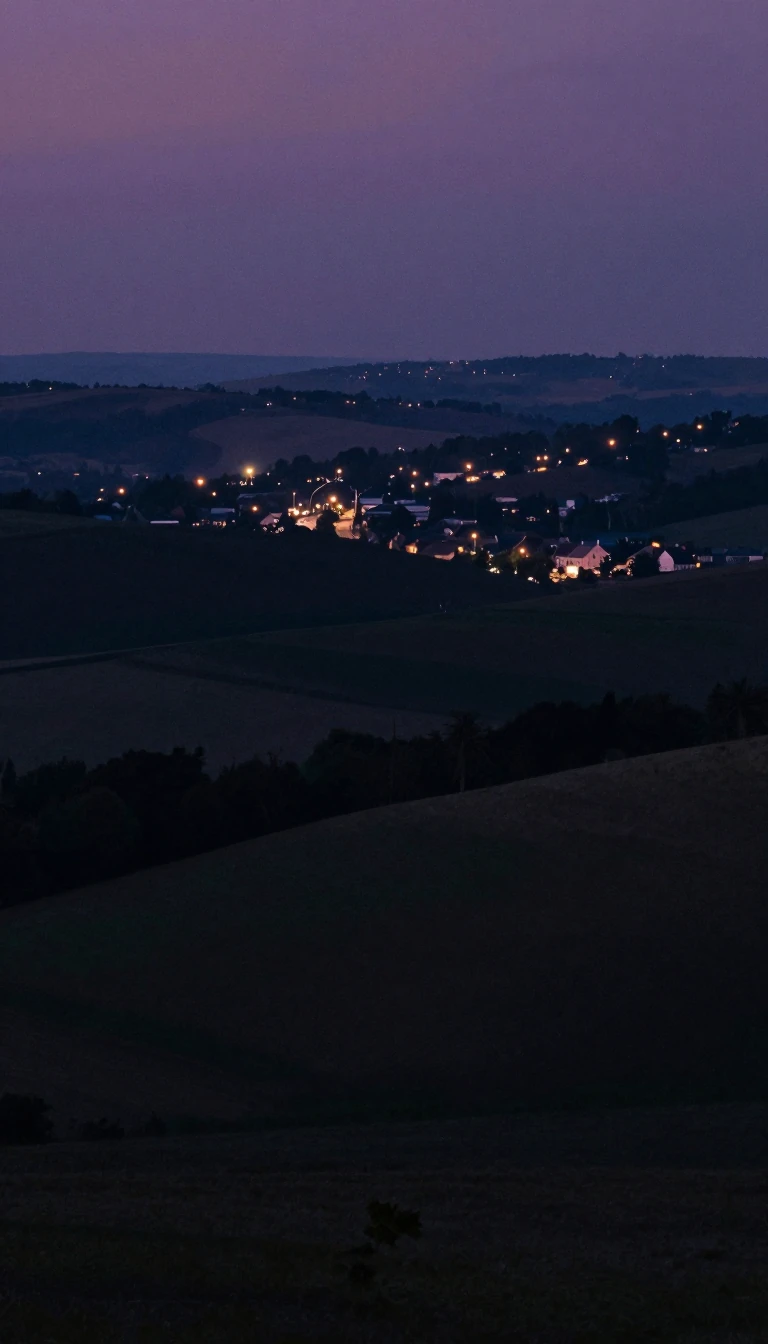 Why mountain winds can melt snow, spark wildfires, and perhaps even trigger madnessThe foehn effect is a powerful meteorological phenomenon that turns cool, moist air into a warm, dry gale on the leeward side of mountains. Known by names like the Chinook and San…
- Why do massive mountain ranges crumple like a tablecloth pushed across a wooden table?Mountains are not always jagged, static monoliths. They are the result of tectonic plates colliding, forcing layers of crust to buckle and fold. This process, driven by the same b…