 Intellect Plus
Nature
11,198 cards. Each one is a 40-second story with a five-minute read behind it. Page 81 of 187.
Subtopics: Ageing · Air · Animal behaviour · Animal breeds and hybrids · Animals · Arthropods · Atmosphere · Big cats · Bilateria, others · Birds · Botany · Cnidarians · Conservation · Coral reefs · Deep sea · Deserts · Dinosaurs · Earth science · Earth science and physical geography · Earth science basics · Earthquakes & tsunamis · Echinoderms · Ecology · Ecosystems · Endangered species · Extinct animals · Farming · Fish · Forests · Fungi · General classifications · Geology · Geomorphology · How Long Can It Live? · Ice · Individual animals · Insects · Lightning · Longevity · Mammals · Marsupials · Migration · Mollusks · Ocean · Organisms · Parasites · Physical geography · Plants · Porifera · Predators · Primates · Rainforest · Reptiles & amphibians · Researched · Sharks & rays · Spiders & arachnids · Symbiosis · Trees · UK & Ireland: nature · Vertebrates · Vision · Volcanoes · Water · Waves · Weather · Whales & dolphins · Zoology
 How molten magma carves the Earth's hidden architecture from the inside outWhen magma invades the Earth's crust, it does not just fill space; it sculpts it. Depending on its density and silica content, this molten rock can form everything from thin, vert…
 This heavy black mineral is the primary source of the world's titanium supply.Ilmenite is an unassuming, iron-black mineral that serves as the backbone of the modern titanium industry. While often mistaken for other metallic oxides, this heavy, weakly magne…
 Why do we call unseasonably warm autumn days an Indian summer?The term Indian summer describes a period of dry, hazy, and mild weather occurring after the first frost. While the exact origin remains debated, the phrase has evolved from a spe…
- Why the boundaries between tectonic plates are the most volatile places on EarthInterplate earthquakes occur at the meeting points of tectonic plates, where locked sections suddenly slip to release accumulated stress. These events are responsible for over 90 …
 The intertidal zone is a high-stakes arena where land and sea constantly collide.Twice a day, the tide reshapes the world. This narrow strip of shoreline, exposed to both scorching sun and crashing waves, hosts a remarkable diversity of life. From resilient ba…
- Why the most dangerous earthquakes often strike where we least expect themMost earthquakes occur at the edges of tectonic plates, where the ground is prepared for tremors. Intraplate earthquakes, however, strike deep within the stable interiors of plate…
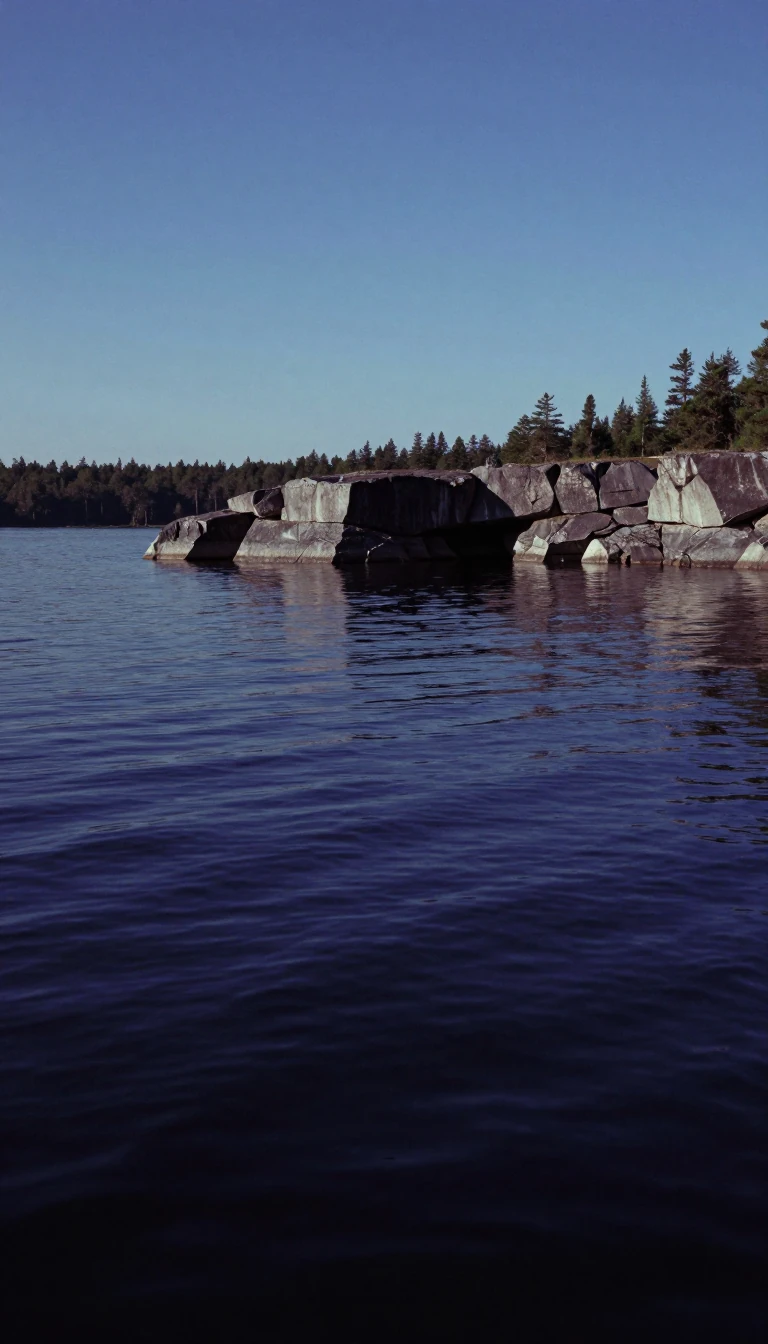 Beneath the surface, the Earth builds massive stone structures in total silence and darkness.While volcanoes grab the headlines, most igneous rock never sees the sun. Instead, it forms deep underground as magma slowly cools within the crust. These intrusive rocks, ranging…
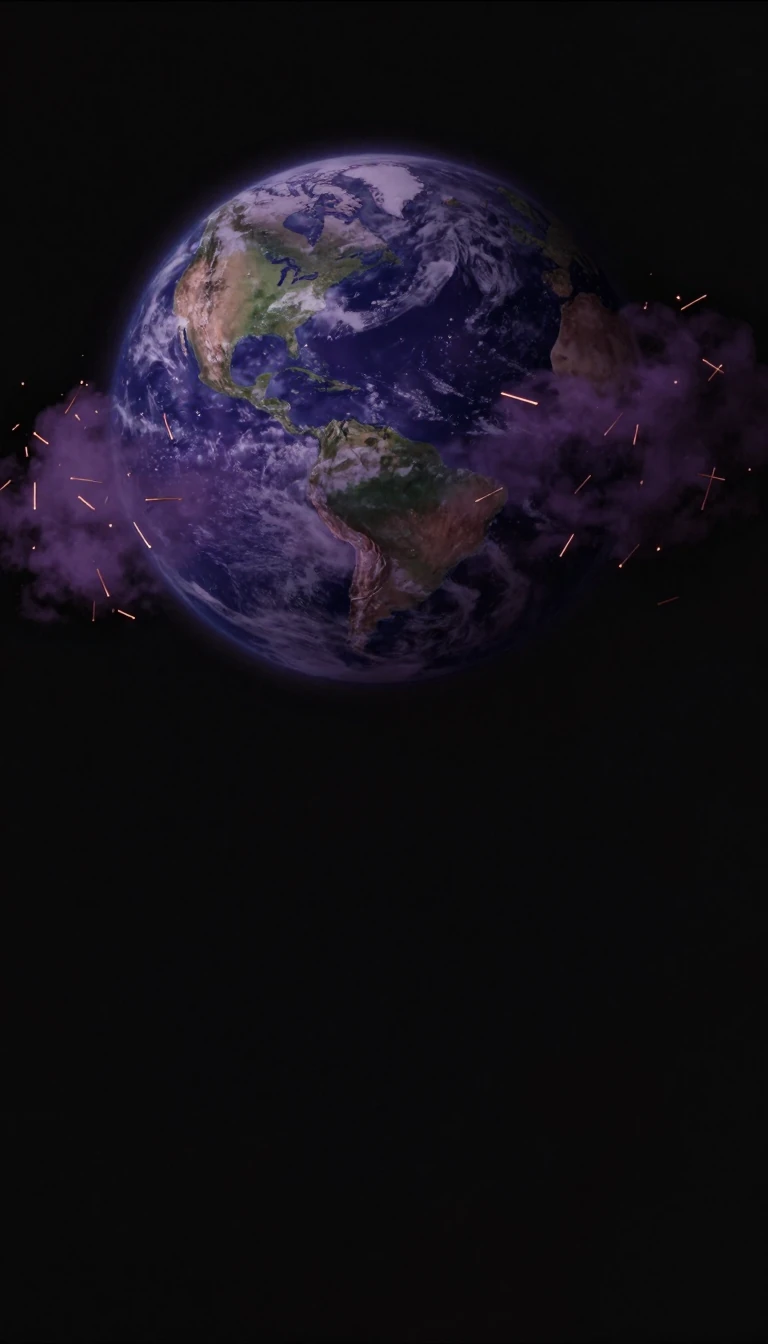 The ionosphere is a shifting, electrified boundary between our atmosphere and deep space.Stretching from 50 to 400 miles above Earth, the ionosphere is a sea of charged particles created by solar radiation. This layer is not static; it constantly reacts to the Sun, Ea…
 Why the famous ironstone china contains absolutely no ironstone at allIronstone is a sedimentary rock that once fueled British industry, yet it is famously absent from the durable dinnerware bearing its name. While the rock itself is a complex, iron…
 What makes an island an islet, and why does the distinction matter for nations?An islet is more than just a small island. While definitions are notoriously imprecise, these tiny landforms—often barren, rocky, or temporary—carry immense weight in internationa…
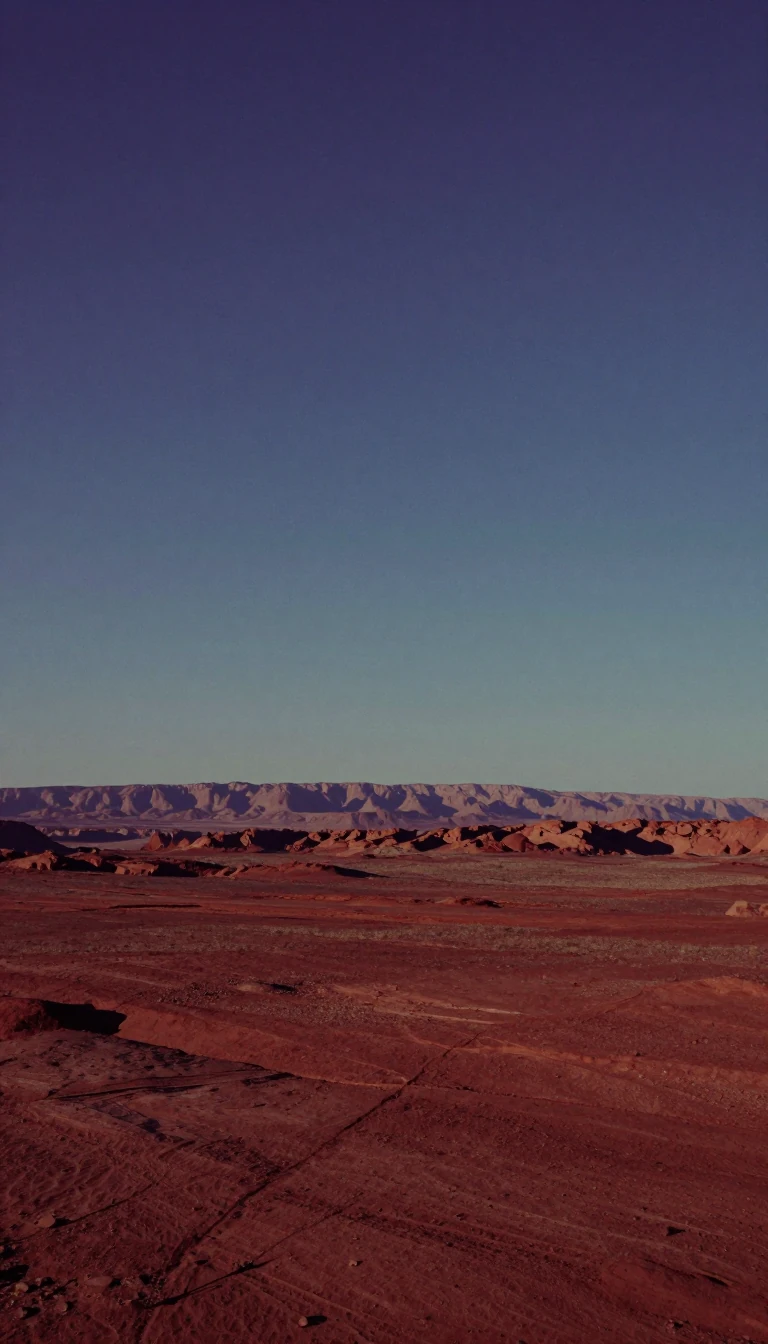 Why do mountains float like icebergs on the Earth's mantle?The Earth's crust is not a solid, static shell. Instead, it behaves like a collection of massive plates floating on a soft, plastic layer of the upper mantle. This state of gravit…
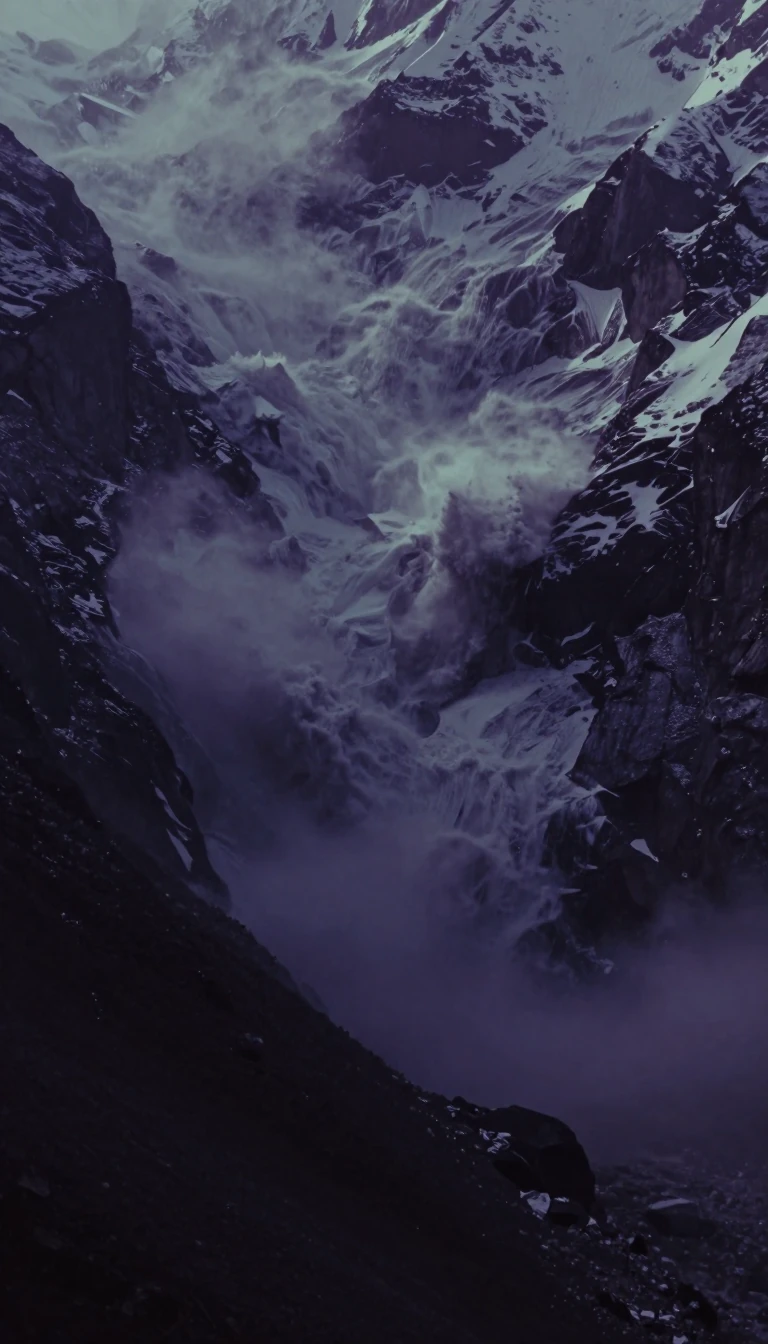 How massive ice sheets force the Earth's crust to sink into the mantleWhen gargantuan ice sheets blanket the Earth, their immense weight does more than just cover the surface; it physically pushes the crust downward into the asthenosphere. This phen…
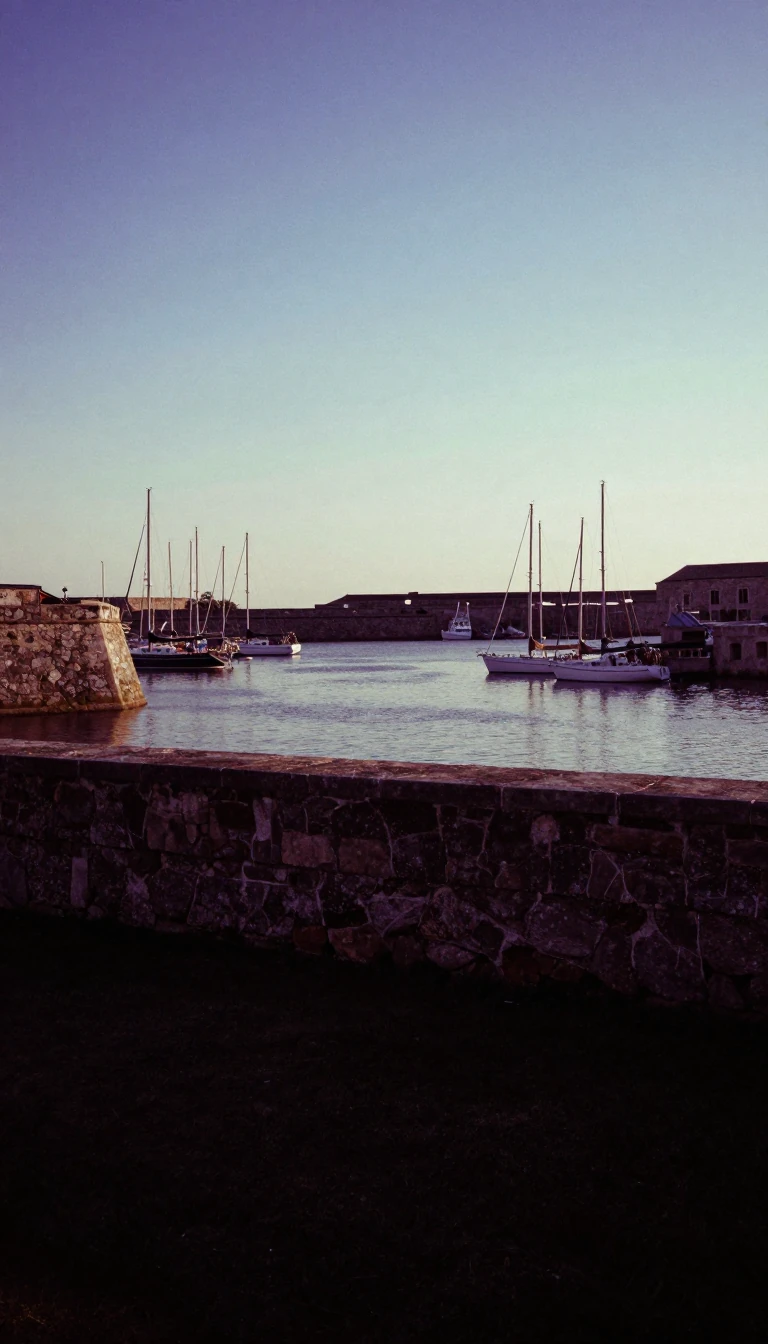 The narrow neck of land that shapes global trade and biological migrationAn isthmus is a slender bridge of earth separating two vast bodies of water while linking two larger landmasses. These geographic bottlenecks have served as critical corridors for…
- Why the world's most common rock fractures are often hiding in plain sightLook closely at almost any rock exposure and you will likely see a joint. Unlike faults, which involve visible shifting of the earth, joints are brittle fractures where the rock h…
 The Juan de Fuca plate is not just sinking; it is actively tearing apartDeep beneath the Pacific Northwest, the Juan de Fuca plate is undergoing a rare geological transition. Rather than sliding smoothly into the Earth's mantle, the massive tectonic s…
 How scientists use the decay of potassium to date rocks on other planetsPotassium-argon dating is a cornerstone of geochronology, allowing researchers to determine the age of rocks by measuring the accumulation of argon gas trapped within mineral crys…
 Kainite is a rare double salt that holds the key to potassium extractionFound primarily in ancient salt deposits, kainite is a unique mineral containing both sulfate and chloride. While it remains a vital source of potassium and magnesium for agricult…
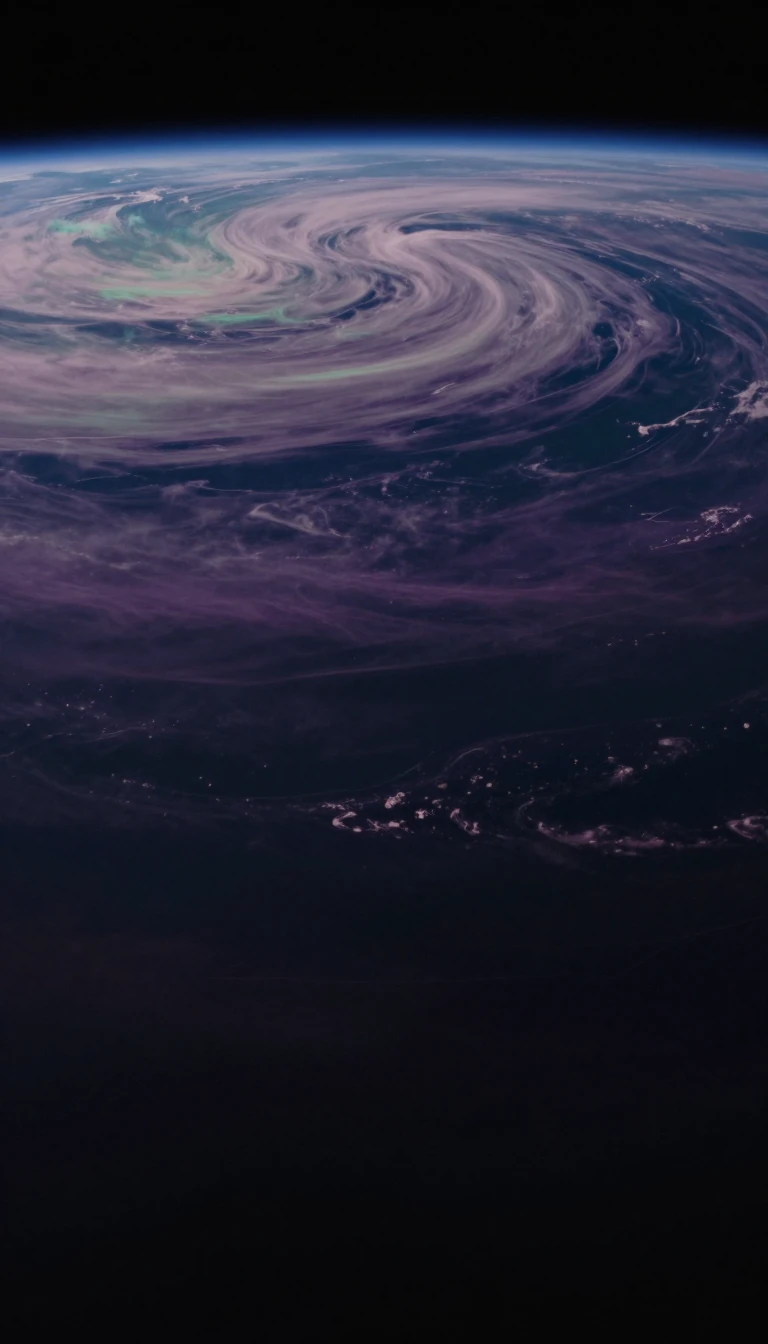 Gravity is the engine behind these powerful, cold winds that scour the Earth's surface.Katabatic winds are not just mountain breezes; they are massive, gravity-driven flows of cold, dense air cascading down slopes. From the destructive piteraq of Greenland to the wi…
 Underwater towers of algae: why kelp forests are the ocean's most productive neighborhoodsKelp forests are not plants, yet they grow like terrestrial forests, reaching toward the sun in cool, nutrient-rich coastal waters. These dynamic ecosystems support a staggering d…
 Was Kenorland the Earth's first supercontinent, or just a massive geological puzzle?Kenorland is a hypothetical supercontinent that potentially unified Earth's landmasses 2.72 billion years ago. Reconstructed through volcanic dikes and magnetic data, this ancient…
 Kernite: The massive, transparent crystals that once powered the global borax industryDeep beneath the arid Mojave Desert lie vast, stratified beds of kernite, a hydrated sodium borate mineral. These colorless, vitreous crystals can grow to staggering sizes, someti…
 Earth once erupted lava as fluid as water, but it stopped billions of years ago.Komatiites are rare, ancient volcanic rocks that erupted at temperatures exceeding 1600 degrees Celsius. Unlike the thick, honey-like basaltic lava we see today, these ultramafic …
 The iridescent shimmer of labradorite is a secret written in submicroscopic stone layers.Labradorite is more than a pretty rock; it is a geological puzzle. Its signature iridescent glow, or labradorescence, requires a precise chemical composition and an incredibly slo…
 A lahar is a deadly volcanic mudflow that can travel faster than a car.Often mistaken for simple mudslides, lahars are violent slurries of volcanic debris and water that can reach speeds exceeding 200 kilometres per hour. These flows can bury entire …
 Lakes are not just static pools but complex, breathing ecosystems with their own internal weather.A lake is a dynamic, stratified world where light, temperature, and depth dictate life. From the sun-drenched littoral shallows to the dark, oxygen-starved profundal depths, these…
- Lakes are not just puddles; they are complex, layered machines that breathe with the seasons.Lakes often organize themselves into distinct thermal layers, creating a hidden vertical world. This stratification dictates where fish swim, how nutrients circulate, and even whe…
 Why the way we use land is the silent architect of our global climateLand use is more than just property lines; it is the economic and cultural engine shaping our environment. From urban heat islands to the spread of infectious disease, human choic…
 Was the Laramide Orogeny actually a two-stage event rather than a single collision?For decades, geologists believed the Laramide orogeny was triggered by a single, massive collision of an oceanic plateau. New evidence from the Southern California Batholith sugge…
- Massive volcanic events known as large igneous provinces have repeatedly reshaped Earth's environment.Large igneous provinces are not typical volcanoes. These colossal magmatic events involve the rapid emplacement of immense volumes of rock, often linked to major climate shifts an…
 Did a violent storm of asteroids reshape the early solar system four billion years ago?The Late Heavy Bombardment theory suggests a cataclysmic spike in asteroid impacts once battered the inner planets. While long considered a cornerstone of early planetary history,…
 How ancient coal forests and tectonic shifts triggered a 100-million-year global deep freeze.Between 360 and 255 million years ago, Earth entered a prolonged icehouse period. Driven by massive carbon sequestration in equatorial swamps and tectonic shifts that altered ocea…
- Laurentia is the ancient geological core that eventually became the North American continent.Long before North America existed as we know it, a massive, independent paleocontinent called Laurentia drifted across the globe. Composed of Greenland, most of North America, and…
 Why the oldest layers of Earth are almost always found at the very bottomThe law of superposition is a foundational principle of stratigraphy, stating that in undisturbed rock sequences, the oldest layers sit at the base while younger material accumula…
 The deep blue pigment that defined history is actually a complex, metamorphic rock componentLazurite is the secret behind the iconic, intense blue of lapis lazuli. While often confused with other blue minerals, this tectosilicate is a product of contact metamorphism. Bey…
- How water reshapes the earth beneath our feet through the process of leachingBeneath the surface, soil is constantly in motion. As water travels through the earth, it strips away soluble materials, carrying them from the topsoil into deeper layers. This in…
 This lilac-colored mineral is the secret source of a rare alkali metalLepidolite is more than just a beautiful, rose-colored mica. While often mistaken for a simple gemstone, this mineral is a vital geological reservoir for lithium and the primary s…
 Why do mysterious glowing columns sometimes appear to rise from the frozen ground?A light pillar is an atmospheric illusion where a vertical beam of light seems to extend from a source, such as the Sun or a streetlight. This striking phenomenon is not a solid b…
 How geologists read the Earth's history through the physical language of rock layersLithostratigraphy is the science of classifying rock layers by their physical traits rather than their age. By observing composition, color, and texture, geologists map the Earth'…
 Why the perfect garden soil is a precise, balanced mix of three distinct particlesLoam is the gold standard for agriculture, prized for its ability to hold nutrients and moisture while ensuring water drains away. Composed of a specific blend of sand, silt, and …
 Loess is a mysterious, wind-blown sediment that can stand in vertical, habitable cliffs.Loess is a unique, porous, and yellowish-brown deposit covering ten percent of Earth's land. Named for the German word meaning loose, this silt-rich material forms stable, vertica…
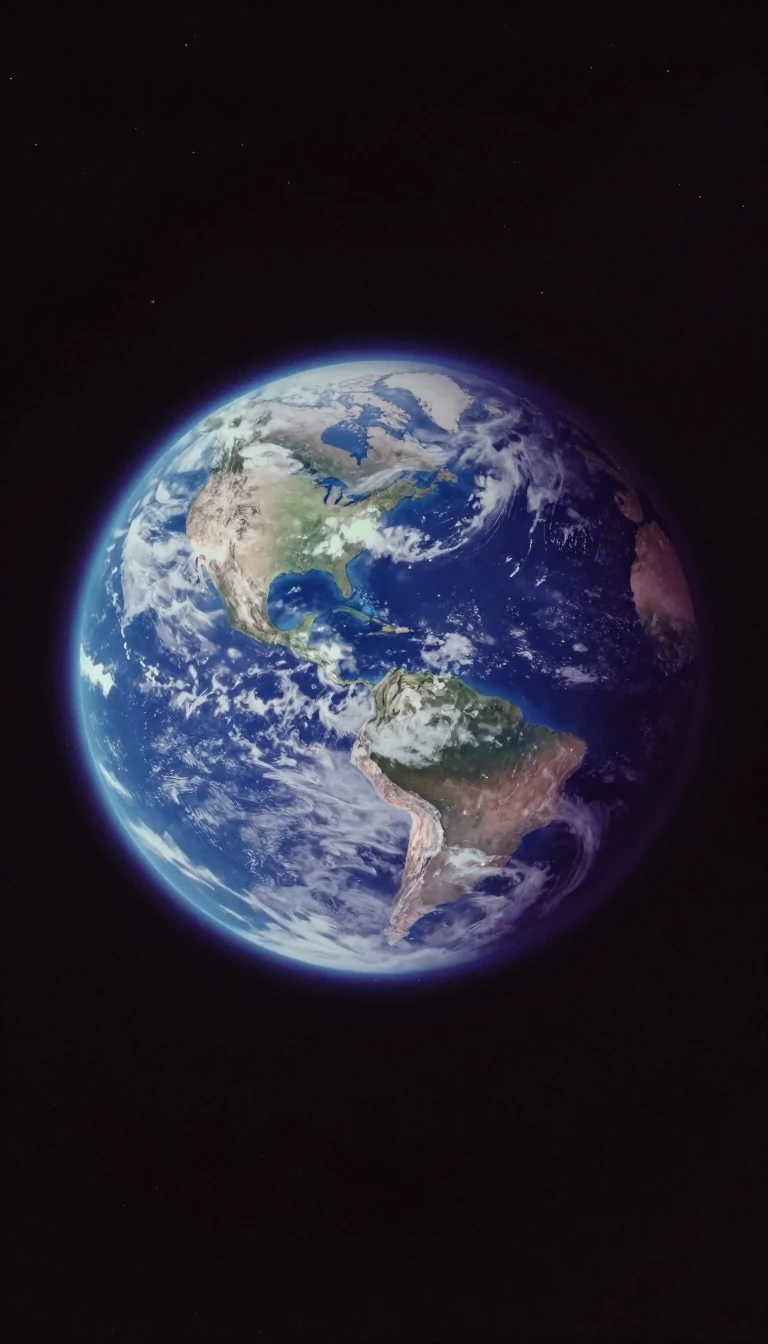 The lower mantle is Earth's hidden engine, a solid rock layer that flows like liquid.Spanning from 660 to 2,900 kilometers deep, the lower mantle makes up the vast majority of our planet's volume. It is not a static shell but a dynamic, high-pressure realm where m…
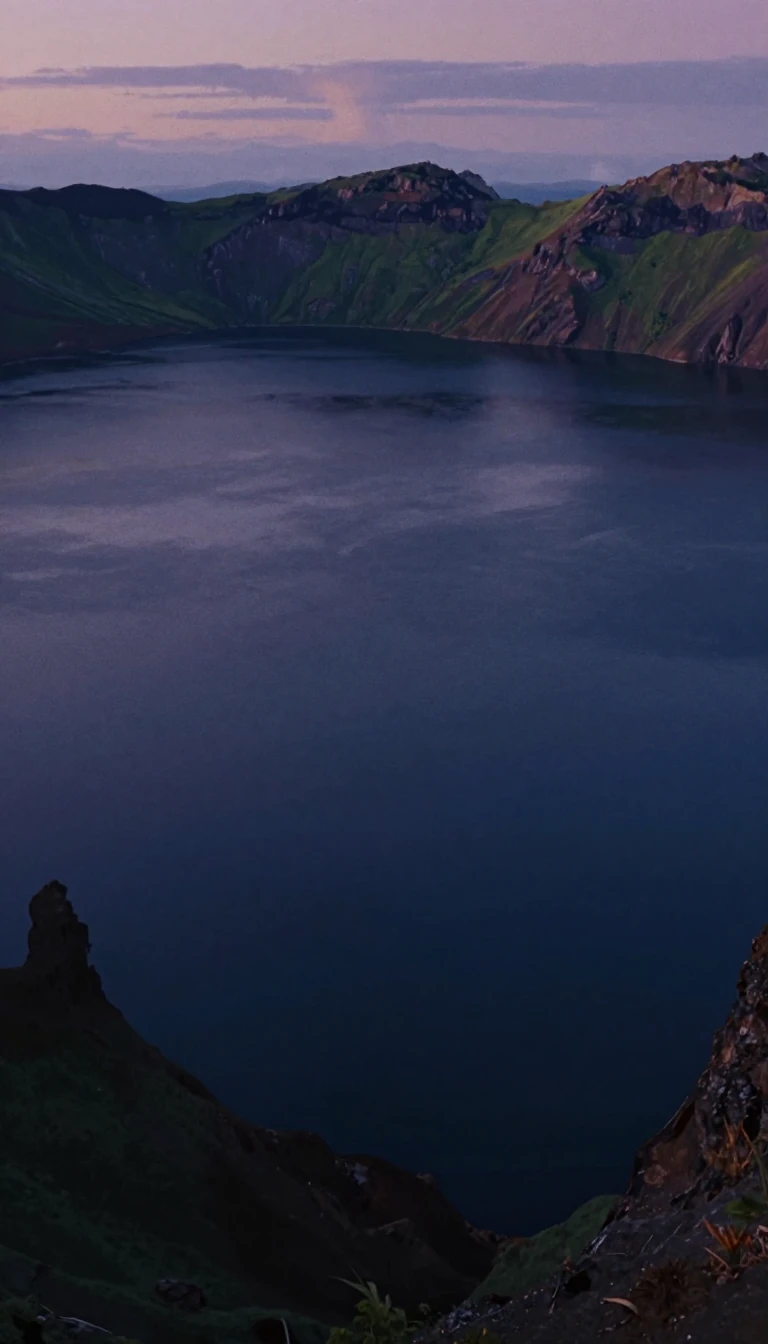 A maar is a volcanic crater formed by a violent interaction with groundwater.When magma meets groundwater or permafrost, the resulting phreatomagmatic explosion carves a broad, low-relief crater into the earth. Often filling with water to become serene lak…
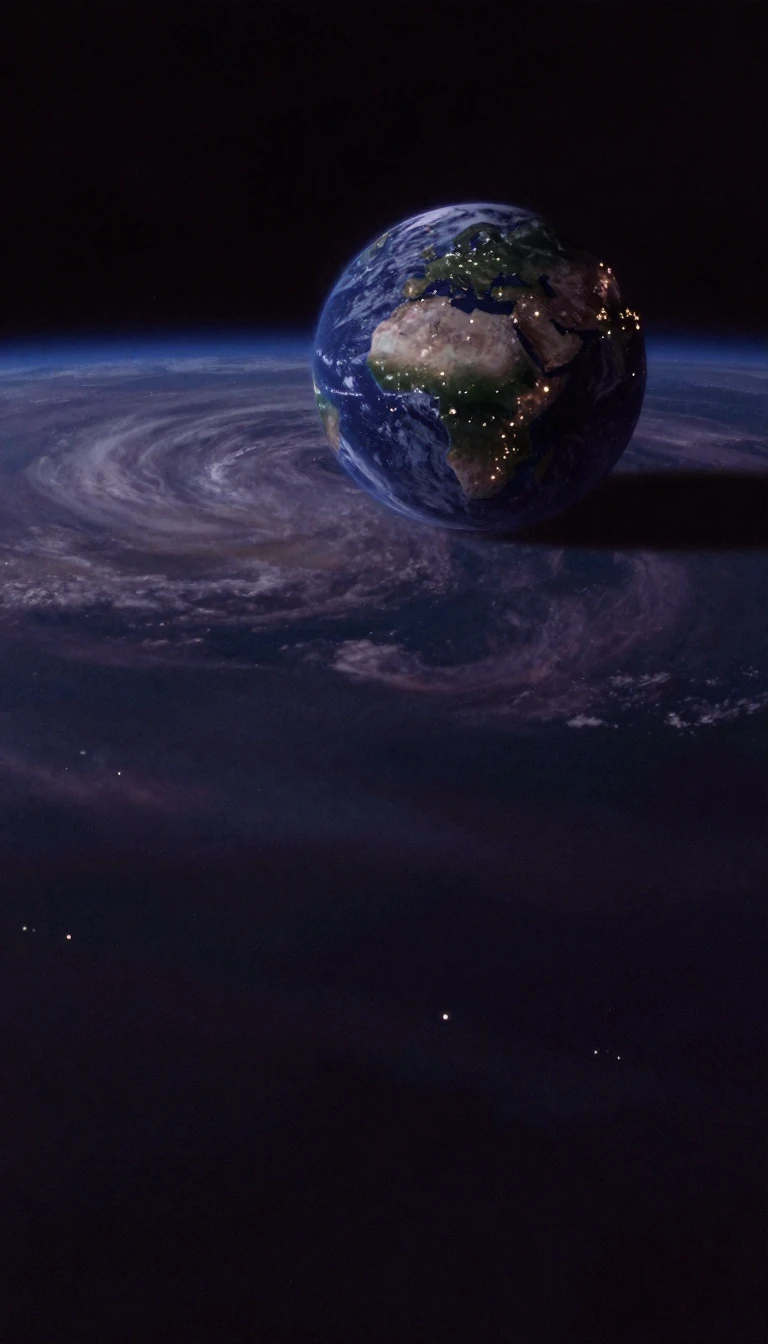 Earth’s magnetic field is shifting, creating a massive, radiation-prone weak spot over the Atlantic.A vast, weakening region in our planet's magnetic field is expanding rapidly, now covering a territory equivalent to nearly fifty percent of the European continent. This South Atl…
 Why this vibrant green mineral was once feared as a copper-stealing demonMalachite has captivated humanity for millennia, from ancient Egyptian funerary rites to the opulent halls of Russian tsars. Yet, this striking copper carbonate mineral holds a de…
- Is the Earth's solid interior actually flowing like a slow-moving, heated liquid?Beneath our feet, the Earth's mantle is not static. Driven by the decay of radioactive elements, this massive layer of rock undergoes a process of solid-state creep. This slow, ci…
- Are mantle plumes the hidden engines driving Earth's most massive volcanic eruptions?Deep beneath our feet, narrow columns of superheated material rise from the core-mantle boundary. These mantle plumes, once controversial, are now understood as a vital part of Ea…
- The ocean is a complex chemical reactor that regulates our planet's climate and life.Marine chemistry explores the intricate chemical interactions within our oceans. From the cycling of essential nutrients like nitrogen and phosphorus to the movement of carbon, th…
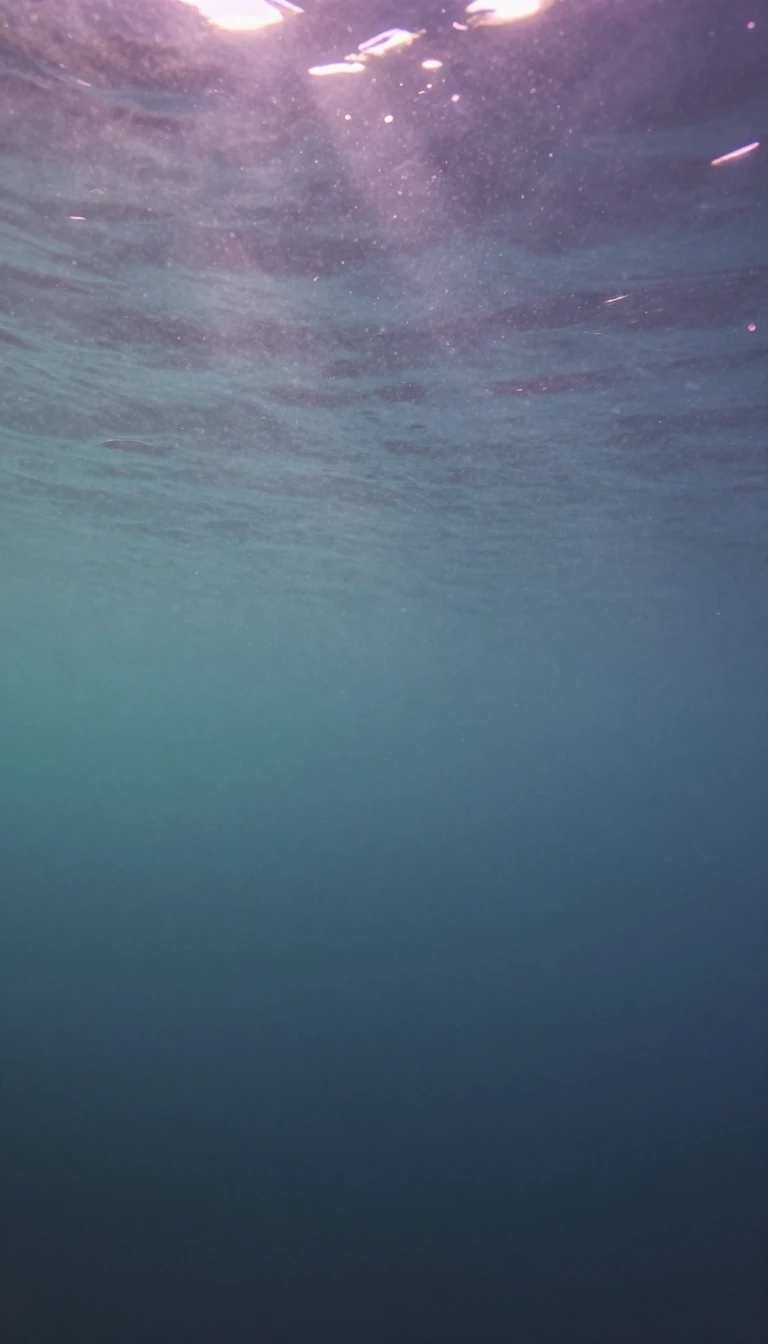 The ocean covers most of our planet, yet we are rapidly dismantling its life-support systems.Marine ecosystems account for over 90% of Earth's habitable space and regulate our global climate. Despite their immense value, human activity—from overfishing to coastal developm…
- The ocean is not just a vast void; it is a dynamic, shifting mosaic.Marine habitats are far more than static underwater landscapes. From the sun-drenched continental shelves to the ephemeral, current-driven corridors of the open sea, these environ…
 When the ocean retreats, does it trigger the planet's most devastating mass extinctions?Marine regression occurs when sea levels drop, exposing vast stretches of previously submerged seafloor. While these geological shifts are often linked to the world's most catastr…
- The seafloor is a vast, shifting archive of Earth's history and cosmic debris.Marine sediment is far more than just mud. It is a complex accumulation of rock, volcanic ash, skeletal remains of ancient organisms, and even extraterrestrial material like meteo…
- Why modern marine weather forecasting is a legacy of maritime tragedyMarine weather forecasting emerged from the wreckage of historic disasters, evolving from simple rules of thumb to complex numerical models. Today, a global network of satellites,…
- Did a global deep freeze turn Earth into a giant, ice-covered snowball?Around 650 million years ago, Earth entered a period of extreme cooling known as the Marinoan glaciation. This event, part of the Snowball Earth hypothesis, suggests our planet wa…
 Gravity is constantly reshaping the planet, moving mountains one grain of soil at a time.Mass wasting is the silent, relentless force of gravity pulling rock and soil downslope without the help of wind, ice, or water. From the imperceptible creep of a hillside to the …
 Why these tiny, fire-prone landscapes hold a massive share of Earth's biodiversityCovering barely 2% of the planet's land surface, Mediterranean-climate regions are biological powerhouses, hosting over 20% of all known species. These landscapes, defined by thei…
- Ancient Grand Canyon mudstones reveal how Earth’s orbit looked 1.2 billion years agoDeep within the Grand Canyon lies a 1.2-billion-year-old mudstone formation that acts as a cosmic time capsule. By analyzing its rhythmic layers, researchers have uncovered how Mi…
- The mesosphere is Earth's most mysterious layer, where meteors burn and strange clouds glow.Sandwiched between the stratosphere and the thermosphere, the mesosphere remains an atmospheric enigma. Too high for weather balloons and too low for satellites, this region is a …
 Before humanity mastered smelting, our only source of iron fell from the starsLong before the Iron Age, ancient civilizations crafted tools and sacred objects from iron that arrived on Earth via meteorites. This celestial metal, distinct from terrestrial or…
 Fire ice: The strange, cage-like crystals hiding beneath our ocean floorsMethane clathrate is a solid, ice-like substance where methane gas is trapped inside water crystal cages. Found in deep ocean sediments and polar permafrost, these deposits hold v…
 Methane is a powerful climate lever, trapping far more heat than carbon dioxide does.While carbon dioxide dominates climate conversations, methane is a potent, short-lived heat-trapper. It is responsible for roughly 20% to 30% of global warming since the Industria…